







Why Does Mandheling Use Wet Hulling?
Wet hulling, called Giling Basah locally, is a green coffee processing method unique to Indonesia, sitting between washed and natural and often classed as semi-washed. Indonesia's humid, rainy climate makes sustained sun-drying difficult, so parchment is removed by machine while the beans are only semi-dry and drying finishes afterward.
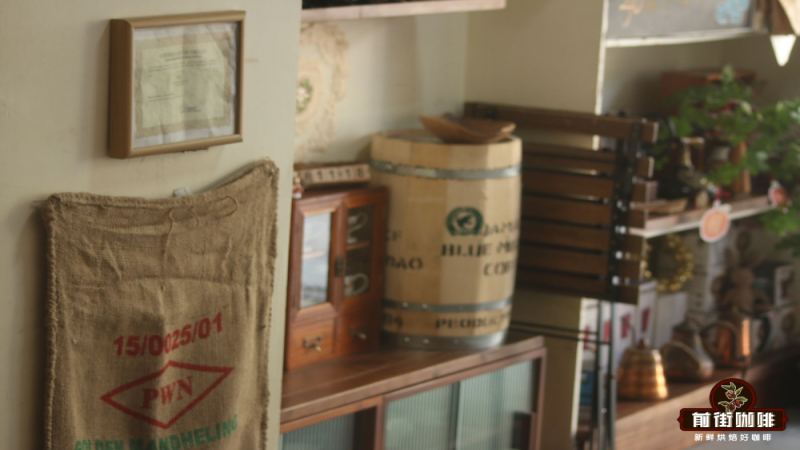
That order of drying and hulling is the core difference from washed coffee processing, where the parchment stays with the beans until storage. Wet hulling produces the goat-hoof bean shape and the low-acid, thick, earthy aromatic cup associated with Mandheling. PWN Golden Mandheling is a common example for roasting curves and KONO dripper brewing.
Wet Hulling is a green coffee processing method unique to Indonesian origins, known locally as Giling Basah and often regarded as a semi-washed method. It arose because Indonesia's humid, rainy climate makes sun-drying difficult to sustain—coffee beans have their parchment removed early while still semi-dry, which not only creates the iconic "goat hoof" bean appearance but also fosters the distinctive low-acid, thick, and earthy-aromatic flavor of Mandheling. In this article, Front Street Coffee will sort out the core differences between wet hulling and washed processing, break down the complete steps of depulping, soaking, two-stage drying, and wet-hull removal, and use PWN Golden Mandheling as an example to share a roasting curve and KONO dripper brewing parameters, giving you a comprehensive understanding of the unique charm of Indonesian coffee.
What exactly is the difference between wet hulling and washed processing?
Many friends, after tasting Front Street Golden Mandheling, wonder: why is Indonesian coffee generally processed by wet hulling rather than washed or natural? Below, Front Street Coffee will explain the wet hulling method in detail.
What is the wet hulling method?
Wet Hulling, also called wet shelling, is known in the local Indonesian language as Giling Basah. Because its process falls between washed and natural, it is often classified as a semi-washed method. This processing style is unique to Indonesian origins. To experience the charm of wet-hulled coffee, Front Street Coffee first recommends Indonesian Mandheling G1 coffee beans—at a medium-dark roast level, the herbal and spice notes imparted by the origin and processing method are clearly recognizable.
The key difference between the two lies in the order of drying and hulling. In washed processing, after fermentation with the mucilage retained, the remaining mucilage is rinsed off with clean water, followed immediately by sun-drying, and the parchment is kept with the coffee beans until the storage stage; wet hulling, although similar in fermentation to washed, removes the parchment by machine once the beans are only semi-dry, then completes final drying, so the coffee beans entering storage are "naked."
Why is wet hulling commonly used for green coffee in Indonesia?
Which processing method an origin chooses usually depends on local climate conditions and resource availability. Natural processing is more common in dry, hot areas with scarce water; washed processing prevails in areas with easy access to water. Indonesia is humid year-round with frequent rainfall, making natural processing, which relies on long sun-drying, difficult to implement, and so wet hulling emerged. Front Street Coffee believes it is precisely this processing method that gives Indonesian coffee beans a fuller flavor and makes the herbal and spice notes more pronounced.
A complete breakdown of the wet hulling process
1. Depulping / pulping
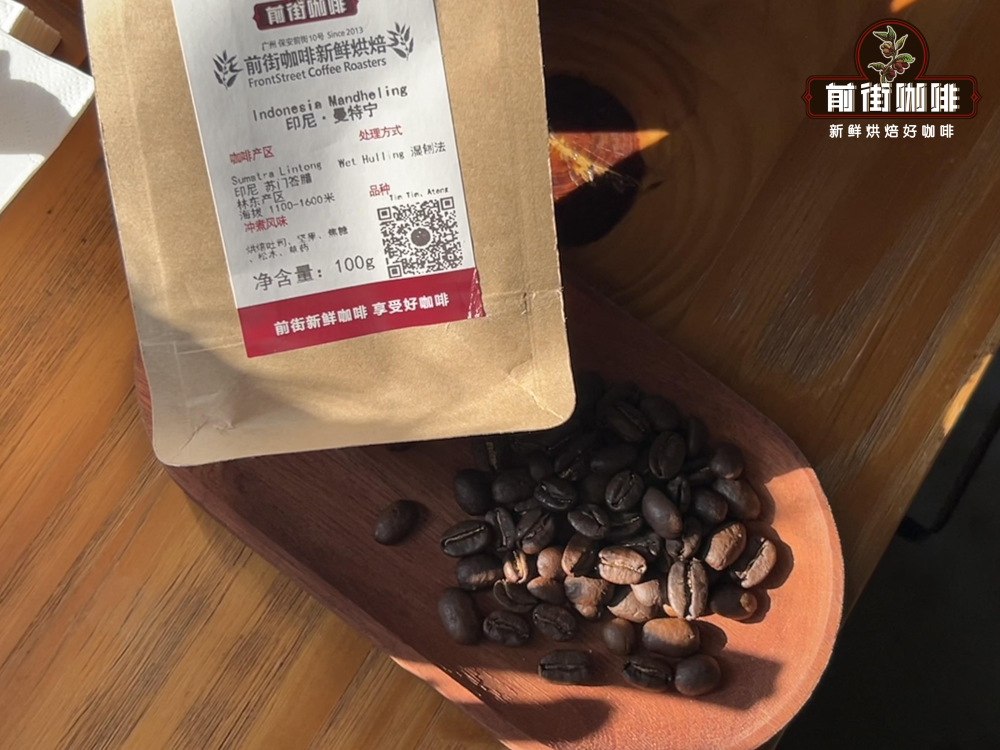
As with washed processing, freshly picked coffee cherries must be processed as soon as possible. In Indonesia, the cherries are usually depulped by smallholders at home, first removing the skin and part of the pulp.
2. Washing
The depulped coffee beans are placed in a tank to soak for 1-2 hours, and through friction between the beans, part of the mucilage is removed.
3. Drying (first time)
After soaking and washing, the coffee beans are first sun-dried at the farmer's home, reducing moisture content to 20%-35%.
4. Purchasing
After the first round of drying, the beans are immediately sent to market for trading. At this point the mucilage layer has not yet hardened and the beans are overall sticky, so buyers purchase them in bulk and transport them to the processing plant to continue the next stage.
5. Drying (second time)
The coffee beans arriving at the processing plant first undergo a second sun-drying, further reducing moisture content to around 18%.
6. Wet hulling
Next, the semi-dry coffee beans are fed into a huller for wet hulling, which also removes residual mucilage and the parchment layer. This is exactly where wet hulling differs from other processing methods: the parchment is removed before final drying; whereas washed and other methods dry with the parchment layer intact and only remove the hull before export shipment.
7. Final drying and storage
The hulled naked beans are spread on the drying yard again for final drying, with a target moisture content of 11%. Once that is reached, they are bagged and put into storage, waiting for export shipment arrangements.
Bean appearance characteristics of wet-hulled green coffee
Front Street Coffee has handled many batches of wet-hulled Mandheling green beans and found they all carry the same iconic bean shape—"goat hoof." This is because the green beans are hulled of mucilage and parchment by machine while in a semi-soft, semi-hard moist state, making them prone to being squeezed and damaged; the bean body cracks and takes on a shape resembling a goat's hoof, commonly called goat-hoof beans. This appearance is a highly recognizable characteristic of Mandheling and is not considered a defect.
The flavor performance of Front Street Indonesian Mandheling (wet-hulled)
Teacher Han Huaizong once commented on this processing method in his writings: it is quite rare globally, yet it inadvertently created Mandheling's characteristic low-acid, thick, and earthy-aromatic style.
In cupping, this wet-hulled Mandheling from Front Street Coffee has low acidity, a thick and smooth mouthfeel, and distinctive herbal and spice flavors; its shortcoming is that batch quality fluctuates considerably. Of course, this may not be entirely the fault of wet hulling—in most cases it is more likely due to poor quality in some of the green beans themselves.
Having said all this, how exactly should such beans be roasted and brewed? Below, taking Front Street Coffee's high-grade PWN Golden Mandheling coffee beans as an example, we will give a complete roasting and brewing demonstration.
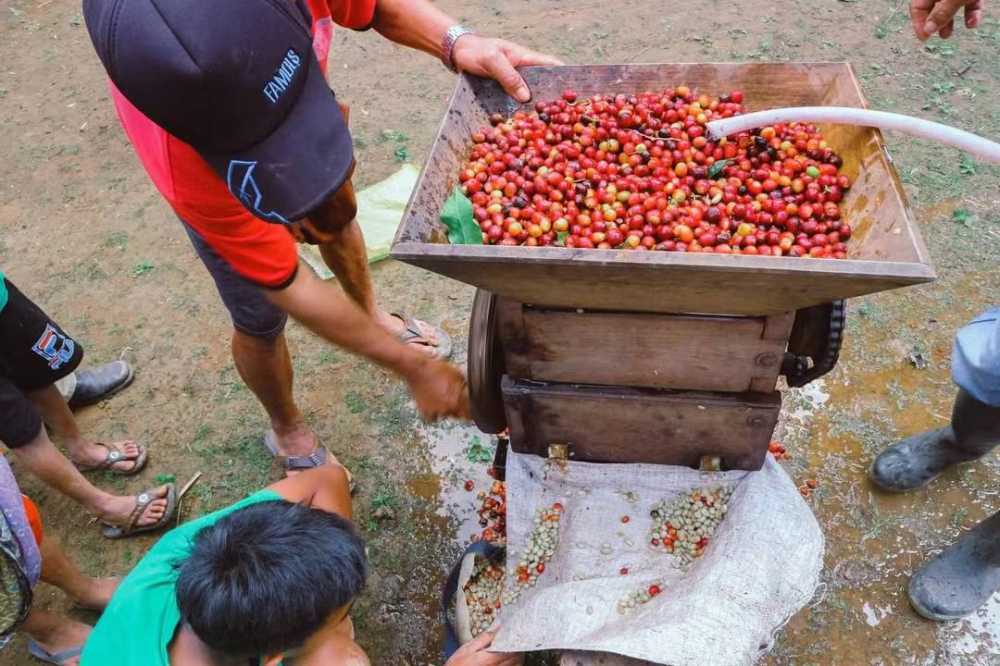
Front Street Coffee PWN Golden Mandheling coffee beans Origin: Gayo Mountain, Aceh, Sumatra Altitude: 1,100-1,600 meters Variety: Ateng Grade: G1, 3 times hand-sorted Processing method: Wet hulling
How to roast wet-hulled Golden Mandheling?
Golden Mandheling green beans have relatively high moisture, noticeably different from natural beans, so the dehydration stage requires extra care. For high-moisture green beans, you can close the damper immediately after charging and steam for 30 seconds, then reopen to setting 3; when the bean color turns light green or whitish, open the damper to setting 4, and after first crack open it to maximum (setting 5). Front Street Coffee recommends fully recording all data before roasting—moisture content, density, origin, processing method, as well as the roasting room's ambient temperature and humidity, etc.—and planning the roasting curve accordingly. Paying attention to both physical and chemical changes during roasting not only allows a more thorough understanding of the final product but also helps optimize the curve in the future.
Reference curve: charge when the drum temperature rises to 200°C, with the damper at setting 3; after 1 minute adjust the heat to 160 and keep the damper unchanged; when roasting reaches 5 minutes 40 seconds at 148°C, the bean color turns yellow, the grassy smell completely dissipates, and dehydration is complete—at this point lower the heat to 140 and adjust the damper to setting 4; around 9 minutes 40 seconds, wrinkles and dark patches appear on the bean surface, and the toasted-bread smell clearly shifts to coffee aroma—this is a sign of first crack, so be sure to listen carefully for the crack sounds; first crack begins at 9 minutes 54 seconds, reduce the heat to 60 and open the damper fully (the heat reduction must be done very carefully—not so low that the cracking sound disappears), and finally drop at 204.5°C.
How does Front Street Coffee brew medium-dark roasted Golden Mandheling?
When brewing medium-dark roasted beans, Front Street Coffee usually chooses the KONO Meimon dripper. Its exhaust channels are concentrated only at the ribs around one-quarter height; once the water level rises above the ribs, the water volume inside the dripper keeps increasing, using the weight of the water to create pressure; in addition, the outlet is relatively small, which lengthens the contact time between coffee particles and water, and with the water flow driving extraction, soluble substances are brought out more fully, thus presenting the high body that guests expect.
Water temperature: 88°C Dose: 15g Coffee-to-water ratio: 1:15 Grind size: based on sieving with a 0.85mm aperture screen, 65% pass-through rate
During brewing, Front Street Coffee first uses twice the coffee weight in hot water—that is, 30g—for a 30-second bloom; then pour in a thin stream in circles to 125g and pause, wait for the water level to fall and the coffee bed to be about to emerge, then continue pouring to 225g and stop; once again wait for the water level to drop and the coffee bed to be about to emerge, then remove the dripper (timing starts from the beginning of the bloom), with a total extraction time of 2 minutes 00 seconds.
The cup flavor of Front Street Coffee PWN Golden Mandheling: on a base of spice and nuts, herbal plants, licorice, chocolate, and caramel unfold in turn, with the overall flavor clean and柔和.
The above content is compiled by CoffeeHunters, a coffee news website.


