







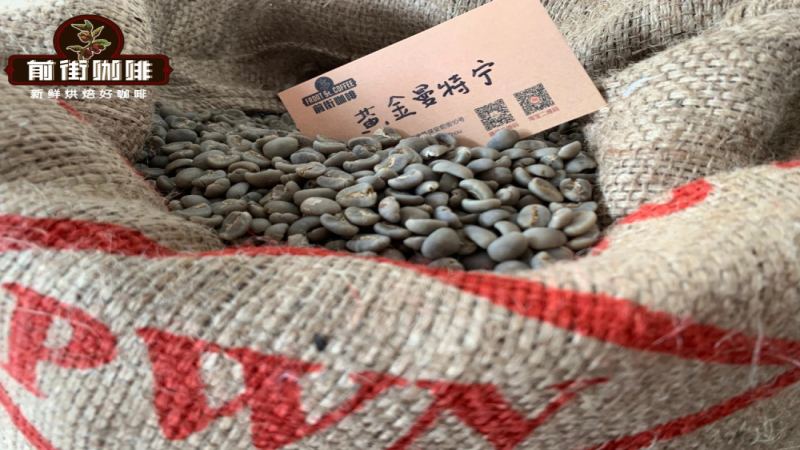
How does the coffee process shape Mandheling flavor?
Mandheling comes from Sumatra and is defined by its coffee process, known as wet hulling or giling basah. Farmers remove the parchment while the beans are still damp, which speeds drying and gives the coffee its signature low acidity, heavy body, and notes of cedar, dark chocolate, and earthy spice. The result is unlike washed coffees.
For pour-over, Mandheling rewards a slightly coarser grind and lower water temperature, around 88 to 92 degrees Celsius, to avoid over-extraction. A 1:15 ratio works well. Expect a syrupy cup with mild bitterness and a long finish. The Golden Mandheling grade, sorted for uniformity, tends to brew more consistently than standard lots.
Mandheling sits at the lowest end of the acidity spectrum in specialty coffee, and this unique mouthfeel is largely thanks to Indonesia's distinctive wet-hulling process. Starting from Front Street Mandheling pour-over methods, this article systematically walks through the seven steps of wet hulling and their impact on flavor, and provides a detailed introduction to Front Street Indonesia·Golden Mandheling coffee beans, including origin information, brewing parameters, and specific techniques. Whether you are a beginner just getting into pour-over or a coffee enthusiast wanting to understand the intricacies of wet hulling, you will find practical reference and inspiration here.
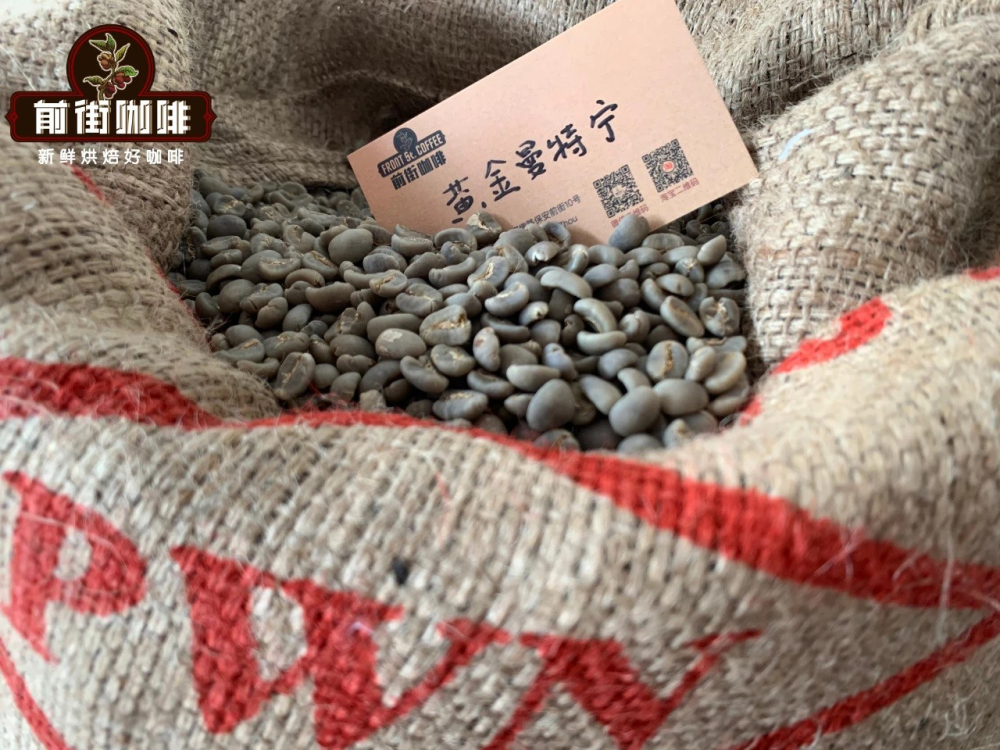
Front Street Mandheling Pour-Over Coffee Method Sharing
In the acidity spectrum of specialty coffee, Mandheling occupies the very low-acid end. There are many flavor types in specialty coffee, but for beginners who lack training or drink coffee infrequently, identifying these flavors in a short time is not easy, let alone distinguishing them one by one.
However, people tend to be particularly sensitive to the perception of "sourness." Because of this, using differences in acidity levels to identify the flavor characteristics of different coffee beans is the easiest entry point. The fact that Front Street Mandheling coffee can present such a mouthfeel is largely due to the unique green bean processing method it adopts—wet hulling.
After coffee cherries are harvested, they must undergo a series of processing steps before they become export-ready green beans. These processing methods vary by region, depending on local water resources, temperature, humidity, and sunlight. Looking at the world's major coffee-producing regions—Africa, South America, and Asia—the common processing methods can be broadly summarized as follows: natural process, washed process (including semi-washed), honey process, and wet-hulled process.
The Indonesian wet-hulling method, known in English as Wet Hulling and in the local language as Giling Basah, is a traditional coffee processing technique that Indonesia has used for a long time. Compared with other common processing methods, coffee processed by wet hulling often has a full body, strong impact, and a highly recognizable style.
The choice of green bean processing method is usually closely related to the region's climate conditions and natural resources. The natural process is mostly used in dry, high-temperature areas with scarce water resources; the washed process is common in areas with easy access to water. The birth of wet hulling was precisely to cope with Indonesia's humid and rainy climate.
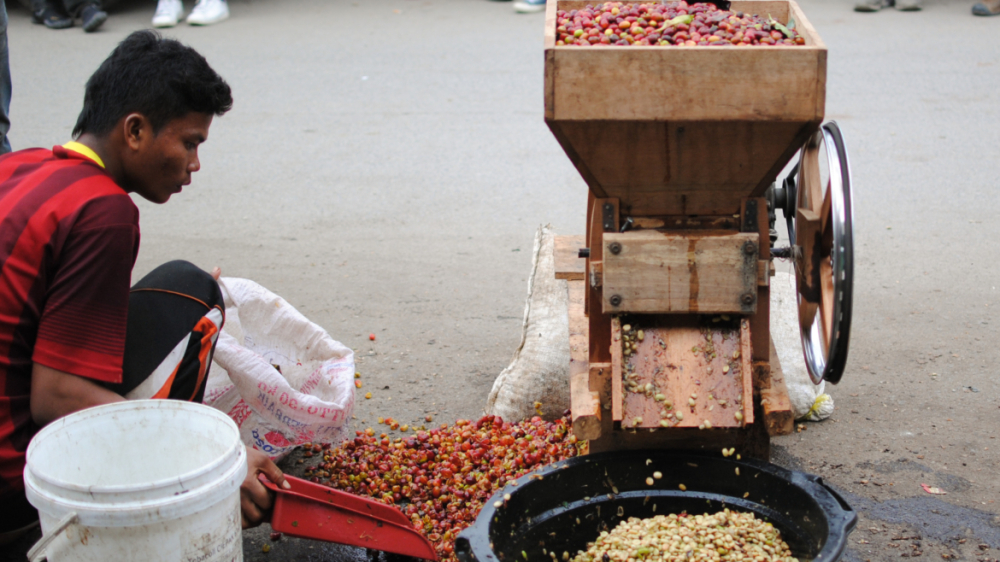
Steps of the Wet-Hulling Process
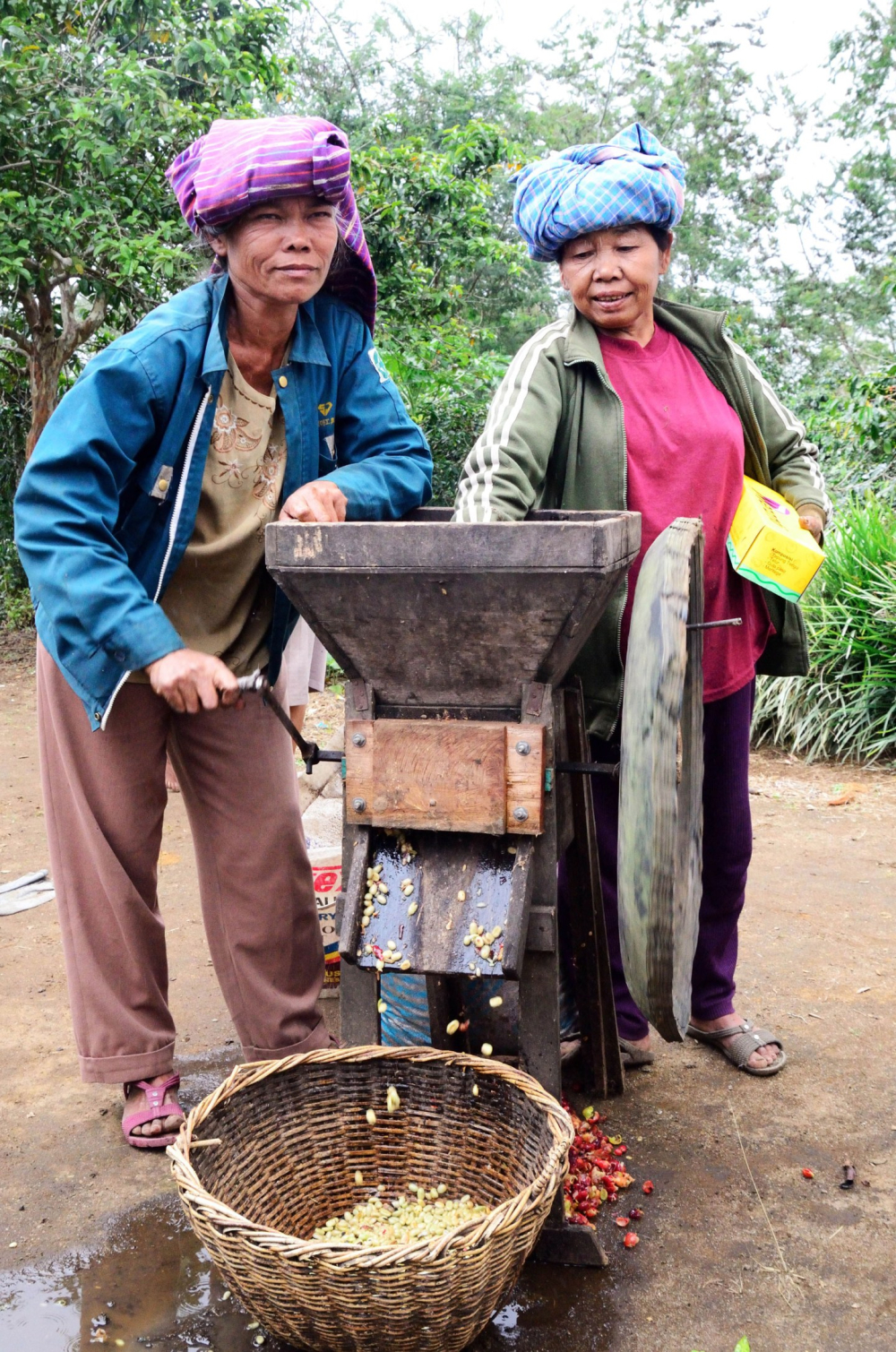
1) Remove the skin and pulp, keeping the parchment and mucilage
2) Ferment in a water tank
3) Wash off the mucilage
4) Sun-dry with parchment for 2-3 days, to a moisture content of 20-24%
5) Hull off the parchment
6) Dry the green beans to a moisture content of 12-13%
7) Prepare for export
Flavor Characteristics of Wet-Hulled Coffee
Indonesia's climate conditions mean that local coffee needs to undergo multiple drying stages, and combined with the step of removing the parchment before final drying, these factors together give wet-hulled coffee its unique flavors of lower acidity, full body, and herbal spice notes. However, this method also has a shortcoming, namely relatively poor quality consistency.
Front Street Indonesia·Golden Mandheling Coffee Beans
Company: PWN
Region: Sumatra
Altitude: 1100-1600m
Variety: Typica
Processing Method: Wet Hulling
Brewing Parameters
Dripper: KONO
Water Temperature: 88-90℃
Coffee-to-Water Ratio: 1:15
Grind Size: Medium grind (70% passing rate on a No. 20 standard sieve)
Brewing Technique: For the first pour, use 30 grams of water for blooming, with a blooming time of about 30 seconds; for the second pour, add water in stages until it reaches 125 grams, then when the water level is about to drop and expose the coffee bed, continue with the third pour until it reaches 225 grams; when the water level is about to drop and expose the coffee bed, remove the dripper. (Start timing from the beginning of blooming.) Extraction time is 2 minutes.
Flavor Description: Layered and varied, full-bodied and clean, with high balance, strong nutty and chocolate flavors, rich spice and caramel aroma, fruity notes, and a long finish.
The above content is compiled by CoffeeHunters, a coffee news website.


