







How Does Wet-Hulling Shape Mandheling Coffee Flavor?
Mandheling coffee gets its herbal aroma, full body, and smoky notes from wet-hulling, an Indonesian method that removes the parchment layer from the green coffee bean before drying is complete. Most other processes wait until the coffee is nearly ready for export to strip parchment. Removing it early exposes the bean to humid air during the final drying stage, which drives the deep, low-toned flavor associated with the region.
Indonesia's year-round heat and humidity, with air moisture between 70% and 90%, make full sun-drying impractical, so wet-hulling developed through trial and error. Beans are washed, then dried in parchment for one to two days until moisture drops to a workable level. From there the parchment comes off, and grading of the green coffee beans follows Indonesia's own system, which differs from washed-process standards.
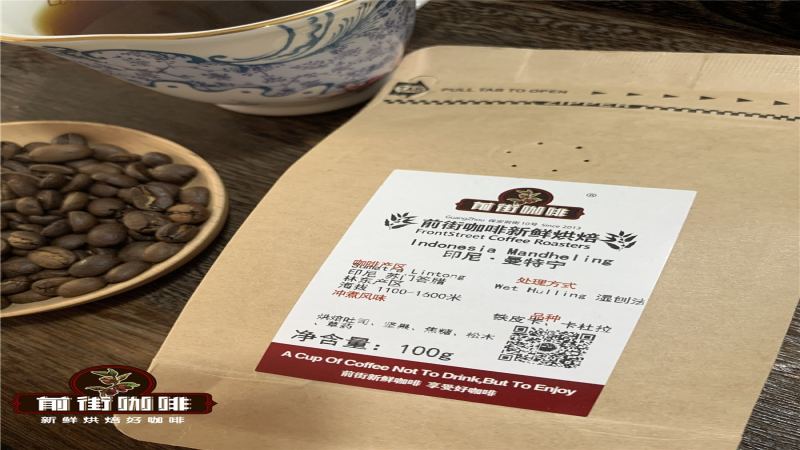
Mandheling coffee is known for its herbal aroma, full body, and smoky notes, and the root of this distinctive flavor lies in the wet-hulling method used locally in Indonesia. What exactly makes wet-hulling so special? How does it differ from the conventional washed process? Why did Indonesia develop this processing method? This article will walk through the complete wet-hulling process, analyze the causes behind Mandheling's signature flavor, and explain Indonesia's green coffee bean grading system. At the same time, the article retains information on two Mandheling products regularly sold by Front Street Coffee, including the Lintong region everyday drinking beans and the Aceh region PWN Golden Mandheling, for coffee enthusiasts' reference.
Introduction Anyone who has tasted Mandheling will likely remember its herbal note. This coffee is usually roasted to a relatively dark level, the aim being to suppress acidity in exchange for a fuller body and caramel-like sweetness, mixed with grassy, spicy, and the deep, low tones of pine wood. Front Street Coffee believes that the key to Mandheling forming such a distinct personality lies in the wet-hulling method used locally in Indonesia.
What exactly makes wet-hulling so special? You can probably guess a little just from the literal meaning. So-called wet-hulling refers to removing a layer of material from the green coffee bean before it has finished drying, and this layer is the coffee bean's parchment, also called the endocarp. Other processing methods often wait until the coffee is ready for export before removing the parchment, but what makes wet-hulling different is that it removes this parchment layer already during the processing stage.
Why does Indonesia use wet-hulling? Indonesia has high temperatures year-round, heavy humidity, short sunshine hours, and air humidity that stays between 70% and 90% all year. Trying to process coffee entirely by sun-drying is clearly impractical. Take Sumatra as an example: the weather changes at any moment, and even if you take the washed route, it is very difficult to string together a continuous week of fine weather to complete drying. Wet-hulling was developed through trial and error under these conditions. First, the washed processing steps are completed, then the coffee beans still with parchment are laid out in the sun for one to two days, and once the moisture content drops to 30% to 50%, the parchment is removed and sun-drying continues. In this way, the drying speed of the coffee beans is noticeably accelerated, and the time required is greatly compressed.
The wet-hulling process ① After harvesting ripe coffee cherries, flotation is performed first; cherries with lower density float on the water surface, and these are poor-quality cherries.
② Remove the outer skin and pulp of the coffee cherry, place the beans in a clean water tank to soak and ferment for 12 to 36 hours (the specific duration depends on the situation), with the aim of breaking down and removing the mucilage layer attached to the bean surface. Up to this point, the process is the same as the washed process.
③ Spread the coffee beans with parchment in the sun to dry for one to two days. If both days are sunny, the bean moisture content will roughly fall between 30% and 50%, and at this point the coffee beans are in a semi-soft, semi-hard state.
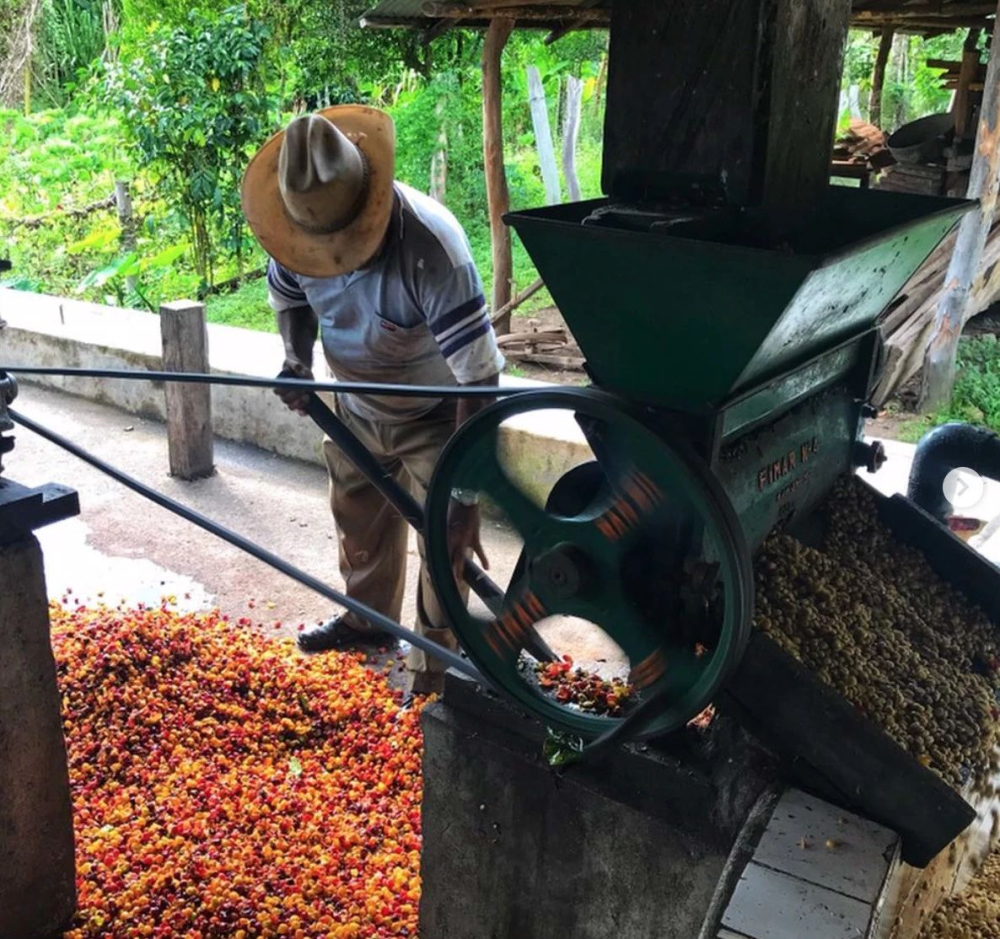
④ Next, use a huller to remove the parchment, then after about two more days of sun-drying, the coffee bean moisture content can basically drop to 12%. This processing method significantly shortens the overall time required, and for Indonesia, where the weather is unpredictable, wet-hulling can better ensure that coffee processing is completed smoothly.
Mandheling's flavor characteristics Mandheling is easy to recognize whether by flavor or by bean appearance. Wet-hulling removes the parchment while the beans are in a semi-soft, semi-hard state, and they then undergo intense sun-drying, so the beans easily crack and form a shape similar to a "goat's hoof," which is why they are also called goat-hoof beans; this is not considered a defective bean. In addition, wet-hulling greatly compresses the drying time, making the coffee's acidity noticeably weaker, significantly increasing body, highlighting caramel aroma, and also carrying a hint of fresh herbal note.
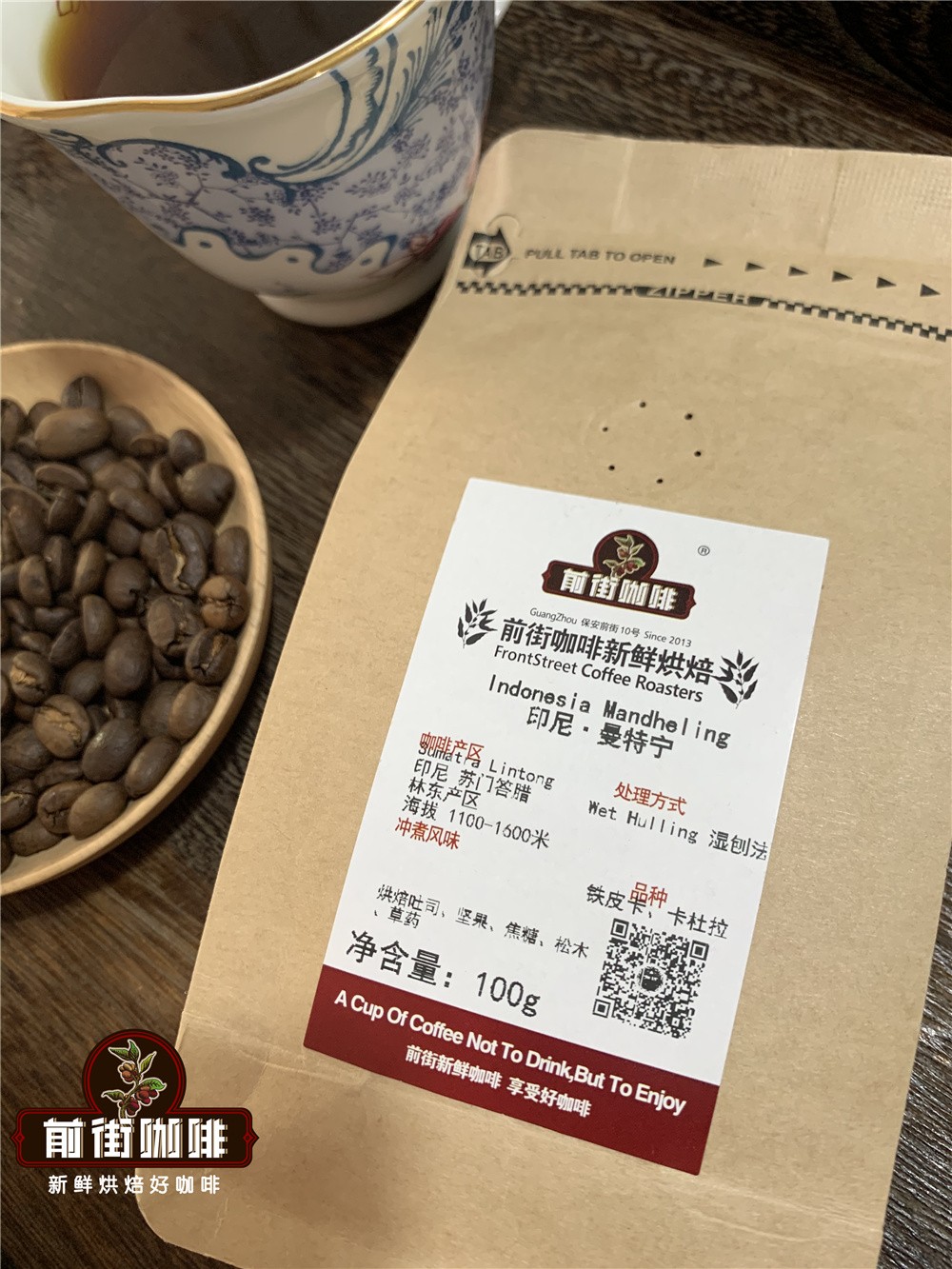
Wet-hulling indeed gives Mandheling its unique herbal and woody aromas, but at the same time it also leads to a relatively high defect rate in green beans. Dark roasting happens to be able to cover up these flaws. Furthermore, Mandheling's fame was first brought out by the Japanese, and given their taste preferences, Japanese-style dark roasting is most favored, which is also why most Mandheling on the market is roasted relatively dark. What Front Street Coffee wants to present is the classic Mandheling flavor, so the two Mandheling coffees regularly sold are both medium-dark roasted, namely the Lintong region Mandheling everyday drinking beans and the Aceh region Front Street Coffee PWN Golden Mandheling coffee beans.
The grading of Indonesian green coffee beans is mainly based on the number of defective beans, with screen size as a secondary reference. Basic requirements include: no live insects, no moldy, rotten, or stinking beans, maximum moisture content of 12.5%, and impurity rate below 0.5%. According to defect rate, there are six grades in total, of which the highest grade, G1, requires fewer than 11 defective beans in total in a 300-gram sample. The Lintong Mandheling in Front Street Coffee's everyday drinking bean series is G1, uses the wet-hulling processing method, and presents the conventional version of Indonesian Mandheling flavor.
PWN, which carries screening to the extreme, purchases Mandheling green beans of 18 screen size and above, at the G1 grade with fewer than 3 defective beans in a 300-gram sample, which is the highest level for Indonesian green beans. After that, it also strictly follows standards by carrying out 1 machine sorting plus 3 rounds of manual picking of defective beans, ensuring that the shape and size of the Mandheling coffee beans are uniform and consistent. In addition, before packaging, PWN also sends the green beans through a machine for density and color-difference screening, making Golden Mandheling uniform and translucent in color.
For coffee like Golden Mandheling with a heavy body and distinct regional flavor, Front Street Coffee recommends extracting and drinking it as pour-over black coffee, which allows you to better experience the coffee's aroma. The coffee beans shipped by Front Street Coffee are all freshly roasted within 5 days, ensuring that when you receive them they are still at their best freshness stage, adding more layers to the flavor in the cup.
For professional coffee knowledge exchange and more coffee bean information, please follow Coffee Workshop (WeChat public account cafe_style).
For more specialty coffee beans, please add the private WeChat of Front Street Coffee (FrontStreet Coffee), WeChat ID: qjcoffeex
The above content is compiled by CoffeeHunters, a coffee news website.


