







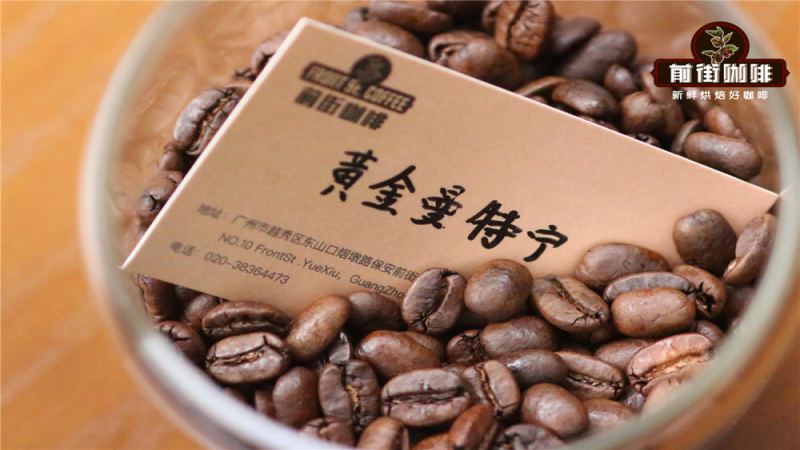
Why does Golden Mandheling taste so full-bodied?
Golden Mandheling comes from Gayo Mountain in Aceh, Sumatra, grown at 1,100 to 1,600 meters from the Ateng variety and graded G1 with three rounds of hand sorting. The beans are wet-hulled, a process that helps produce the herbal, full-bodied cup and earthy Indonesian coffee tasting notes that drinkers notice first.
Wet-hulling, known locally as Giling Basah, ferments the beans in a washed style, dries them partially, removes the parchment by machine, then dries them again so they enter storage bare. Indonesia's humid, rainy climate makes long sun drying difficult, so this semi-washed method became the practical choice for the region.
Mandheling is the representative of Indonesian coffee, and Golden Mandheling is the finest among them. Many coffee enthusiasts, after tasting Front Street PWN Golden Mandheling, are curious: how much does this coffee bean cost? Why does it have a unique herbal and full-bodied flavor? How exactly is Indonesia's unique wet-hulling process carried out? This article will systematically sort out the knowledge related to Golden Mandheling, from producing region information, the origin and steps of the wet-hulling process, to the appearance characteristics of green beans and flavor performance, and share the correct brewing approach to help readers understand this classic coffee more comprehensively.
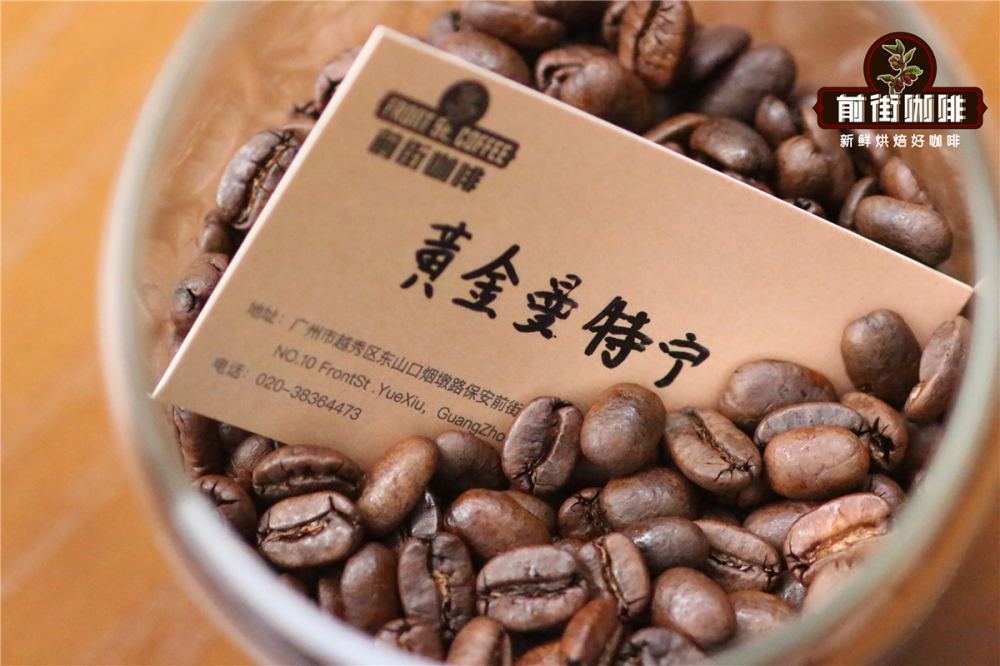
Front Street PWN Golden Mandheling Coffee Beans Producing Region: Gayo Mountain, Aceh, Sumatra Altitude: 1100-1600 meters Variety: Ateng Grade: G1, 3 times hand-sorted Processing Method: Wet-hulled
What is the difference between wet-hulling and washed processing?
Many people have this question after drinking a cup of Front Street PWN Golden Mandheling. Why do coffee beans produced in Indonesia generally use wet-hulling rather than washed or natural methods? Next, Front Street will explain what wet-hulling actually is.
What is wet-hulling? Wet-hulling, also called Wet Hulling, is known locally as Giling Basah. It is a processing method unique to Indonesian producing regions and is sometimes classified as a semi-washed processing method. Its difference from the washed method lies in this: the washed method retains the mucilage for fermentation first, then rinses off the remaining mucilage with clean water, followed by direct sun drying, and the coffee beans are stored together with parchment; the wet-hulling method first ferments in a washed manner, then undergoes partial drying, then uses a machine to remove the parchment, and finally dries again, so the coffee beans enter storage "bare."
Why does Indonesia choose the wet-hulling method to process green coffee beans? The choice of processing method usually depends on local climate and resource conditions. The natural method is mostly used in dry, high-temperature, water-scarce areas; the washed method is common in areas rich in water resources. Indonesia is humid and rainy, making long sun drying difficult to achieve, so wet-hulling became a more feasible option. Front Street believes that wet-hulling can give Indonesian coffee beans a fuller flavor while making herbal and spicy notes more prominent. Detailed explanation of the wet-hulling process
1. Peeling/Pulping
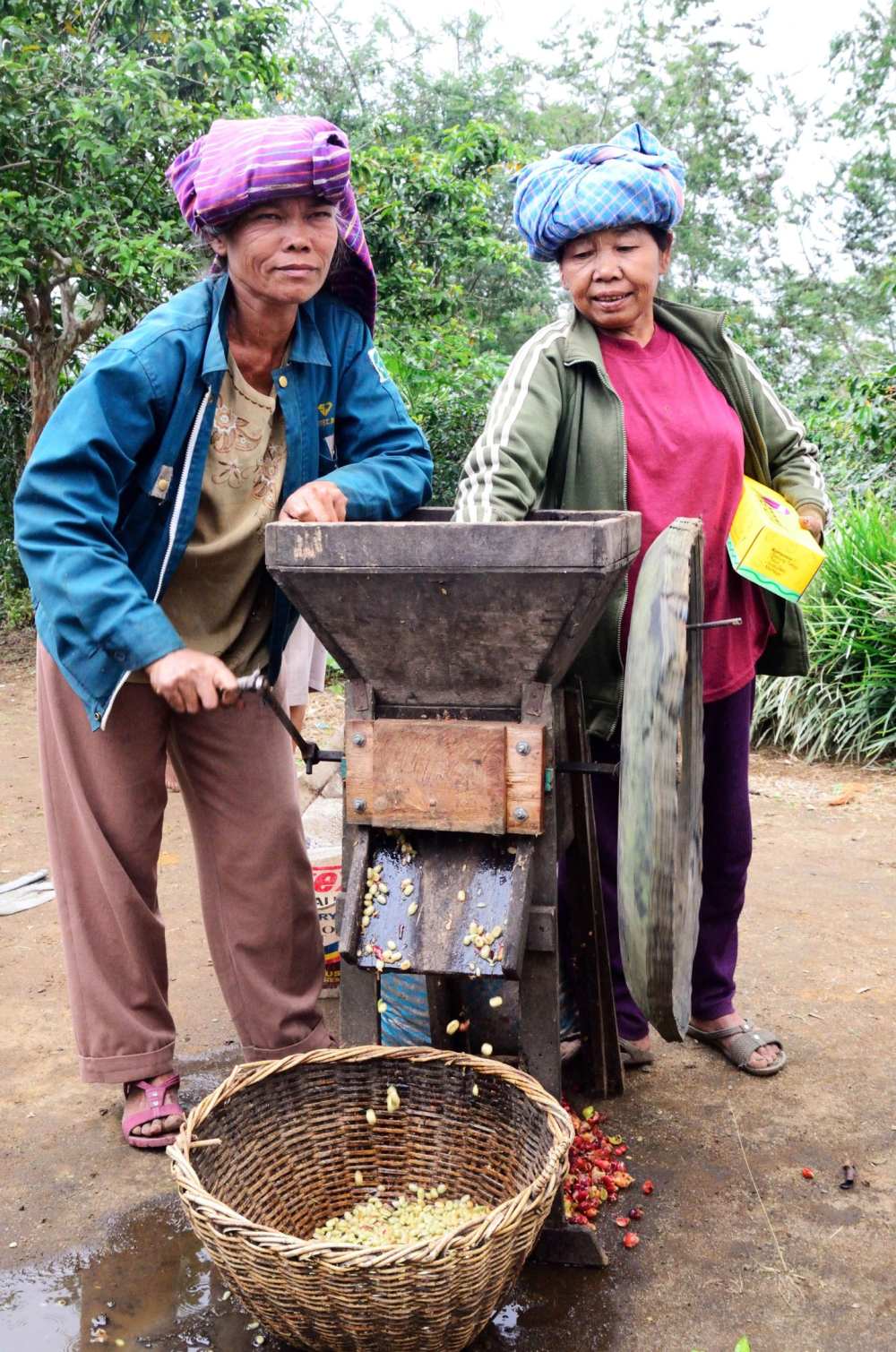
As with the washed method, the harvested coffee cherries need to be processed as soon as possible. In Indonesia, the cherries are usually peeled and pulped by smallholders themselves, and this step removes the skin and part of the pulp.
2. Washing
The peeled coffee beans are soaked in water for one to two hours and rubbed against each other to remove part of the mucilage.
3. Drying
After soaking, the beans undergo their first drying at the farmers' homes, when the moisture content drops to between 20% and 35%.
4. Collection
After the first drying, the coffee beans are sent to market for sale. At this point the mucilage layer has not yet solidified, and the beans are sticky. These beans are purchased and collectively sent to a processing plant for further processing.
5. Drying
After arriving at the processing plant, the coffee beans first undergo a second drying, and the moisture content drops to about 18%.
6. Peeling/Wet Hulling
After the second drying, the beans are sent to a huller for wet-hulling to remove the mucilage and parchment layer. What makes wet-hulling special is that it removes the parchment layer before final drying; while processing methods such as the washed method retain the parchment layer during drying and only remove it before export transportation.
7. Drying & Storage
Finally, the coffee beans are once again sent to the drying yard for final drying, and the moisture content drops to 11%. Once drying is complete, the beans are bagged and stored, waiting for export.
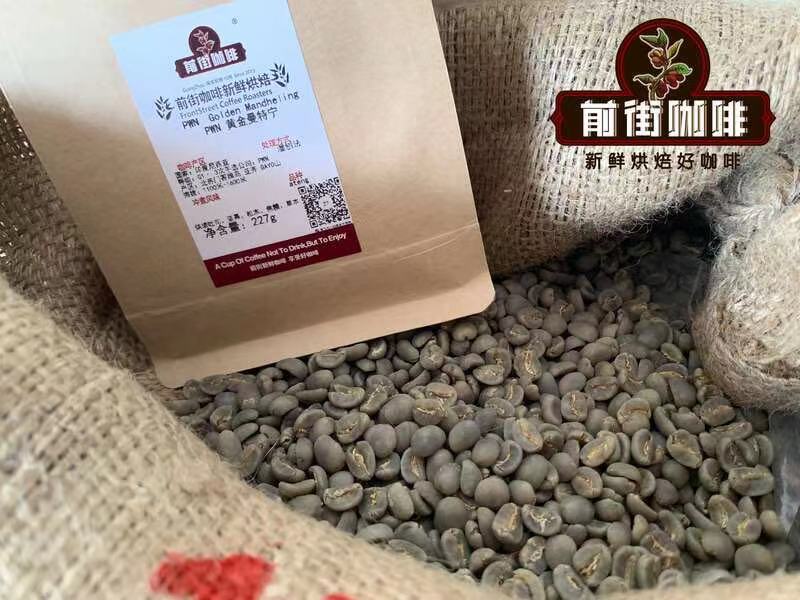
Appearance characteristics of green beans processed by wet-hulling After obtaining several lots of wet-hulled Mandheling green beans, Front Street found that they all share one common feature—"goat hoof shape." This is because the semi-hard, semi-soft moist green beans are easily crushed when the mucilage and parchment layer are hulled by machine, and the beans split in a shape resembling a goat's hoof, hence the common name goat hoof bean. The "goat hoof shape" is a notable mark of Mandheling and is not considered a defective bean.
Flavor characteristics of coffee beans processed by wet-hulling Teacher Han Huaizong once described the flavor of wet-hulled coffee beans in a book: "This is also a rare processing method in the world, and by accident it created Mandheling's special low acidity, thick body, and brooding aroma."
Front Street Mandheling using the wet-hulling method has lower acidity, a thick mouthfeel, and unique flavors such as herbal spices, but its drawback is that quality may not be stable enough. Of course, quality fluctuations cannot be entirely blamed on wet-hulling; in most cases, they may be related to the less-than-ideal quality of some green coffee beans themselves.
The above content is compiled by CoffeeHunters, a coffee news website.


