







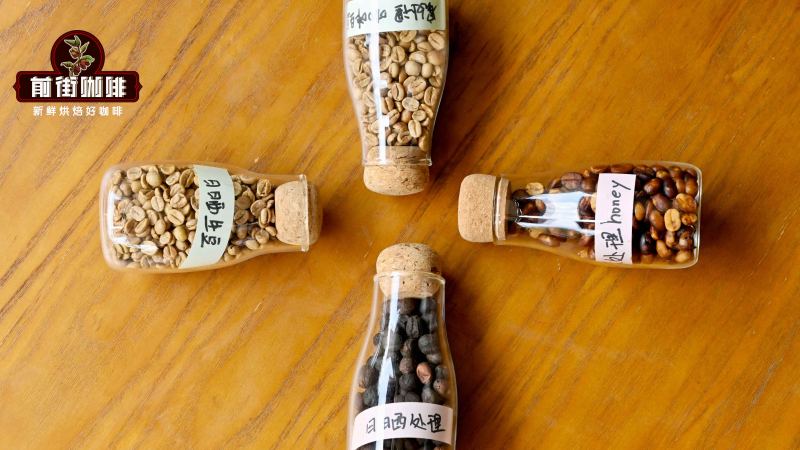
How does coffee processing shape Mandheling flavor?
Coffee processing shapes the final flavor of green beans, and Sumatra developed the wet-hulled method, distinct from natural and washed processing. The article walks through the full sequence: depulping, short soaking, staged drying, wet-hulling, and parchment removal, explaining how each step affects flavor.
Wet-hulled processing is common across Indonesia and differs from conventional methods. Washed, honey, and natural coffees usually keep the parchment layer until the bean dehydrates below 12 percent moisture or ages for one to three months, but the wet-hulled method removes parchment while moisture is still 30 to 35 percent. Front Street Golden Mandheling uses this approach.
The coffee processing method determines the final flavor direction of green beans, and Indonesia's Sumatra island, due to its unique climatic conditions, developed the wet-hulled method that is completely different from natural and washed processing. In this article, Front Street Coffee systematically sorts out the complete process of the wet-hulled method, from depulping and pulping, short soaking, staged drying, to wet-hulling and removal of parchment, dissecting the impact of each step on flavor one by one. The article will also explain the cause of the iconic "goat hoof" appearance of wet-hulled Mandheling green beans, and share the brewing parameters and actual taste performance of Front Street Golden Mandheling, helping coffee lovers fully understand the uniqueness of this classic Indonesian coffee.
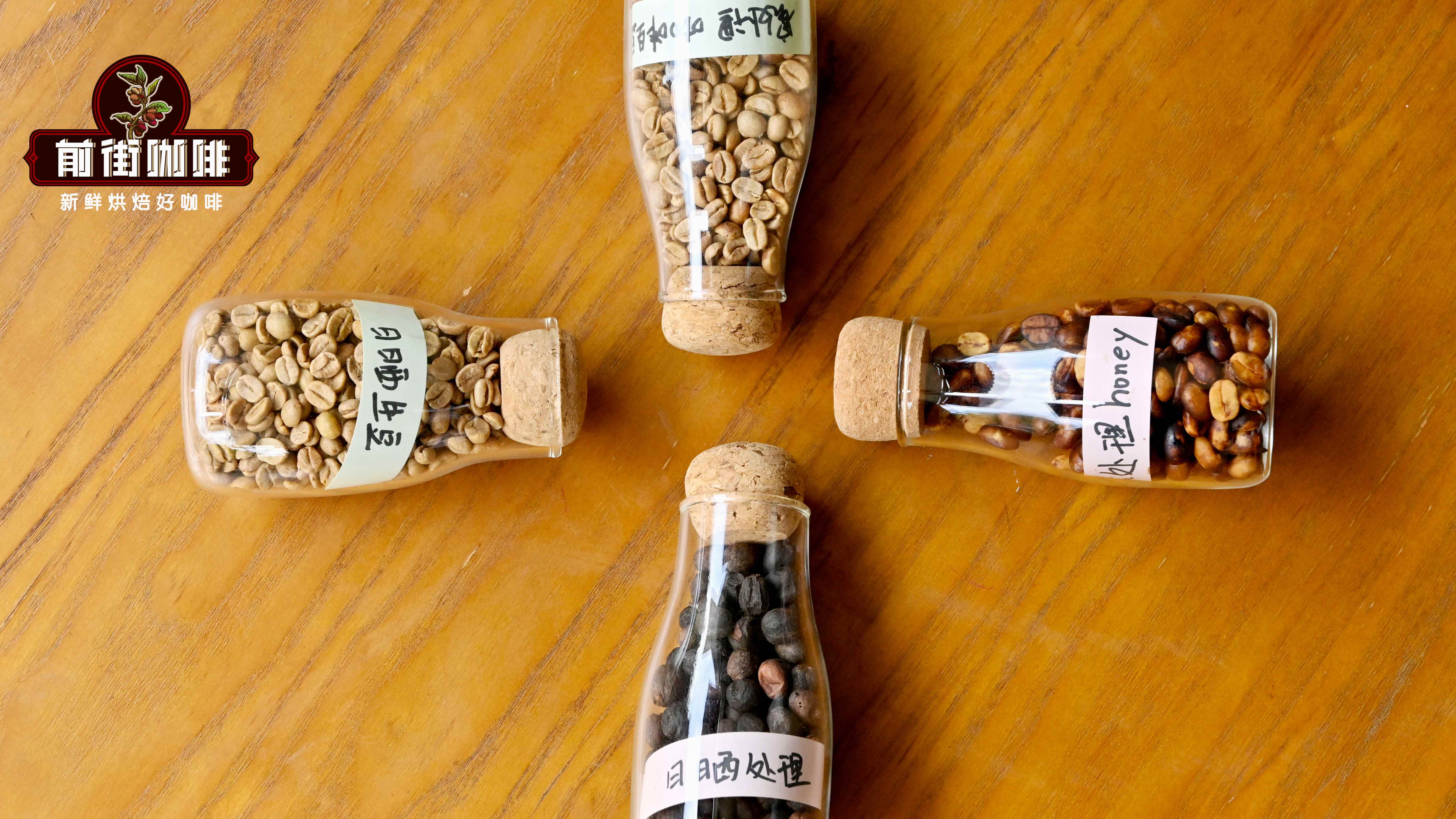
Front Street Coffee often shares with everyone in articles that the so-called coffee processing method is actually the entire processing process of converting coffee cherries into green coffee beans (that is, seeds). Usually, mainstream processing methods can be classified into three categories: natural method, washed method, and transitional processing methods between the two—among which are semi-washed (that is, wet-hulled), Brazilian pulped natural, and honey processing.
The steps of the natural method are: selecting beans - drying - hulling - screening and grading.
The steps of the washed method are: selecting beans - removing pulp - fermentation - washing - drying - hulling - sorting and grading.
"Wet-hulled Method"
The wet-hulled processing method is extremely common in Indonesia, and its operation is different from conventional washed and natural methods. What Front Street Mandheling uses is precisely this unique wet-hulled processing method, so its flavor performance is also different from semi-washed or semi-natural coffee in the general sense.
Whether it is washed, honey, or natural processing, the parchment layer of coffee beans is usually retained until the bean body has completed dehydration and hardened, with moisture content dropping below 12%, or after being sealed and stored for 1 to 3 months of aging, before it is removed by grinding.
However, the wet-hulled method does the opposite. When the bean body is still moist and soft, with moisture content at 30% to 35%, it first removes the parchment layer, leaving the surface of the green bean directly exposed, and then continues sun-drying. This practice originates from the humid and rainy climate conditions of Sumatra island in Indonesia, and is a local solution developed according to local conditions. The core purpose is to speed up drying. However, while the drying cycle is compressed, the fermentation time of the coffee beans is also shortened, so acidity is greatly reduced, and body is correspondingly enhanced. In addition, because the beans are directly exposed to humid air, herbal and woody notes gradually develop. After roasting, the coffee presents clear caramel and fruity aromas, which is precisely Mandheling's unique "taste of place."
Detailed Explanation of the Wet-Hulled Processing Method Process
1. Depulping/Pulping
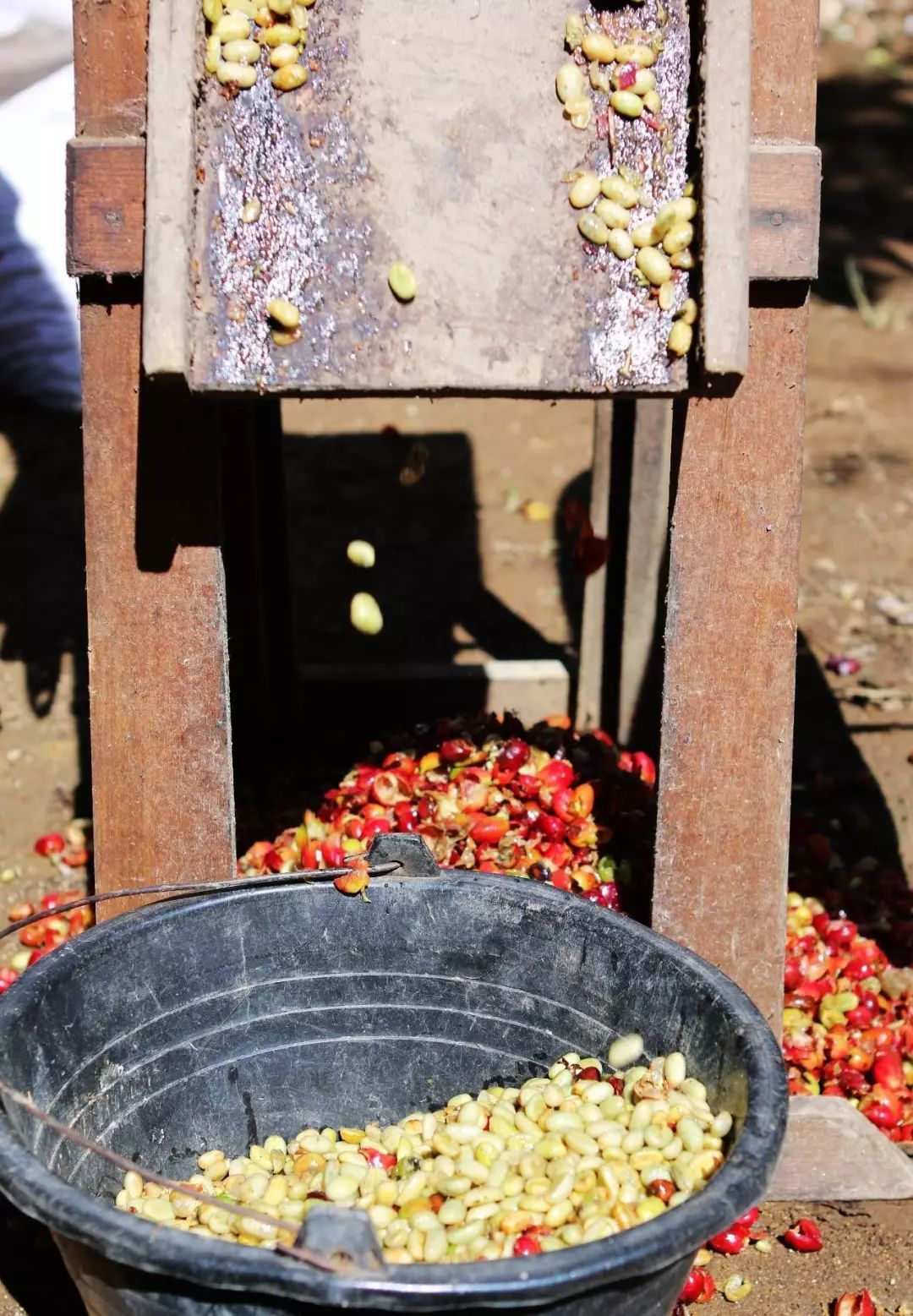
As with washed processing, harvested coffee cherries need to enter the processing stage as soon as possible. In Indonesia, coffee cherries are usually depulped and pulped by smallholders at home. This step removes the outer skin of the cherries and part of the pulp.
2. Washing
After depulping, the coffee beans are placed in water to soak for 1 to 2 hours, while the friction between the beans is used to remove part of the mucilage.
3. Drying
After soaking, the coffee beans complete their first drying at the farmer's home. At this point, the moisture content of the coffee beans drops to between 20% and 35%.
4. Collection
After the first drying, the coffee beans are taken to the market for sale. At this time, the mucilage layer on the surface of the beans has not yet solidified, and the whole bean appears sticky. These coffee beans are collected by buyers and uniformly sent to a processing plant for subsequent processing.
5. Drying
The coffee beans that have been collected and transported to the processing plant first undergo a second drying. This step can further reduce the moisture content to about 18%.
6. Depulping/Wet Hulling
After completing the second drying, the coffee beans are sent into a hulling machine for wet-hulling processing. This stage removes the coffee's mucilage and parchment layer. The biggest difference from other processing methods is that the wet-hulled method removes the parchment layer before the coffee beans are finally dried, while washed processing and other methods retain the parchment layer for drying, and only remove it before export transportation.
7. Drying & Storage
Finally, the coffee beans are sent again to the drying yard for final drying. This step reduces the moisture content to 11%. The dried coffee beans are then bagged and stored in warehouses awaiting export transportation.
Appearance Characteristics of Green Beans from the Wet-Hulled Processing Method
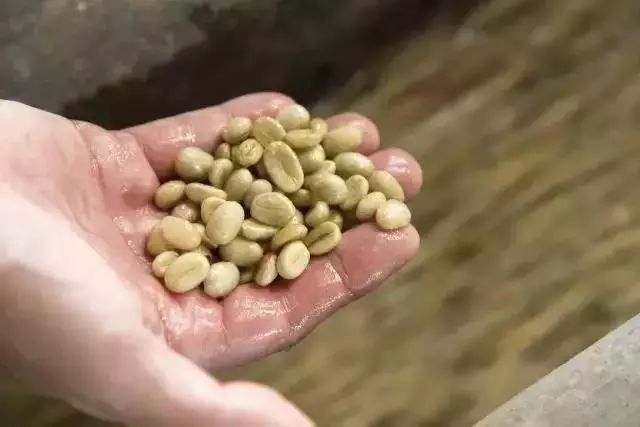
After receiving multiple lots of wet-hulled Mandheling green coffee beans, Front Street noticed that they all shared a common bean appearance characteristic—"goat hoof shape." This is because semi-hard and semi-soft moist green beans are easily squeezed and damaged when the mucilage and parchment layer are removed by machine. After being crushed and cracked, the beans look like goat hooves, hence the common name goat hoof beans. "Goat hoof shape" is a very conspicuous marker of Mandheling and is not a defective bean.
If you want to taste specialty coffee processed by the wet-hulled method, Front Street Golden Mandheling is the first choice. It has undergone three hand sortings plus one machine sorting, controlling the defect rate to an extremely low level, thereby making the coffee beans' taste both clean and pure.
Front Street Golden Mandheling is grown on slopes at an altitude of about 1,500 meters. The hot and humid tropical rainforest climate brings abundant rainfall, while volcanic soil provides rich nutrients. However, because the local area is humid year-round, using the [wet-hulled method] effectively shortens the drying time. When brewing, it is recommended to use a water temperature of 88–89°C, a grind size like granulated sugar, paired with a Kono dripper, a water-to-coffee ratio of 1:15, bloom for 30 seconds, and then perform a one-pour brewing. The finished cup will present obvious dark chocolate and creamy notes, and the cleanliness is also quite outstanding.
The above content is compiled by CoffeeHunters, a coffee news website.


