







How Does the Wet-Hulling Coffee Beans Process Work in Sumatra?
Mandheling's heavy body, low acidity and mellow herbal aroma come from wet hulling, a semi-washed method used in Sumatra, Indonesia. Humidity there stays between 70 and 90 percent year-round and annual rainfall exceeds 2000mm, so drying parchment to target moisture is slow and difficult. The coffee beans process was shortened by removing parchment while the beans are still soft and moist.
Wet hulling, called Giling Basah in Indonesian, differs from traditional washing because the parchment layer is stripped off early rather than after full drying. Only Aceh and North Sumatra provinces grow Arabica at scale. After a deep roast Mandheling shows lingering bitterness, an elegant sweetness and aged-wood notes that trace back to this processing choice.
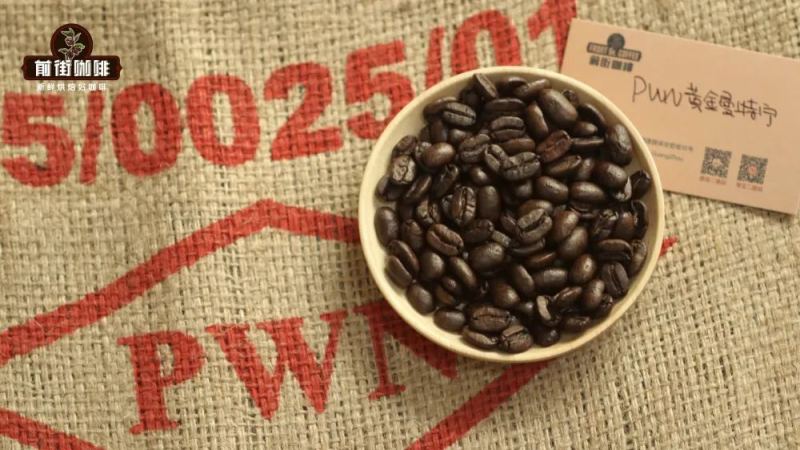
Mandheling, as the darkest-roasted single origin on Front Street Coffee's bean list, is known for its solid, full-bodied mouthfeel, low acidity, and unique mellow aroma. Why is it that among beans of the same medium-dark roast level, only Mandheling carries this intriguing flavor? The answer lies in the wet-hulled processing method of Sumatra, Indonesia. Local humidity stays between 70 and 90% year-round, with annual rainfall exceeding 2000mm. This harsh climate forced people to develop a unique semi-washed method—wet hulling. This article will analyze in detail the operational flow of wet hulling, its differences from traditional washing, and how it shapes Mandheling's signature herbal aroma, aged-wood notes, and regional flavor.
For more specialty coffee knowledge, please follow our WeChat public account: Front Street Coffee (FrontStreet Coffee)
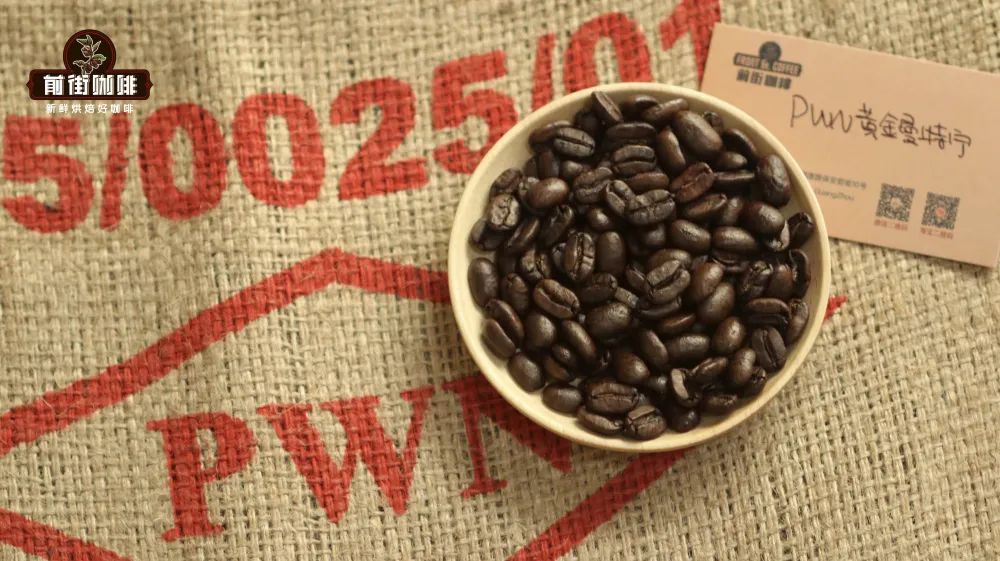
Among all the single origins on Front Street Coffee's bean list, Mandheling is the darkest-roasted one. It carries rich roast-type aromas, with a solid and full-bodied entry and relatively low acidity. After deep roasting, you can sense both a lingering bitterness and an elegant sweetness, while smell and taste simultaneously capture that unique mellow aroma, leaving an endless aftertaste.
At this point, some may wonder: among beans of the same medium-dark roast level, why is it that only Mandheling carries this special flavor?
Mandheling comes from the mysterious island of Sumatra in Indonesia. Sumatra is divided into eight provinces, but only the high-altitude Aceh Province and North Sumatra Province grow Arabica coffee on a large scale. What sets Indonesia drastically apart from many coffee-producing regions is its unpredictable, wet and rainy weather, with humidity maintained between 70 and 90% year-round. It is often clear and sunny in the morning, then pouring rain in the afternoon, and typhoons can arrive without warning. Annual rainfall even exceeds 2000mm.
Under such harsh climatic conditions, thoroughly drying parchment beans to the target moisture content is both difficult and time-consuming. Indonesia is also a major coffee-producing country oriented toward volume. To compress processing time and sell for cash as quickly as possible, locals developed a unique semi-washed method: wet hulling.
Wet Hulled, called "Giling Basah" in Indonesian, like traditional processing methods such as washed, natural, and honey, has been used in coffee production for many years. At present, wet-hulled coffee is still mainly produced in Indonesia, primarily in northern Sumatra and the Sulawesi producing regions.
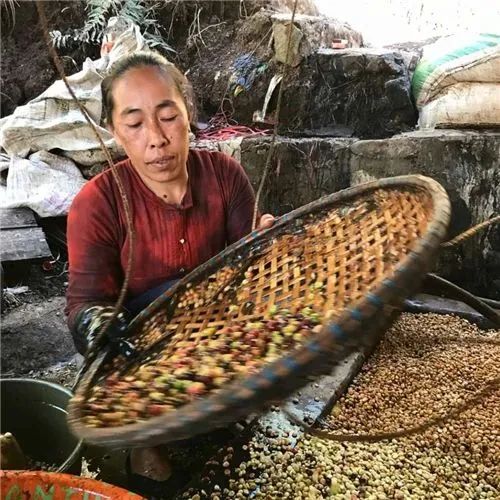
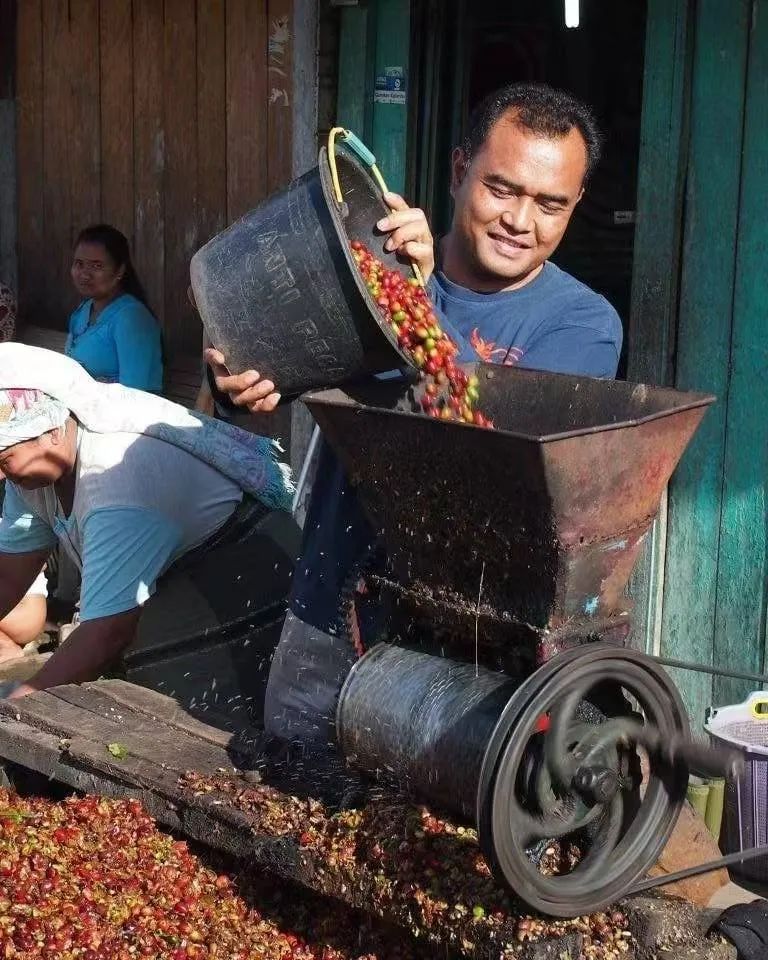
At first, natural processing also dominated here, but quality was inconsistent, so a semi-dry method similar to Brazil's was later adopted. Farmers first use a machine to remove the outer skin of the coffee cherries, pour them directly into a water tank, skim off defective parchment beans floating on the surface, then take out the sunken beans and put them into buckets for brief fermentation. Fermentation time depends on the specific situation and usually lasts only a few short hours. After fermentation ends, a small amount of mucilage still remains on the parchment, which must be scrubbed clean before the parchment beans are laid out outdoors to dry.
However, Indonesia is not as dry as Brazil. After removing the fruit skin and taking out the sticky parchment beans, they cannot be dried outdoors for several days—in Indonesia's hot and rainy climate, doing so would only make the beans mold directly, so at most they can barely be dried for one or two days.
When the moisture content of the parchment beans drops to 30–50%, they are bought by middlemen. At this point, the mucilage layer has not yet solidified, and the beans are still in a half-hard, half-soft state. They must promptly be sent back to the processing plant and run through specialized machines to grind off the parchment, lest excessive fermentation produce sourness and off-odors.
Hulling undried green beans is more difficult, so a more powerful huller is required
Under wet hulling, hulling is more difficult, and the machine must use greater friction to tear open the parchment layer clinging tightly to the green beans. At this stage, white or green viscous liquid usually flows out. Because the beans have been soaked in mucilage for a long time and are in a humid environment, the green beans ultimately become soft, pale, and swollen, forming a gray-green color. Under the stirring friction, the green beans are also more likely to be crushed or bruised, especially with small notches forming at both ends, shaped like goat hooves. This is precisely why Sumatra coffee has a relatively high proportion of goat-hoof beans.
You should know that coffee beans have four protective layers: fruit skin, mucilage, parchment, and silver skin. Wet hulling removes the third and fourth layers midway, which means coffee beans processed by wet hulling are directly exposing their "inner bean" to sunbathing.
After the parchment is ground off by machine, the beans continue to be dried until the moisture content reaches 12%–15%. Then the coffee beans can be packed into woven bags, usually 40 kg or 80 kg per bag. Finally, these green beans are collectively sent for machine sorting to remove various impurities and are graded by bean size.
Moreover, because all four protective layers are removed before drying, the beans are completely exposed in a "bare" state to the scorching sun or humid air, so the drying speed is very fast. Therefore, whether in fermentation time or drying time, wet hulling is shorter than the traditional washed process and also saves a great deal of labor.
Although wet hulling shortens the drying time of green beans, the roughness of the production steps also greatly increases the defect rate. First are the natural defects brought by coffee fruit harvesting, then the "crushing" during the hulling stage, as well as moisture damage during transport of wet parchment beans, and the harm done to exposed green beans by sunlight and moisture. Finally, uneven drying caused by irregular weather also drags down the flavor. This is the main reason high-grade Mandheling must undergo multiple rounds of hand sorting.
Operating directly exposed to a humid environment inevitably causes various strains of bacteria and fungi to grow on the inner bean, thereby affecting the final coffee quality. But interestingly, "contamination" is not entirely a bad thing; certain strains instead give Indonesian coffee a unique flavor. Some academic research suggests that the woody, grass-jelly-like, earthy, and spicy notes of Sumatra coffee are likely created by mold. Ultimately, through a series of Maillard reactions and caramelization reactions, the coffee beans convert substances into caramel and dark-chocolate-like aromas, presenting a highly recognizable mellow aroma, which is what we call "regional flavor."
From this, it can be seen that Mandheling's unique herbal aroma and aged-wood notes arise precisely because the local high humidity forces the entire post-processing into three different stages for drying the coffee beans.
The above content is compiled by CoffeeHunters, a coffee news website.


