







How does coffee processing shape Golden Mandheling flavor?
The wet-hulling method removes the parchment layer while the bean still holds 30 to 35 percent moisture, then lets the exposed green bean finish drying. Sumatra developed this approach for its humid climate, and it shortens fermentation, lowers acidity, and builds the heavy body and herbal, woody, caramel notes tied to Golden Mandheling.
Coffee processing normally keeps parchment on until moisture drops to about 12 percent, or after one to three months of resting. Wet-hulling skips that wait. Golden Mandheling then goes through three rounds of hand sorting and one machine sorting, giving a low defect rate, while the goat-hoof shape of wet-hulled beans should not be read as a flaw.
The coffee processing method determines the flavor direction of green beans. Among the three major categories—natural, washed, and semi-washed—the Indonesian island of Sumatra, due to its year-round humid climate, developed the unique wet-hulling method: removing the parchment layer while the bean still has a moisture content as high as 30% to 35%, leaving the green bean exposed to continue drying. This locally adapted technique shortens the fermentation period and reduces acidity, but enhances body and gives Mandheling its "taste of place" woven from herbal, woody, and caramel notes. Front Street Golden Mandheling is precisely processed this way, going through three rounds of hand sorting and one round of machine sorting, resulting in an extremely low defect rate and a clean, pure mouthfeel. This article will explain in detail the seven steps of the wet-hulling method and clarify why the distinctive "goat's hoof" appearance of wet-hulled beans should not be considered a defect.
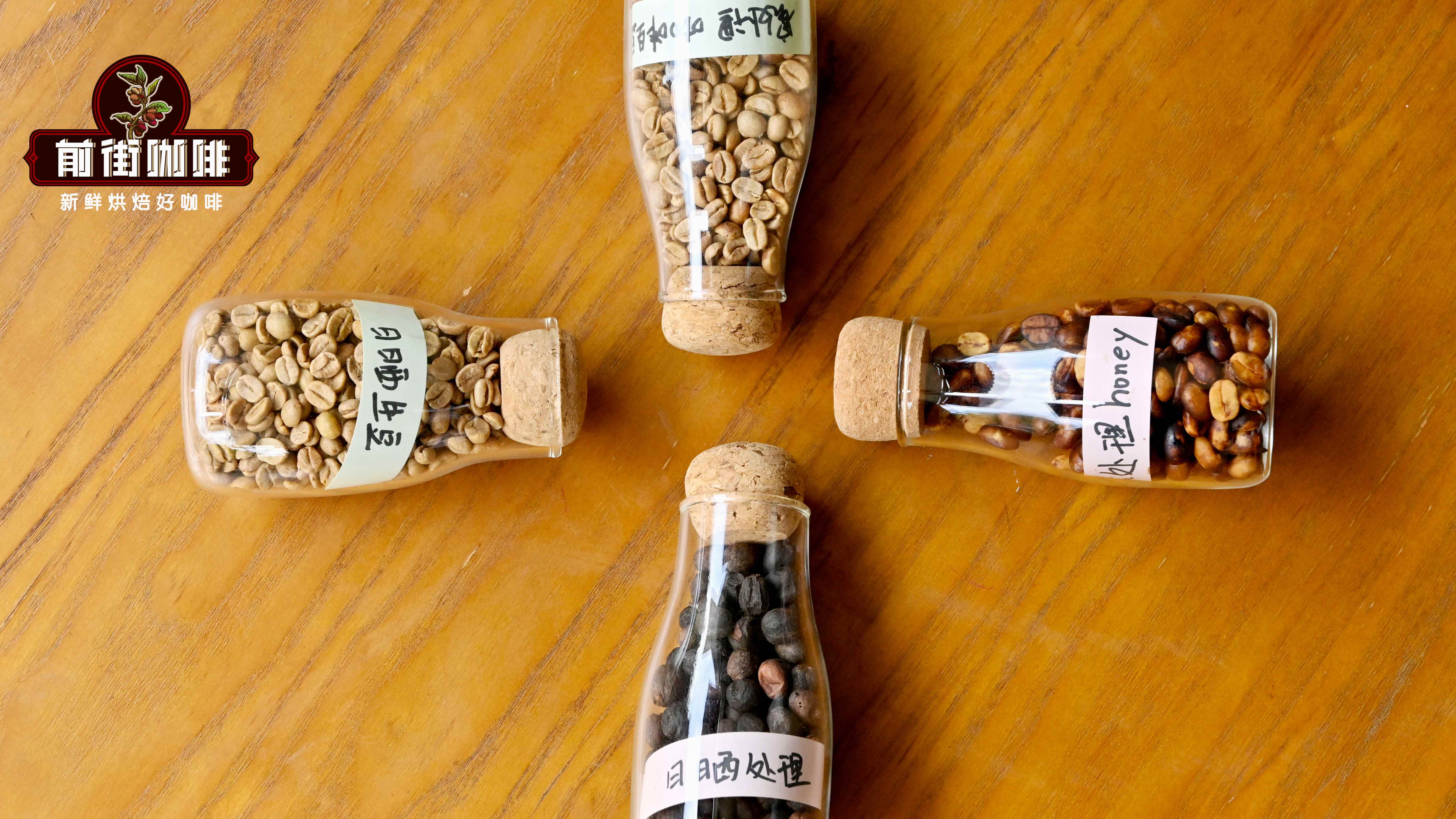
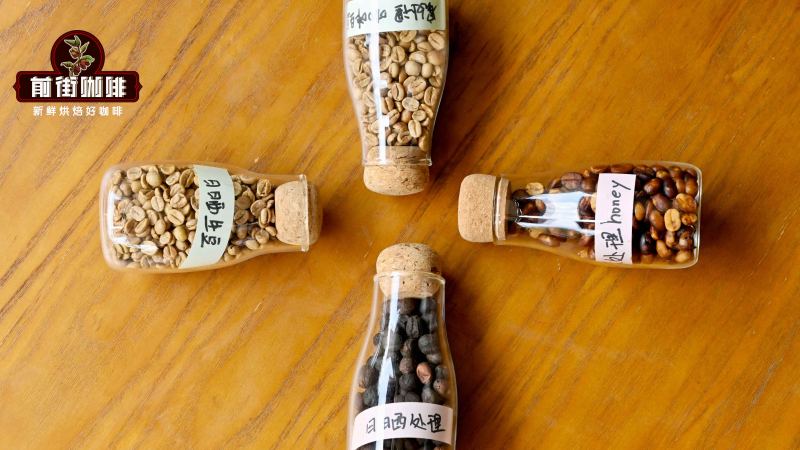
Front Street Coffee frequently explains in its articles that coffee processing refers to the process by which coffee cherries become green coffee beans (seeds). Generally speaking, there are three processing methods: natural, washed, and methods that fall between natural and washed—including semi-washed (wet-hulled), Brazilian pulped natural, and honey processing.
Natural method: selecting beans – drying – hulling – screening and grading.
Washed method: selecting beans – removing pulp – fermenting – washing – drying – hulling – sorting and grading.
"Wet-Hulling Method"
The wet-hulling method is very common in Indonesia and differs from typical washed and natural methods. Front Street Mandheling adopts the unique wet-hulling method, giving it a flavor distinct from typical semi-washed or semi-natural coffee.
In washed, honey, or natural beans, the parchment layer is retained until the bean body is fully dehydrated and hardened, with moisture content dropping to 12%, or until it has been stored in a warehouse for 1–3 months of aging before being removed.
But the wet-hulling method removes the parchment layer while the bean is still moist and soft, with moisture content as high as 30–35%, exposing the surface of the green bean directly before continuing to dry. This is a method developed by Sumatra, Indonesia, adapting to its humid climate, with the aim of accelerating drying. However, while the drying process is shortened, the fermentation period of the coffee beans is also shortened, greatly reducing acidity and thereby increasing body. Moreover, because the beans are exposed to the humid air, herbal and woody flavors develop. After roasting, the coffee shows pronounced caramel and fruity notes—this is Mandheling's unique "taste of place."
Detailed Explanation of the Wet-Hulling Process
1. Depulping / Pulping
As with washed processing, harvested coffee cherries need to be processed as soon as possible. In Indonesia, coffee cherries are generally depulped by smallholder farmers at home, a step that removes the skin and part of the pulp of the coffee cherry.
2. Washing
The depulped coffee beans are placed in water to soak for 1 to 2 hours, and the beans are rubbed against each other to remove some of the mucilage.
3. Drying
After soaking, the coffee beans undergo a first drying at the farmers' homes. At this point, the moisture content of the coffee beans drops to between 20% and 35%.
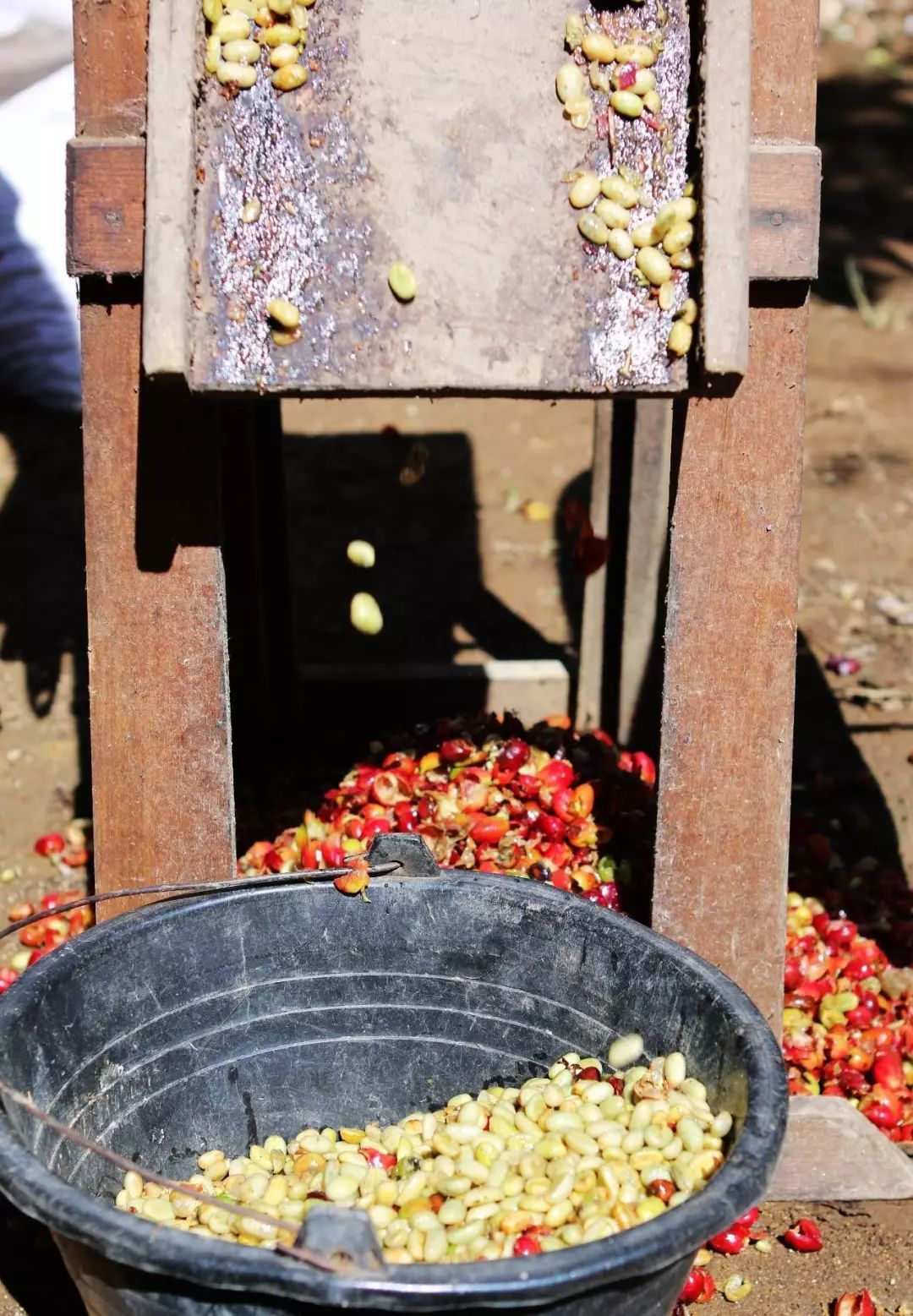
4. Collection
After the first drying, the coffee beans are taken to market for sale. At this stage, the mucilage layer of the coffee beans has not yet solidified, and they are in a sticky state. These coffee beans are then purchased, collected, and sent to a processing plant for the next steps.
5. Drying
The collected coffee beans sent to the processing plant undergo a second drying, which brings the moisture content down to about 18%.
6. Hulling / Wet Hulling
After the second drying, the coffee beans are fed into a coffee hulling machine for wet hulling, a process that removes the mucilage and parchment layer. What sets this apart from other processing methods is that wet hulling removes the parchment layer before the coffee beans undergo final drying, whereas washed processing and others retain the parchment layer during drying until just before export shipment.
7. Drying & Storage
Finally, the coffee beans are sent once more to the drying yard for final drying, which brings the moisture content down to 11%. The dried coffee beans are bagged and stored in warehouses awaiting transport for export.
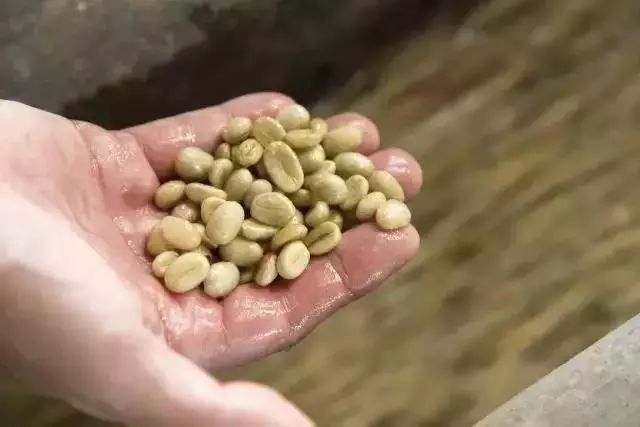
Appearance Characteristics of Green Beans Processed by Wet-Hulling After receiving several lots of wet-hulled Mandheling green coffee beans, Front Street noticed that they share a common bean appearance characteristic: the "goat's hoof" shape. This is because the half-hard, half-soft moist green beans are easily crushed when the mucilage and parchment layer are removed by machine, causing the beans to crack open in a goat's hoof shape, commonly known as goat's hoof beans. The "goat's hoof" shape is a very prominent characteristic of Mandheling and is not considered a defective bean.
To taste specialty coffee processed by wet hulling, the top choice is Front Street Golden Mandheling. It has undergone three rounds of hand sorting plus one round of machine sorting, minimizing the defect rate and resulting in a coffee with a clean and pure mouthfeel.
Front Street Golden Mandheling grows on hillsides at around 1,500 meters. The hot, humid tropical rainforest climate brings abundant rainfall, and volcanic soil provides nutrients. However, because of the year-round humidity, the 【wet-hulling method】is used to shorten the drying time. Brew with 88–89°C water, granulated sugar particle size grind, a Kono dripper, a 1:15 water-to-coffee ratio, a 30-second bloom, followed by a single-pour brewing. It has pronounced dark chocolate and creamy notes with high cleanliness.
The above content is compiled by CoffeeHunters, a coffee news website.


