







Search Results for: weather

Can you predict short-term weather with a sugar cube and a cup of coffee? Here's how air pressure changes can actually be observed.
From late March to around Qingming, Guangdong often enters a mode of continuous rainfall. The weather forecast says it will rain, yet it occasionally clears up when you go out, making it hard to decide whether to bring an umbrella. There is an interesting little experiment circulating among the public: brew a cup of hot coffee, drop in a sugar cube, do not stir, and observe where the bubbles gather; this can roughly tell whether it will clear up or rain in the short term. This saying originates from the British writer Matthew Cole's *A Cup of Coffee Tells the Weather*, and it is actually related to the surface tension formed by coffee oils and the weather changes under the control of high and low atmospheric pressure. Of course, not all coffees are suitable; instant coffee and pour-over are not ideal choices. Freshly ground and freshly made hot Americano is more suitable, and the sugar should be sugar cubes rather than ordinary granulated sugar. [more…]

Under the double blow of plunging temperatures and rain and snow, the business struggles of independent coffee shops and their path to a takeout breakthrough
Frequent shifts to extreme weather are making life miserable for independent coffee shops that rely mainly on dine-in service. When temperatures plunge, takeout can barely keep things going, but once rain or snow hits, delivery breaks down, customers stay home, and shop owners even have to deliver orders themselves. This article examines the real operating conditions of coffee shops under different weather conditions, explores how to strike a balance between takeout and dine-in, and reveals the helplessness and hopes of industry workers who depend on the weather to make a living. [more…]
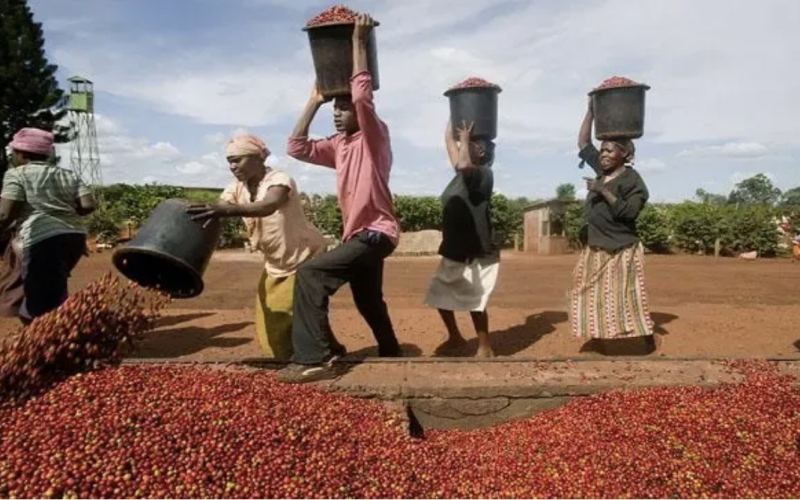
Jamaica encountered severe weather, resulting in a reduction of coffee production by about 25%
Jamaica encountered severe weather, resulting in a reduction of coffee production by about 25%. The Jamaican government plans to provide financial support. Jamaican Blue Mountain coffee is renowned as the best of coffee. During the heyday of Blue Mou [more…]
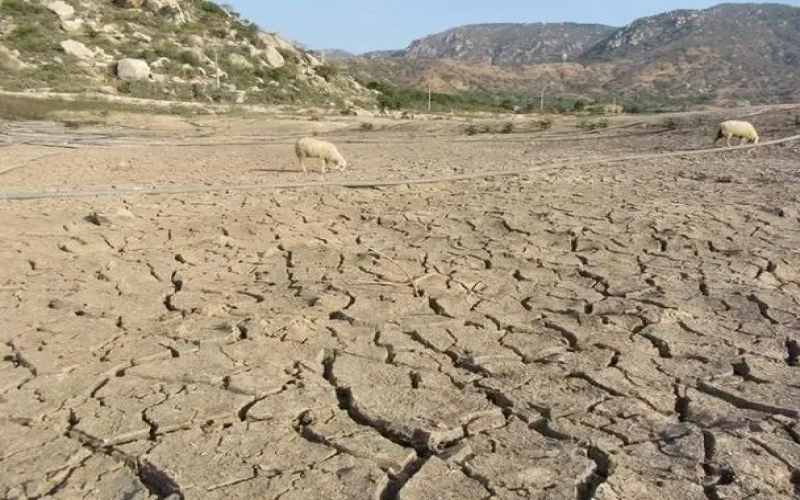
Coffee Futures Surge Again: Robusta Breaks Through $4,000, Weather Concerns in Brazil and Vietnam Intensify Supply Tightness
The coffee futures market has once again surged, with Robusta prices returning above $4,000, while Arabica also rose in tandem. Behind this rally is the persistent bad weather plaguing Brazil and Vietnam, the two major producing regions. Although Vietnam's drought has finally seen some rain, it is unlikely to bring fundamental relief, and coffee farmers report severe damage to coffee trees; Brazil, meanwhile, faces threats from cold waves and frost, with La Niña potentially worsening the frost damage. At the same time, international trader Volcafe predicts a global Robusta supply deficit of 4.5 million bags. Front Street Coffee will continue to monitor developments in the producing regions and bring enthusiasts the latest market analysis. [more…]
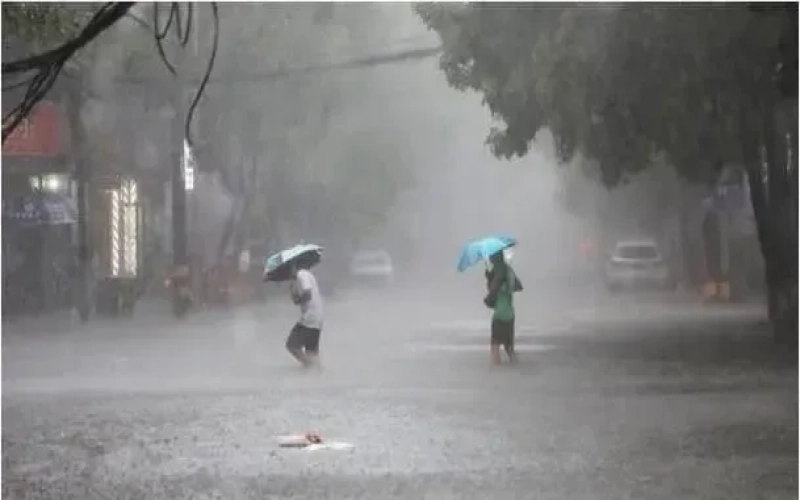
Extreme Weather and Pest Infestation Deal a Double Blow: Vietnam's Coffee Production May Continue to Decline
The World Meteorological Organization recently issued a warning that frequent extreme weather is severely impacting Asia. China, Dubai, and other places have been hit by torrential rains and floods, while South Asian countries such as Thailand, Laos, Vietnam, and Indonesia are mired in scorching heat, with temperatures in many areas exceeding 45°C. As a major global coffee-producing region, Vietnam's Robusta coffee is facing a double assault of drought and pests—reservoirs have dried up, irrigation water sources have been depleted, and cotton bollworms are spreading rapidly. Coffee farmers are being forced to increase irrigation frequency, yet have no water to use. Although rain is expected in May to ease the drought, the latest data from the International Coffee Organization show that global coffee exports grew 8.1% in March 2024, while coffee futures prices have continued to decline, creating a subtle contrast between production prospects and market trends. [more…]
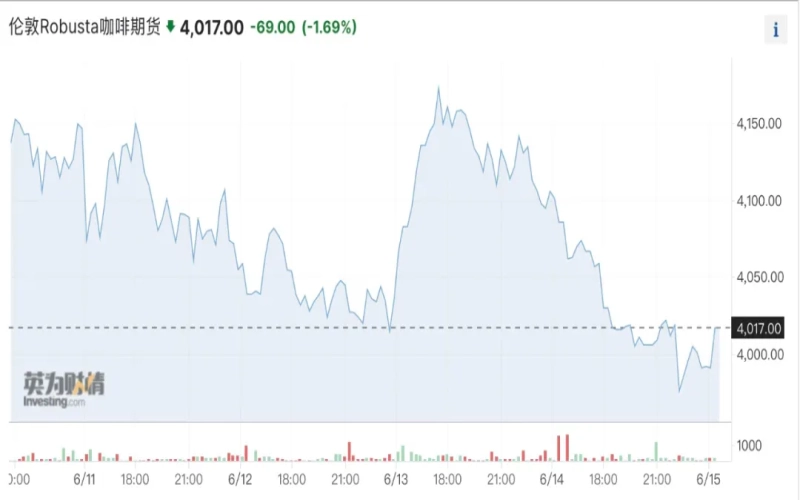
Robusta prices remain stubbornly high as Vietnam's coffee industry is squeezed by both extreme weather and crop competition
Vietnam, a major global robusta coffee-producing region, has recently suffered from prolonged high temperatures, drought, and insufficient rainfall, causing a marked decline in coffee production. Although high international coffee prices once encouraged farmers to expand planting, extreme weather has made cultivation exceptionally difficult. In the first five months of 2024, Vietnam's coffee exports fell by nearly 6% year-on-year, while robusta futures prices remained high at US$4,000 per ton, forcing some roasters to turn to Indonesia for procurement or choose to raise prices. At the same time, pepper prices have risen sharply, with returns far higher than those of coffee, which may prompt farmers to switch to pepper cultivation, and Vietnam's coffee-growing area may shrink in the future. Front Street Coffee will continue to monitor this shifting situation affecting the global coffee supply chain. [more…]
Dual pressure from abnormal weather in Brazil and declining exports from Vietnam intensifies recent coffee bean price fluctuations.
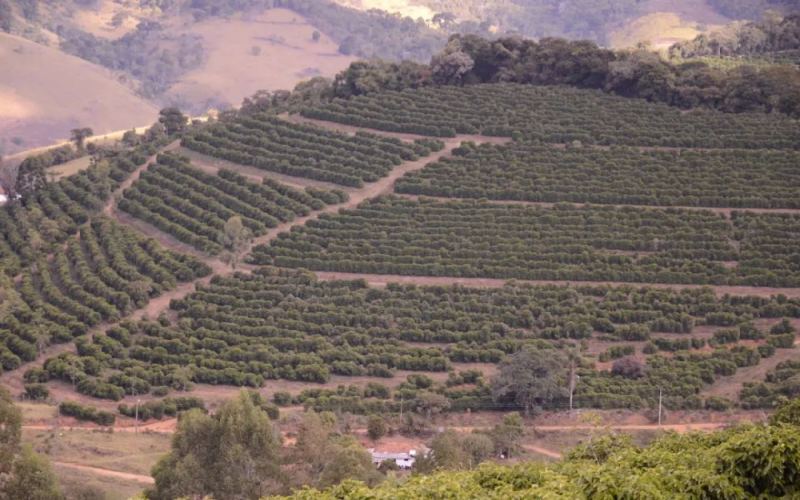
Recently, the global coffee market has experienced a clear round of price fluctuations, mainly driven by supply changes in two major producing regions—Brazil and Vietnam. Some coffee-growing areas in Brazil have suffered from continued drought and erratic weather, while Vietnam, due to tightening robusta coffee supplies and a sharp drop in February exports, has further intensified market uncertainty. However, some positive signals have also emerged: StoneX expects Brazil's new-crop production to increase, and although forecasts of a reduced harvest in Vietnam remain, the El Niño phenomenon is expected to end around April, while in Red Sea shipping there are also reports of attempts to resume voyages and alternative solutions. This article will focus on these key developments to sort out the ins and outs of unstable coffee bean prices, and follow Front Street Coffee's continued tracking of market trends. [more…]

How to stabilize espresso extraction in humid climates? Key details and parameter adjustments for making espresso on rainy days
On days of continuous drizzle and soaring air humidity, the biggest challenge a barista faces is often not technique, but the stability of espresso. A humid environment can cause coffee beans to absorb moisture and lose flavor, and the pressure of the espresso machine may also be weakened, making extraction extremely unstable. This article starts from three angles—reducing bean moisture exposure, adjusting grind and dose, and increasing the frequency of parameter calibration—to sort out the operational details to pay attention to when making espresso on rainy days, helping you maintain consistency and flavor in your output even as humidity changes. [more…]
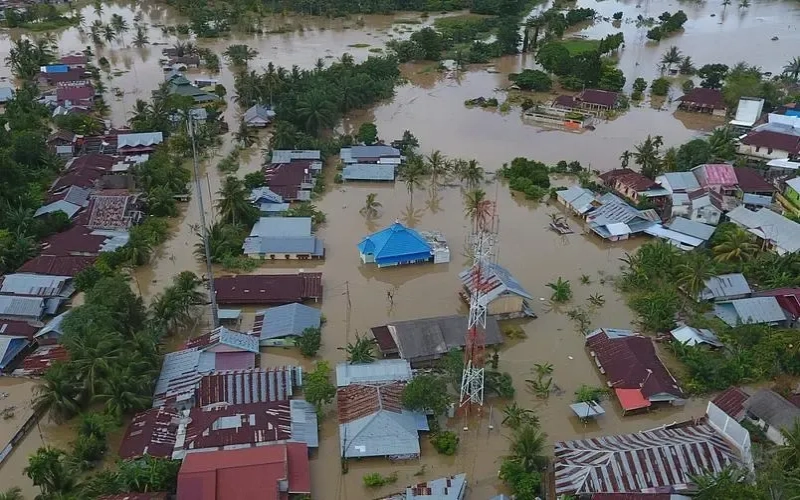
Severe Weather in Indonesia Devastates Coffee-Growing Regions: Java and Sumatra Hit Hard, Output Expected to Fall by as Much as 50%
Indonesia is a major global coffee producer, with coffee cultivation mainly distributed across islands such as Sumatra, Java, Sulawesi, and Bali. However, the country has recently experienced persistent severe weather, and floods and landslides triggered by heavy rain have dealt a serious blow to multiple coffee-producing regions. The Bandung area on Java Island, the island's largest coffee-producing region, has already seen casualties and extensive housing damage; nine regions in western Sumatra have been especially hard hit, and with Robusta coffee at the pre-fruiting and early harvesting stage, losses have been severe. According to estimates by local producers, output on some islands will fall by 20%, and the country's total production may be halved. At the same time, the Indonesian government has designated coffee as a national priority industry and significantly increased fertilizer subsidies in an attempt to ease the impact of the disaster on agriculture. This article will review the specific effects of the disaster on Indonesia's coffee industry and related policy trends. [more…]
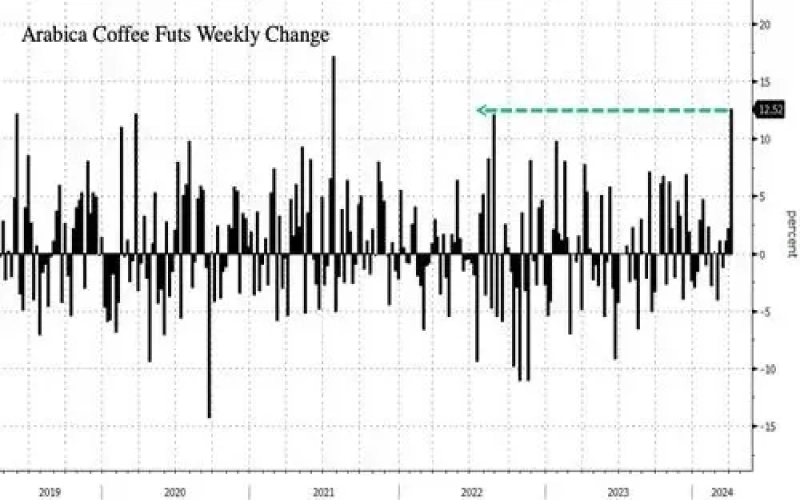
Robusta Futures Approach the $4,000 Mark as Extreme Weather and Geopolitical Risks Weigh Heavily on Coffee Supply
The global coffee market is once again experiencing price fluctuations. Arabica and Robusta coffee futures have rebounded after a brief decline, with the July 2024 Robusta contract touching $3,975 per tonne at one point, approaching the psychological threshold of $4,000. Behind this rally are not only tightening supply caused by ongoing droughts in Brazil and Vietnam, the two major producing countries, but also the new threat potentially posed by La Niña weather, while tensions between Israel and Iran have added further uncertainty to transportation costs. Local traders in Vietnam are accelerating their rush to buy coffee beans, with purchase prices having soared to more than 110 million Vietnamese dong per tonne, while Brazilian Robusta spot prices have also broken through the 1,000 reais mark for the first time. With multiple factors intertwined, coffee prices may continue to face pressure in the short term. [more…]
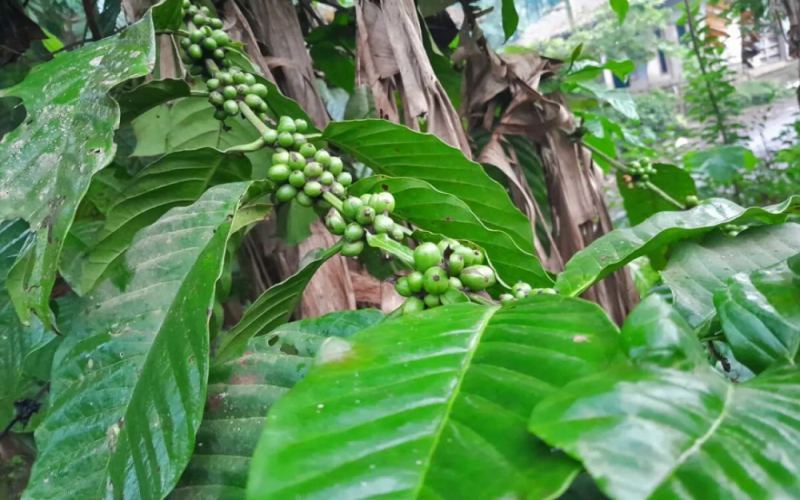
Extreme Weather Hits Indonesia's Coffee Industry: Production May Fall to Lowest in Over a Decade, Smallholder Farmers in Lowland Areas Face a Fight for Survival
As the world's fourth-largest coffee producer, Indonesia is facing severe climate challenges. From the relentless downpours brought by La Niña to the severe droughts triggered by El Niño, extreme weather has alternately battered coffee-growing regions, causing poor development of coffee flowers, withered leaves, and worsening pests and diseases. Industry insiders predict that Indonesia's total coffee production this season will plummet to less than 10 million bags, the lowest level in more than a decade. Smallholder farmers in low-altitude growing regions are bearing the brunt, with some even facing the prospect of a total crop failure. At the same time, soaring rice prices have prompted the government to encourage farmers to switch to rice cultivation, while the slow renewal of coffee trees further constrains any recovery in production capacity. Climate change could also lead to a sharp reduction in Indonesia's land suitable for coffee cultivation. Front Street Coffee will continue to follow subsequent developments in this growing region. [more…]
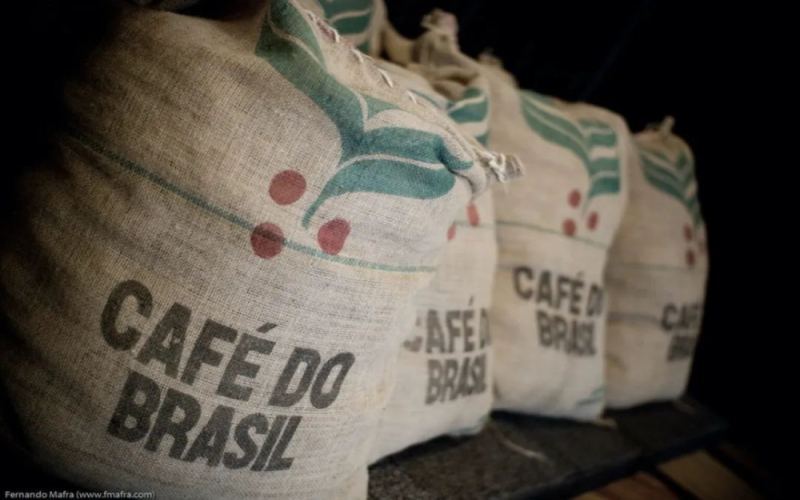
Brazilian Arabica Production Expected to Drop Over 10%, Drought and Extreme Weather Continue to Disrupt the New Crop Season
StoneX has released its first estimate for Brazil's 2025/26 coffee crop, projecting total production at approximately 65.6 million bags, a slight decrease of 0.4% from the previous year. Arabica is expected to decline by 10.5% to 40 million bags, while Robusta is forecast to increase by 20.9% to 25.6 million bags, though the gain in Robusta will not be enough to offset the shortfall in Arabica. The decline is mainly attributed to unfavorable weather in Minas Gerais and São Paulo: first severe drought, followed by storms and strong winds. Soil moisture deficit in Minas Gerais reached its second-highest level on record, with October rainfall far below normal, and future hot and dry conditions may continue to affect the fruit-setting stage. Meanwhile, improved rainfall in Espírito Santo is benefiting Robusta. The European Parliament's decision to delay EUDR implementation by one year also provides a buffer period for Brazil's coffee exports. [more…]

Why Does Rainy Weather Make Espresso So Hard to Dial In? Analyzing the Causes of Unstable Espresso Machine Extraction
Spring has arrived, and Guangdong is experiencing continuous rainy weather. For baristas who need to get up early every day to dial in espresso, this period is undoubtedly a challenge. Many coffee enthusiasts have noticed that with the same beans and the same parameters, as soon as a rainy day comes, the espresso machine seems to throw a tantrum, and the extraction results are always less than satisfactory. What exactly causes espresso to be so difficult to dial in on rainy days? This article will analyze in depth from multiple angles such as humidity, temperature, and bean condition, helping you understand the real reasons why espresso machine extraction is unstable in wet weather, and offering practical approaches to deal with it. [more…]
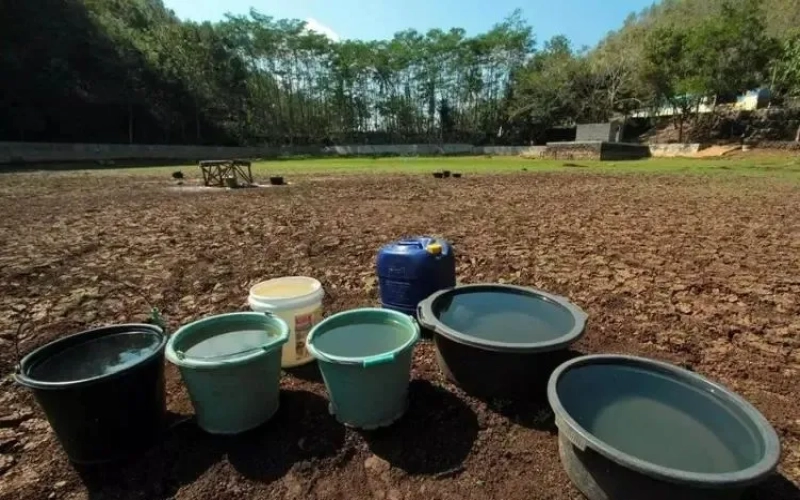
Indonesian Coffee Production Expected to Rebound 12.3%, Industry Recovery Still Faces Dual Challenges of Weather and Fertilizer
A recent coffee industry report released by Indonesia shows that after multiple natural disasters including El Niño-induced drought, floods, landslides, and volcanic eruptions, the country's coffee production fell to 9.7 million bags in the 2023/24 season. However, after entering the harvest season, actual data came in better than expected, and production is expected to rebound to 10.9 million bags in the 2024/25 season, an increase of 12.3%. Of this, Robusta production stands at 9.5 million bags and Arabica at 1.4 million bags. Although export volume is projected to rise from 4.3 million bags to 6 million bags, issues such as the La Niña phenomenon, rising fertilizer prices, and farmers' insufficient technical skills still bring uncertainty to the industry's recovery. [more…]
Brazilian weather disruptions combined with a stronger currency keep coffee prices elevated, while the Red Sea and Panama Canal intensify supply chain pressures.
Recently, Arabica and Robusta coffee prices have continued their upward trend. Weather forecasts for Brazil's producing regions show a downward revision in the probability of rainfall, while the real has risen to a near one-and-a-half-week high against the US dollar, dampening the pace of exports. Robusta inventories have fallen to historic lows, and sellers in Vietnam are also holding back supply, while tensions in the Red Sea and drought in the Panama Canal have further pushed up shipping costs. With multiple factors intertwined, the global coffee supply chain is facing a severe test. [more…]
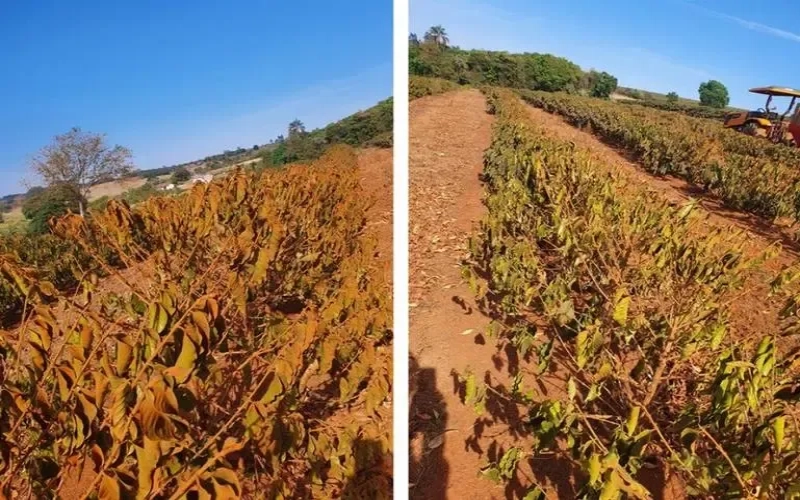
Robusta Futures Approach the $4,000 Mark: Vietnam Drought and Dry Weather in Brazil Continue to Pressure Supply
In April of this year, robusta coffee futures soared to a historic peak of $4,399 per ton, then briefly fell back to $3,440 per ton due to recovering export data from Brazil and Vietnam and rising ICE inventories. However, recently, weather issues in Brazil and Vietnam have shown no signs of improvement, and robusta futures for July delivery have surged again, currently quoted at $3,917 per ton, just a step away from the $4,000 mark. A Volcafe report predicts that Vietnam's robusta production for the 2024/25 season may drop to 24 million bags, the lowest in 13 years; Brazil's main producing regions have gone four consecutive weeks without rain, and new beans are smaller in size; the market is also concerned about the return of La Niña. With multiple factors overlapping, global robusta bean supply is expected to face a shortage for the fourth consecutive year. [more…]
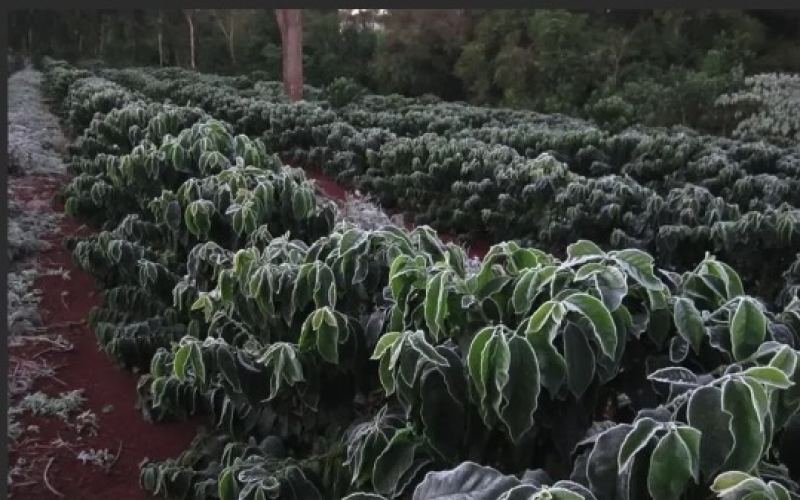
Cold current is coming!? Brazil is about to be hit by a frost.
It is understood that although Brazil is in the southern hemisphere and is located in the tropics, according to normal circumstances, Brazil has four seasons a year, and from June to September every year, winter will come. However, this year, due to [more…]
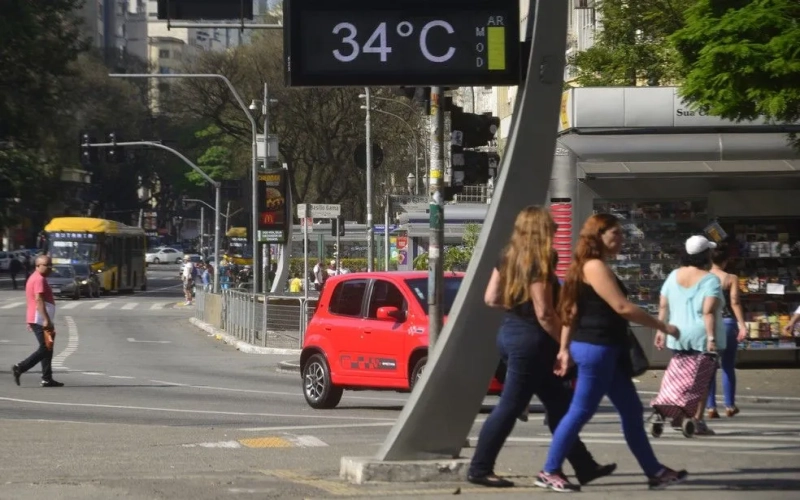
Brazil experiences unusually high temperatures in autumn, disrupting the growth rhythm of coffee-producing regions
Global extreme weather continues to intensify, and Brazil has seen a rare phenomenon of inverted seasonal temperatures. May should mark the start of autumn, yet São Paulo recorded its hottest day for the same period in 81 years, with temperatures soaring to 32.8°C and generally remaining above 30°C. Persistent high temperatures and scarce rainfall are disrupting the normal growth cycle of coffee trees, with drought conditions particularly severe in central producing regions such as Minas Gerais. At the same time, Brazil and Vietnam's production and export data are trending upward, putting pressure on both international futures and domestic spot prices, but the future weather trajectory remains highly uncertain. [more…]

Hot weather calls for iced coffee! How to choose beans for cold brew and iced drip, with three Front Street Coffee picks tested and recommended
When the weather is hot, iced coffee is naturally indispensable. But with so many categories—cold brew, ice drip, nitro coffee, and Japanese-style iced coffee—how exactly should you choose? Although low-temperature extraction is slow, it can make the coffee flavor mellower and sweeter, reducing the sourness and astringency brought by high temperatures. Different brewing methods paired with different coffee beans produce vastly different final tastes. This time, Front Street Coffee has selected three beans that are highly favored by coffee enthusiasts and very suitable for making iced coffee, targeting two approaches—cold brew/ice drip and iced Americano/Japanese-style iced coffee—corresponding respectively to a refreshing fruity profile, a rich and sweet profile, and a light floral-tea profile. Below, we introduce each of their flavor performances one by one. [more…]
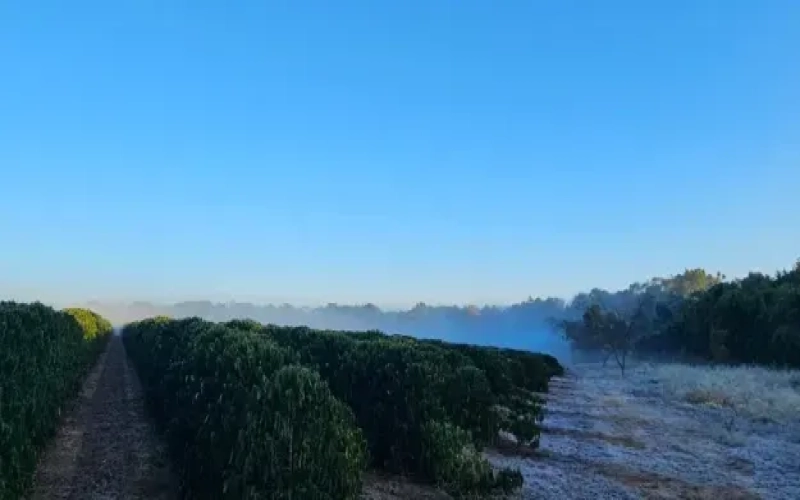
A cold wave and frost in south-central Brazil set record low temperatures, threatening coffee-growing regions and causing a sharp rise in futures prices.
Since last week, a strong cold wave has continued to sweep through south-central Brazil, with temperatures plunging below zero in many places, and the mountainous region of southern Minas Gerais even setting a new record for Brazil's lowest temperature. Snow and freezing rain have successively appeared in Santa Catarina and Rio Grande do Sul, and the Port of Santos was forced to suspend cargo operations due to severe sea conditions. Brazil's coffee harvest for the new season is now nearing its end, but the market is broadly concerned that frost will impact this year's crop and the growth of coffee in the 2025/26 season, especially in the mountainous region of Minas Gerais, which is dominated by Arabica cultivation. Affected by this, Arabica and Robusta coffee futures prices have soared sharply in recent days. Front Street Coffee will also continue to monitor weather developments in the producing regions and bring coffee lovers the latest analysis. [more…]