







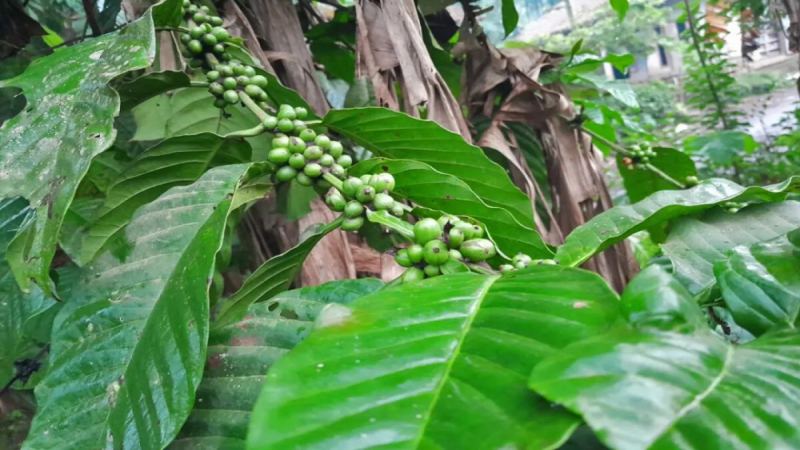
How is extreme weather affecting Indonesia's coffee production?
Erratic rainfall and rising temperatures have disrupted flowering and cherry development across several Indonesian growing regions. Many smallholders farm at low elevations where heat stress is strongest, and they lack the money to replant with more tolerant varieties. Analysts expect the country's coffee production to drop to its lowest level in more than ten years.
The effects reach beyond farms. Lower volumes push up local prices, squeeze exporters who must fill contracts, and force roasters to blend differently or buy from other origins. For the wider coffee industry, the lesson is that climate risk at the farm level quickly becomes a supply and cost problem for everyone downstream.
As the world's fourth-largest coffee producer, Indonesia is facing severe climate challenges. From continuous heavy rains brought by La Niña to severe droughts triggered by El Niño, extreme weather has alternately battered coffee-growing regions, causing poor coffee flower development, withered leaves, and worsening pests and diseases. Industry insiders expect Indonesia's total coffee production this season to plunge to less than 10 million bags, the lowest level in more than a decade. Smallholder farmers in low-altitude production areas are bearing the brunt, with some even facing the prospect of a total crop failure. Meanwhile, soaring rice prices have prompted the government to encourage farmers to switch to rice cultivation, and the slow renewal of coffee trees has further constrained the recovery of production capacity. Climate change may also cause a sharp reduction in Indonesia's suitable coffee-growing land. Front Street Coffee will continue to follow the subsequent developments in this production area.
According to DCN, Indonesia is the world's fourth-largest coffee producer, ranking behind only Brazil, Vietnam, and Colombia in output. However, the production efficiency of the country's farmers lags behind these competitors, and worsening climate problems are making the situation even more severe. In East Java, prolonged water shortages have led to insufficient nutrients in the fruit and made the plants more susceptible to pests, causing production to fall sharply. increasingly frequent extreme weather may also threaten the viability of smallholder farmers in Indonesia's lowland areas, with production expected to decline by more than 20% this season.
One grower revealed that a coffee plantation on the eastern slopes of Java in Indonesia could harvest about 2.5 metric tons of coffee beans in a normal climate year; but this year, it will struggle to reach even one ton.
Between 2020 and 2022, Indonesia was affected by La Niña, with frequent extreme rainfall, and prolonged heavy rains often submerged coffee flowers before they could bear fruit. La Niña then shifted to El Niño, and a severe drought occurred in 2023. The persistent lack of water hindered coffee flower development, and the leaves also dried up.
As a result, Indonesia still recorded coffee production of nearly 12 million bags (60 kg per bag) in the 2022 and 2023 seasons. But El Niño is still ongoing and has triggered high temperatures in low-lying coffee-producing areas, and total production this year is expected to plummet to less than 10 million bags, possibly the lowest harvest in more than a decade.
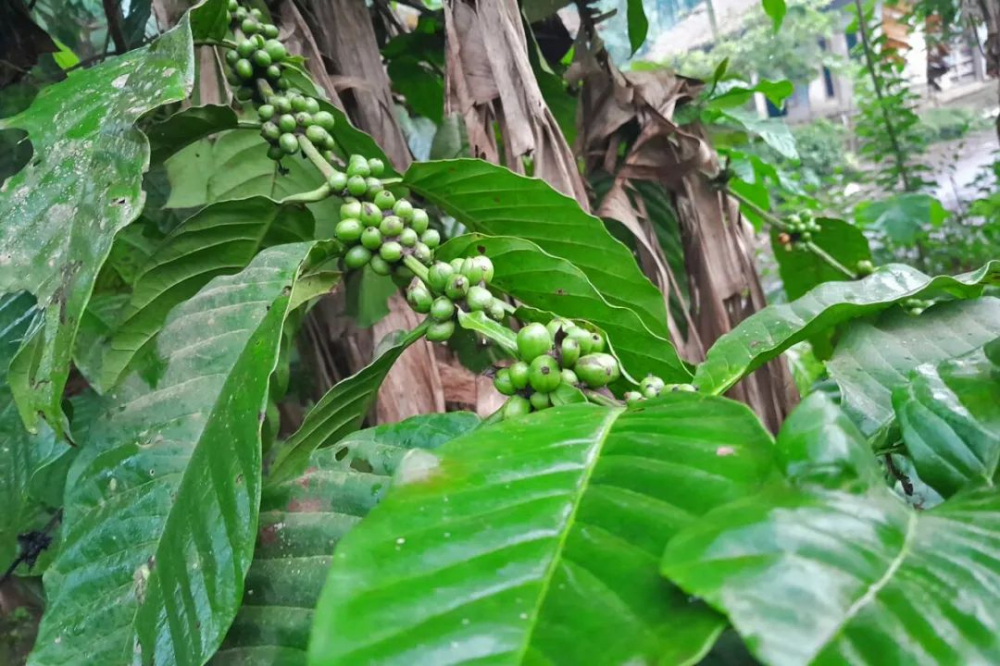
Extreme weather has also brought a chain reaction. Supply shortages caused by drought have pushed up the price of rice, Indonesia's staple food, and rising food prices have prompted the government to encourage farmers to expand rice cultivation. At the same time, many coffee trees have deteriorated and died because of the harsh weather and cannot recover on their own, so they must be replanted; however, official data show that in recent years the number of coffee trees replanted by farmers has been extremely limited, which has also constrained increases in production capacity.
Research indicates that climate change could reduce Indonesia's land suitable for coffee cultivation by 21% to 37%. Indonesia has a population of 276 million, but its coffee farmers' production efficiency is far lower than that of neighboring Vietnam, whose coffee output is almost three times Indonesia's. Many coffee farmers believe that the government has invested insufficiently in supporting the coffee industry, and that scarce and expensive fertilizer has made production difficulties even worse.
Experts from Indonesia's Coffee and Cocoa Research Center say El Niño may actually have a positive impact on high-altitude coffee-growing areas, but for low-altitude growing areas and forests, high temperatures and drought may bring devastating consequences. In addition, Indonesia's national meteorological agency BMKG predicts that El Niño will continue until around April 2024. Coffee farmers are deeply worried about this and expect this year's coffee harvest to be halved.
The above content is compiled by CoffeeHunters, a coffee news website.


