







How Is Arabica Coffee Origin Production Recovering in Indonesia?
Indonesia's coffee production is expected to rebound to 10.9 million bags in the 2024/25 season, up 12.3 percent from 9.7 million bags, according to a recent industry report. Arabica accounts for 1.4 million bags and Robusta 9.5 million bags. The recovery follows El Nino drought, floods, landslides, and volcanic eruptions.
Export volume is expected to rise from 4.3 million bags to 6 million bags, though La Nina, higher fertilizer prices, and limited farmer expertise still create uncertainty. Severe weather mainly hit low-altitude Robusta areas, while high-altitude Arabica is expected to increase. Sumatra remains the largest producing region, at about 60 percent of national output.
A recent coffee industry report released by Indonesia shows that after multiple natural disasters including El Niño-induced drought, floods, landslides, and volcanic eruptions, the country's coffee production fell to 9.7 million bags in the 2023/24 season. However, after entering the harvest season, actual data came in better than expected, and production in the 2024/25 season is expected to rebound to 10.9 million bags, an increase of 12.3%. Of this, Robusta production accounts for 9.5 million bags and Arabica 1.4 million bags. Although export volume is expected to rise from 4.3 million bags to 6 million bags, issues such as La Niña, rising fertilizer prices, and insufficient farmer expertise still bring uncertainty to the industry's recovery.
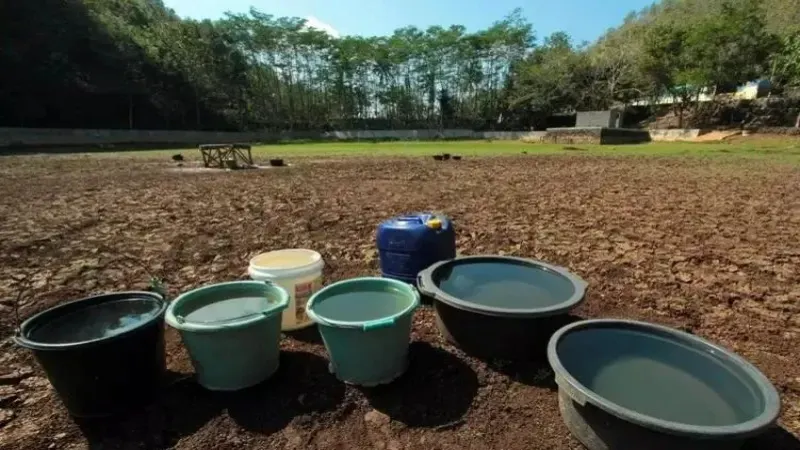
Recently, Indonesia released a coffee industry report. The report pointed out that affected by the drought triggered by the 2023 El Niño phenomenon, the country's coffee production in the 2023/24 season was only 9.7 million bags. After entering 2024, it was hit by a succession of natural disasters including floods, landslides, and volcanic eruptions, and the industry had originally held a pessimistic view of that year's production. However, as the crop season progressed, actual harvest data came in better than expected, and production increased.
As weather conditions gradually improve, Indonesia's coffee production in the 2024/25 season is expected to reach 10.9 million bags (60 kg per bag), an increase of 12.3% from 9.7 million bags in the 2023/24 season. Among this, Arabica production is 1.4 million bags, and Robusta production is 9.5 million bags.
It is understood that the severe weather mainly hit Robusta-producing areas at low altitudes, and some production areas are now gradually recovering. At the same time, Arabica production grown at high altitudes is expected to increase.
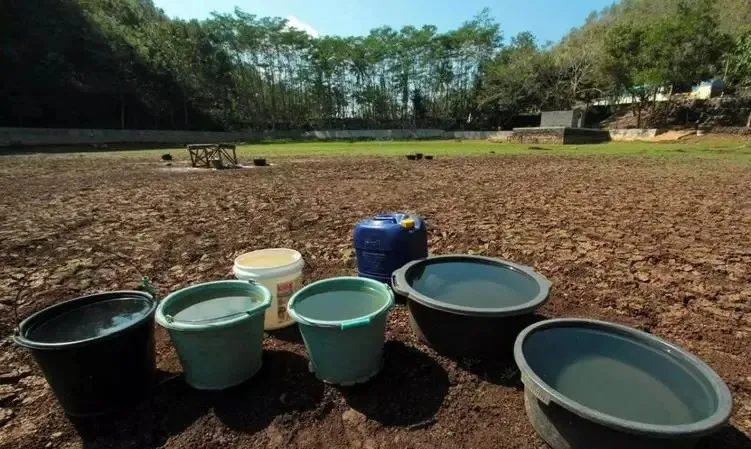
Due to the delayed impact of the 2023 El Niño drought, the first-half harvest period in the southern Sumatra coffee-producing region, originally scheduled for March to April, has now been postponed to May to June, so export volume may increase during September to October. In addition, the report shows that Indonesia's current coffee planting area is 1.2 million hectares, and no large-scale replanting program has recently been implemented.
At present, Sumatra Island is Indonesia's largest coffee-producing region, accounting for 60% of the country's total coffee crop area, but most coffee crops are managed by smallholder farmers. In Indonesia, Robusta coffee yields vary by region, and affected by abnormal climate conditions, the current yield is less than one metric ton per hectare, while Arabica yields are slightly higher. Although the weather has begun to improve, heavy rains still occur from time to time, and as it is the coffee cherry growing season, excessive rainfall and strong winds have a major impact on production.
As production recovers, export volume is also increasing. Green coffee bean exports in the 2024/25 season are expected to rise from 4.3 million bags to 6 million bags. At present, the largest importing country is the United States, followed by Egypt, Malaysia, India, Japan, and other countries.
Although Indonesia's coffee industry is showing signs of recovery, it still faces many challenges, such as weather changes and rising fertilizer prices. Although El Niño's impact on the country has weakened, precautions must be taken against a possible subsequent La Niña phenomenon, which would lead to above-normal rainfall and easily trigger natural disasters such as floods and landslides.
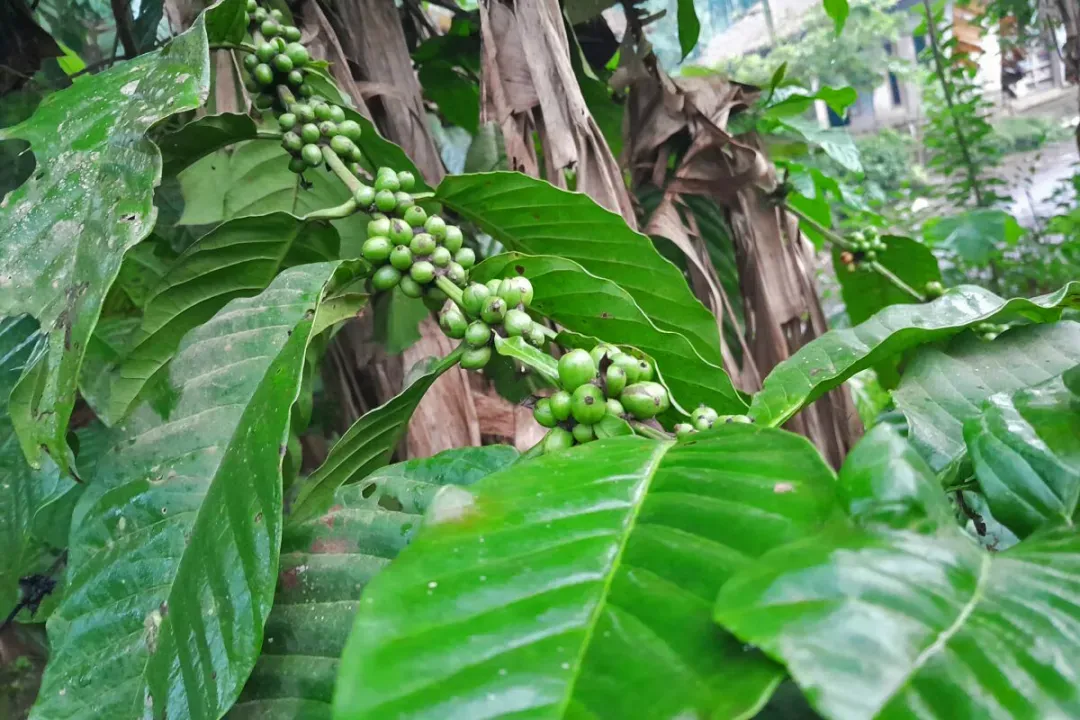
Another issue is fertilizer. Affected by geopolitical factors, fertilizer prices have risen, causing some smallholder farmers to reduce their use of chemical fertilizers, while some farmers lack technical knowledge about scientific fertilization. In response, some industry insiders believe this is caused by government inaction and call on the government to improve the level of agricultural technology as soon as possible and enhance the international influence of Indonesian coffee.
The above content is compiled by CoffeeHunters, a coffee news website.


