







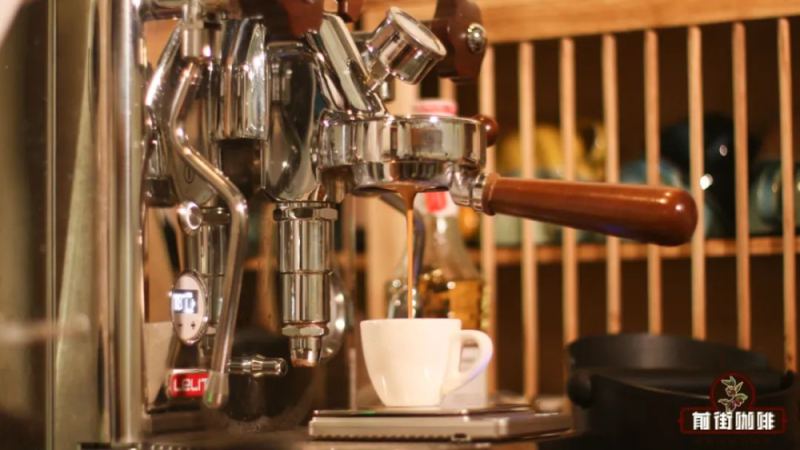
Why does coffee extraction drift when humidity rises?
In humid, rainy weather, espresso extraction becomes unstable for three reasons: beans absorb moisture and lose flavor, water vapor during grinding strips aroma, and the machine's output pressure drops. Together these weaken extraction capability, so the parameters that worked yesterday rarely hold today.
Baristas typically calibrate each morning to bring the flavor back on track. In dry conditions the previous day's settings often still work; in humid air they rarely do. Three levers help: reduce how much moisture the beans take up, adjust grind and dose, and increase how often parameters are checked. Knowing espresso machine how does it work helps explain the pressure decay.
On days of continuous drizzle and soaring air humidity, the biggest challenge a barista faces is often not technique, but the stability of espresso. A humid environment causes coffee beans to absorb moisture and lose flavor, and the pressure of the espresso machine may also be weakened, making extraction extremely unstable. This article, starting from three angles—reducing bean moisture absorption, adjusting grind and dose, and increasing the frequency of parameter calibration—outlines the operational details to pay attention to when making espresso on rainy days, helping you maintain consistent output and flavor even as humidity changes.
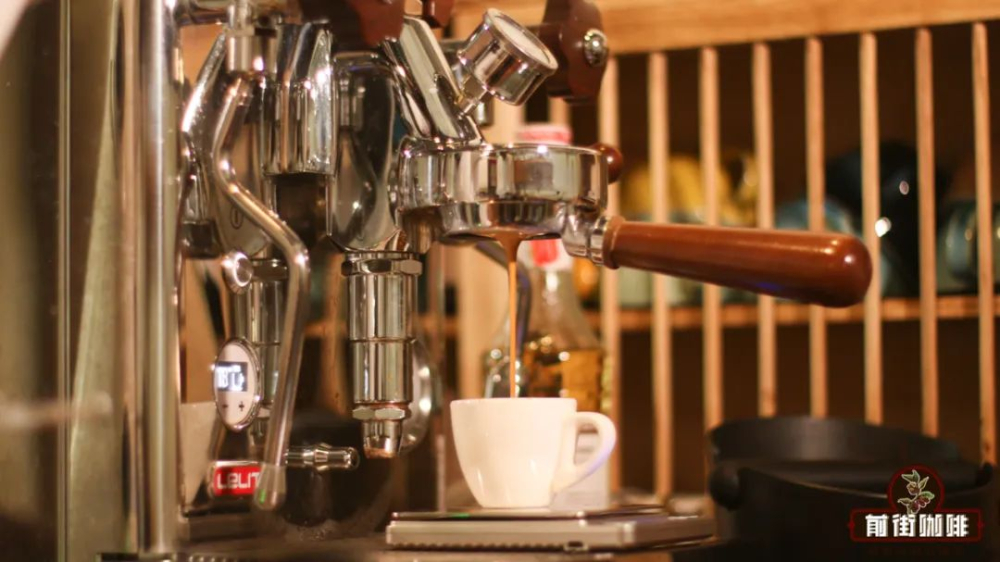
The dry, cold season has not fully retreated, yet foggy, overcast, and rainy humid weather arrives in succession, making one almost think spring has arrived early. For baristas, the most headache-inducing thing in humid weather is none other than dialing in espresso parameters. To keep daily output consistent, the first thing the morning-shift barista does upon arriving at the shop is usually to calibrate the espresso, pulling the flavor that has drifted after sitting overnight back on track. Generally speaking, in a relatively dry environment, the variation in espresso extraction is not too large; even if you directly reuse the previous day's settings the next day, you may still extract a flavor close to ideal.
But humid weather is a completely different story. After air humidity rises, coffee beans left exposed to the environment for long periods easily absorb moisture, which in turn interferes with extraction performance. At the same time, if water vapor gets mixed in during grinding, it can also cause a series of adverse effects such as flavor loss.
There is another factor that makes extraction even more difficult: pressure decay. In humid weather, the output pressure of the espresso machine often drops somewhat. What does insufficient pressure lead to? The answer is straightforward: extraction capability is weakened. When beans absorbing moisture and insufficient pressure occur at the same time, the extraction state of espresso becomes very unstable.
So when adjusting espresso in humid weather, you must be prepared for a prolonged battle. If you are lucky, you will find suitable parameters quickly; if not, you will just have to drink espresso cup after cup. The following details are especially worth noting for coffee shops on rainy days.
I. Reduce the degree to which coffee beans absorb moisture
In such weather, first try to close doors and windows tightly to keep the humid outside air out. If conditions permit, you can also turn on the air conditioner's dehumidifying function to expel the moisture that has already entered the room.
At night, coffee beans will go unused for a long period, and humidity during this time is often higher. Therefore, when closing up, it is best to pour the beans from the hopper back into the bean bag and store them sealed to reduce contact with moisture.
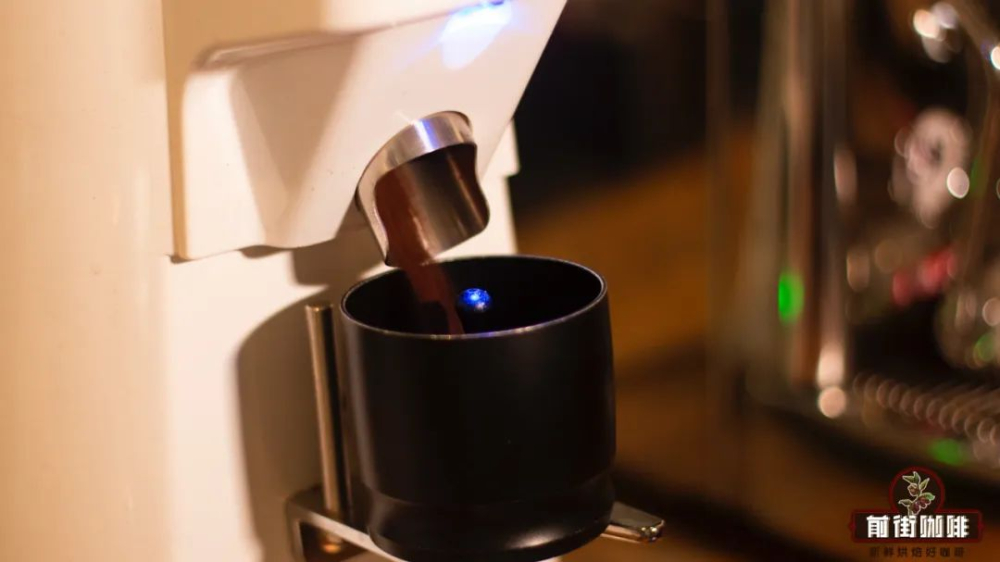
In addition, cleaning the hopper cannot be overlooked. After beans spend a whole day with moisture, the oils they secrete will adhere to the inner walls of the hopper. If not cleaned in time, these oils will develop an unpleasant odor over time. The burrs also need to be cleaned thoroughly as well.
II. Reasonably adjust the coffee extraction parameters
As mentioned earlier, humid weather affects the espresso machine's extraction pressure, and pressure directly relates to the extraction result of espresso. But many people's espresso machines either have non-adjustable pressure or are very troublesome to adjust, so we can correct the espresso's flavor by modifying other parameters.
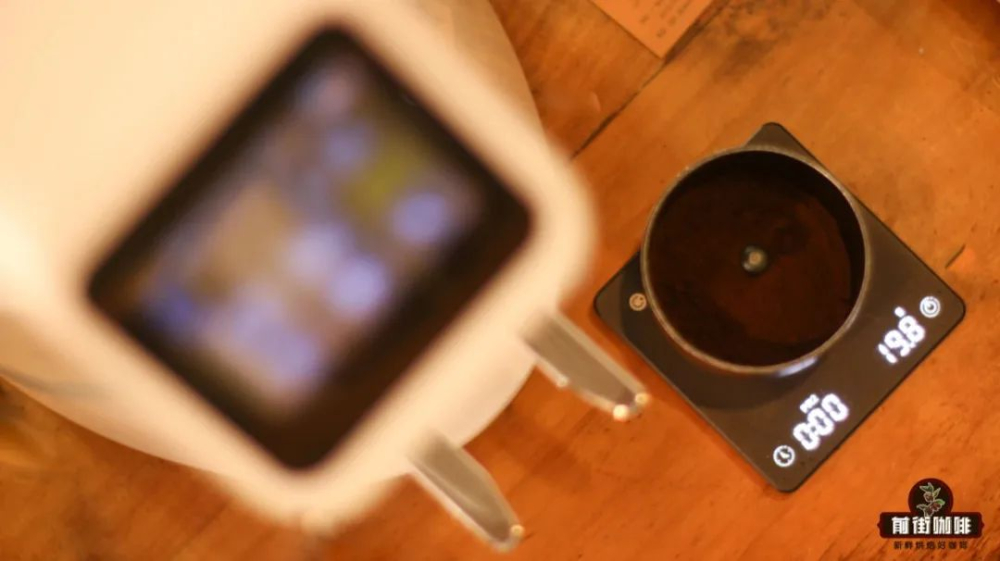
Because pressure is reduced, if you still use your usual parameters, the water flow will penetrate more slowly due to insufficient pressure, and the extraction time will be lengthened accordingly. Therefore, Front Street recommends coarsening the grind while increasing the dose. The reason for not choosing to grind finer or reduce the dose is to avoid the extra step of breaking up clumps after grinding too fine.
III. Maintain consistency in output
Humid weather, unlike dry weather, cannot keep parameters stable for long periods. Throughout the day, the beans constantly change state as the environment changes. This continuous change makes it difficult for the same set of parameters to work all day. The parameters you just adjusted may produce an espresso with just the right flavor, but if you apply them again a few hours later, you may get a cup that is under-extracted or over-extracted.
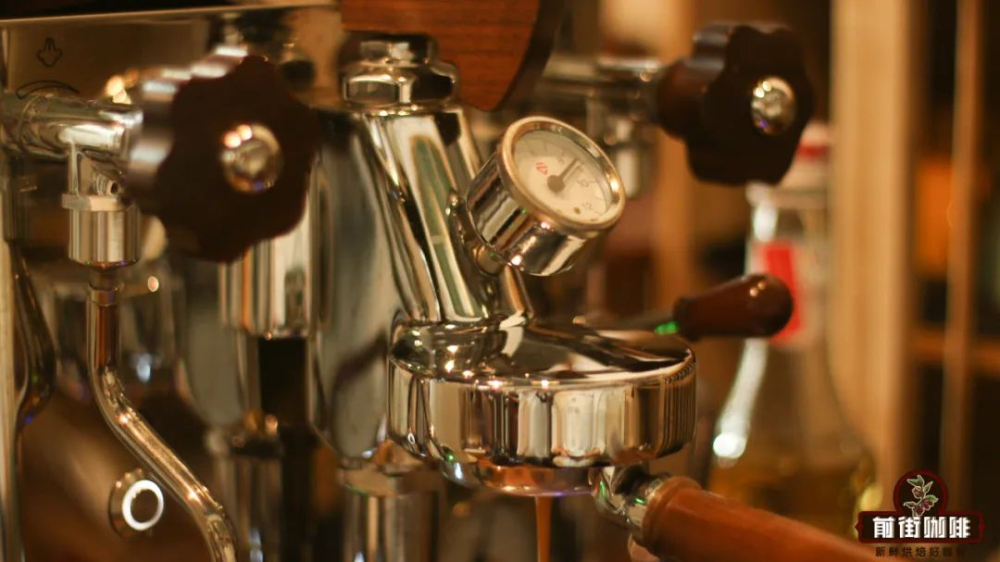
Therefore, Front Street recommends that if you are a shop owner, it is best to change the frequency of espresso adjustment from once every half day or once a day to once every four hours, so as to ensure the greatest possible consistency in output.
Front Street Coffee (FrontStreet Coffee)
No. 10, Baoqian Street, Yandun Road, Dongshankou, Yuexiu District, Guangzhou, Guangdong Province
The above content is compiled by CoffeeHunters, a coffee news website.


