







Search Results for: Europe
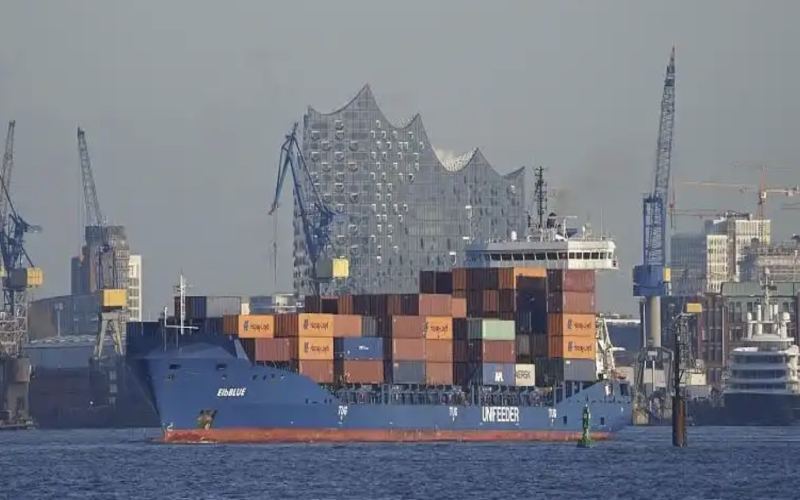
Europe remains the world's largest import market for coffee beans.
A report released by the European Coffee Federation (ECF) shows that Europe remains the world's largest coffee market, accounting for about 28% of global coffee consumption. The ECF accounts for about 90% of the EU's total coffee imports. The report also found that the coffee industry directly created about 15 [more…]

What Is Mazagran Coffee? An Analysis of the Evolution of Iced Coffee from Africa to Europe and the Differences in Preparation Across Countries
Mazagran coffee is a classic iced coffee that originated in Africa and became popular in Europe, and it is often called "the earliest iced coffee ever created." However, this claim remains disputed in historical research, since the cold brew invented by the Dutch at sea in the 17th century was already circulating in Japan's Edo period. Even so, Mazagran coffee, with its unique charm, evolved into distinctive preparation styles in countries such as Spain, Austria, France, and Portugal. This article will guide you through the origins and background of Mazagran coffee, the differences in how it is made across countries, and the reasons it spread from Africa to Europe and became widely popular, while also preserving relevant recommendations and product information from the Front Street brand to provide coffee lovers with a complete flavor guide. [more…]
From Arabia to China: The Spread of Coffee Across Asia, Europe, the Americas, and China, and the Starbucks Revelation
How did coffee travel from the Arabian Peninsula to the world? Why were the Dutch able to break the Arab monopoly and bring coffee to Asia? How did Venetian merchants make coffee all the rage in Europe? From the Boston Tea Party to Wall Street's financial district, how did coffeehouses shape American history? How did Brazil and Colombia become giants of global coffee production? When and how did coffee enter China? This article traces the timeline of coffee's spread across Asia, Europe, the Americas, and China, and reveals how brands like Starbucks use Latin American coffee beans to influence the global market. At the same time, the many beans recommended by Front Street Coffee also reflect this historical thread. [more…]

Starbucks launches $1 billion restructuring: the world's first Seattle Roastery permanently closes, with layoffs and store closures spreading across Europe and America.
Starbucks recently announced the launch of a restructuring plan totaling US$1 billion, involving the closure of underperforming company-operated stores and a new round of layoffs. According to a filing submitted to the U.S. Securities and Exchange Commission, most of the store closures will be completed before the end of fiscal 2025, with US$150 million for employee severance and US$85 million covering lease termination and asset disposal costs. CEO Niccol said in an open letter to employees that some stores failed to meet financial targets or create the environment customers expect, so the decision was made to immediately close some stores in North America. Foreign media reports say the restructuring will affect hundreds of coffee shops in the United States and Canada, including the world's first Roastery in Seattle's Capitol Hill and the SODO Reserve store in the company's headquarters building. This Roastery, which opened in 2014, is not only a pilgrimage site for Starbucks fans but also one of the first unionized stores in the brand's history, and its permanent closure without warning has sparked employee speculation about union suppression. At the same time, about 900 non-retail employees will receive layoff notices, marking the second round of layoffs since Niccol took office. Although the Europe, Middle East and Africa business is proceeding as planned, some stores in the UK, Switzerland and Austria will also close due to a portfolio review. [more…]

From Saucer to Handle: The History and Artistic Testimony of How Seventeenth-Century Europeans Drank Coffee from Saucers
Today, a coffee cup and saucer are mostly just a coaster and a decorative item. But in Europe before the eighteenth century, the saucer was the "star" of coffee drinking. In 1640, the Dutch brought coffee from Mocha in Yemen to the Netherlands, and from there it spread throughout Europe, quickly making coffee drinking a fashion among the upper classes. At that time, Europe had not yet mastered porcelain-making technology and could only import thin, light porcelain cups from China—yet these cups had no handles, making the freshly brewed coffee too hot to hold. So people poured the coffee into the saucer to cool it, then sipped it the way modern cuppers do. It was not until the eighteenth century, when the Germans mastered porcelain production and handled porcelain cups became widespread, that the habit of drinking coffee from the saucer gradually faded away. This history has also been recorded in many paintings, so let's look together at the coffee stories in those still lifes and figure paintings. [more…]
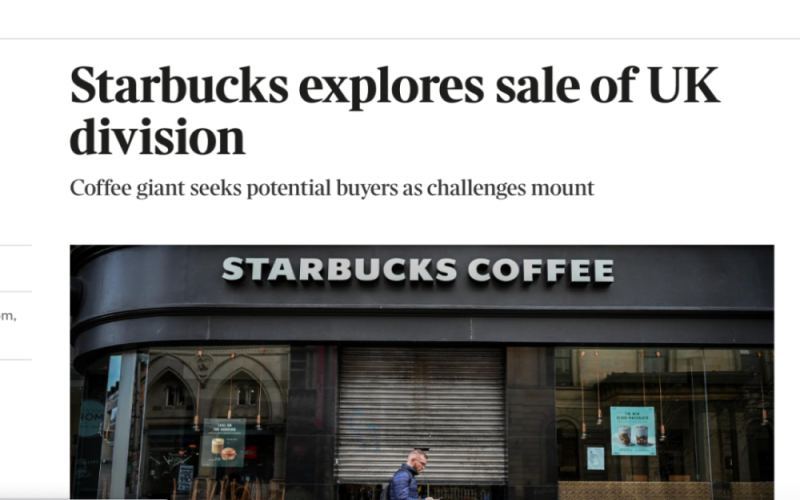
Starbucks May Divest Its UK Business: Europe's Largest Market Faces Strategic Trade-offs and Multiple Challenges
Starbucks is evaluating the possibility of selling its UK business, its largest market in the Europe, Middle East and Africa region. Hit by the pandemic, the normalization of remote working and a decline in tourists, Starbucks UK has been slow to recover, while also facing fierce competition from chains such as Pret A Manger, Tim Hortons and Costa. At the same time, Starbucks is also facing slowing growth and unionization pressure in the Chinese and US markets. This is not the first time Starbucks has sold a regional business; its South Korean business was previously taken over by Emart. This article examines the market logic and challenges behind Starbucks' global business adjustments. For more specialty coffee bean news, follow Front Street Coffee. [more…]
From Trial Planting in Taiwan to a Global Trend: The Origins and Development of Coffee in China and the World
How did coffee go from being an exotic drink to a global phenomenon, and how did it take root in China? This article traces the history of coffee's development in China—from Taiwan's first successful trial cultivation in 1884, to French missionaries bringing coffee seedlings to Binchuan, Yunnan in the early twentieth century, and on to the rise of coffee cultivation and consumption in China in recent years. It also traces coffee's spread through the Americas and Europe, from Venetian merchants bringing coffee to Europe in 1615, to the Boston Tea Party being planned in a coffeehouse, and on to Brazil becoming the world's largest coffee producer. Front Street Coffee takes you through coffee's origin story and cultural characteristics, as well as how international brands have driven the development of China's coffee market. [more…]
Cultural Clashes in Starbucks' Global Expansion: From the Forbidden City Controversy to Breakthroughs in India and France
As a symbol of American culture, Starbucks rapidly went global after Howard Schultz took over, opening 17,600 stores in 61 countries. However, when Starbucks entered countries with deep cultural traditions such as China, India, and France, it frequently encountered cultural resistance and controversy. From being forced to withdraw from its Forbidden City store, to the long wait in the Indian market, to the French people's steadfast defense of traditional cafés, Starbucks, while exporting American coffee culture, has also had to face the stubborn resistance of local cultures. This article will walk you through Starbucks' path of cultural conflict and integration around the world, and explore the balance between business expansion and cultural respect. [more…]
The Origin and Spread of Coffee: A Historical Journey from the Ethiopian Highlands to European Coffeehouses
The exact origin of coffee still has no definitive conclusion. The most widely circulated account points to the highlands of Kaffa Province in southwestern Ethiopia—where a shepherd noticed that his flock became unusually lively after eating a certain plant. Others believe it was only after a wildfire burned down a coffee forest that the roasted aroma drew people's attention. From initially chewing the fruit for stimulation and mixing ground coffee into flour to make "warrior bread," to boiling it in water as a beverage around 1000 AD, coffee has traveled a long road. In the 13th century, it spread with Ethiopian troops into Yemen and entered the Arab world, then passed through Turkey into Europe, and eventually was cultivated on a large scale in South America. After prices fell, it became a daily drink for Europeans. This article sorts out the key milestones in coffee's journey from its place of origin to global dissemination, helping coffee lovers understand the historical context behind this cup. [more…]
From Berlin's first coffeehouse to the world's second-largest consumer nation: the historical trajectory of German coffee culture and the Latin American cultivation landscape
In 1721, the first coffeehouse opened in Berlin, marking the beginning of Germany's coffee industry, which started slowly amid policy restrictions but rose rapidly in the 19th century through Latin American plantations and immigrant networks. German merchants once controlled more than 80 percent of Guatemala's coffee bean exports, and two world wars caused this coffee domain to rise and fall several times. After the war, Germany's economy recovered, and its position in the coffee trade was rebuilt accordingly. Today Germany is the world's second-largest coffee-consuming country, and its per capita consumption far exceeds that of the United States. This article sorts out the complete thread of German coffee culture from its budding beginnings and expansion to its revival, and is suitable for readers interested in coffee history and the industrial landscape to savor carefully. [more…]

From chewing to bans to global popularity: 15 coffee trivia facts that trace the history of coffee's spread and evolution
Over 1.3 billion people worldwide start their morning with a cup of coffee every day, but the history of coffee's spread is far less straightforward than one might imagine. Originally, people did not treat it as a beverage; instead, they mixed coffee cherries with animal fat to make energy balls to chew on. In the Middle Ages, it was used as a medicinal herb, and later on the Arabian Peninsula, it evolved into a stimulating drink called Gahwa. Upon entering Europe, coffee was once boycotted or even banned for religious and political reasons—Sweden once prohibited the sale of coffee along with cups and saucers, and the Ottoman Empire imposed capital punishment on those who drank it publicly. Meanwhile, anecdotes such as the predecessor of instant coffee and Brazil sending athletes to competitions with coffee beans abound. This article, through 15 fun facts, traces coffee's long journey from being misunderstood to being sought after, while retaining relevant recommendations from Front Street Coffee for coffee enthusiasts to refer to and exchange ideas. [more…]

Tracing the Origins of the Names Mocha Coffee Beans, Moka Pot, and Caffè Mocha: The Evolution from a Yemeni Port to an Italian Drink
In the coffee world, the name "Mocha" appears frequently in coffee beans, coffee equipment, and coffee drinks. What exactly is the connection between them? This article starts with the history of the port of Mocha in Yemen, tracing how Mocha coffee beans got their name from the port and became popular in Europe, then analyzes how modern Mocha coffee evolved into an Italian-style milk coffee with chocolate added, and finally explains the naming logic of the Moka pot. The article also combines Front Street Coffee's products to offer pairing suggestions for Mocha coffee and Moka pots, helping readers fully understand the story behind the three "Mochas." [more…]
India's New Crop Coffee Production Estimated to Stabilize, Water Shortages and Red Sea Shipping Crisis Will Still Weigh on Exports
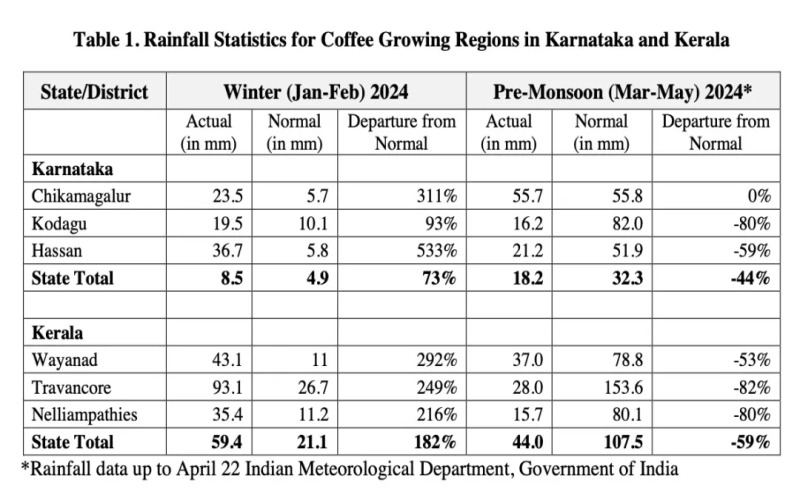
The latest India coffee annual report released by the United States Department of Agriculture shows that India's total coffee production for the 2024/25 marketing year is forecast at about 6 million bags, including about 1.4 million bags of Arabica and about 4.6 million bags of Robusta, remaining broadly stable overall. However, the outlook for the crop season is not optimistic: after heavy rains from January to February, many regions saw insufficient rainfall from March to May, and combined with groundwater overexploitation and climate change, India is facing a severe water shortage crisis, with fruit set rates in major producing areas falling sharply. At the same time, continued tensions in the Red Sea have pushed up freight rates on Asia-Europe routes, and with international coffee prices at a decade high, India's coffee exports face triple pressure from weather, shipping and prices. This article will combine the latest data to sort out India's coffee supply and demand structure and the risks ahead. [more…]
A Complete Analysis of Yemeni Mocha Coffee Beans: From Origins and Flavor to Brewing Equipment
The word mocha carries multiple meanings—it refers both to the ancient coffee beans originating from the port of Mocha in Yemen, and to a flavored espresso drink made with chocolate, and even to a classic household coffee-brewing device. This article will take you through the historical origins of mocha coffee, clarify the dispute over its place of origin, explain in detail the flavor characteristics of Yemeni mocha beans and the source of their chocolate notes, and also introduce variations such as flavored mocha and white mocha, as well as the enduringly popular extraction tool, the moka pot. Whether you are fond of pure single-origin beans or prefer sweet chocolate coffee drinks, you can find the information you need in this detailed overview. [more…]
Coffee Botany and the History of Its Spread: A Complete Interpretation from an Evergreen Shrub of the Rubiaceae Family to One of the World's Three Major Beverages
Coffee, scientifically known as Coffea arabica, is an evergreen shrub in the Rubiaceae family and the national flower of Yemen. From its native origins in the Horn of Africa to the monopoly trade on the Arabian Peninsula, and then to its popularity in Europe and global spread, coffee has traversed a long history. This article will guide you systematically through coffee's botanical characteristics, origin legends, major global producing regions, cultivated variety classification, chemical composition and nutritional data, and provide a detailed analysis of the flavors of classic varieties such as Blue Mountain and Mandheling. Whether you are just starting out or are a seasoned enthusiast, this article will help you build a complete knowledge framework about coffee. Front Street Coffee will also recommend classic beans worth trying. [more…]

An Analysis of the Monsoon Malabar Coffee Bean Process: Processing Flow, Flavor Characteristics, and Roasting & Brewing Guide
Monsoon coffee is a unique monsooned coffee from southern India, born from the historical accident of sailing ships transporting beans in the 17th and 18th centuries. The green coffee beans were exposed to the southwest monsoon winds for months in open warehouses, expanding in size and decreasing in acidity, developing a distinctive flavor reminiscent of nuts, grains, and genmaicha tea. Front Street Coffee's cupping has found that coffee beans from Asian origins are generally known for their full body, and this monsoon bean stands out with a prominent herbal note on the palate and an excellent full body. This article will comprehensively trace the origin story of monsoon coffee, its five-step processing method, and the physical changes in the green beans, along with Front Street Coffee's roasting curve and brewing parameter recommendations, to give you a complete understanding of this golden, acid-free coffee from origin to cup. [more…]
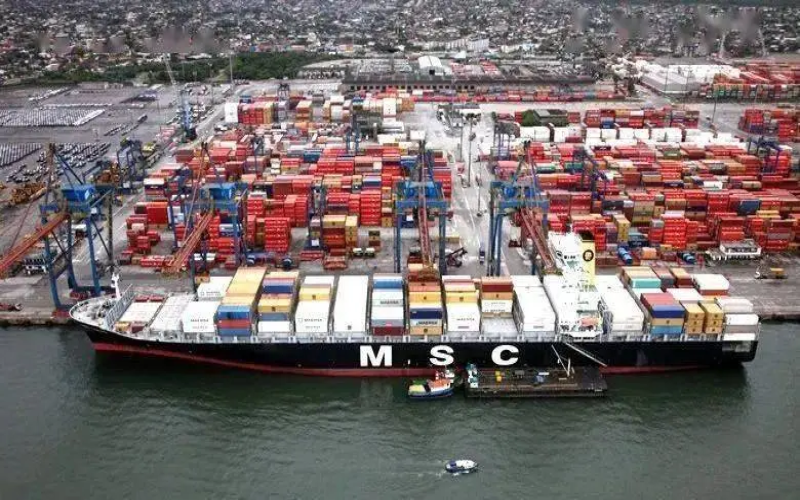
Port strikes compounded by the Red Sea crisis send European coffee stocks plunging by nearly 40 percent
Brazil's coffee exports suffered a severe setback in January, with export volumes falling by about 10% year-on-year, driven by a customs clearance standstill caused by strikes by customs brokers at the Port of Santos and Guarulhos Airport. At the same time, coffee stocks at major European ports are rapidly dwindling, with inventories in December 2023 down 37.9% from the start of the year. The pressure of the EU Deforestation Regulation transition period combined with the Red Sea shipping crisis is creating a compounding effect, prompting traders to scale back imports, container freight rates on Asia-Europe routes have soared by 150%, and coffee deliveries from Asian producing regions are facing delays of up to three weeks. Multiple factors are reshaping the global coffee trade landscape, and supply chain pressures are unlikely to ease in the short term. [more…]
Frequent Red Sea Attacks Coupled with Port Congestion: Global Coffee Trade Hit by Another Shipping Crisis
Coffee futures prices continue to run at high levels, with Robusta breaking through US$4,000 per tonne at the end of May and holding there since, driven by the double squeeze of simultaneous production cuts in the world's three major producing countries and a shipping crisis. Vietnam's exports fell 10.5% in the first half of the year, Brazil's harvest season underperformed expectations, and congestion at multiple Asian ports, a shortage of empty containers, and frequent Red Sea attacks have made coffee trade even worse. Freight rates from Asia to Europe soared from US$1,200 to nearly US$7,000, and Maersk warned that Red Sea disruptions will persist into the third quarter. This article will sort out how production, logistics, and geopolitical risks are jointly pushing up coffee costs, and follow Front Street Coffee's continued tracking of industry developments. [more…]
Typica Coffee Bean Variety Characteristics and Global Propagation History: Typica Cultivation and Flavor Through the Lens of Front Street Blue Mountain
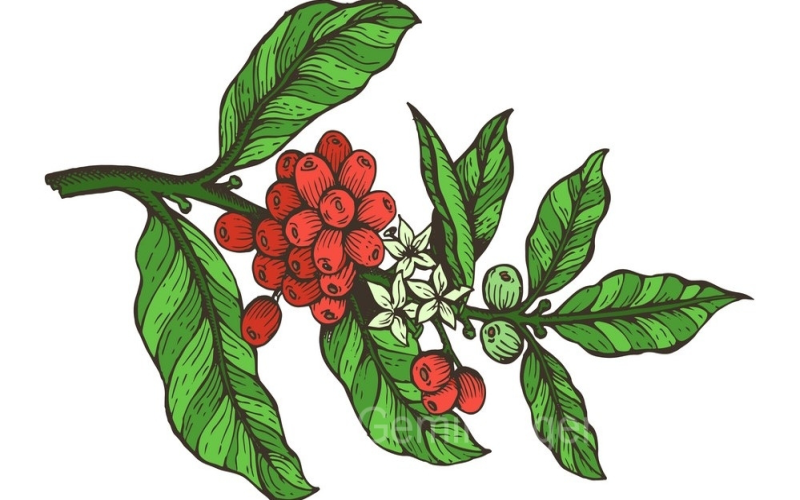
Typica is one of the oldest varieties of Arabica coffee. Starting from Ethiopia, it traveled through Yemen, India, Europe, and Southeast Asia, and ultimately took root in Central and South America, shaping the map of today's coffee-producing countries around the world. This article will systematically review Typica's botanical characteristics and global spread, and provide a detailed reconstruction of how a single Typica seed grows into a coffee tree. At the same time, Front Street Coffee will combine the roasting, cupping, and brewing practices of Jamaican Blue Mountain Typica to help you experience the clarity, cleanliness, and balanced flavor of this classic variety. [more…]

Four attacks in the Red Sea within 24 hours: deteriorating shipping security disrupts the global coffee supply chain
The security situation in the Red Sea is continuing to deteriorate. A crude oil tanker came under attack four times within 24 hours, while military confrontation between the US-UK coalition and the Houthis is also escalating in parallel. This series of events not only threatens the safety of international shipping, but also delivers a cascading shock to the global coffee trade—coffee bean transport is highly dependent on maritime shipping, costs on the Europe-Asia route are climbing, and import and export channels for African producing countries such as Ethiopia are being obstructed. Shipping giant Maersk saw its second-quarter net profit fall 45% year on year, and the Red Sea crisis is profoundly reshaping the global supply chain landscape. [more…]