







Why Is Vietnam's Coffee Industry Under Pressure in 2024?
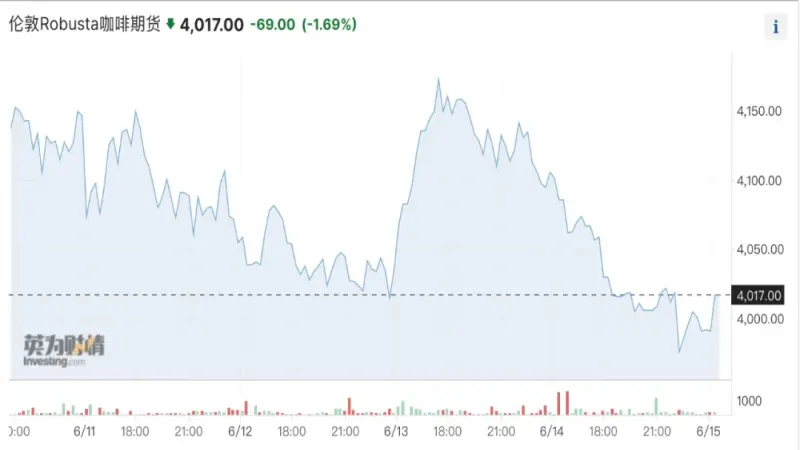
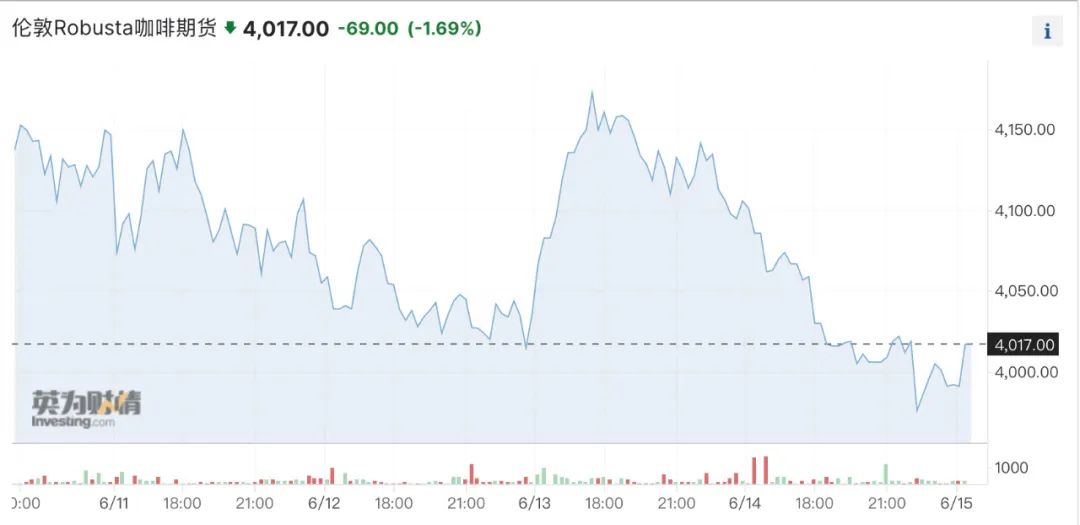
Vietnam's coffee industry is struggling with prolonged heat, drought and low rainfall that cut coffee production, even after high international prices encouraged farmers to plant more. In the first five months of 2024, Vietnam's coffee exports fell nearly 6% year on year, while robusta futures held near $4,000 per ton, pushing some roasters to buy from Indonesia or raise their own prices.
Rainfall in Gia Lai Province in May and June reached only 10 to 15 millimeters, far too little to relieve the drought, and farmers could do little beyond heavy irrigation as coffee trees yellowed and dropped leaves. Sharply higher pepper prices offer better returns than coffee, so some farmers may switch crops, a shift that could reduce Vietnam's coffee production area and tighten global robusta supply further.
Vietnam, as a major global robusta coffee-producing region, has recently suffered from prolonged high temperatures, drought, and insufficient rainfall, leading to a significant decline in coffee production. Although high international coffee prices had once encouraged farmers to expand planting, extreme weather has made cultivation extremely difficult. In the first five months of 2024, Vietnam's coffee exports fell by nearly 6% year-on-year, while robusta futures prices remained high at $4,000 per ton, forcing some roasters to turn to Indonesia for procurement or choose to raise prices. At the same time, pepper prices have risen sharply, with returns far higher than coffee, which may prompt farmers to switch to pepper cultivation, potentially reducing Vietnam's coffee planting area in the future. Front Street Coffee will continue to monitor this upheaval affecting the global coffee supply chain.
Recently, the price of robusta coffee exported from Vietnam has remained firm in the international market. Although robusta futures prices have fallen somewhat, they are still at the level of $4,000 per ton, which is behind the successive difficulties encountered by Vietnam's coffee industry and the resulting decline in production.
In fact, the continuous rise in international coffee prices had once inspired many Vietnamese coffee farmers to consider expanding cultivation. However, this year's extreme weather brought by the El Niño phenomenon, including high temperatures, drought, and little rain, has put local coffee cultivation in a very difficult situation.
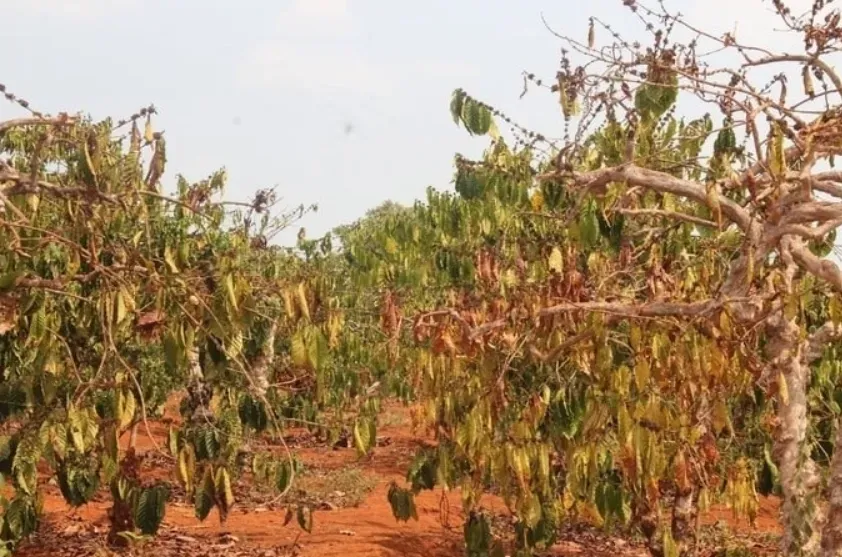
From March to April this year, Vietnam suffered severely from drought, with riverbeds in many reservoirs drying up and cracking, groundwater resources scarce, and crops such as coffee trees showing signs of withering, yellowing, and leaf drop.
By May, Vietnam entered the rainy season, but rainfall was still insufficient to alleviate the drought. According to local meteorological authorities, in May and the current June, rainfall in Gia Lai Province, a major coffee-producing area in Vietnam, was only 10 to 15 millimeters, which is simply not enough to effectively relieve the drought, and most of the time it was only brief showers.
Local farmers can only mitigate the impact of extreme weather on coffee trees through heavy irrigation and other methods, but the effect is very limited. Some farmers reported that coffee trees grown in Vietnam are relatively sensitive to temperature, growing well at 24 to 28°C, while current temperatures are on the high side, between 25 and 35°C, leading to reduced yields and lower quality of flower buds, fruits, and coffee. In addition, when temperatures are high, pests and diseases spread very easily.
According to Vietnam Customs data, Vietnam's coffee exports in May 2024 were 79,358 tons, down 47.8% month-on-month; cumulative exports in the first five months of this year were 817,514 tons, a decrease of 5.8% compared with the same period last year.
The decline in exports has kept robusta coffee prices high. Some coffee brands say that some merchants are currently forced to go to Indonesia to purchase coffee beans, but the quantity is not large because Indonesian coffee prices are also high. In the end, many coffee brands can only choose to raise prices.
However, in addition to the high price of coffee beans, pepper prices are also rising. According to reports, in the first five months of 2024, Vietnam's exports of various types of pepper reached 114,400 tons. Although this was down 13.2% year-on-year, the export value reached $493 million, up 20.6% year-on-year. Among them, the average export price of black pepper was $4,197 per ton, and the average export price of white pepper reached $5,804 per ton, increases of $754 and $849 respectively.
Vietnam is the world's largest pepper exporter. Although production has also declined due to weather, limited market supply has led to high prices. These high-value crops are clearly more attractive to farmers, and Vietnam's coffee planting area may therefore decrease in the future.
The above content is compiled by CoffeeHunters, a coffee news website.


