







Search Results for: historical
Coffee and Cafe Culture Fundamentals: A Complete Interpretation from Historical Origins to Social Spaces
Coffee is more than just a beverage, and a café is more than just a place to drink coffee. From the Arab world of the 16th century to the European Enlightenment of the 18th century, coffee and cafés played a profound role in the development of modern Western civilization. Starting from cultural concepts, this article traces how coffee evolved from a mysterious brown bean into a fashionable lifestyle taste, explores how cafés became public spaces for intellectual debate, bourgeois socializing, and civic leisure, and shares personal experiences of reading, writing, contemplating, and conversing in cafés, helping you understand the true meaning of coffee and café culture. [more…]
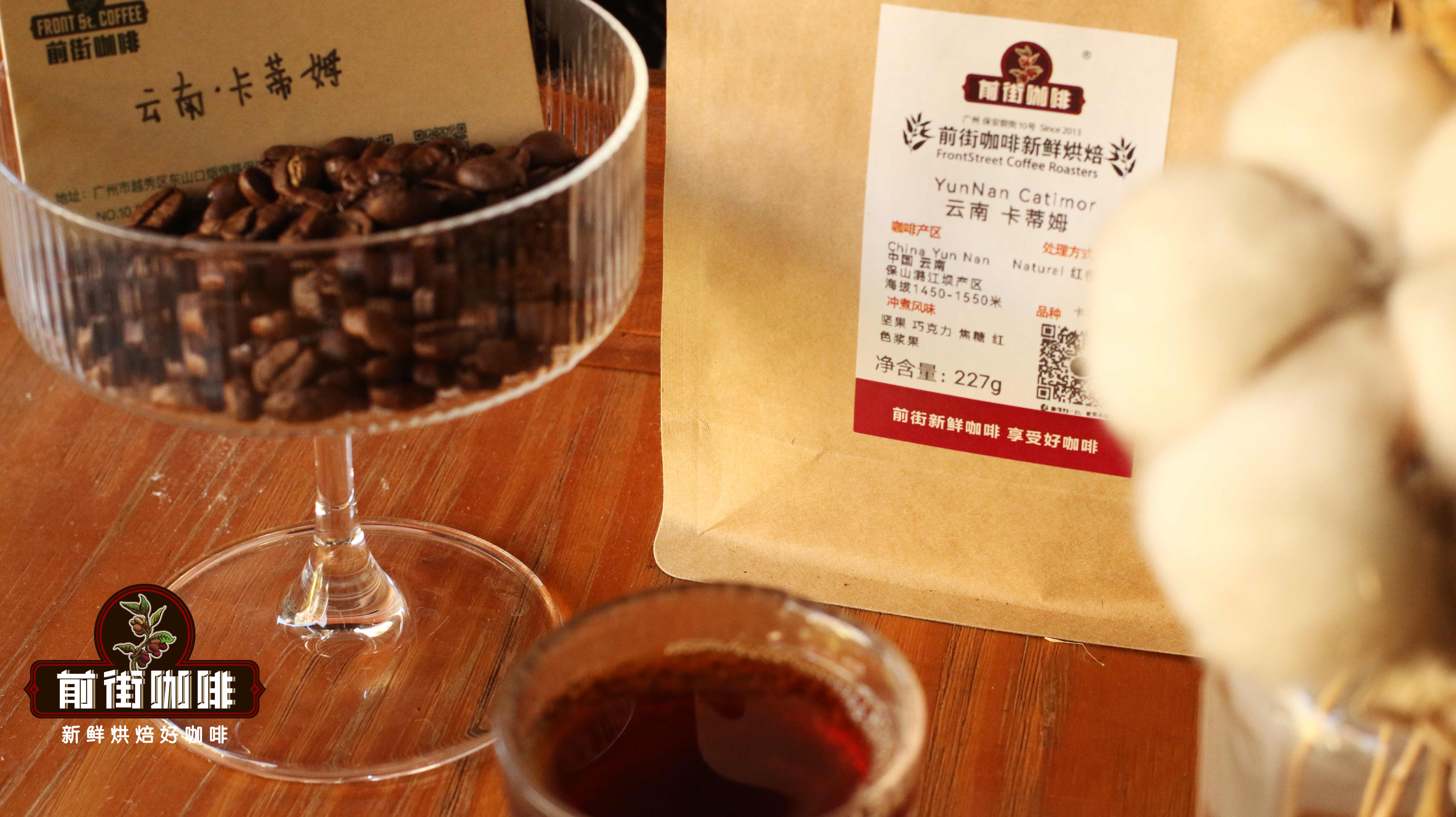
The Historical Development of Specialty Coffee in Yunnan, China | How to Buy Authentic Yunnan Small-Bean Coffee? Beginner-Friendly Recommendations for High-Quality Yunnan Single-Origin Beans for Pour-Over Coffee
When it comes to the representative of Chinese coffee, many people may think of Yunnan coffee, or Yunnan small bean. So what exactly does Yunnan small bean refer to, and where can you buy authentic Yunnan small bean? Today let's talk about this pride of Chinese goods. Yunnan small bean can be understood as Arabica among coffees, and the coffee fruit is relatively [more…]
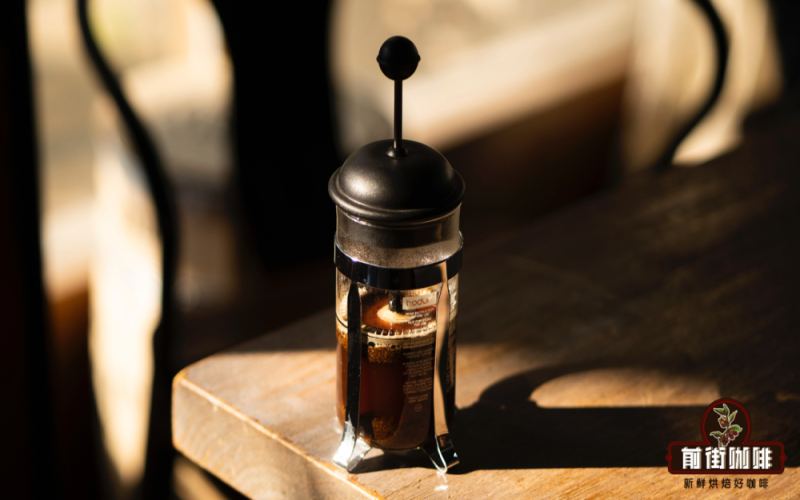
French Press Recommendations | What is the historical origin of the French Press? Which brand of French Press is more affordable and better value?
WBC World Barista Championship competitor Suzuki Shiki once said that the advantage of a French press is its very simple brewing principle—anyone can use it, and differences in brewing technique won't cause variations in coffee flavor. A French press can very directly express the coffee's own flavors, and at the same time is not affected by filter paper altering the coffee's flavor. [more…]
The Historical Origins of Colombian Coffee | What Does FNC Mean in Colombian Coffee? What Are the Flavor Characteristics of Colombian Coffee?
Coffee has become an everyday beverage. While enjoying that morning cup—a liquid complete with sweetness, acidity, and bitterness—coffee drinkers have begun to notice that beans from different regions taste different as well. Brazilian coffee is soft and smooth, Ethiopian coffee has bright acidity, and Indonesian coffee is low in acidity and full-bodied. Front Street Coffee has encountered [more…]
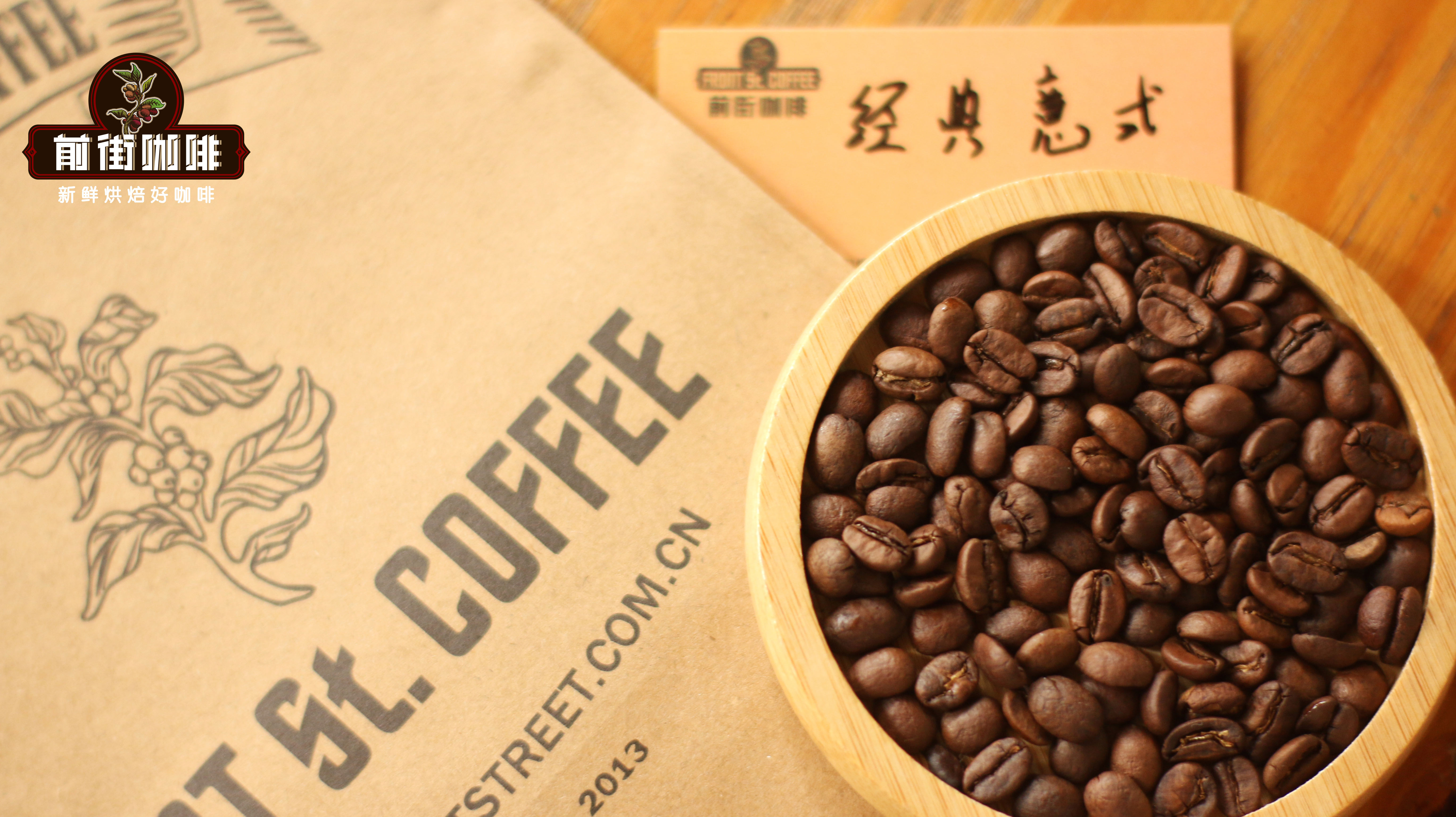
The Complete Guide to Espresso: From Its Historical Origins to the Three Extraction Types—Ristretto, Normale, and Lungo
Espresso is the soul drink of coffee shops around the world; classics such as Americano, latte, and cappuccino are all built on it. But espresso itself is far from being just one form—based on the extraction method and the coffee-to-liquid ratio, it can be divided into three types: Ristretto, Normale, and Lungo. From the perspective of Front Street Coffee, this article first sorts out the etymology and meaning of Espresso and the evolution of the Italian coffee machine, then breaks down one by one the specific parameters and flavor differences of the three espresso extraction schemes. It also explains the formation principle of crema, the tasting steps, and Front Street's actual practices in blend bean selection and serving, helping coffee lovers fully understand the flavor logic of espresso. [more…]
A Complete Guide to Brazilian Santos Coffee Beans: From Historical Origins to a Flavor Comparison of Front Street Queen's Farm and Cerrado
Brazil Santos coffee beans are one of the most familiar Brazilian representatives for coffee lovers worldwide, known for being soft and smooth, low in acidity, and prominently nutty, and they are also the top choice recommended by Front Street Coffee baristas for customers who dislike sourness. This article will take you through the legendary origins of Brazilian coffee from more than three hundred years ago, outlining how Brazil started from zero to become the world's largest coffee-producing country, and will also introduce in depth two Bourbon-variety Brazilian beans from Front Street Coffee—the Yellow Bourbon from Queen Estate in São Paulo and the Red Bourbon from Cerrado in Minas Gerais—covering regional terroir, processing methods, roasting recommendations, and brewing parameters to help you fully understand the classic charm of Brazilian coffee. [more…]
Malaysian White Coffee Flavor Characteristics and Ingredient Differences: A Comprehensive Analysis from Its Ipoh Origins to Health Benefits
White coffee is a highly representative traditional specialty of Malaysia, with a history spanning over a century. It is not white in color; rather, it is made from three types of coffee beans—Liberica, Arabica, and Robusta—subjected to medium-light low-temperature roasting and special processing that greatly reduces caffeine, burnt bitterness, and astringency, resulting in a pale milky-golden hue and a mellow, gentle flavor. Compared with black coffee, white coffee differs fundamentally in bean selection, roasting methods, and brewing techniques; it contains no trans fats, has lower caffeine and calories, is gentler on the stomach, and does not easily turn sour after cooling. This article will systematically outline the flavor components, processing characteristics, historical origins, health benefits, and brewing methods of white coffee, offering you a comprehensive understanding of this classic Nanyang coffee. [more…]

Ethiopian Coffee Exports Set New Record, Five-Year Plan Aims for $6 Billion Target
Recently, Ethiopia announced that its coffee export revenue for the 2025/26 fiscal year exceeded US$3 billion for the first time, reaching a historic high. Ethiopian Minister of Agriculture Adisu Arega stated that coffee export revenue for this fiscal year grew by 13% compared with the previous fiscal year, and the coffee industry continues to remain the country's largest agricultural [more…]

The Triple Identity of the Word "Mocha": From Yemeni Coffee Beans to Espresso Drinks and Home Moka Pots
The word "Mocha" appears with extremely high frequency in the coffee world, but what exactly does it refer to? Friends new to coffee are often confused by the three things: mocha coffee beans, the mocha coffee drink, and the moka pot. In fact, their origins may span one or two centuries, and there is no direct derivative relationship between them, yet they all happen to share the name "Mocha." To sort out this relationship, the clues trace back to the Port of Mocha in Yemen. This article will break down the true meaning of these three "Mochas" one by one from three angles: historical origins, flavor characteristics, and brewing principles, and will also include Front Street Coffee's practical advice on choosing beans for the moka pot. [more…]
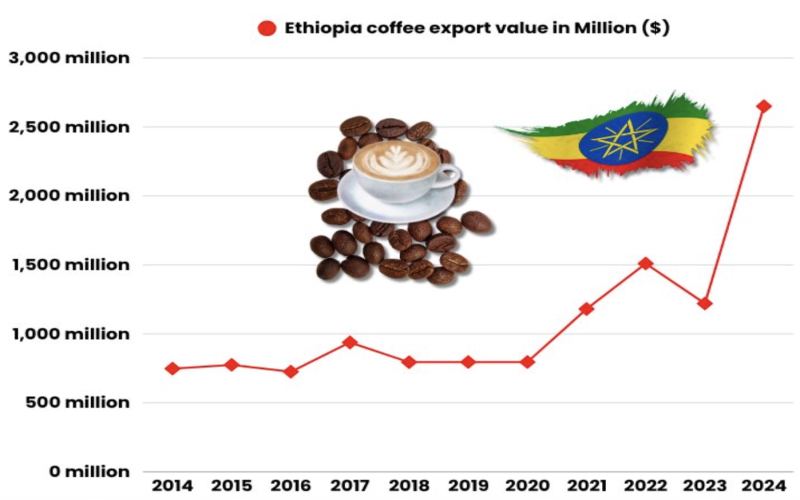
2024-2025 Ethiopia Coffee Export Report: Ethiopia's Main Coffee Export Destinations and Production
Ethiopia is not only the birthplace of Arabica coffee but also one of the world's major suppliers of high-quality coffee beans. Coffee occupies a central position in Ethiopia's economy, culture, and trade. In 2024-2025, Ethiopia's coffee export volume and export revenue both reached historic highs, marking [more…]
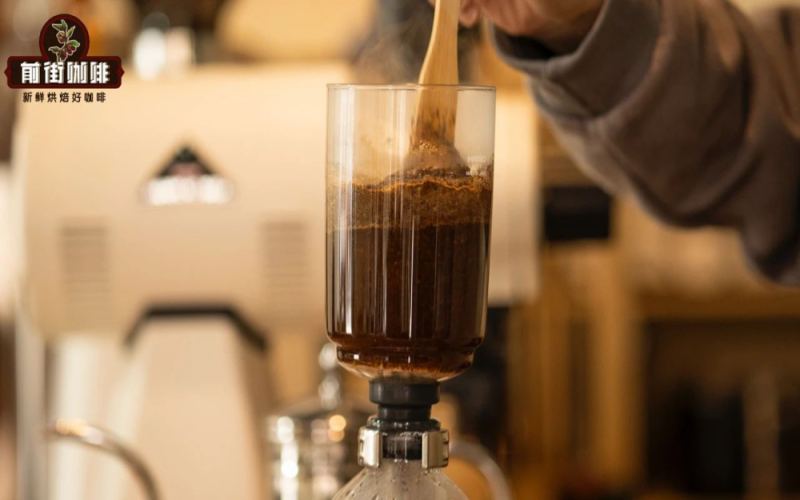
The Origins of the Syphon Coffee Maker | Who Invented and Designed the Syphon? What Are the Flavor Characteristics of Syphon Coffee and Pour-Over Coffee?
The appearance of the siphon coffee maker is just like the scientific instruments of scientists from hundreds of years ago seen in history books, with a classical aura. In fact, the siphon coffee maker really has a history of about 200 years. Who designed and invented siphon coffee? The basic principle of the siphon coffee maker is to use the phenomenon of vacuum siphon. [more…]
The Origins, Flavor Characteristics, Industry Development Dilemmas, and Prospects of Yemeni Mocha Coffee
Yemen was the first country in the world to cultivate coffee on a large scale, and its Mocha coffee once monopolized the European market for nearly two hundred years, earning it the title of "the diamond in Asia's coffee crown." However, in recent years, Yemen's coffee production has continued to decline, quality standards are lacking, the export structure is monolithic, and the industry faces numerous difficulties in its development. This article will take you back through the historical origins of Mocha coffee, analyze the natural and cultural factors behind its unique flavor, and review the current state and future prospects of Yemen's coffee industry. For coffee lovers, understanding Yemeni Mocha is an indispensable lesson in comprehending the world of coffee. Front Street Coffee will also recommend Yemeni Mocha products worth tasting. [more…]
Jamaica Blue Mountain No. 1 Coffee Bean Grade Analysis: Flavor Characteristics of Clydesdale Estate Blue Mountain Coffee
Jamaican Blue Mountain No. 1 coffee beans are widely recognized as the pinnacle of the coffee world, and together with Hawaiian Kona, they are known as "the King and the Queen." Although in recent years, affected by production fluctuations and climatic factors, the overall quality and reputation of Blue Mountain coffee have fluctuated somewhat, Blue Mountain No. 1 still firmly holds the throne, and its price has become more rational. Specialty coffee emphasizes estate traceability, and Jamaican Blue Mountain mainly comes from three major estates: Clydesdale, Mavis Bank, and Moy Hall. This article focuses on Blue Mountain No. 1 from Clydesdale Estate, sorting out its historical context and brand evolution, and introduces Front Street Coffee's recommendation and interpretation of this bean, helping you understand the true grade and flavor characteristics of this legendary coffee. [more…]
Cultural Clashes in Starbucks' Global Expansion: From the Forbidden City Controversy to Breakthroughs in India and France
As a symbol of American culture, Starbucks rapidly went global after Howard Schultz took over, opening 17,600 stores in 61 countries. However, when Starbucks entered countries with deep cultural traditions such as China, India, and France, it frequently encountered cultural resistance and controversy. From being forced to withdraw from its Forbidden City store, to the long wait in the Indian market, to the French people's steadfast defense of traditional cafés, Starbucks, while exporting American coffee culture, has also had to face the stubborn resistance of local cultures. This article will walk you through Starbucks' path of cultural conflict and integration around the world, and explore the balance between business expansion and cultural respect. [more…]
Espresso Coffee Bean Brand Recommendations | Which Espresso Blend Coffee Beans Offer the Best Value? What Brand of Espresso Beans Can You Buy for Opening a Coffee Shop?
In the world of espresso beans, although new varieties are released every day, a few major brands still stand out for their exceptional quality and deep historical background. Today, let's summarize which coffee bean brands offer great value for money. 1. Frontsteet Coffe [more…]
Yunnan coffee bean purchase prices climb to 35 yuan per kilogram, ushering in a critical window for industry recovery
In the past two to three years, affected by the pandemic, the logistics and inventory of imported coffee beans encountered obstacles, while the price of Yunnan's local coffee beans gained upward support as a result, injecting a rare boon into local coffee enterprises. Looking back ten years, Yunnan coffee bean prices were depressed for a long time, and growers' confidence was shaken. Today, the purchase price of 35 yuan/kg has broken through historical levels. Hu Lu, deputy secretary-general of the Yunnan Coffee Industry Association, pointed out that this price is undoubtedly a shot in the arm for the Yunnan coffee industry, which is in a winter period. If this price level can be stably maintained for three to five years, the whole province is expected to set off a new round of planting enthusiasm. At the same time, the market expects this round of increases to continue until June or July, when Brazil and Colombia enter their harvest seasons, and changes in output may trigger a new round of fluctuations. Front Street Coffee reminds enthusiasts to pay attention to developments in producing areas and to grasp the dual changes in flavor and price. [more…]
A Review of the World's Top Ten Famous Coffee Chains: A Flavor Journey from Starbucks to Front Street
Coffee has long become part of modern daily life, and the chain brands found on street corners are precisely an important force driving the popularization of coffee culture. This article reviews ten representative coffee brands from the United States, Japan, Germany, Italy, the United Kingdom, Canada, Singapore, and China, covering Starbucks, Doutor, Tchibo, Ditsch, Second Cup, illy, Costa, McCafe, The Coffee Bean & Tea Leaf, as well as Guangzhou's local Front Street Coffee. Each brand has its own unique historical background and business philosophy, from affordable positioning to specialty roasting, from fast-food speed to slow craftsmanship, together forming a diverse picture of the global coffee market. Whether you seek convenience or care about flavor, you can find names worth knowing in this list. [more…]
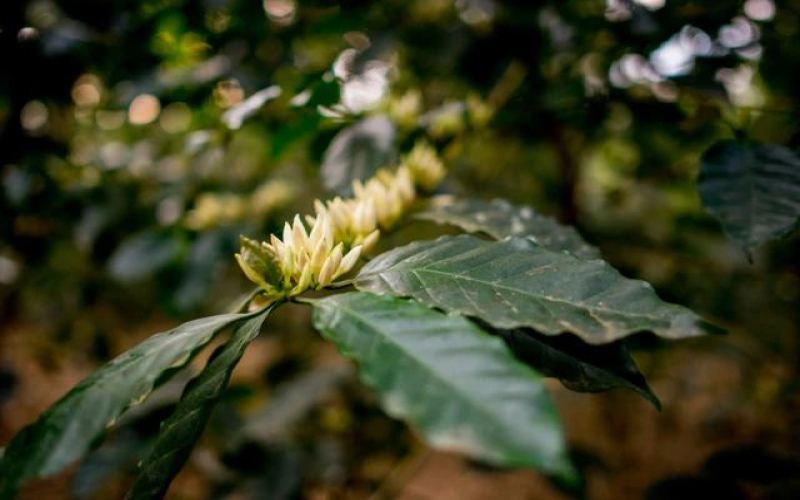
An Inland Gem of the Indochinese Peninsula: The Complete Story of Lao Coffee from Colonial Introduction to Modern Production Regions
In the Asian coffee landscape, Indonesia's Mandheling and Vietnam's massive output often dominate the conversation, while the coffee story of landlocked Laos is rarely mentioned. This country, bordering China, Vietnam, and Thailand, nurtures a mild and smooth coffee flavor thanks to the high altitude, abundant rainfall, and volcanic soil of the Bolaven Plateau. From the introduction of Typica and Bourbon during the French colonial period, to the shift toward Robusta after war and disease, and now to a diverse landscape where Arabica accounts for one-third, Lao coffee has weathered a century of ups and downs. This article will walk you through the historical trajectory, core production regions, and current state of the Lao coffee industry, along with relevant recommendations from the Front Street brand. [more…]
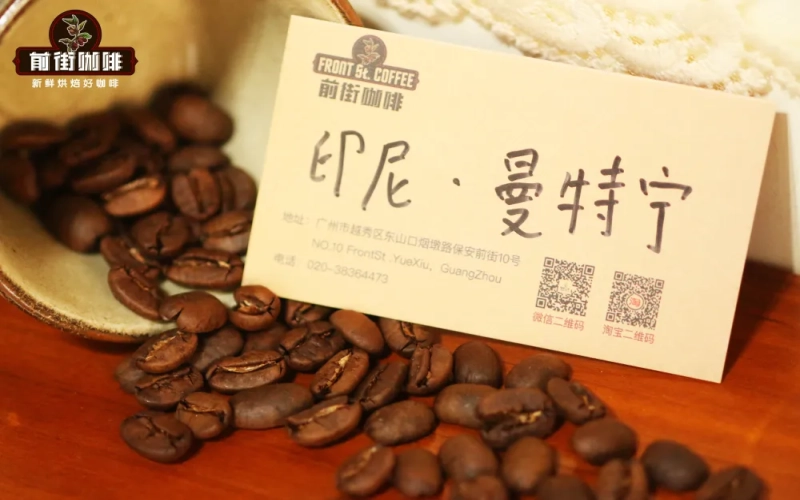
Indonesian Mandheling Coffee Buying Guide: From the Origin of the Name to Flavor Characteristics, Which Front Street Coffee Is Worth Buying
Friends who enjoy drinking coffee may have noticed that Indonesian coffees are usually named directly after their producing islands, such as Java, Sulawesi, and Sumatra. But one well-known coffee is an exception—Mandheling from the island of Sumatra. Behind this name lies an interesting historical misunderstanding, while its unique flavor comes from the local special wet-hulling process. This article will guide you through the origin of the name Mandheling, the reasons behind its flavor, and recommend two products—Front Street Indonesia Mandheling G1 and Front Street PWN Golden Mandheling—to help you choose fresh, clean beans with no off-flavors. [more…]
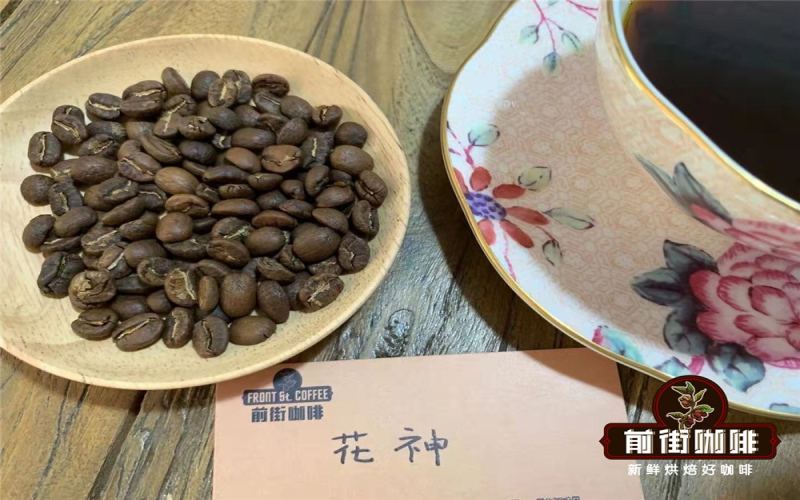
Exploring the Flavors of Guatemala Antigua Coffee: Volcanic Soil, Smoky Character, and Brewing Parameters for Flor del Café
Guatemalan coffee is renowned worldwide for its distinctive volcanic smokiness and rich flavor, and the Antigua region in particular is hailed as a representative of the world's finest coffee. This article traces in depth the historical origins and growing environment of Antigua coffee, analyzes the causes of its tobacco and charcoal-roasted notes, and provides a detailed introduction to the varietal characteristics of La Minita Estate's Floral God coffee, its washed processing method, and Front Street Coffee's roasting and brewing recommendations. From Mayan civilization to modern specialty coffee, from the volcanic heartland to the flavors in your cup, this takes you on a comprehensive journey into the unique charm of this Central American coffee treasure. [more…]