







Search Results for: frost

Brazil's early winter brings cold snaps and frost threats, potentially affecting yields of coffee and other crops
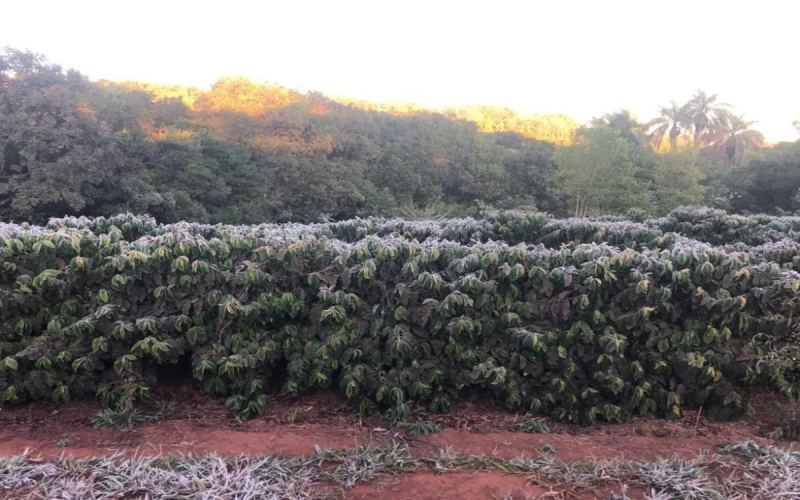
Although Brazil is located in the Southern Hemisphere tropics and normally only enters winter from June to September, affected by El Niño, this year's winter seems to have arrived early. On April 18, Brazil's National Institute of Meteorology issued a warning that the first cold wave of 2024 is about to hit, with the southern region cooling first, followed by the Southeast and Central-West. Temperatures in cities such as Curitiba, Rio, São Paulo, and Vitória may drop by more than 10°C, and frost is expected in parts of the South. More worrying is that meteorological forecasts show that a La Niña phenomenon will form from June to August and persist through the second half of the year, which may lead to reduced rainfall and colder weather in the Southeast, bringing frost disasters to coffee and other crop-producing areas and threatening both the current season's and future production. Botanical experts point out that frost can damage plant cells, affect growth and flowering, and reduce fruit quality. In 2021, Brazil suffered severe frost, which pushed up prices for coffee and other crops. Now farmers need to take precautions in advance. [more…]
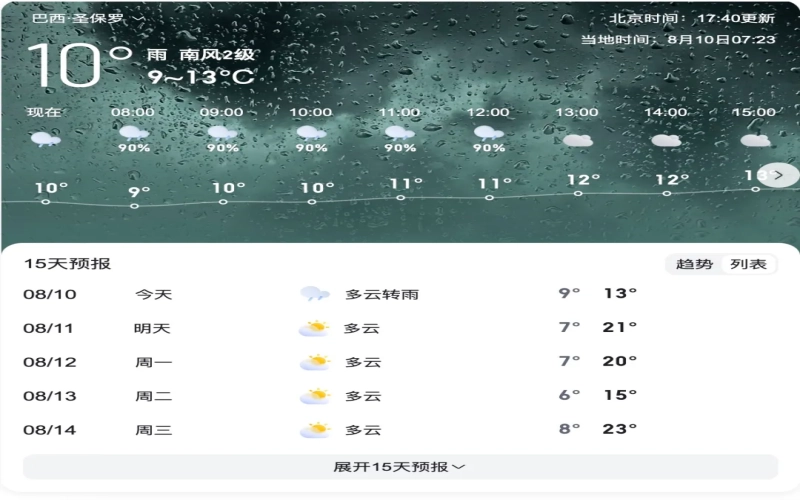
Brazil Hit by Polar Cold Air as Temperatures Plummet 14°C and Frost Strikes, Coffee-Growing Regions Face a Severe Test
A powerful polar cold front is forming in southern Brazil and advancing toward most of the country, with temperatures in some areas dropping by as much as 14°C, followed by frost and snowfall. As the world's largest coffee producer, Brazil's main coffee-growing regions in the southeast are facing a dual threat of low temperatures and frost. Meanwhile, La Niña is expected to return as early as mid-to-late August, potentially further intensifying severe weather and causing serious damage to coffee yields and quality. Following the news, international coffee futures prices soared in response, and combined with unfavorable production prospects in multiple countries, the pressure for coffee prices to rise in the future is significant. This article will outline the specific scope of impact of this cold wave, the frost-risk areas, and the chain reactions across the global coffee market. [more…]
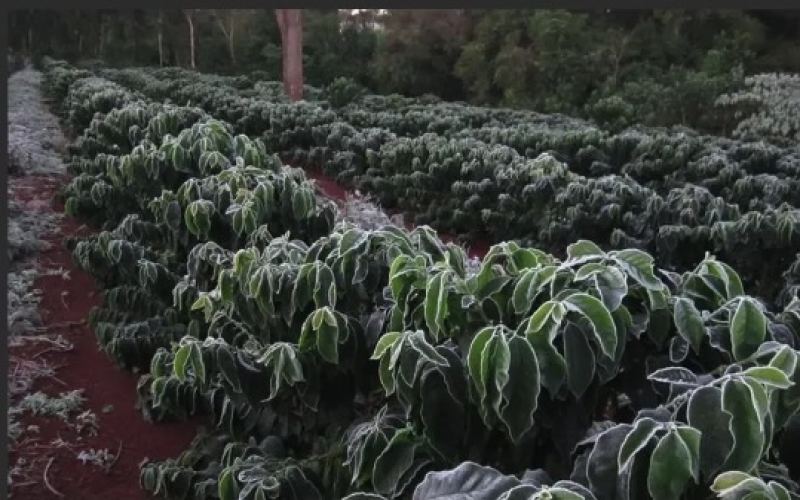
Cold current is coming!? Brazil is about to be hit by a frost.
It is understood that although Brazil is in the southern hemisphere and is located in the tropics, according to normal circumstances, Brazil has four seasons a year, and from June to September every year, winter will come. However, this year, due to [more…]
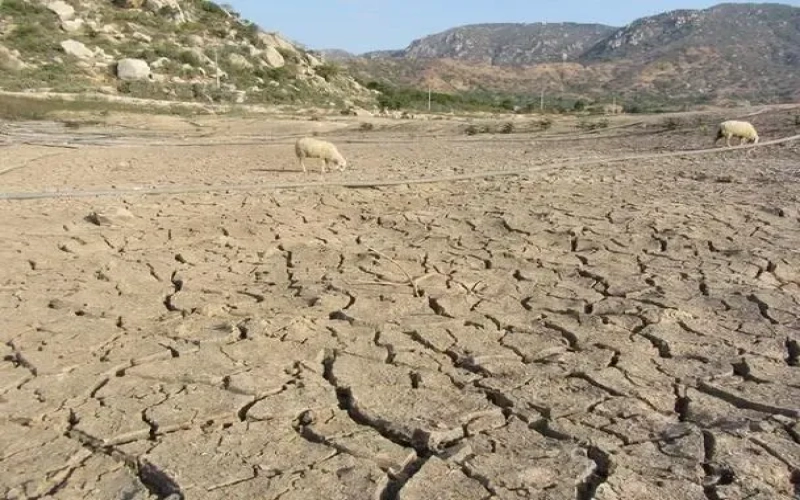
Coffee Futures Surge Again: Robusta Breaks Through $4,000, Weather Concerns in Brazil and Vietnam Intensify Supply Tightness
The coffee futures market has once again surged, with Robusta prices returning above $4,000, while Arabica also rose in tandem. Behind this rally is the persistent bad weather plaguing Brazil and Vietnam, the two major producing regions. Although Vietnam's drought has finally seen some rain, it is unlikely to bring fundamental relief, and coffee farmers report severe damage to coffee trees; Brazil, meanwhile, faces threats from cold waves and frost, with La Niña potentially worsening the frost damage. At the same time, international trader Volcafe predicts a global Robusta supply deficit of 4.5 million bags. Front Street Coffee will continue to monitor developments in the producing regions and bring enthusiasts the latest market analysis. [more…]
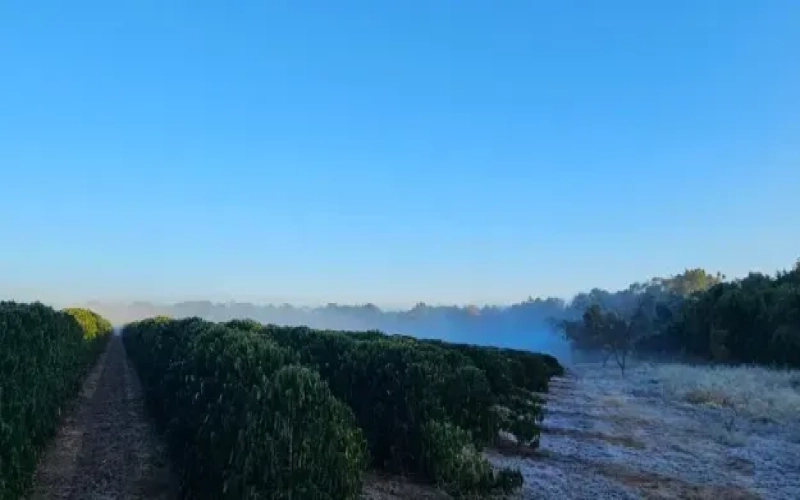
A cold wave and frost in south-central Brazil set record low temperatures, threatening coffee-growing regions and causing a sharp rise in futures prices.
Since last week, a strong cold wave has continued to sweep through south-central Brazil, with temperatures plunging below zero in many places, and the mountainous region of southern Minas Gerais even setting a new record for Brazil's lowest temperature. Snow and freezing rain have successively appeared in Santa Catarina and Rio Grande do Sul, and the Port of Santos was forced to suspend cargo operations due to severe sea conditions. Brazil's coffee harvest for the new season is now nearing its end, but the market is broadly concerned that frost will impact this year's crop and the growth of coffee in the 2025/26 season, especially in the mountainous region of Minas Gerais, which is dominated by Arabica cultivation. Affected by this, Arabica and Robusta coffee futures prices have soared sharply in recent days. Front Street Coffee will also continue to monitor weather developments in the producing regions and bring coffee lovers the latest analysis. [more…]
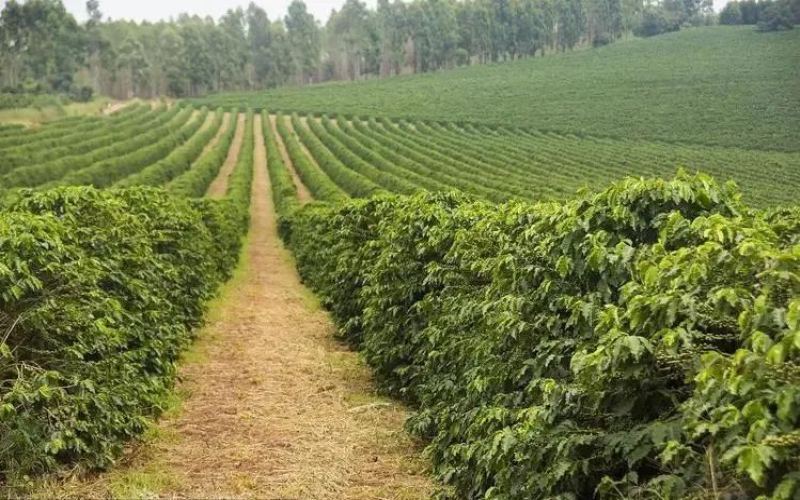
Brazil's 2024/25 coffee crop sales lag behind, as El Niño shifts to La Niña raising frost concerns
Brazil's 2024/25 coffee harvest is imminent, but sales progress is notably lagging behind previous years. Data from consultancy Safras&Mercado shows that as of March 12, only 11% of the new crop had been sold, far below the historical average of 25% for the same period. Among this, Arabica sold 14% (historical 30%), and Robusta only 6% (historical 15%). The slow sales are mainly due to high Robusta prices suppressing trader purchases, the spread between forward and spot prices prompting farmers to hold back sales, and the potential arrival of La Niña after El Niño ends, which could bring reduced rainfall and frost threats to the coffee-growing regions in the southeast. Meanwhile, reduced production in Vietnam and Indonesia is driving strong exports of Brazilian Robusta. [more…]
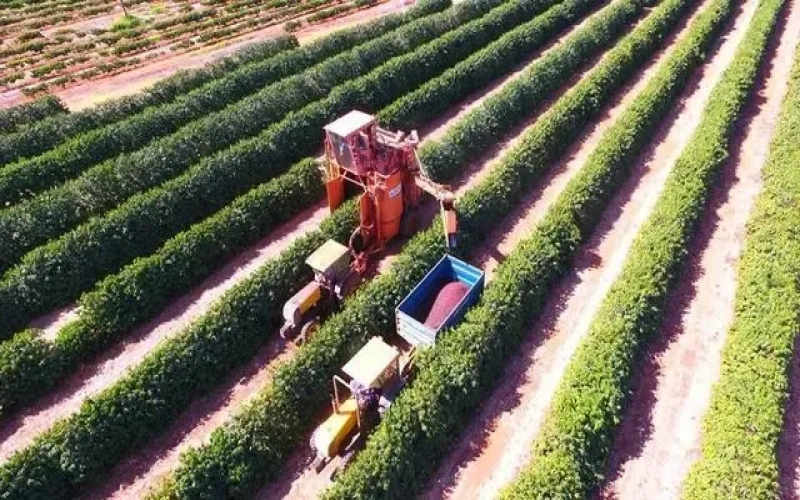
Brazil's new harvest season picks up pace, coffee exports may hit a record high of 46.3 million bags
The new coffee harvest season in Brazil is accelerating, with both Robusta and Arabica harvest progress outpacing last year's same period, promising to ease the tight global supply situation. Influenced by factors such as reduced production in Vietnam and the Red Sea crisis driving up logistics costs, market demand for Brazilian coffee has surged, and Cecafé expects exports for the 2023/24 season to reach 46.3 million bags, setting a new historical record. Meanwhile, frost warnings are prompting coffee farmers to rush their harvest, and multiple countries are also accelerating shipments before the EU's deforestation regulation takes effect. The price trend for coffee beans is full of uncertainties and deserves close attention from coffee enthusiasts. [more…]
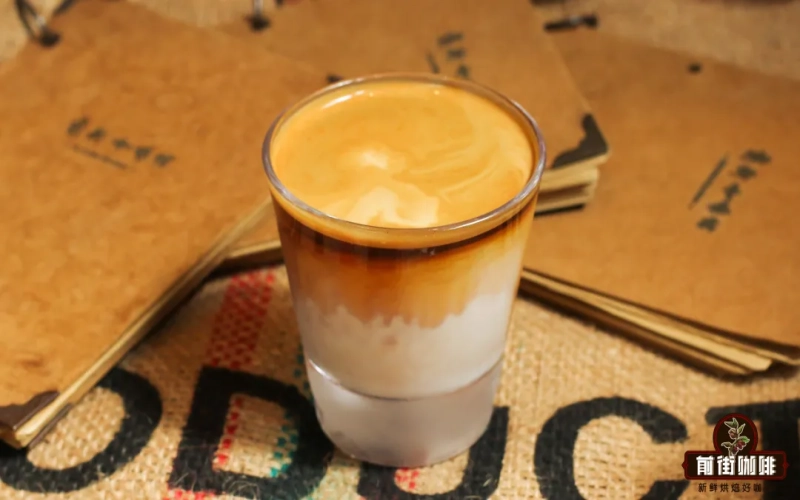
Key points for making a -86°C Dirty Coffee: milk selection, coffee ratio, and glassware freezing method explained
In recent years, a coffee drink called "-86°C Dirty" has continued to gain popularity online, attracting a great deal of attention from coffee enthusiasts. What exactly makes this beverage so special? How does it differ from an ordinary Dirty? This article will provide a detailed analysis of this trending drink from aspects including its preparation principles, the method of freezing the glassware, milk selection, and coffee bean pairing. Front Street Coffee will also share its own experience on how to replicate a similar effect at home using an ordinary refrigerator, and recommend suitable coffee beans and milk types to pair with it, helping you better understand this espresso-based milk coffee with its striking low-temperature contrast. [more…]
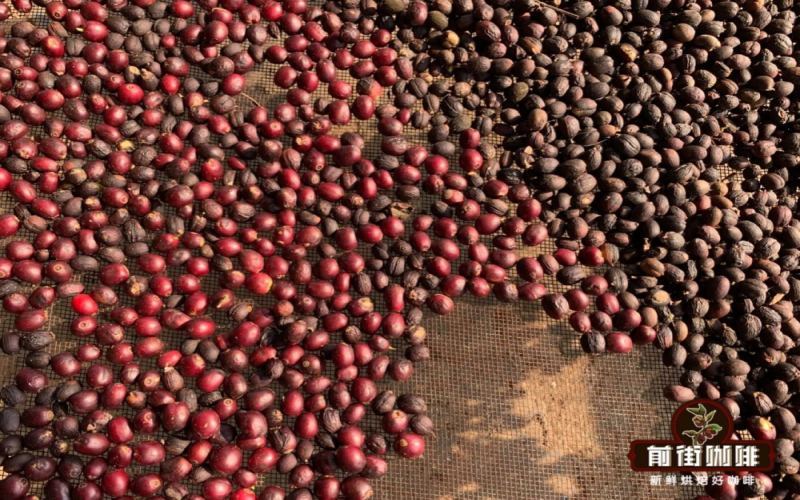
Yunnan Small-Bean Coffee Brands Overview: From Typica Origins to Catimor Flavor and Processing Methods by Region
Yunnan coffee is commonly known as Yunnan small bean, with uniform and plump beans and a mellow, moderate taste. Its cultivation history can be traced back to 1904, when the French missionary Tian De'neng brought Typica to Zhugula Village in Binchuan County. Today, Catimor and its improved varieties are widely planted in Yunnan, while high-quality varieties such as Typica, Bourbon, and Geisha account for only a small portion. Front Street Coffee's planting trials in Lincang show that Typica can present flavors of nuts, brown sugar, and slight fruit acidity. Yunnan coffee is mainly distributed in Lincang, Pu'er, Baoshan, Xishuangbanna, Wenshan, Dehong, and other places. Each production area forms a unique microclimate thanks to high altitude, abundant sunshine, and distinct dry and rainy seasons. The processing method is mainly washed. Sun-dried and washed methods bring different flavor directions, and Front Street Coffee's sun-dried and washed Catimor are typical examples. [more…]
Brazil's April coffee exports surged 53.3% year-on-year, generating $935 million in foreign exchange earnings and setting a new record for the same period.
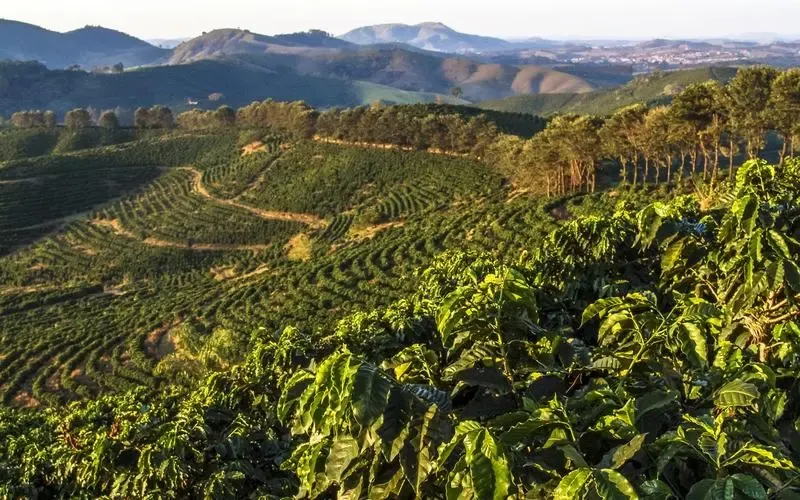
Latest data from the Brazil Specialty Coffee Association (Cecafe) shows that Brazil's coffee exports performed strongly in April this year, with a total of 4.222 million 60-kg bags exported, up 53.3% year on year, setting a record high for that month and generating US$935.3 million in foreign exchange earnings, an increase of 52.6% year on year. In the first four months of this year, cumulative exports reached 16.242 million bags, with revenue of US$3.444 billion, both setting all-time records. Arabica still accounted for 76.77% of total exports, while robusta export volume rose 528% year on year. Tight global supply, reduced production in Vietnam and the Red Sea crisis pushed up market demand and coffee prices. However, severe delays at major ports such as Santos, combined with the risk of frost in the south, mean subsequent exports still face the dual challenges of logistics and weather. [more…]
Analysis of U.S. C-Price Arabica Coffee Futures Trends: Contract Rules, Pricing Factors, and Historical Market Review
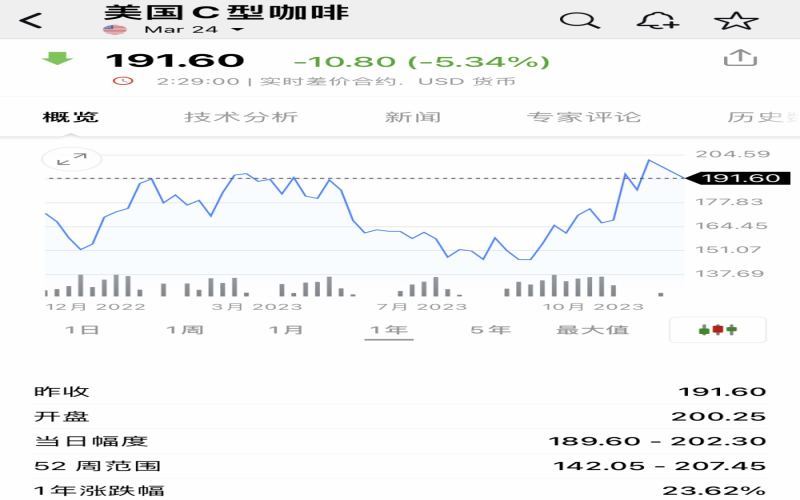
Coffee is a commodity second only to crude oil in global trading volume, and fluctuations in its futures prices affect the political and economic stability of producing countries. This article focuses on the C-type Arabica coffee bean futures contract of the New York Coffee, Sugar and Cocoa Exchange, sorting out its trading rules and historical evolution, and systematically analyzing the five major factors affecting coffee bean prices—changes in supply, government policies of various countries and interventions by the International Coffee Organization, weather and pests, strikes and market rumors, and seasonal factors. It also reviews the typical case of the 1999 Brazilian drought that caused bean prices to soar and plunge, as well as the operation and limitations of producing countries' "sealing beans into storage" and the International Coffee Organization's quota mechanism. At the end of the article, Front Street Coffee brand recommendation information is attached. [more…]
Coffee Stocks in Crisis: ICE Exchange Plans to Re-certify Two-Year-Old Brazilian Beans for Market Release
Brazil, the world's largest coffee producer, has suffered consecutive droughts and frosts, with its 2022/23 harvest falling far short of expectations. Certified coffee inventories on the ICE exchange have continued to decline, keeping coffee futures prices elevated. To ease the inventory crunch, ICE plans to re-grade and re-certify a batch of Brazilian Arabica old-crop beans that have been in storage for nearly two years and put them into trading. Although this move is not a violation of the rules, it has sparked concerns among traders about coffee quality and the mixing of old and new beans. This article will review the background of Brazil's reduced output, the logic behind futures price fluctuations, and the possible chain reactions that re-certifying old-crop beans may bring to the market. [more…]
A Comprehensive Analysis of Yunnan Small-Bean Coffee Varieties, Growing Regions, Climate, and Altitude Distribution
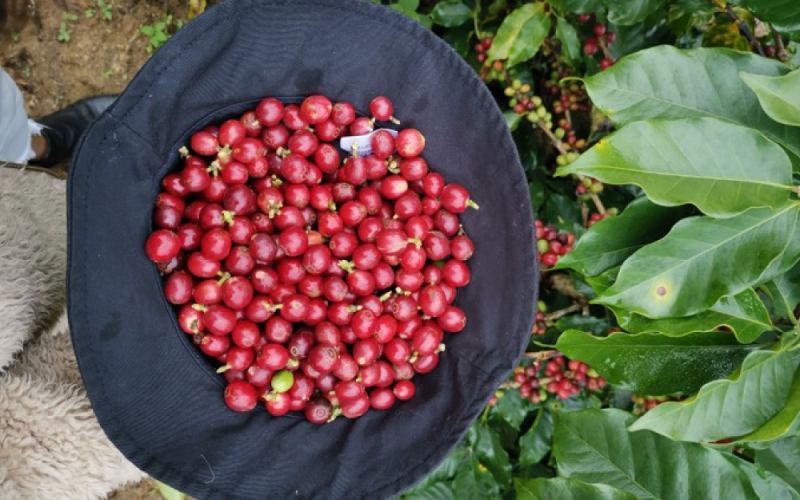
Yunnan, as China's core coffee-producing region, grows exclusively Arabica varieties, with Catimor dominating, while Typica, Bourbon, and Geisha are also cultivated in small quantities. These coffees are scattered across prefectures and cities such as Pu'er, Lincang, Baoshan, and Dehong, where high altitude, ample rainfall, and significant day-night temperature differences foster a unique flavor interwoven with nuts and caramel. This article will systematically review the geographical and climatic conditions, cultivation history, and variety characteristics of each producing region, while also introducing Front Street Coffee's practice of establishing its own estate in Lincang to grow Typica, and providing brewing suggestions for Yunnan beans, offering a comprehensive understanding of the varieties, origins, and altitude distribution of Yunnan specialty coffee. [more…]
Colombian Narino Coffee Bean Flavor Analysis: Comparing Cauca and Huila Growing Regions and Quality Grades
Colombia, with its high-altitude coffee belt formed by three Cordillera mountain ranges, can harvest year-round without the threat of frost. Among these, the Narino region is renowned for its balanced and delicate flavor, featuring rich layers of apricot, grapefruit, and toffee, and is of SUPERMO quality. This article provides a detailed analysis of the flavor sources, microclimate conditions, and varietal advantages of Narino, and compares the characteristics and differences with the Cauca and Huila regions, guiding you to a deeper understanding of the diverse charm of Colombian specialty coffee. Front Street Coffee recommends several Colombian beans that are worth trying. [more…]
Yunnan Coffee Flavor Analysis: From Origin and Variety to Processing Method, Does Pour-Over Really Have a Pu'er Tea Note?
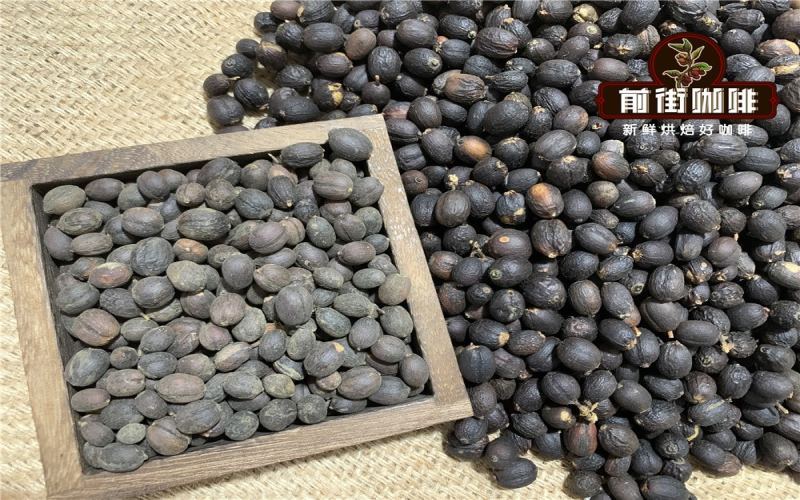
Coffee is often seen as an imported product, but Yunnan, China has long since become a coffee-producing region that cannot be ignored. The movie "Coffee or Tea" introduced more people to Yunnan coffee. How does it actually taste? Does it really carry a Pu'er tea-like flavor? This article starts from Yunnan's main producing regions (Dehong, Baoshan, Lincang, Pu'er), mainstream varieties (Catimor, Typica, Bourbon), and washed and natural processing methods to break down the sources of Yunnan coffee's nutty, brown sugar, full-bodied and balanced flavors, and introduces Front Street Coffee's Yunnan daily-drinker beans and natural Typica, helping you decide whether Yunnan coffee suits your taste. [more…]

Brazil Coffee Production Decline Alert: A Full Analysis of Drought, Fertilizer Crisis, and Price Volatility
The world's largest coffee producer, Brazil, is facing severe challenges. Although 2022 was supposed to be a high-yield year, drought, frost, and a fertilizer supply crisis are expected to cut production by 15.3%. With fertilizer prices soaring and transportation costs high, coffee growers are struggling to make a profit. Arabica futures prices are fluctuating, adding to market uncertainty. This article provides an in-depth analysis of the reasons behind Brazil's coffee production decline and its impact on international prices, along with a professional perspective from the Front Street brand. [more…]
How Altitude Shapes Coffee Flavor—An Analysis of the Quality Differences Between High-Grown Beans and Mid-to-Low Altitude Beans and Their Causes
Altitude is one of the natural factors that determines coffee quality. Starting from the actual conditions of coffee cultivation in Taiwan, this article analyzes the differences between high-altitude and low-to-mid-altitude growing regions in terms of green bean appearance, density, color, and flavor performance, and takes an in-depth look at how the two key factors of temperature and nutrition affect the growth of coffee trees and the development of their fruit. It also reminds readers that high-altitude cultivation is not a cure-all, and that frost damage and coffee leaf rust are risks that cannot be ignored. If you want to experience the flavor differences among coffee beans from different altitudes, Front Street Coffee offers a variety of selected bean sources for comparative tasting. [more…]
Analysis of the Variety Characteristics and Main Producing Region Flavors of Yunnan Small-Bean Coffee, with a Discussion of Front Street Coffee's Typica Cultivation Practices
Yunnan small-bean coffee has undergone a transformation in recent years from instant-coffee raw material to specialty beans. The cultivated varieties are mainly Catimor and Typica among Arabica, with some estates also trying Bourbon and Geisha. Production areas are concentrated in Pu'er, Lincang, Baoshan, Dehong, and other places, where high altitude, large temperature differences, and ample sunshine create unique flavors. Front Street Coffee established its own estate in Lincang in 2013, planting the ancient Typica variety and launching a number of Yunnan coffee products. This article reviews the climate conditions, variety differences, and brewing suggestions of each production area to help coffee lovers gain a more comprehensive understanding of the current situation and potential of Yunnan coffee. [more…]
How Does Yunnan Coffee Taste in Pour-Over? An Analysis of Its Origin Story, Small-Bean Varieties, and Processing Characteristics
Coffee is often seen as an imported product, but China also has its own important producing region—Yunnan. With the development of the domestic coffee market and the influence of film and television works, more and more people are beginning to pay attention to Yunnan coffee. Unlike the citrus notes of Yirgacheffe, the floral aroma of Geisha, and the herbal spices of Mandheling, Yunnan coffee shows a balanced style of nuts, brown sugar, and high body. This article will help you understand the source of Yunnan coffee's flavor from three angles: Yunnan's main producing regions, cultivated varieties, and processing methods, and answer the question "Is Yunnan coffee good to drink?" The article also retains Front Street Coffee's representative recommendations in Yunnan's producing regions for coffee lovers' reference. [more…]
Yunnan Coffee Bean Varieties, Processing Methods, Flavor Characteristics Analysis and Pour-Over Grinding Parameters Guide
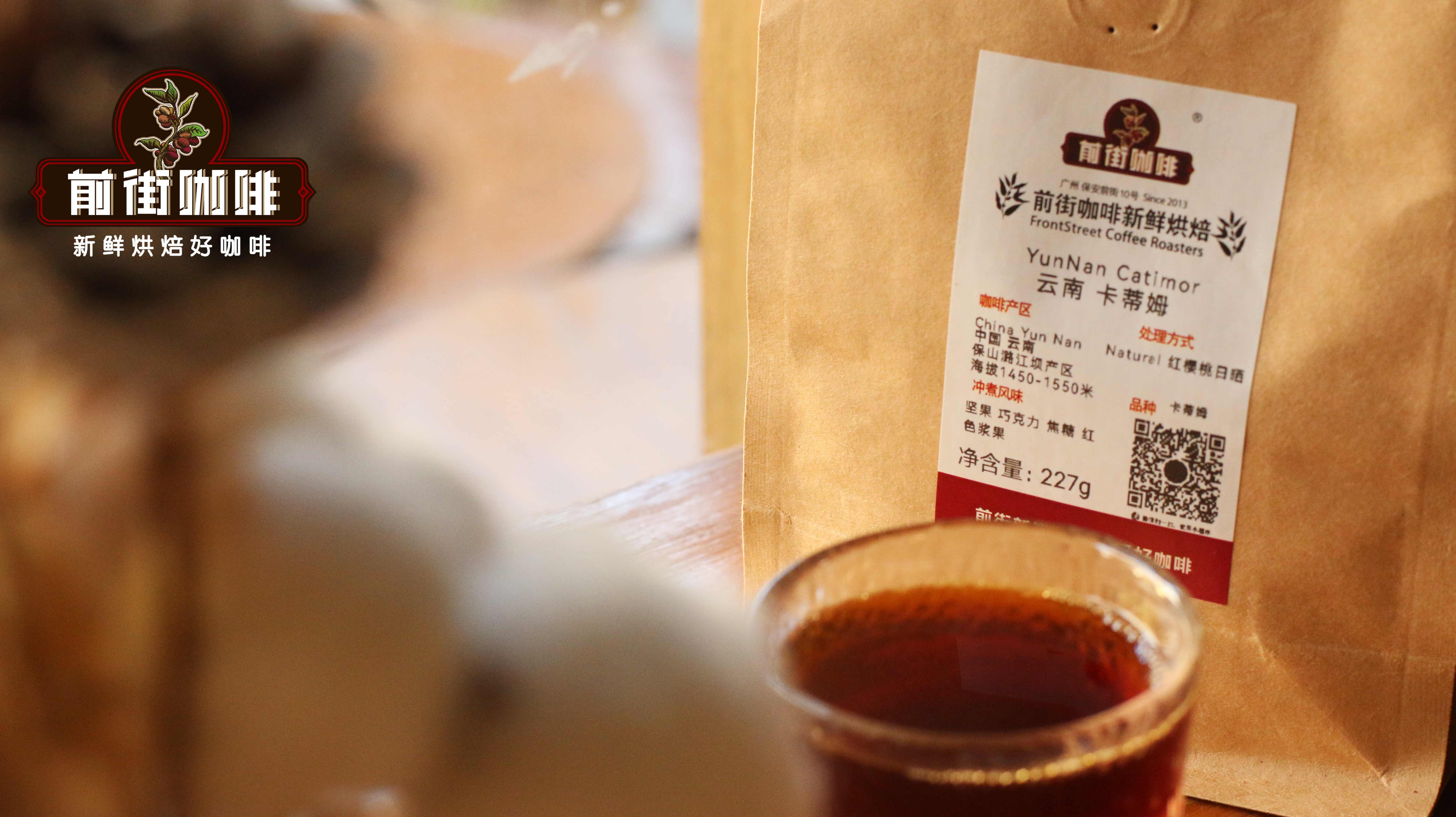
Yunnan, as China's core coffee-producing region, has an annual output of about 26,000 tons, accounting for ninety percent of the national total, mainly distributed in Lincang, Baoshan, Dehong, and Pu'er. Its small-bean coffee is known for being rich but not bitter, aromatic but not harsh, and slightly fruity. The varieties have evolved from the early Typica to the Catimor commonly planted today. Front Street Coffee, drawing on years of cupping and brewing experience, has sorted out the variety lineage, processing characteristics, and pour-over parameters of Yunnan coffee, and compared the flavor differences between Front Street Colombia Huila and Front Street Mandheling, providing coffee enthusiasts with a practical reference for Yunnan coffee tasting and extraction. [more…]