







Why Is Vietnam Coffee Weather Driving Futures Higher?
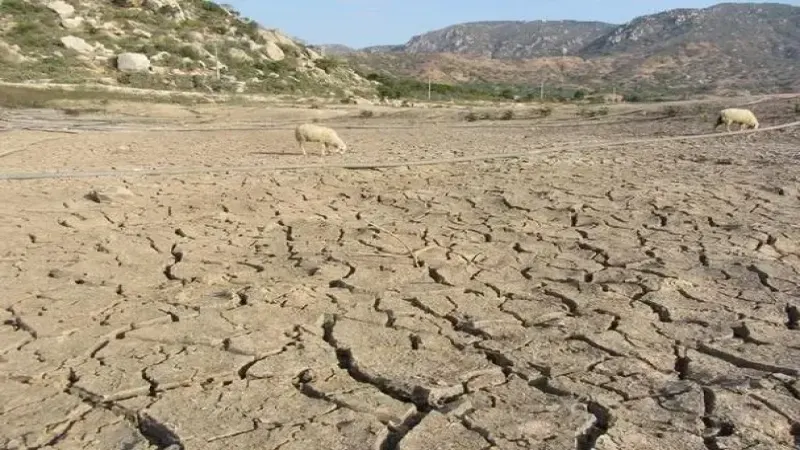
Coffee futures have climbed again, with Robusta back above $4,000 a tonne and Arabica rising alongside it. Unfavorable weather in Brazil and Vietnam, the two major producing regions, is behind the rally. Vietnam's drought has eased only slightly with recent rain, and farmers report lasting damage to coffee trees.
Vietnam coffee output and exports both fell 20 percent in the 2024/25 season, according to the Vietnam Coffee and Cocoa Association. Trader Volcafe forecasts a global Robusta supply deficit of 4.5 million bags. Brazil faces cold waves and frost threats, and La Nina may worsen frost damage, keeping arabica prices under pressure.
The coffee futures market has once again surged, with Robusta prices returning above $4,000 and Arabica rising in tandem. Behind this rally is the persistent unfavorable weather plaguing Brazil and Vietnam, the two major producing regions. Although Vietnam's drought has finally seen some rainfall, it is far from a fundamental relief, with coffee farmers reporting severe damage to coffee trees; Brazil, meanwhile, faces cold waves and frost threats, and La Niña may further worsen frost damage. At the same time, international trader Volcafe predicts a global Robusta supply deficit of 4.5 million bags. Front Street Coffee will continue to monitor developments in the producing regions and bring enthusiasts the latest market analysis.
In April of this year, the coffee futures market experienced a sharp rally, with Robusta coffee futures once hitting a record high of $4,399 per tonne.
The core factor driving the price surge was reduced production caused by drought in Vietnam's producing regions. According to a report by the Vietnam Coffee and Cocoa Association, the country's coffee output and exports both fell by 20% in the 2024/25 season.
In early May, Brazil and Vietnam, the two coffee giants, successively released their April export data, showing that both countries' coffee production and exports had rebounded. At the same time, the Intercontinental Exchange (ICE) also reported an increase in coffee inventories, which temporarily cooled futures prices. Robusta coffee futures fell from the earlier $4,399 per tonne to $3,440 per tonne, while Arabica dropped from 228.1 cents per pound to 196.65 cents per pound.
However, coffee futures prices soon regained their upward momentum. Robusta futures once again climbed above the $4,000 mark, reaching $4,129 per tonne; Arabica futures also rose, climbing to 233 cents per pound.
The reason for this renewed rise in futures prices is that the two major producing seasons in Brazil and Vietnam will continue to be affected by unfavorable weather.
Although Vietnam has now begun to see rainfall, which has somewhat alleviated the drought, the amount of rain is not enough to completely resolve the drought problem. Local coffee farmers report that some coffee trees have wilted, with leaves turning yellow and falling off, and say the current damage has caused irreversible harm to the coffee plants, which will lead to reduced production.
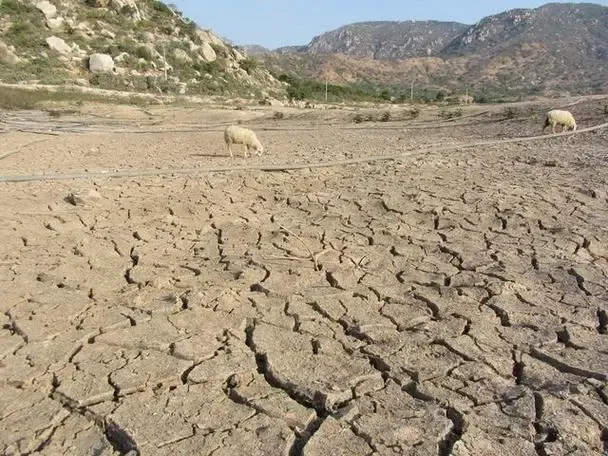
On the other hand, international trader Volcafe judges that Vietnam's 2024/25 Robusta production will be only 24 million bags, the lowest level in nearly 13 years, and predicts that global Robusta coffee supply will ultimately fall short by 4.5 million bags.
Turning to Brazil, the local meteorological department reports that cold weather will sweep across the country, bringing frost and the year's first snowfall.
Data shows that a polar air mass has reached Rio Grande do Sul state in Brazil, where urban temperatures will remain between 3.5°C and 10°C. Frost may occur in parts of the Southeast and Central-West, while southern Brazil will see its first snowfall of the year amid the cold weather.
Although the polar air mass is expected to gradually weaken in the coming days, minimum temperatures in the high-altitude areas of Rio Grande do Sul and Santa Catarina may still drop to minus 1°C to minus 2°C, accompanied by frost.
According to forecasts from the meteorological bureau, in the coming days, as a cyclone drives cold air forward, frost may even occur in parts of Paraná state. The cold air will also intrude into parts of the Central-West, where many cities will see low temperatures, and reach western São Paulo state.
In addition, the upcoming La Niña phenomenon will also exacerbate the risk of frost. These states are precisely Brazil's main coffee-growing regions, where a large number of coffee trees are distributed, and frost will deal an adverse blow to Brazil's new crop season.
The above content is compiled by CoffeeHunters, a coffee news website.


