







Search Results for: convenience
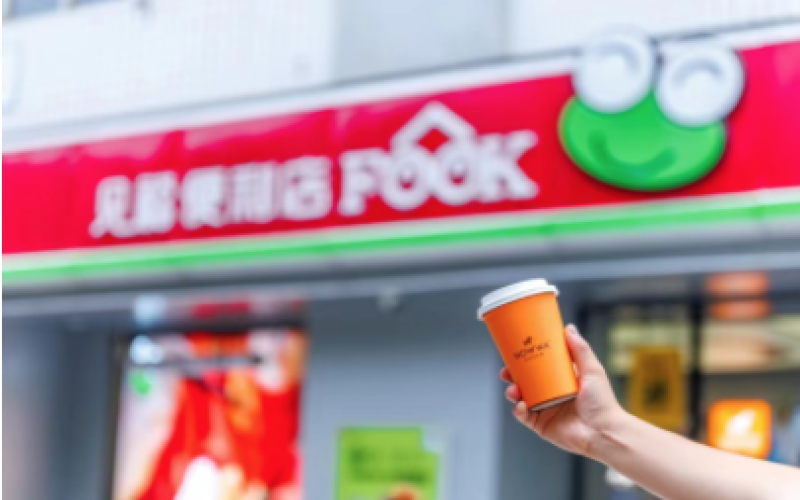
NOWWA Coffee partners with Jianfu Convenience Store to explore a joint operation model, with the first batch of 150 stores already in operation.
The integration of coffee brands with the convenience store format is accelerating. Recently, NOWWA Coffee announced a strategic partnership with Jianfu, the largest convenience store brand in Fujian, and the two parties will jointly operate stores through a co-management model, with the first batch of 150 partner stores already launched. This move not only helps NOWWA expand rapidly by leveraging the convenience store’s mature supply chain and low-cost operating advantages, but also adds a new category to the convenience store’s diversified operations. Against the backdrop of intensifying competition among brands such as Luckin and Cotti, NOWWA is exploring lower-tier markets through offline channel cooperation and plans to launch 500 co-managed stores in 2024 and 2,000 in 2025, covering the four provinces of Fujian, Jiangxi, Sichuan, and Jiangsu. [more…]
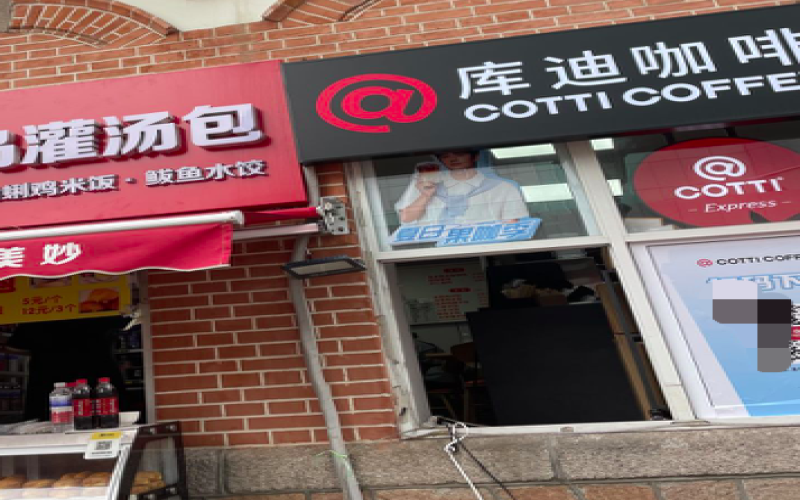
Cotti Coffee's store-within-a-store model sparks debate: from bun shops to pet hospitals, convenience hides hygiene concerns
Recently, a netizen tried to find a Cotti Coffee store using mobile navigation, only to be surprised upon arrival to discover that the coffee shop was actually located inside a soup dumpling restaurant. This netizen's sharing quickly resonated with consumers everywhere, who then posted their own encounters with Cotti stores in places like Lawson convenience stores, service halls, ramen shops, pet hospitals, and even skateboard shops. Since launching its convenient store model in May this year, Cotti has claimed that "a store can be opened with just 1 square meter," and plans to expand by 8,000 convenient stores in the second half of the year, aggressively penetrating into various small and micro commercial scenarios with rapid expansion. However, while the brand accelerates its layout and strives to achieve "Cotti within 100 meters," consumers have raised serious concerns about the hygiene conditions, product quality control, and food safety risks of this store-within-a-store model. Front Street Coffee is also paying attention to this industry phenomenon, believing that balancing convenience and quality will be an urgent issue for Cotti to address. [more…]
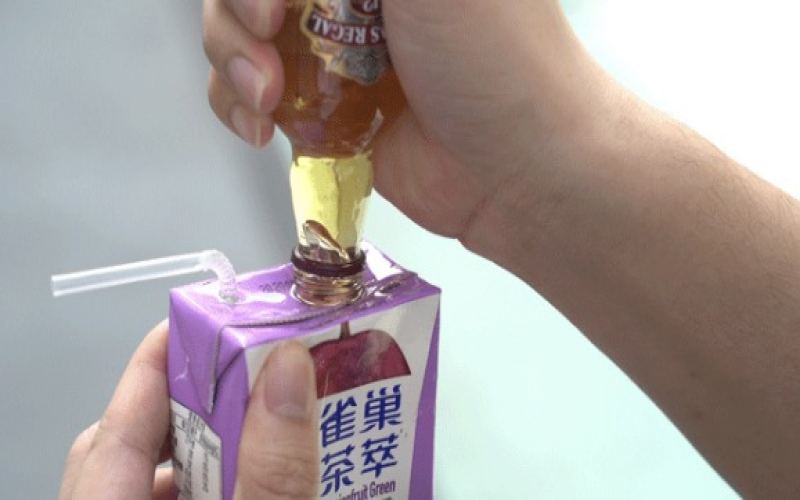
7-Eleven Tests a Self-Service Cocktail Station: Can Convenience Store Cocktails Mixed with Coffee Become the Next Big Trend?
In the past two years, convenience store cocktail mixing has unexpectedly gone viral, with netizens using soft drinks, coffee, and mini liquor bottles to create all kinds of DIY concoctions. 7-Eleven recently piloted a self-service cocktail mixing area at a store in Beijing, offering four popular base spirits along with trending online recipes, allowing consumers to experience coffee cocktails at a lower cost and in a more elegant way. This move not only lowers the barrier to DIY but also reflects young people's blurring of the boundaries between coffee and alcohol consumption scenarios. This article takes you through the past and present of convenience store cocktail mixing and explores whether alcohol and coffee can be consumed together. [more…]
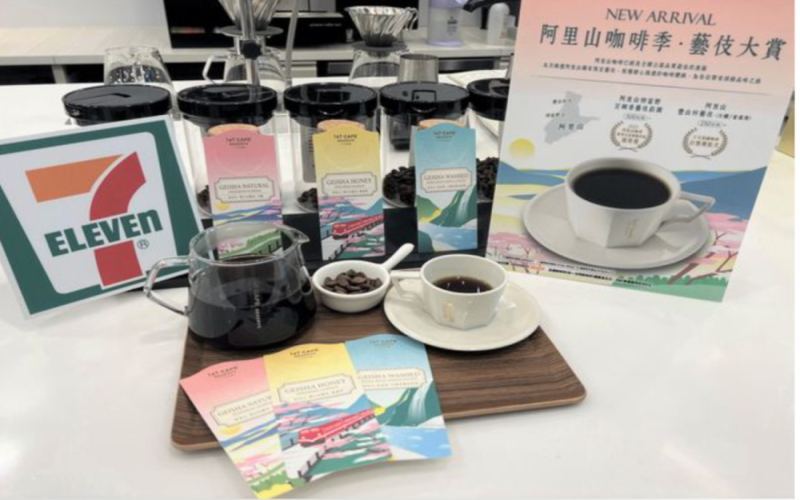
Convenience Stores Enter the Specialty Coffee Game: 7-ELEVEN Launches Limited-Time Alishan Geisha, Three Price Points Spark Debate
A convenience store selling Geisha—doesn't that sound a bit surprising? Taiwan region's 7-ELEVEN, operated by Uni-President Group, recently announced that it would offer a limited-time release of three Geisha coffees from Alishan at 18 stores with specialty coffee sections, priced at NT$250 to NT$500, equivalent to about 57 to 114 yuan. Once the news broke, discussions among netizens quickly heated up: some complained it was expensive, arguing that convenience store coffee should follow an affordable路线; others applauded, feeling this could make Geisha seem more approachable. This batch of beans comes from Fengshan Village in Alishan and the Doyuxiang Geisha Estate, the latter of which just won first prize in the Geisha category at this year's Alishan Coffee Estate Elite Exchange Competition. Is 7-ELEVEN's move an attempt to elevate its brand image, or a test of the convenience store coffee pricing system? This article takes you through the full backstory of the event and discusses the price and value of Geisha coffee. [more…]
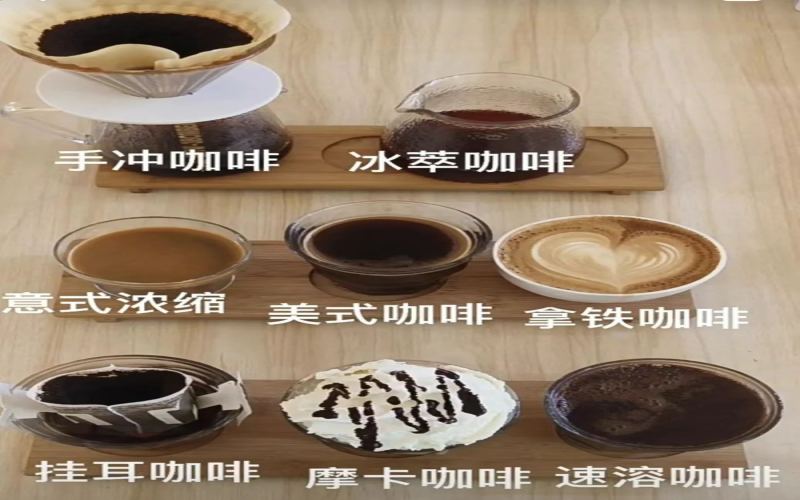
The path of coffee exploration is long; after going in circles, why return to the convenience and practicality of instant coffee?
For many coffee enthusiasts, the journey begins with a cup of instant or freeze-dried coffee. As their understanding of coffee deepens, they try pour-over, hand-brewed, espresso, cold brew, and other methods, and add equipment like drippers, moka pots, and semi-automatic espresso machines to build their own coffee corner. Yet after going around in a big circle, many people ultimately return to the embrace of instant coffee. This is not a step backward, but a practical consideration of time, cost, convenience, and shelf life. For early risers who rely on caffeine to wake up and those who travel frequently, stirring freeze-dried coffee powder into hot milk quickly yields a latte—easier than using a coffee machine, more affordable than chain brands, and allowing you to control the strength as you please. This article explores the real thoughts behind this interesting phenomenon. [more…]
Suning's first specialty coffee shop lands in Nanjing, entering the convenience store coffee race with 27 drinks
Suning Xiaodian's first dedicated coffee shop has begun trial operations in Nanjing, marking Suning's official move to step up its presence in the coffee market. The store adopts a "convenience store + coffee" model, offering 27 beverages across five major categories, including coffee, tea drinks, and frozen treats, with prices ranging from 12 yuan to 28 yuan. Leveraging the network advantages of more than 5,000 Suning Xiaodian stores nationwide and operational data within a three-kilometer radius, Suning Coffee has clear competitiveness in customer acquisition and daily operations. This is also Suning's fourth format for expanding coffee consumption scenarios, following vending counters, express delivery, and unmanned self-service machines. As players such as Mengniu, Nongfu Spring, Coca-Cola, Sinopec EasyJoy, and OYO successively enter the market, the battle for the coffee market has gained another variable. [more…]
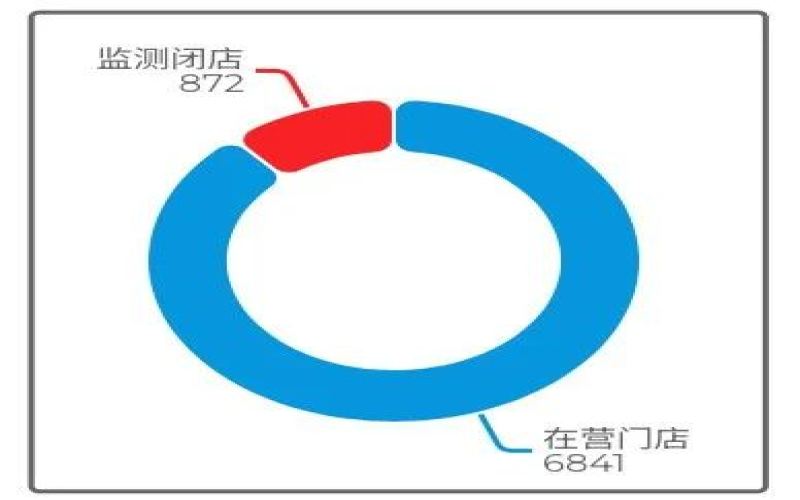
Cotti plans to open 50,000 convenience stores in three years, escalating the outlet battle with Luckin
Cotti Coffee recently announced an ambitious expansion plan: adding 8,000 convenience stores in the second half of the year, reaching a scale of 50,000 stores within three years, and striving to achieve a layout where "Cotti is within a hundred meters." However, as of the end of July, its actual operating stores were fewer than 7,000, still some distance from the goal. Meanwhile, Luckin has launched a counterattack with a scale of over 20,000 stores, curbing Cotti's growth through dense store placements. The two sides have shifted from a 9.9 yuan price war to a battle for locations. How will this competition between two brands from the same roots evolve? This article sorts out the store rivalry, strategic adjustments, and industry impact of the two major brands. [more…]
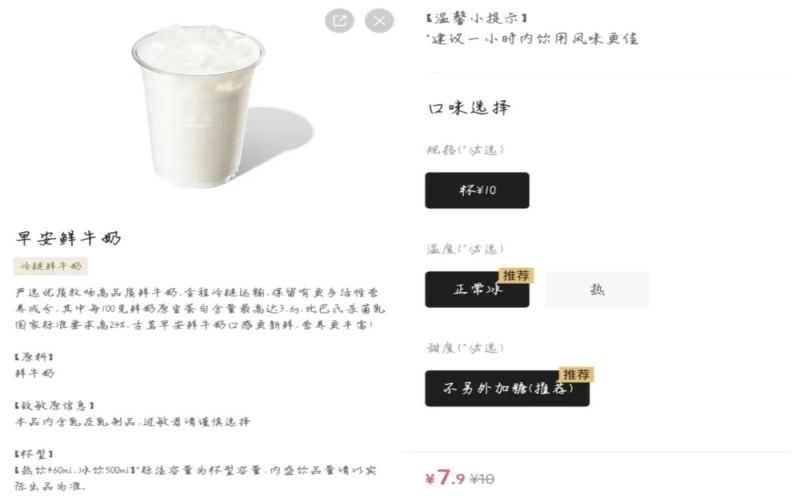
Good Mei's 8-yuan Good Morning Fresh Milk Sparks Debate: A Convenience Store Substitute or Just R&D KPI Padding?
Guming's mini-program has quietly launched a new product called "Morning Fresh Milk." The only ingredient is fresh milk, available in hot or cold options, priced at 8 yuan per 500ml. After trying it, consumers discovered that the cup contains exactly the same refrigerated fresh milk brands used in stores for making tea drinks—Yue Xian Huo, Weigang, and Renyangyitouniu—tasting no different from what's sold in supermarkets and convenience stores. Once the news broke, netizens reacted with sharply divided opinions: some felt the price was completely uncompetitive, arguing it's better to just buy from a supermarket or convenience store, and joked that this was "forcing out a product with no real substance," with R&D staff cobbling together a new item just to meet KPI targets; others thought they could simply add espresso or toppings themselves to make a low-cost latte. Some netizens even let their imaginations run wild, speculating that Guming is testing the waters for a foray into the breakfast market. This article will sort through the discussions sparked by this new product and the possible business logic behind it. [more…]
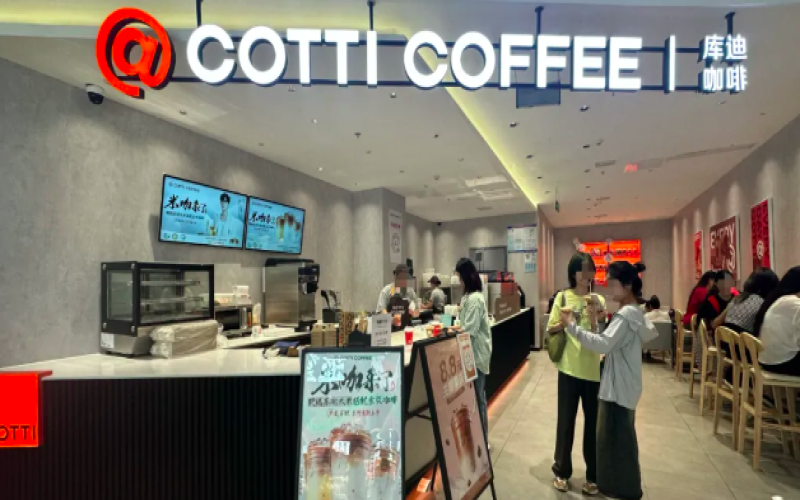
Just One Square Meter to Open a Store? Cotti's COTTI Express Store-in-Store Model Raises Concerns Among Franchisees
In the public perception, chain coffee stores usually require a certain amount of space for tables, chairs, and storage, so their scale is not too small. However, Cotti recently announced the launch of a convenient store format called "COTTI Express," using a store-in-store model to compress the minimum opening area to one square meter, greatly reducing both investment and the break-even point. In fact, brands such as Manner with Lianjia and Tims with Sinopec Easy Joy had already tried similar partnerships. Although this model enables low-cost rapid expansion, it has also raised concerns among franchisees about internal competition, pressure from convenience stores' own coffee brands, and quality control and food safety. Whether the store-in-store model can ultimately help brands capture a larger market still needs time to be tested. [more…]
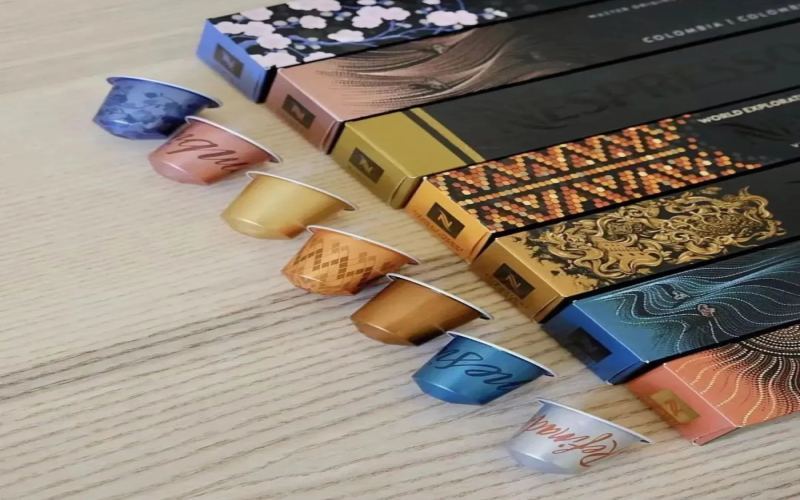
The capsule coffee market continues to expand: combining convenience and quality, giants like Nestlé and Starbucks are racing to stake their claim.
In today's world, where specialty coffee is increasingly popular, capsule coffee still occupies an important market with its convenience and consistent quality. Affected by the pandemic, sales of capsule coffee machines and capsule products have grown significantly, and the global market size is expected to exceed 9.8 billion USD by 2032. From Nestlé Nespresso to Starbucks, illy, Sumida River, and JDE Peet's, major brands have all stepped up their efforts in this field. Capsule coffee is not only cost-effective, averaging only 4 to 6 yuan per cup, but its technology also keeps improving, allowing you to enjoy it in just 30 seconds. However, environmental issues have also followed, and Nestlé has already launched paper-shell capsules in response. This article will guide you through the development history, current market situation, and future challenges of capsule coffee. [more…]
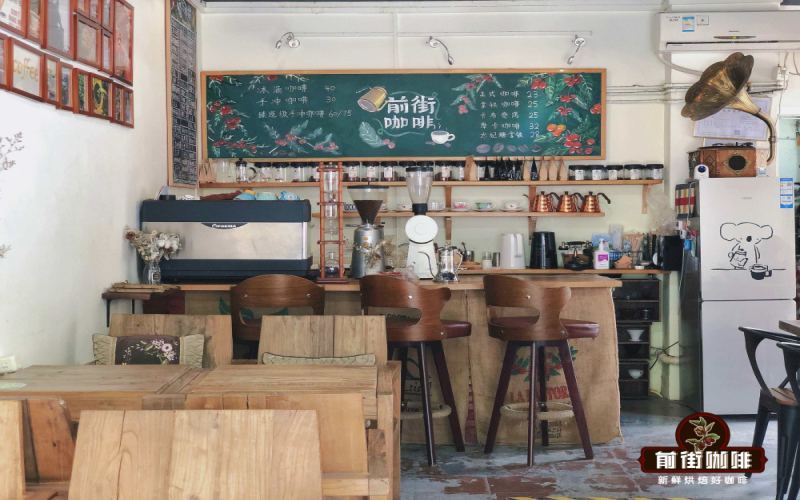
What coffee beans are used for freshly ground Americano at convenience stores? Bean selection approaches for drip and espresso machines, and Front Street Coffee bean recommendations.
At convenience stores, you can get a freshly ground Americano just by pressing a button—but is this kind of coffee really the same as the Americano you drink in a coffee shop? The key lies in the type of machine—convenience stores commonly use atmospheric-pressure drip Americano machines, while the Americano produced by coffee shops is based on pressure-extracted espresso. This article first clarifies the extraction differences between the two types of machines, then explains the origin of Americano and the mixing ratios, and finally gives bean selection suggestions for two scenarios: drip filtration and espresso: atmospheric-pressure drip machines are suitable for hand-brew-style single-origin beans, while pressure espresso machines are more suitable for freshly roasted blends. The article also compiles a variety of Front Street Coffee beans suitable for making Americano, making it easy to match them by flavor. [more…]
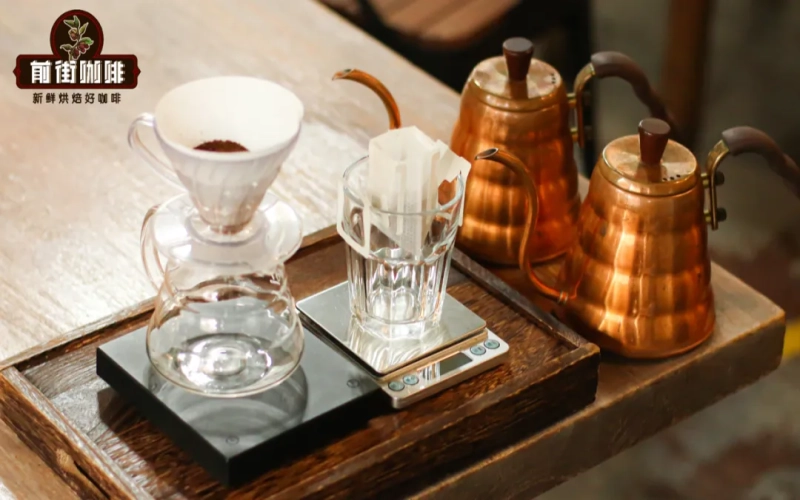
How Does Drip Bag Coffee Differ from Pour-Over Coffee? Analyzing the Differences Between the Two Through the Principle of Drip Extraction and How to Choose a Drip Bag Brand
Drip bag coffee and pour-over coffee both use drip extraction, where hot water flows through the coffee grounds by gravity to bring out flavor compounds, but the two are entirely different in their goals and suitable scenarios. Pour-over emphasizes manual flow control, flexible equipment, and grinding and brewing on the spot, combining a high degree of freedom with a sense of ritual; drip bags are a convenient derivative of pour-over, trading pre-ground coffee for the convenience of brewing anytime and anywhere, at the cost of faster aroma loss and less room for adjustment. This article will sort out the core differences between the two from the perspectives of definition, extraction principles, and coffee grounds condition, and recommend products such as Front Street Coffee Huakui, Blue Mountain No. 1, Strawberry Candy, and the classic five-origin drip bags, to help coffee lovers choose according to their needs. [more…]
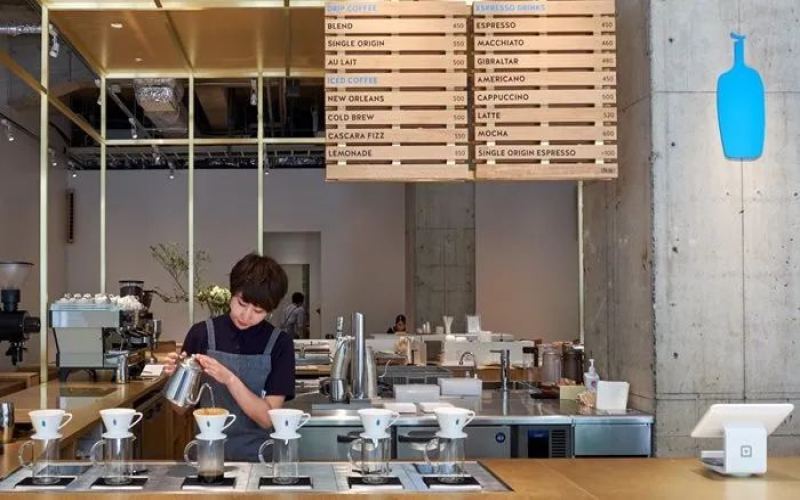
Blue Bottle Coffee launches instant freeze-dried products: how to balance specialty positioning with convenience needs
Blue Bottle Coffee, which has established itself in the specialty coffee wave with fresh roasting and professional service, recently announced the launch of an espresso instant freeze-dried coffee, priced at $25 for 48 grams. This move has drawn attention: when the pandemic blocked in-store consumption and demand for coffee at home rose, Blue Bottle chose to respond to the demand for convenience with an instant product. CEO Karl Strovink said the company will vigorously develop its instant coffee line and plans to add instant coffee drinks to its store menus within one to two years. Blue Bottle is currently controlled by Nestlé and has more than 100 stores in the United States and Asia. This article examines the market logic and executive statements behind Blue Bottle's new instant coffee product. [more…]
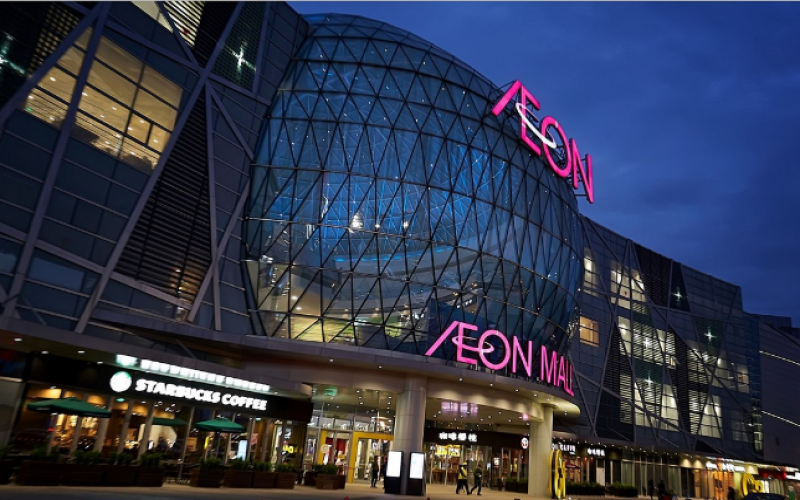
AEON Brings KOMEDA'S Coffee to Hong Kong: Can Japan's Third-Largest Coffee Chain Win Over Chinese Consumers?
Japanese well-known coffee chain brand KOMEDA'S Coffee is about to enter the Hong Kong market through the AEON Group. Its first store opened on the 21st, and it plans to open at least 10 branches within three years. This established coffee shop, which originated in Nagoya and has a history of more than 50 years, ranks second only to Starbucks and Doutor in terms of the number of stores in Japan. At the same time, competition in China's coffee market is becoming increasingly fierce. Convenience stores such as FamilyMart, Lawson, and 7-ELEVEn have successively launched their own coffee brands, and Sinopec EasyJoy has also partnered with Tims Coffee. Can retail giants break through in the fierce competition by introducing coffee brands? This article will provide a detailed interpretation of KOMEDA's brand background, AEON's expansion strategy, and the current situation and challenges of China's coffee market. [more…]
What Are the Differences Between Capsule Coffee and Specialty Coffee? A Comprehensive Analysis from Flavor and Taste to Consumer Trends
When specialty coffee—with its emphasis on origin, roasting, and extraction details—meets the convenience-focused capsule system, are the two fundamentally incompatible, or can they learn from each other? Starting from consumer data, this article analyzes the real needs of capsule coffee enthusiasts, explores whether specialty coffee can find a place in the capsule segment, summarizes the pros and cons of capsule machines, and recommends drip bag coffee solutions that balance convenience and flavor. If you have ever hesitated between efficiency and quality, this analysis will help you clarify your thinking and find the cup of coffee that suits you. [more…]
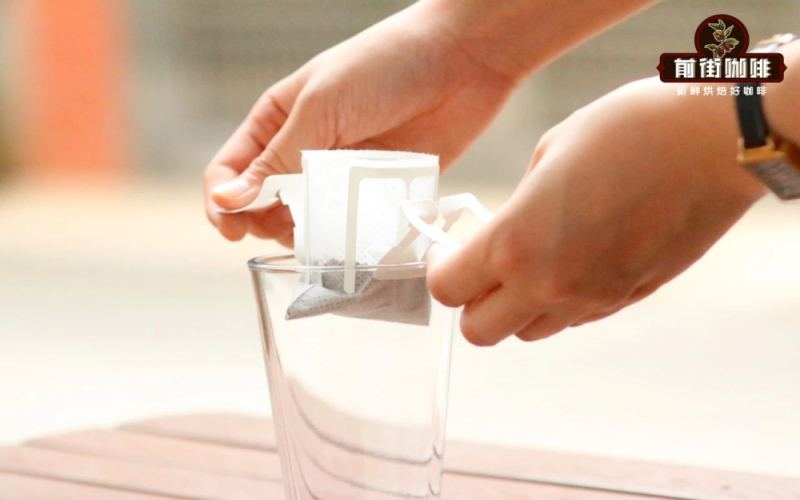
The Origins and Evolution of Drip Bag Coffee: From a Japanese Patent to the Convenient Pour-Over Choice in the Chinese Market
Drip bag coffee, with its combination of convenience and quality, has become the top choice for many people to enjoy black coffee in their daily lives. Where exactly did this filter-bag coffee packet originate? How did it evolve from an uncommercialized patent into a beverage that swept across East Asia? This article traces the invention history of drip bag coffee, analyzes the shifts in consumer demand behind its market growth, and explains the key brewing points in detail, helping readers easily master the method for making a good cup of coffee. It also introduces Front Street Coffee's high-value drip bag products and the flavor characteristics of Golden Mandheling. [more…]
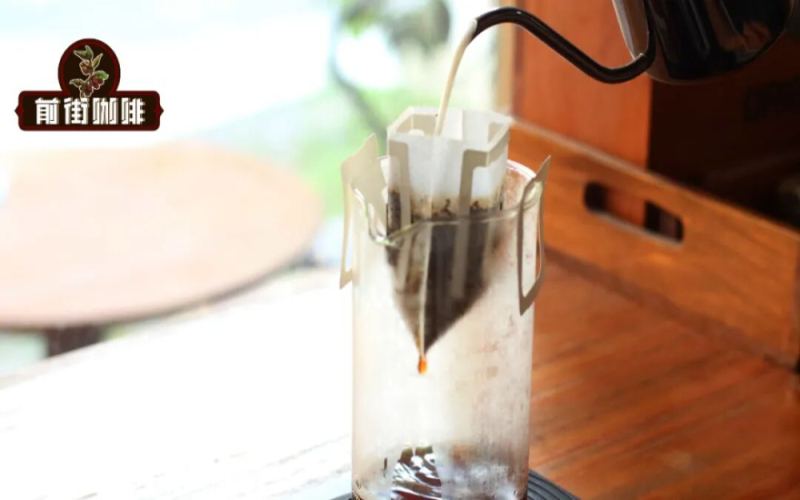
Can you brew drip bag coffee directly with milk? Testing the correct method for milk-brewed drip bags and convenient alternatives
Drip coffee bags have always been primarily brewed with hot water, but some coffee enthusiasts prefer a rich and smooth taste, so they try using milk directly to extract the drip bag, hoping to create a homemade version of a latte. Can milk really replace hot water to complete the extraction? Front Street found through actual testing that due to the high protein and lactose content in milk, its extraction capacity is far inferior to hot water. If the conventional drip bag brewing method is directly applied, it often results in a cup of coffee with a weak flavor or even sourness. To compensate for this deficiency, Front Street tried a method of first blooming with hot water, then injecting heated milk in stages, and provided bean selection suggestions for different roast levels. However, the test results showed that after the milk comes into contact with the coffee grounds, the fine particles swell and clog the filter bag, and the entire process takes up to twenty minutes, which is far from the original intention of the convenience of drip bags. So, what other more convenient options are there for those who want to drink drip bag milk coffee? This article will reveal them all. [more…]
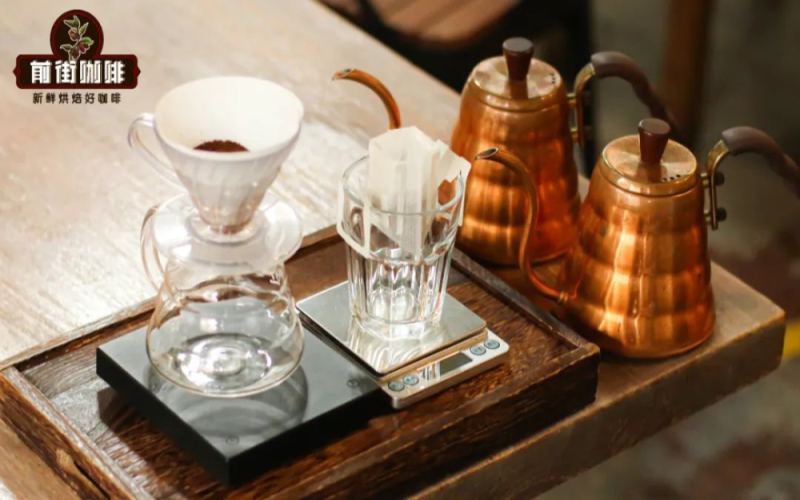
How Is Pour-Over Coffee Different from Drip Bag Coffee? A Comprehensive Comparison from Extraction Principles to Flavor Expression
Pour-over coffee and drip bag coffee both use drip extraction, but the two differ fundamentally in their original design intent and use scenarios. Pour-over emphasizes grinding fresh and brewing immediately, with freely adjustable parameters, allowing it to present coffee's aroma layers and flavor details more completely; drip bags, on the other hand, center on convenience, trading pre-ground coffee powder for a brew-anytime, anywhere experience, but aromas dissipate faster and flavor richness is relatively limited. From Front Street's perspective, this article sorts out the specific differences between the two methods in terms of equipment, operation, coffee powder state, and flavor performance, and includes Front Street drip bag coffee recommendations suited to different tastes, helping coffee lovers find the choice that suits them between convenience and quality. [more…]
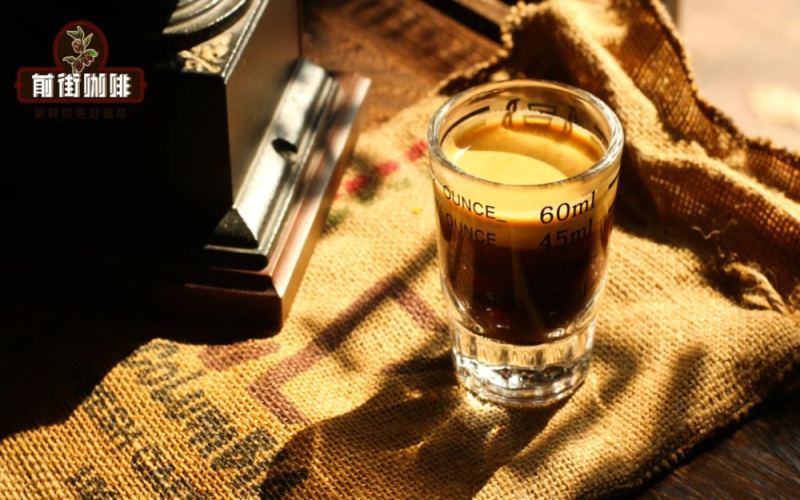
What coffee beans are used for convenience store drip Americano? Guide to the differences between atmospheric and pressurized extraction and Americano bean recommendations
Convenience store freshly ground Americano is just one click away, but how does it differ from the Americano at a coffee shop? The key lies in the extraction method: drip filtration uses normal pressure, while espresso machines rely on pressurized extraction. This article provides a detailed comparison of the construction and output characteristics of the two types of coffee machines, and analyzes the origin of Americano and its mixing ratios. For different extraction devices, Front Street Coffee offers bean selection advice: for normal-pressure drip filtration, any pour-over bean can be chosen; for pressurized espresso, a blend is recommended to ensure balance and stability. Finally, we highlight the recommendation of Front Street Classic Espresso Blend, where the dark roast brings rich crema, balancing both Americano and latte. [more…]
How Exactly Is the Cost of a Cup of Coffee Calculated? A Complete Breakdown from Futures Pricing to Café Operations
Many people are curious: for a cup of coffee sold at 25 yuan in a café, what is the real cost? Starting from the basic definition of cost, this article sorts out the pricing logic of coffee as an internationally traded commodity, explains how the New York Arabica and London Robusta futures markets affect coffee prices, and breaks down various expenses such as coffee beans, water and electricity, packaging, labor, transportation, rent, and equipment depreciation. The article also compares the cost structures of different business formats, including full-service, self-service, coffee shops, and convenience stores, explains why convenience stores can sell coffee for 8 yuan, and why dark roasts cost more than light roasts, helping you understand the industry chain behind a cup of coffee that is supported by many participants. [more…]