







How Badly Did Indonesia's Robusta Coffee Crop Suffer?
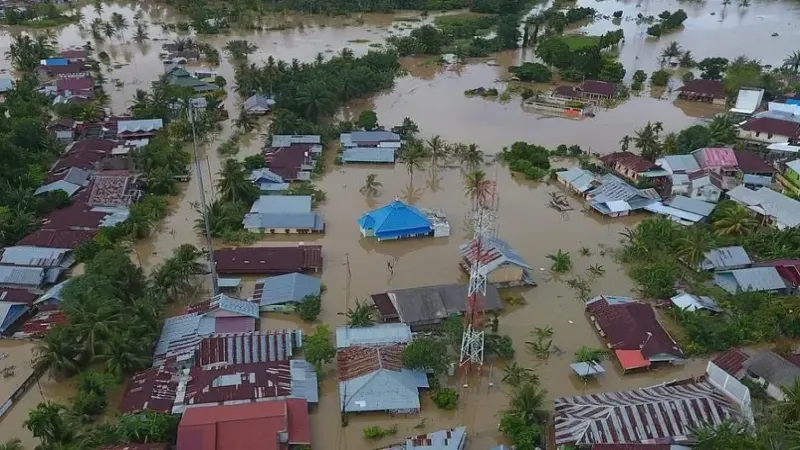
Persistent severe weather has battered Indonesia's coffee belt across Sumatra, Java, Sulawesi, and Bali. Floods and landslides hit the Bandung area of West Java, the largest coffee-producing region on Java, killing 10 people and damaging more than 30 houses and many roads. Nine areas in western Sumatra were also hard hit, and with Robusta at the pre-fruiting and pre-harvest stage, local producers expect output on some islands to drop 20 percent, with national production possibly halved.
Heavy rain loosens soil, causes erosion that damages orchard land, and helps pests multiply and spread, all of which lower yields. Indonesia ranks among the major coffee producers, so a shortfall of this size affects global supply as well as local livelihoods. The government has listed coffee as a national priority industry and raised fertilizer subsidies substantially to soften the blow to agriculture.
Indonesia is a major global coffee producer, with coffee cultivation mainly distributed across islands such as Sumatra, Java, Sulawesi, and Bali. However, the country has recently experienced persistent severe weather, and floods and landslides triggered by heavy rain have dealt a serious blow to multiple coffee-producing regions. The Bandung area on Java Island, the largest coffee-producing region on the island, has already suffered casualties and extensive housing damage; nine areas in western Sumatra have been especially hard hit, and with Robusta coffee at the pre-fruiting and pre-harvest stage, losses have been severe. According to estimates by local producers, output on some islands will fall by 20 percent, and national total production may be cut in half. At the same time, the Indonesian government has listed coffee as a national priority industry for development and has substantially increased fertilizer subsidies in an attempt to ease the impact of the disasters on agriculture. This article will review the specific effects of the disasters on Indonesia's coffee industry and related policy developments.
Indonesia is made up of numerous islands, and its coffee-growing belt is mainly distributed across Sulawesi, Bali, Java, and Sumatra. However, according to a recent report released by Indonesia's disaster management agency, under the continued impact of severe weather, many parts of the country have suffered one disaster after another, causing losses across multiple industries, including the coffee industry.
Recently, heavy rainstorms have occurred on multiple islands in Indonesia. The intense rainfall has made soil structure looser, further triggering landslides and floods; at the same time, heavy rain has caused soil erosion, damaging orchard cultivation land. In addition, abundant rainfall also promotes the mass reproduction and spread of pests, ultimately leading to lower coffee yields.
According to reports, landslides and floods have occurred in many places in West Java Province, Indonesia, with the Bandung area suffering the most severe disaster conditions. Bandung is not only the hardest-hit area in the province but also the largest coffee-producing region on Java Island. According to statistics, 10 people have died so far, more than 30 houses have been damaged, and many plots of land and roads have been destroyed, with overall losses relatively serious.
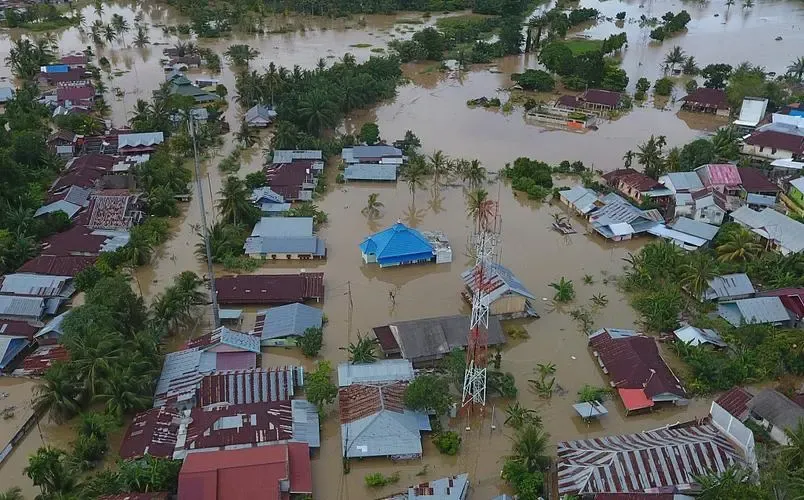
In addition to Java Island, Sumatra is the most severely affected region. Indonesia's National Disaster Management Agency stated that the island recently experienced floods and landslides caused by heavy rain. The disaster conditions are concentrated in the western part of the island, including the capital Padang, where nine areas have experienced flooding and landslides caused by heavy rain. Nearly more than 700 houses and farms have been destroyed, and many bridges and schools have also been damaged. At least 21 people have died in total, 6 are missing, and more than 75,000 residents have been forced to evacuate. Although Sumatra's main Arabica-producing areas have not been affected, the hardest-hit areas this time are precisely the Robusta coffee-producing areas of Sumatra Province. At present, Indonesian Robusta coffee is in the fruiting stage and is about to enter the harvest stage, so the damage is especially severe. Local producers said that due to the impact of weather disasters, coffee output on some islands is expected to decrease by 20 percent, and national total production will drop by 50 percent.
In addition, earlier coffee farmers in many parts of Indonesia reported that the coffee industry was facing difficulties in development, owing to reasons including insufficient government attention to the coffee industry, declining exports caused by geopolitical issues, and rising fertilizer prices. But recently the country's government has begun taking improvement measures, listing the coffee industry as a priority industry in the National Major Development Plan, aiming to improve human resources and technical capabilities and raise coffee product quality standards. In addition, according to government officials, the Indonesian government has increased subsidized fertilizer from 4.7 million tons to 9.5 million tons to offset the impact of weather factors on agricultural output.
The above content is compiled by CoffeeHunters, a coffee news website.


