







How Does Extreme Heat Affect Coffee Growth in Brazil?
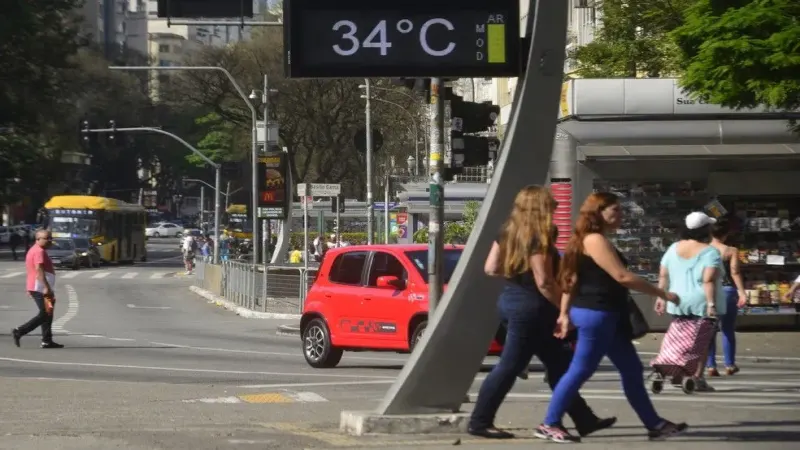
Brazil recorded its hottest May day for that period in 81 years, with São Paulo reaching 32.8°C and staying above 30°C, a reversal of the usual autumn range of 18°C to 27°C. The heatwave and scarce rainfall have disrupted normal coffee growth, with drought most severe in the central producing state of Minas Gerais.
Meteorologists at CLIMATEMPO attribute the anomaly to atmospheric blocking, El Niño, and cold air from the south. Minas Gerais has received no rainfall for weeks, standing at 0% of the historical average. Although production and export data from world coffee producing countries like Brazil and Vietnam are trending upward, the weather outlook remains uncertain for the coming season.
Extreme global weather patterns continue to intensify, and Brazil has experienced a rare phenomenon of seasonal temperature inversion. May should mark the beginning of autumn, yet São Paulo recorded its hottest day for the same period in 81 years, with temperatures soaring to 32.8°C and generally remaining above 30°C. Prolonged high temperatures and scarce rainfall are disrupting the normal growth cycle of coffee trees, with drought conditions particularly severe in central producing regions such as Minas Gerais. Meanwhile, production and export data from Brazil and Vietnam are trending upward, putting pressure on both international futures and domestic spot prices, though future weather patterns remain highly uncertain.
Recently, extreme weather has continued worldwide, and Brazil has experienced the abnormal phenomenon of reversed seasonal temperatures. Such climate fluctuations disrupt the normal growth rhythm of crops and consequently affect yields.
According to Brazilian media reports, the city of São Paulo was recently hit by a heatwave. Normally, May falls in Brazil's autumn, with temperatures typically ranging from 18°C to 27°C. However, this May recorded at least the hottest day for the same period in 81 years, with temperatures reaching as high as 32.8°C and generally staying above 30°C.
Experts from the meteorological company CLIMATEMPO point out that the current high temperatures in Brazil are an anomalous phenomenon, caused by multiple factors including atmospheric blocking, El Niño, and cold air from the south.
Currently, a strong mass of dry, hot air is blocked over central Brazil, simultaneously preventing cold air from the south from pushing northward. The presence of cold air actually intensifies heat accumulation in the southeast, causing airflows in the central region to bring in more hot air from the interior, further driving temperatures higher.
In addition to São Paulo state, cities in central Brazil have also been affected by the heatwave, such as Minas Gerais, where prolonged heat has led to drought and declining rainfall.
According to Brazilian weather records, Minas Gerais has had no rainfall for the past several weeks, standing at 0% of the historical average, with temperatures remaining at 30°C and above. The combination of high temperatures and below-average rainfall is highly detrimental to coffee growth.
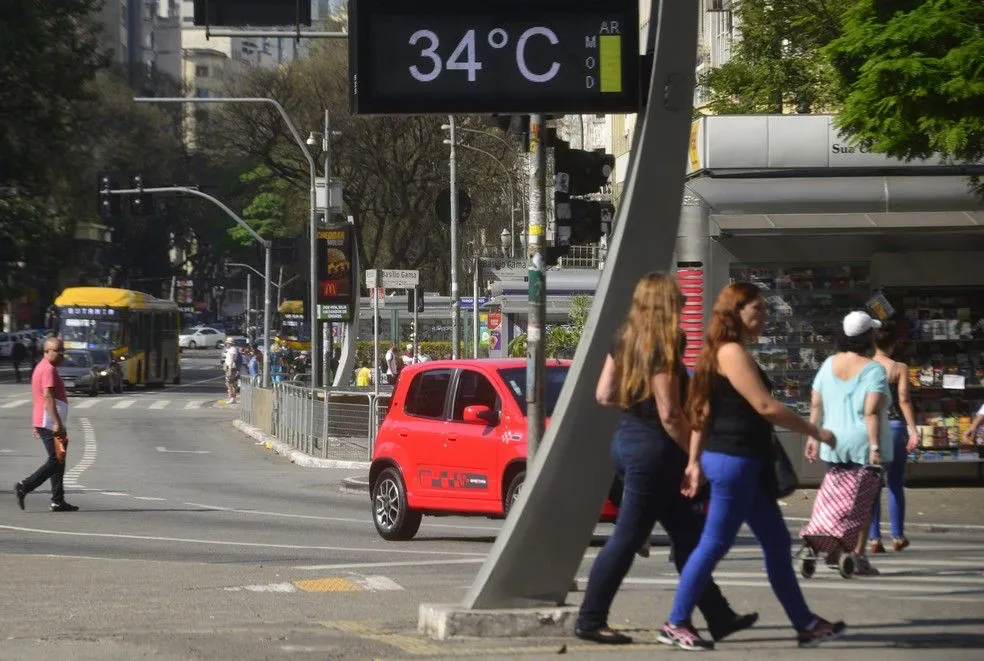
Furthermore, high temperatures accelerate fruit development and ripening; however, if coffee trees are continuously exposed to temperatures of 30°C or higher, their growth rate slows, leaves turn yellow, and ultimately yields are affected.
Recently, as coffee-producing countries such as Brazil and Vietnam reported increased production and export volumes, international futures prices fell accordingly, and Brazil's domestic coffee spot prices also declined in tandem.
Currently, the spot price of Arabica in Minas Gerais, Brazil, stands at 1,170 reais per bag. Although this represents a decline from 1,340 reais per bag in April, it remains higher than the same period over the past five years.
Additionally, the spot price for coffee pre-sold for September delivery is 1,130 reais per bag, lower than the current market spot price. The market therefore expects that, as the new harvest season is underway, harvest volumes will dictate price movements, but the uncertainty of future weather makes the price outlook difficult to discern.
Furthermore, the head of the International Research Center for El Niño (CIIFEN) stated at an earlier press conference that after this round of El Niño exits, La Niña is expected to follow in the second half of this year. The frequent switching between these two climate patterns will lead to more dramatic temperature fluctuations and more severe impacts on global agricultural production.
The above content is compiled by CoffeeHunters, a coffee news website.


