







Search Results for: terroir conditions
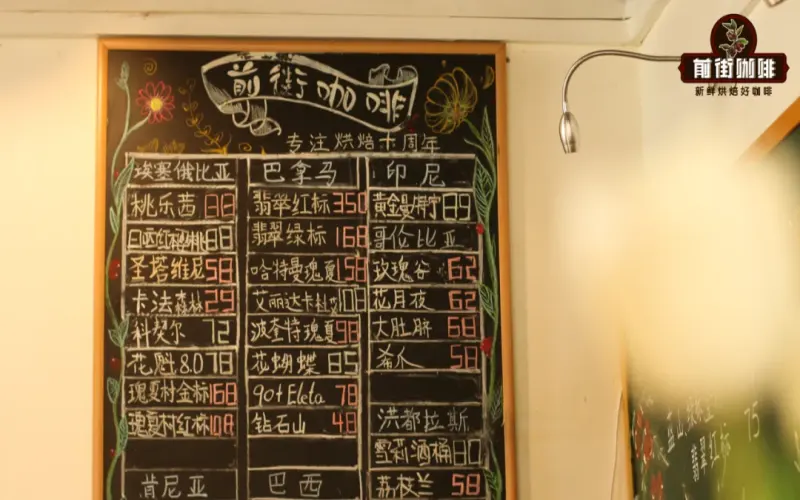
What Is the "Terroir" Taste of Specialty Coffee? A Detailed Explanation of the Three Key Factors Affecting Coffee Flavor: Soil, Climate, and Altitude
When we talk about specialty coffee, why do baristas always emphasize the region first? The answer lies in "the taste of terroir." Different regions, due to differences in their natural environments, give coffee beans completely distinct flavor characteristics—this is the power of terroir. In this article, Front Street Coffee will take you deeper into what the taste of terroir is, how it influences the direction of coffee's flavor, and the three key elements that determine coffee's taste—soil, climate, and altitude. At the same time, we will also clarify a common misconception: terroir is certainly important, but it is only the foundational condition of coffee's flavor, not the sole factor determining its final expression. [more…]

A Comprehensive Analysis of the Terroir Conditions and Cupping Flavors of the Guatemalan Antigua Coffee Region
The Antigua Valley is one of Guatemala's most iconic coffee-producing regions, surrounded by three volcanoes—Agua, Acatenango, and Fuego—which create a unique enclosed valley microclimate. Rainfall here is scarce, but the soil's abundant pumice content keeps humidity stable at around 65% year-round, compensating for the lack of rain. Most coffee trees are planted in the heart of the valley at elevations above 1,500 meters, with some farmers pushing cultivation as high as 1,700 meters. Fertile volcanic ash, ample sunlight, and cool nights together shape the refined, balanced style of Antigua coffee. This article will provide a detailed interpretation of the terroir code of this region, along with specific cupping data and flavor descriptions, to give you a comprehensive understanding of the unique charm of Antigua coffee. [more…]
Why has Panamanian Geisha become synonymous with top-tier coffee? From its discovery at Hacienda La Esmeralda to an analysis of its terroir advantages.
Geisha coffee enjoys an extremely high reputation in the global specialty coffee world, and when Geisha is mentioned, most people's first association is the Panama region. Although Ethiopia, Costa Rica, Colombia, and other places also produce high-quality Geisha, Panama Geisha has always been regarded as the benchmark. Behind this lies both historical opportunity and the discovery by Hacienda La Esmeralda, together with the support of Panama's unique terroir. In this article, Front Street will take you through the journey of Geisha from the forests of Ethiopia to the highlands of Panama, analyze how Hacienda La Esmeralda recognized its potential, and explain how the terroir conditions of the Boquete Valley created Geisha's signature floral and fruity aroma and elegant acidity. [more…]
Colombia Finca El Paraiso Coffee: Cauca Regional Terroir, Double Anaerobic Fermentation and COE Gold Record
Colombia is an important specialty coffee-producing country worldwide, and its coffee grading is based on bean screen size rather than altitude. The Cauca region, with its unique terroir of surrounding high mountains, ample sunlight, and a stable climate, nurtures a rich and balanced coffee flavor. Finca El Paraiso is located in Cauca Department and was founded by Diego Samuel in 2008. Starting from a small 2.5-hectare farm, it set the highest bid record in Colombian history at the COE auction through an experimental double anaerobic fermentation process. This article will guide you through the terroir conditions of the Cauca region, the development history of Finca El Paraiso, and its complex fermentation process, and introduce related batch products from the Front Street brand. [more…]
Jamaica Blue Mountain Coffee: A Complete Guide to Origin, Terroir, Grades, and Pour-Over Brewing
Blue Mountain coffee is regarded by many as a classic symbol of the coffee world, its name almost synonymous with "top-tier coffee." But where exactly does Blue Mountain coffee come from, how is it graded, and what are its flavor characteristics? This article begins with the history of coffee cultivation in Jamaica, sorting through the terroir conditions of the Blue Mountains and the unique traits of the Typica variety, explaining in detail the Blue Mountain coffee certification standards and export grading system established by the CIB, and sharing Front Street Coffee's experience with the washed processing method and pour-over extraction plan for Clifton Estate Blue Mountain No. 1, giving you a comprehensive look at the real face behind this legendary coffee. [more…]

The Terroir Code of Coffee: How Growing Environment Beyond Genetics Shapes the Flavor in Your Cup
We often hear baristas mention the term "terroir"—what exactly does it mean? The flavor of a cup of coffee is about seventy percent determined by varietal genetics, while the remaining thirty percent comes from the natural conditions of the growing region—latitude, altitude, soil, sunlight, and humidity all working together to give coffee from different origins strikingly different flavor profiles. This article will examine these five dimensions to explain how the environment affects coffee's balance of acidity and sweetness and its rich mouthfeel, and help you understand why high-altitude beans have fuller flavor and why volcanic soil can impart a distinctive acidic aroma to coffee. [more…]
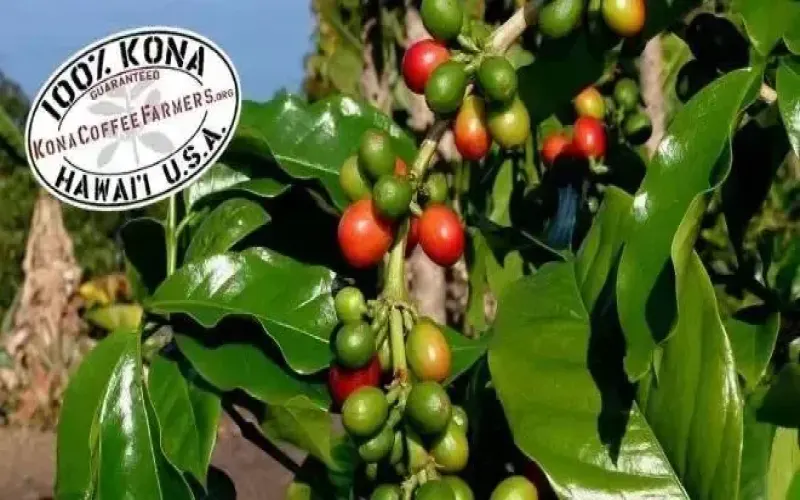
Why Is Hawaiian Kona Coffee So Expensive? Understanding Its Unique Terroir and History in One Article
Hawaiian Kona coffee has long been praised as the "Queen of Coffee," sharing equal fame with Jamaican Blue Mountain. Yet its price has always remained high, and behind this lie both exceptional terroir conditions and a winding industrial history. This article starts from the background of coffee cultivation in North America, tracing the entire process of Hawaiian coffee from its introduction in the early 19th century, through pest damage and economic depression, to its eventual fame as the Kona growing region, and analyzes the varietal characteristics, growing region distribution, and reasons for the high price of Kona coffee, helping coffee enthusiasts fully understand the value of this legendary bean. [more…]
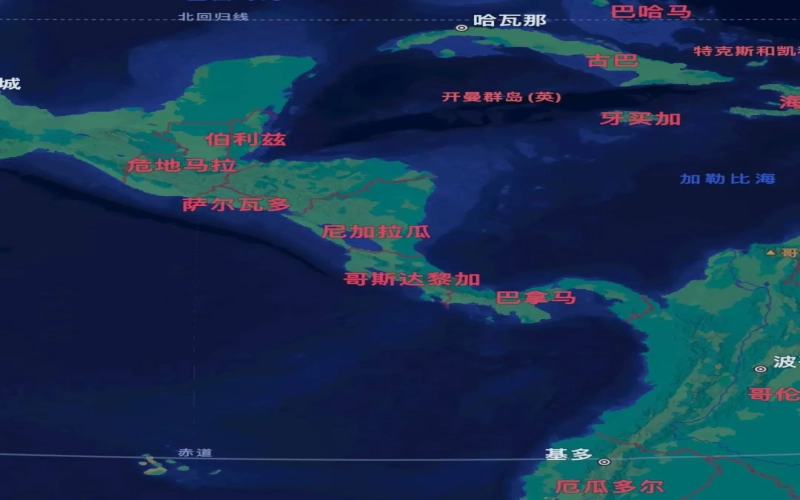
A Complete Guide to Nicaraguan Coffee: Terroir Conditions, Cultivated Varieties, and Grading Systems of the Three Major Regions
Located in the central part of Central America, Nicaragua may not be as famous as Panama or Costa Rica, yet it possesses coffee-growing terroir that is in no way inferior. The country's north-central highlands, eastern coastal plains, and western coastal lowlands form diverse microclimates, nurturing three core producing regions: Jinotega, Matagalpa, and Nueva Segovia, with Caturra and Bourbon as the main cultivated varieties. This article will systematically outline Nicaragua's geographical and climatic characteristics, the elevation and harvest details of each producing region, and introduce its coffee grading system, helping coffee enthusiasts gain a comprehensive understanding of the coffee landscape of this promising Central American origin country. [more…]
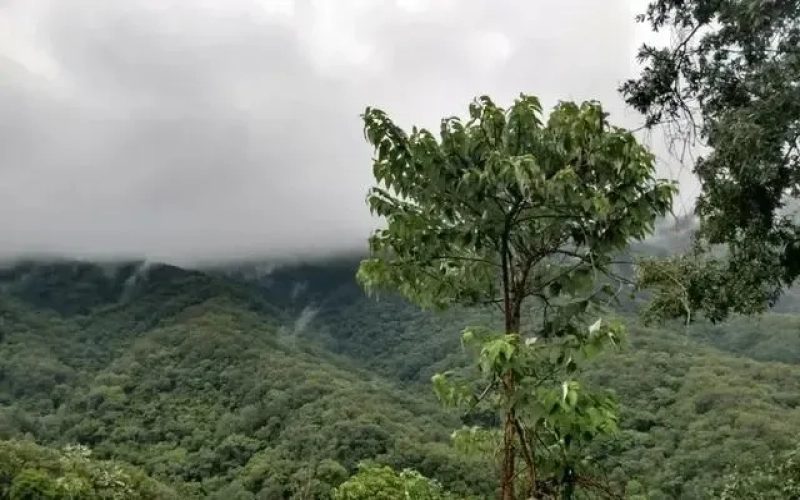
A Tour of Mexico's Coffee Industry: Terroir of the Veracruz Region and an Analysis of La Perla Farm
Mexico, as the world's tenth-largest coffee-producing country, has seen its coffee industry go through a winding journey from its introduction during the colonial period to its modern development toward specialty coffee. Thanks to its superior geographical and climatic conditions, the state of Veracruz has become one of Mexico's four core production regions, nurturing numerous high-quality estates. Among them, La Perla Farm won the 2024 Mexico Cup of Excellence washed category championship with a score of 90.79, growing varieties such as Bourbon, Geisha, SL28, and Pacamara. Front Street Coffee takes you deep into the terroir code and industrial transformation of this land. [more…]
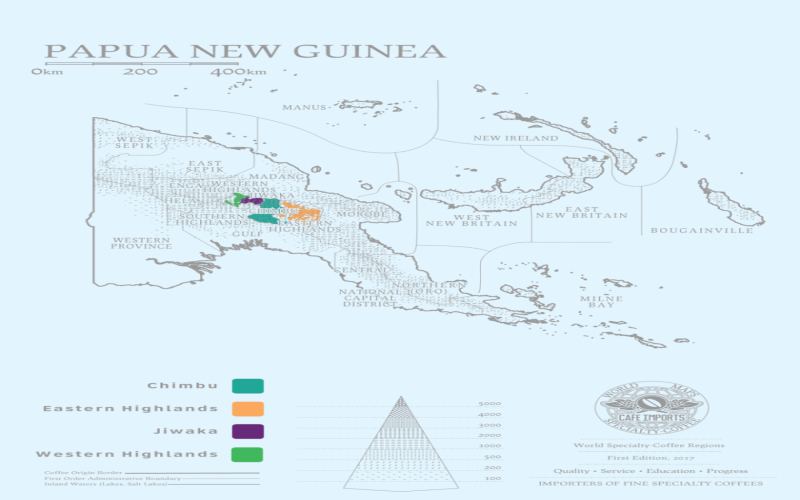
Terroir Conditions of Papua New Guinea Coffee Regions and Flavor Characteristics and Brewing Suggestions for Bird of Paradise Typica Coffee Beans
Located in the South Pacific, Papua New Guinea has become a potential production area for high-quality Arabica coffee thanks to its high altitude, volcanic soil, and tropical rainforest climate. Starting from the country's coffee-growing history, this article sorts out the botanical characteristics and flavor advantages of the Typica variety, and focuses on the Bird of Paradise coffee beans in Front Street Coffee's bean list—produced by Sigri Bird of Paradise Estate, washed processed, soft and balanced in taste, and long known as the "Little Blue Mountain." The article also presents Front Street Coffee's brewing parameters and extraction methods, and describes the complete flavor performance of this coffee from dry aroma to aftertaste, providing coffee lovers with production-area knowledge and brewing references. [more…]
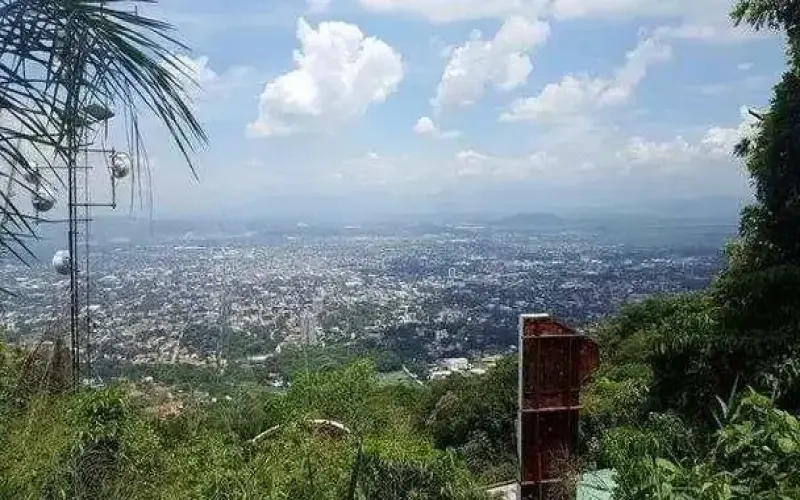
Exploring Honduras Coffee Regions: The Terroir Characteristics of Comayagua and Its COE Performance
The Central American Volcanic Belt has nurtured many high-quality coffee origins. Honduras, as Central America's second-largest and the world's tenth-largest coffee exporter, has achieved impressive results in both output and quality thanks to its high-altitude mountains, volcanic soil, and diverse climate. Among its six major producing regions, Comayagua has risen to prominence in recent years, known for its lemon flavor, creamy full body, and chocolate notes. At the 2023 COE Cup of Excellence, El Gravileo farm from this region ranked 18th with a score of 88.07, becoming the region's only winner. This article will guide you through the historical context of Honduran coffee, the terroir conditions of Comayagua, and the story of this farm's competition journey. [more…]
Costa Rican Coffee Micro-Lot Guide: A Full Analysis of Terroir Characteristics Across Eight Major Regions and Honey Processing Techniques
Costa Rica is one of the representative origins of specialty coffee in Central America, divided into eight major coffee regions nationwide, each nurturing distinctly styled coffees through its unique terroir. This article, from the perspective of Front Street Coffee's bean selection, systematically reviews Costa Rica's regional distribution and the influence of altitude and climate on flavor, with a focus on comparing two beans: the Tarrazú washed daily drinker and the Giant Stone Estate blueberry anaerobic heavy honey process. It also details the processing differences among white honey, yellow honey, red honey, and black honey, and includes Front Street's standard brewing parameters to help coffee enthusiasts more clearly understand the flavor divide between washed and honey processing in the cup. [more…]
A Complete Guide to Colombian Huila Coffee Beans: Regional Terroir, Grading System, and Pour-Over Flavor Guide
Colombian coffee has always held a special place in the hearts of domestic enthusiasts, and the Huila region is regarded as the representative of the country's specialty beans. However, not all coffee produced in Huila is of high quality. How to identify it, select it, and brew the ideal flavor requires understanding everything from the region's terroir and grading system to roasting and brewing. Starting from the case of Front Street Coffee's everyday beans, this article sorts out Huila's canyon climate and high-altitude growing conditions, explains Colombia's grading system centered on bean size, and provides specific pour-over methods and flavor profiles for medium-dark roasted Huila, helping readers gain a more systematic understanding of this bean. [more…]
Terroir of Ethiopia's Guji Region: Pour-Over Flavor Profile and Brewing Parameters of Natural-Process Huakui Coffee Beans
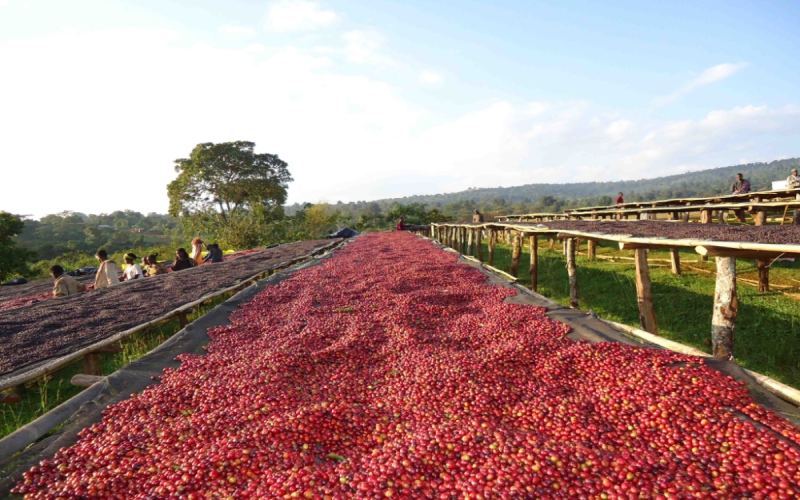
Guji is a specialty coffee region in Ethiopia that has performed impressively in recent years. Its fertile black soil, high altitude, and marked temperature differences between day and night nurture coffees with full-bodied flavor. Starting from a tasting experience of Front Street Coffee's natural Guji coffee, this article systematically reviews Guji's historical development from its separation from Sidama as an independent zone, its terrain and soil conditions, its natural processing workflow, and the characteristics of local heirloom varieties, and also includes Front Street Coffee's roasting curve and V60 three-pour brewing suggestions. Whether you want to understand the region's terroir or are looking for a natural-process bean with rich fruity aromas and prominent sweetness, this article can provide valuable reference. [more…]
An Introductory Guide to Indonesian Sumatra Lintong Mandheling: A Full Analysis of Terroir, Varieties, and Wet-Hulling Processing
Among the many coffee-producing countries in Asia, Indonesia occupies a unique position with its signature Mandheling flavor. This archipelago nation, made up of more than 17,000 islands, straddles the equator and is dotted with volcanoes, providing exceptional natural conditions for coffee cultivation. Sumatra, the core producing region of Mandheling, is especially known for the Gayo Mountain in Aceh in the north and the Lintong region around Lake Toba. This article will guide you through an overview of Indonesia's coffee-producing regions, the origin of the name Mandheling, the terroir characteristics of the Lintong region, and specific information and brewing suggestions for Front Street Coffee's entry-level selection, Lintong Mandheling. [more…]
The Terroir Conditions and Flavor Characteristics of Peruvian Coffee Regions: Specialty Coffee on the South American Highlands
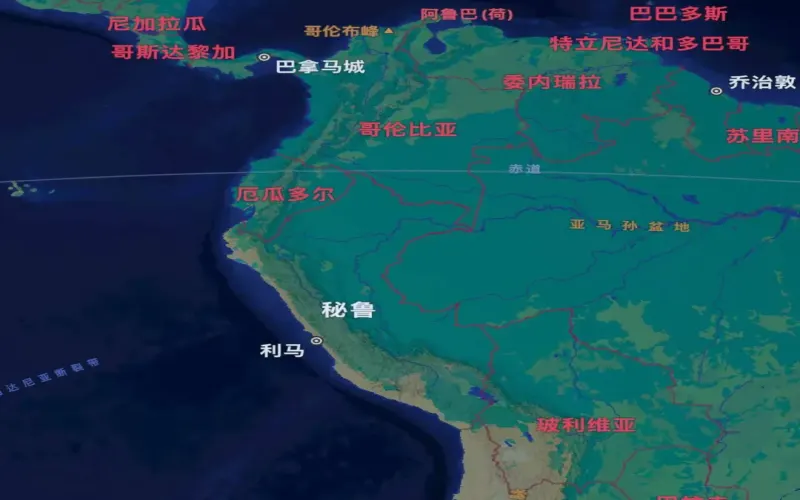
In South America, the exceptional soil and growing environment have nurtured numerous coffee-producing countries. Colombia, Ecuador, Brazil, and others are renowned worldwide, while Peru, though low-key, also produces high-quality coffee beans thanks to its excellent mountains, rivers, and soil conditions. This article will guide you through Peru's geographical and climatic features and analyze one by one the cultivation overview and flavor profiles of its three major coffee regions—north, central, and south—so you can experience this South American country's unique charm in the coffee world. [more…]

Where Does the Little Tomato Flavor in Kenyan Coffee Come From? A Complete Analysis of Variety, Terroir, and the Washed Process
The vivid little tomato-like acidity in Kenyan coffee often surprises and fascinates those encountering it for the first time. Why does Kenyan coffee have such a pronounced tomato aroma and bright fruity acidity? Behind this lies a combined effect of four factors: variety, growing environment, processing method, and roasting. Starting from everyday conversations at Front Street's shop, this article analyzes the terroir conditions of Kenya's producing regions, the two classic varieties SL28 and SL34, and the famous K72 washed processing method. It also shares the complete brewing parameters for Front Street's "Kenya·Little Tomato" beans, guiding you to systematically understand the origins of Kenyan coffee's flavor and key points for tasting. [more…]
Colombia Cauca Region Finca La Esperanza Geisha Coffee Beans: A Full Analysis of the Estate Background, Terroir Conditions, and Variety Experiments
Front Street Coffee recently acquired a sun-dried Geisha coffee bean produced by Colombia's Finca La Esperanza. When brewed, it presents aromas of blueberry and smoked plum, with layers of blackcurrant juice, orange, and berry flavors on the palate, a full-bodied juicy feel, and a red-wine-like texture in the finish. This Geisha comes from a renowned, long-established estate in Colombia—Cafe Granja La Esperanza, whose Chinese name means "Hope." Over the past decade, Finca La Esperanza has accumulated more than sixty awards in major global coffee competitions, is a regular contender in Colombia's green coffee competitions, and has even crossed regions to participate in Panama's Best of Panama (BOP) competition with notable results. This article will provide a comprehensive introduction to this legendary estate from the perspectives of its background, the terroir of the Cauca growing region, the history of its variety introductions, and its processing techniques. [more…]
An In-Depth Analysis of Guatemalan Specialty Coffee Beans: A Complete Guide to the Terroir and Flavor Profiles of Eight Estate Regions
Guatemala, with its high-altitude volcanic soils and over three hundred microclimates, has become a producing origin impossible to overlook on the global specialty coffee map. This article systematically sorts through the variety composition, grading standards, and the terroir differences of Guatemala's eight major producing regions, and offers an in-depth analysis of the distinctive acidity and complexity that volcanic rock regions such as Antigua impart to coffee. The Guatemalan beans selected by Front Street Coffee interpret the desolation and abundance of this land through elegant fruit acidity, spice, and a smoky finish, presenting coffee lovers with a specialty creation that embodies both historical depth and a sense of place. [more…]
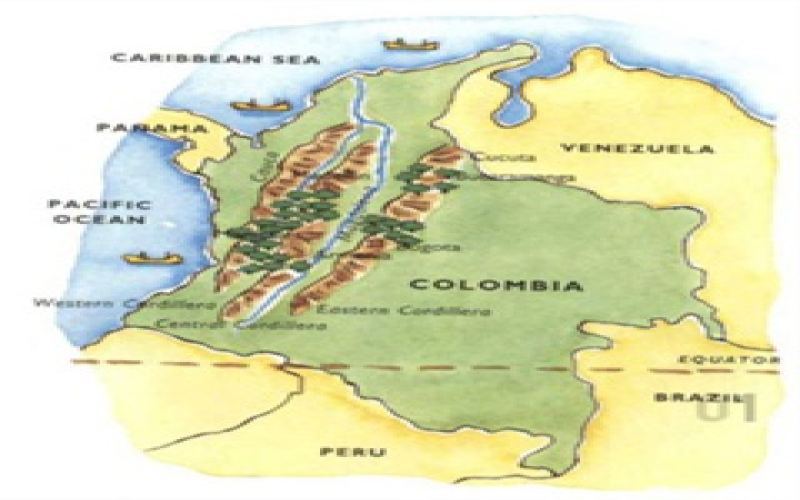
An Analysis of the Flavor Characteristics of Colombian Huila Coffee Beans: Terroir, Processing Methods, and Pour-Over Tasting
In the world of coffee, categories named after countries are everywhere, but what truly makes each bean unique is the specific region and estate behind it. Just as Ethiopia has Yirgacheffe and Sidamo, Colombia also boasts renowned names like Narino and Huila. Today, we're going to talk about specialty coffee from Colombia's Huila region. This land, embraced by mountains and canyons, nurtures high-quality Arabica beans with intertwined flavors of nuts, chocolate, and caramel, thanks to its high altitude, suitable temperatures, and ample rainfall. Combined with manual hand-picking and washed processing, Huila coffee presents a full, smooth body and a soft, pleasant fruit acidity, earning it the title of the country's "green gold." The following article will guide you through its terroir conditions and share a Front Street-style pour-over brewing log. [more…]