







What Does Terroir Mean for Coffee Cultivation and Flavor?
Terroir in coffee means the combination of a region's soil, rainfall, temperature, and climate that shapes how beans taste. Baristas name the region first because those conditions give each area distinct flavor notes; mention Kenya and many drinkers think of cherry tomato and smoked plum. Terroir is the core variable when variety and processing are identical.
The three key elements are soil, climate, and altitude, and they work together rather than alone. Terroir sits within the coffee belt, the band of growing regions between the tropics, and it is the foundation of flavor rather than the sole determinant. Roasting, processing, and brewing still shape the final cup, so region information predicts direction, not an exact result.
When we talk about specialty coffee, why do baristas always emphasize the region first? The answer lies in "the taste of terroir." Different regions, due to differences in their natural environments, give coffee beans vastly different flavor characteristics—this is the power of terroir. In this article, Front Street will take you through a deeper look at what the taste of terroir is, how it shapes the flavor direction of coffee, and the three key elements that determine coffee's taste—soil, climate, and altitude. At the same time, we'll clear up a common misconception: terroir is certainly important, but it is only the foundational condition of coffee flavor, not the sole determinant of its final expression.
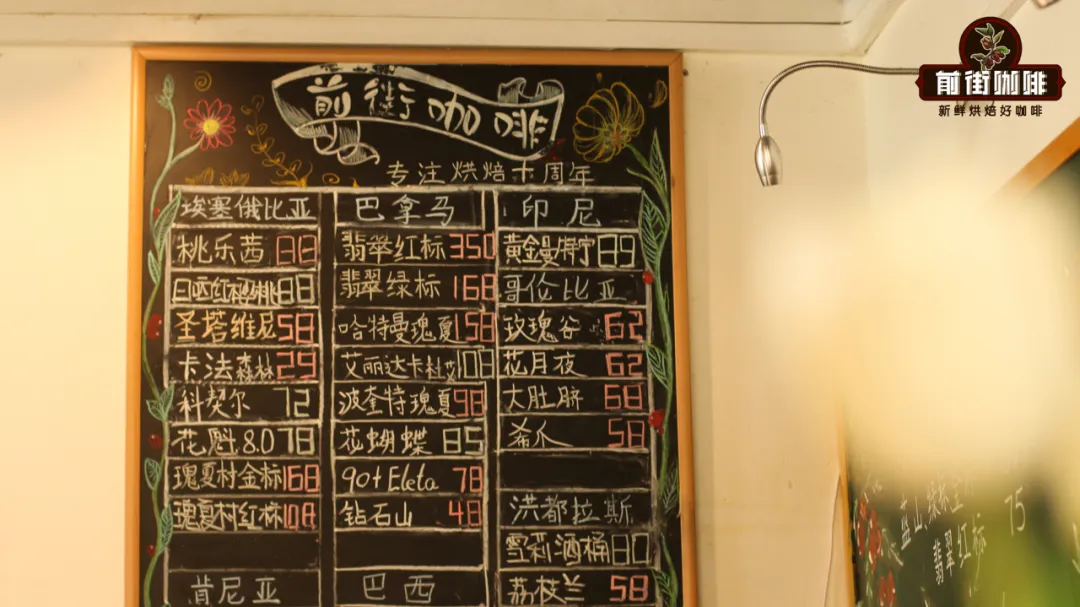
Have you ever noticed this phenomenon: unless it's a variety as well known as Geisha, most baristas tend to put the region information first when introducing a coffee bean. This is quite similar to the logic behind introducing tea or wine. Many friends may wonder—it's just a cup of coffee, so why is the region always emphasized over and over?
The reason is actually quite straightforward—coffee from different regions presents its own unique "taste of terroir." So what exactly is the taste of terroir? Let Front Street explain it in detail for you.
What Is the Taste of Terroir?
Terroir refers to the combination of a region's natural environment, customs, and habits. In the context of coffee, terroir mainly refers to the overall environment on which coffee cultivation depends, including soil, temperature, rainfall, and climatic conditions. The taste of terroir, then, refers to the unique flavor that coffee develops in such an environment.

Front Street often quotes an old saying: "Oranges grown south of the Huai River are oranges; grown north of the Huai River, they become trifoliate oranges." When the bean variety and processing method are completely identical, terroir is the core variable determining differences in coffee taste. Because each region has vastly different terroir conditions, the coffees they produce have their own distinctive flavors.
Most regions have very distinct flavor characteristics, so when the region is mentioned first, experienced enthusiasts can quickly associate it with the general flavor direction of the bean. For example, mention Kenya, and many people immediately think of the sweet-and-tart notes of cherry tomato and smoked plum.
Differences in the taste of terroir exist not only between countries; even within the same country and the same land, the taste of terroir can vary. Take Ethiopia as an example: coffee from the Sidama region is primarily characterized by sweet-and-tart notes like citrus and pineapple, while coffee from the Yirgacheffe region presents more refreshing flavors such as lemon and white floral notes.
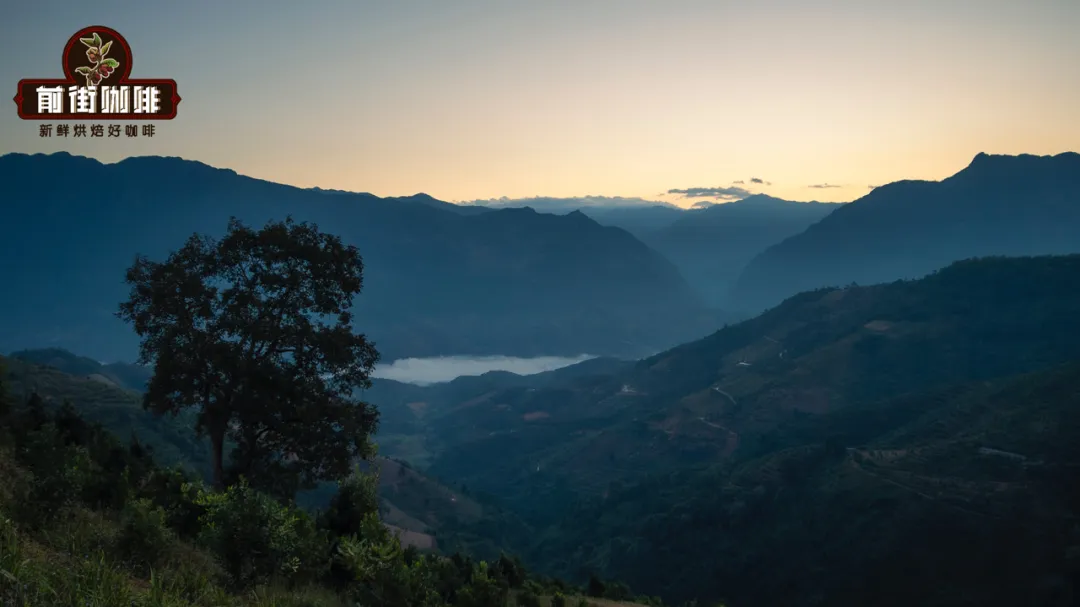
Within terroir, there are mainly three factors that can influence coffee's taste, which people summarize as the three elements of terroir. So let Front Street quiz you: which three elements are affecting the taste of coffee?
The Three Elements of Terroir
Soil: The nutrients plants need for growth are mainly supplied by the soil, so the type of soil and its nutrient content play a decisive role in crop quality. Coffee is also a crop, and soil is crucial to the formation of coffee flavor, with the most significant impact on acidity and body.
Climate: Coffee is a tropical plant and is not cold-tolerant, so not all regions are suitable for growing it. Coffee is usually grown near the "Coffee Belt," a tropical zone centered on the equator and lying between 25 degrees north and south latitude. Different regions within the Coffee Belt have different climate types, and these climatic conditions likewise influence the direction in which coffee flavor develops.
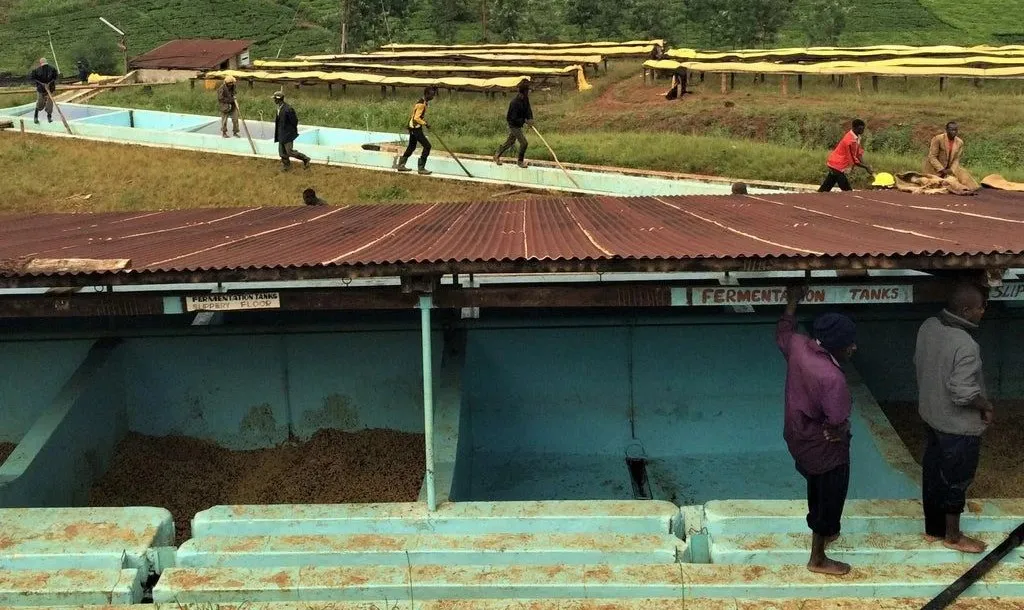
Altitude: The industry often says, "The higher the altitude, the better the coffee," and there is truth to this. Altitude has the most direct effect on temperature: the higher the growing altitude, the lower the ambient temperature. Low temperatures slow down the ripening of coffee cherries. Although this lengthens the ripening period and reduces the harvest, the cherries are able to accumulate richer nutrients as a result. When the same variety is grown at different altitudes, low-altitude coffee ripens earlier, while high-altitude coffee shows a fuller flavor expression.
Final Thoughts
Finally, it should be made clear that while terroir's influence on coffee taste is certainly key, in the entire chain from seed to cup, what terroir provides is coffee's foundational condition (flavor), not the determinant of its final expression. Beyond terroir, the bean's genetic variety, processing method, roast level, and extraction method all affect the final taste of the coffee. So it's best to avoid this misconception.
- END -
The above content is compiled by CoffeeHunters, a coffee news website.


