







How Does Comayagua Fit Into Coffee Central America?
Honduras is Central America's second-largest and the world's tenth-largest coffee exporter, and the Comayagua region has drawn attention for coffee with lemon acidity, a creamy body, and chocolate notes. At the 2023 Cup of Excellence, El Gravileo farm from Comayagua placed 18th with 88.07 points, the region's only winning entry that year.
The 1,300-kilometer Central American Volcanic Belt leaves ash-rich soil and varied climates across the region, which supports coffee growing in Honduras, Costa Rica, and Panama. Coffee reached Honduras with Spanish merchants in the late 18th century, and the Honduran Coffee Institute was founded in 1970 with six designated regions. Exports grew once transport infrastructure improved after 2001.
The Central American Volcanic Belt has nurtured many high-quality coffee origins. As Central America's second-largest and the world's tenth-largest coffee exporter, Honduras has performed impressively in both yield and quality, thanks to its high-altitude mountains, volcanic soil, and diverse climate. Among its six major regions, Conayagua has emerged in recent years, known for its lemon flavor, creamy body, and chocolate notes. At the 2023 COE Cup of Excellence, El Gravileo farm from this region ranked 18th with 88.07 points, becoming the region's only winner. This article will walk you through the historical development of Honduran coffee, the terroir of Conayagua, and the story of this farm's competition.
Central America's landscape is dominated by plateaus, mountains, and forests, with a volcanic belt stretching over 1,300 kilometers through the region. The deposition of volcanic ash makes the soil exceptionally fertile, and combined with varied climatic conditions, many Central American countries are renowned for coffee production, with Honduras, Costa Rica, and Panama among the representatives.
Among them, Honduras has risen to become Central America's second-largest and the world's tenth-largest coffee exporter, with not only considerable output but also maintained high quality.
According to historical records, coffee was first brought to Honduras by Spanish merchants in the late 18th century, initially only on a small scale. However, coffee cultivation has a long cycle and requires significant investment, making it difficult for most farmers to endure the long wait, and their economic mainstay remained other crops. It took several years of accumulation for Honduras to gradually move past this initial stage.
In 1970, the Honduran Coffee Institute (IHCAFE) was established, focusing on improving coffee quality and designating six major regions within the institution. However, because neighboring countries are also major coffee exporters, competition is fierce. Coupled with poor domestic transportation conditions in Honduras, coffee was basically produced and sold locally. It was not until 2001, as transportation infrastructure gradually improved, that coffee production began to rise significantly, and coffee bean exports gradually replaced other crops' economic dominance.
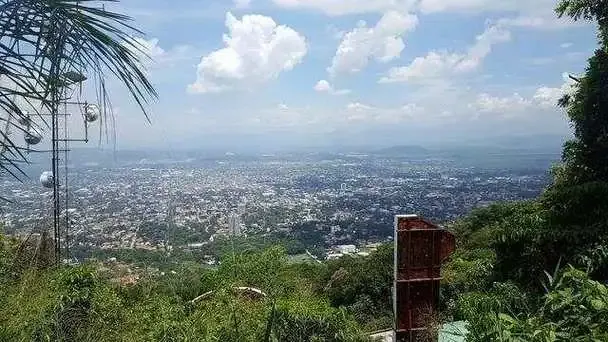
More than three-quarters of Honduras' land consists of mountains and plateaus, with mountain ranges stretching from west to east, lava plateaus inland, inter-montane valleys interspersed, plains along the coast, and forests covering about half the country. The country has a tropical climate, while the coastal plains have a tropical rainforest climate, with an annual average temperature of 23°C. Rich natural resources, combined with high-altitude mountains, volcanic soil, and diverse climate, make Honduras an ideal location for growing coffee and other crops.
The six major regions designated by the Honduran Coffee Institute (IHCAFE) are: Copán, Opalaca, Montecillos, Conayagua, Agalta Tropical, and El Paraíso.
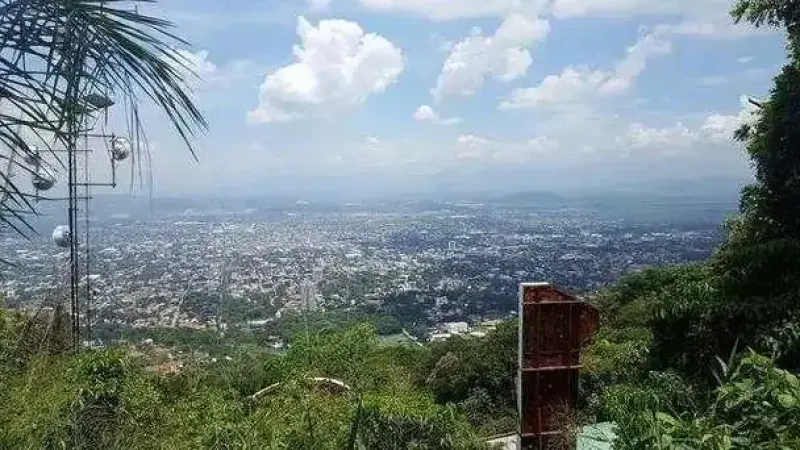
Among them, the Conayagua region has performed remarkably well in recent years. This region is located in west-central Honduras, between Comayagua Department and Francisco Morazán Department.
Most of this area consists of pine savanna, high mountains, marshes, and tropical rainforest, with an average altitude of 1,100 to 1,700 meters and annual rainfall of 1,350 to 1,700 millimeters, providing superior natural conditions for coffee cultivation. Coffee from this region features lemon flavor as its main note, with distinct and sweet fruity aromas, a creamy, rich body, and a hint of citrus sweetness, exuding sweet and chocolate notes.
At this year's Honduras COE, El Gravileo farm from the Conayagua region stood out. Although it only ranked 18th, its score of 88.07 is quite outstanding, and it was the only winner from this region. The owner of El Gravileo farm is Lester Marquez. Originally, there were only some oak trees on this land, and later he began to plant coffee and other crops. At first, he planted the Parainem variety, but this variety is more suited to low and medium altitudes, while the estate is at nearly 1,800 meters, so he later switched to Typica.
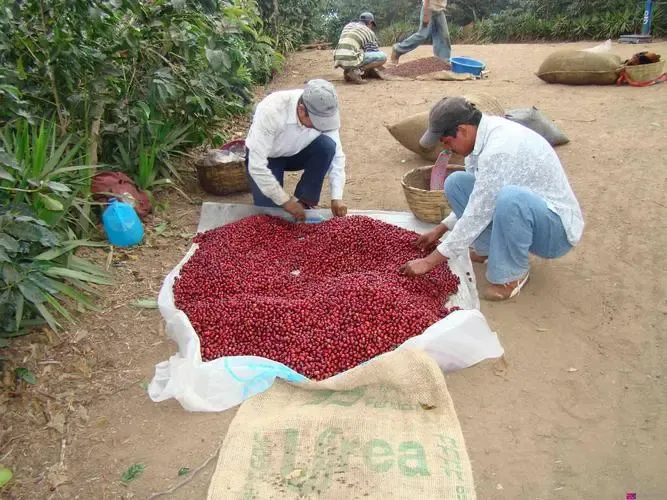
Afterward, through some trading companies, the estate owner got to know some international coffee buyers. These buyers thought the estate's coffee quality was outstanding and encouraged him to participate in the COE. This year was El Gravileo farm's first time participating in the COE, and it won a ranking. The estate owner said that through the auction, more funds can be obtained to invest in the farm, helping to push coffee quality to a higher level in the coming years.
The above content is compiled by CoffeeHunters, a coffee news website.


