








Front Street Coffee recently acquired a sun-dried Geisha coffee bean produced by Colombia's Finca La Esperanza. When brewed, it presents aromas of blueberry and smoked plum, with layers of blackcurrant juice, orange, and berry flavors on the palate. The juicy mouthfeel is abundant, and a red wine-like quality can be sensed in the finish. This Geisha comes from a renowned estate with a long history in Colombia—Cafe Granja La Esperanza, known in Chinese as "Hope." Over the past decade, Finca La Esperanza has accumulated more than sixty awards in major coffee competitions worldwide, is a regular participant in Colombia's green coffee competitions, and has even competed across regions in Panama's Best of Panama (BOP) competition with notable success. This article will provide a comprehensive introduction to this legendary estate from the perspectives of its background, the terroir of the Cauca region, the history of variety introduction, and processing techniques.
For more specialty coffee knowledge, please follow the WeChat official account: FrontStreet Coffee
Front Street Coffee recently purchased a sun-dried Geisha coffee bean from Colombia's Finca La Esperanza. After brewing, aromas of blueberry and smoked plum can be sensed in the cup, with blackcurrant juice, orange, and berry flavors on the palate. The juicy mouthfeel is very full, and the finish carries a red wine-like quality.
This Geisha coffee bean comes from a well-known estate with deep-rooted coffee-growing heritage in Colombia: Cafe Granja La Esperanza, whose Chinese translation is "Hope," which sounds quite appealing as well. Over the past decade or so, Finca La Esperanza has won more than sixty awards in coffee competitions around the world, is a regular at Colombia's green coffee competitions, and has even participated in Panama's BOP competition with notable achievements.
Finca La Esperanza does not refer to a single farm; it comprises five sub-estates in Colombia: Potosí, Cerro Azul, Las Margatitas, La Esperanza, and Hawaii. Only Hawaii is located in the Cundinamarca Department, while the other four are all in the Valle de Cauca Department.
Colombia is located in the northwestern corner of the South American continent, bordering Panama in Central America. It lies roughly between 3 and 8 degrees north latitude and has a tropical climate, though the specific climate varies with topography. The country is rich in volcanic soil resources, with annual rainfall between 2,000 and 3,000 millimeters. The climate is mild and the air humid. These diverse climatic conditions allow Colombia to harvest coffee year-round. The southern part of the eastern plains and the Pacific coast have a tropical rainforest climate, the mountainous areas at elevations of 1,000 to 2,000 meters have a subtropical climate, and the northwest has a tropical savanna climate. The average annual temperature ranges from 15.8 to 20.5 degrees Celsius, while the average temperature in coffee-growing regions fluctuates between 18°C and 22.5°C.
Cauca Department is one of Colombia's certified coffee regions of origin, with an average elevation of 1,758 meters and a maximum of 2,100 meters. The terrain, rainfall, temperature, and volcanic soil of this region provide ideal natural conditions for coffee cultivation. Eighty percent of its territory is mountainous, with parallel mountain ranges in the east and center that are part of the Andes. The central range includes two major volcanoes, Sotara and Petacas. On its borders, Cauca Department is similar to other southwestern production regions in that rainfall shows a clear monomodal distribution. The dry season typically occurs in August and September each year, followed by a rainy season that brings a concentrated coffee flowering period, and then the concentrated coffee harvest season the following year.
The biggest climatic difference between the Cauca region and other production areas is probably the relatively larger temperature variation—the average daily temperature is 11°C, while the average daytime temperature is 18°C. The day-night temperature difference is an important factor in shaping high-quality coffee. The low nighttime temperatures combined with relatively higher elevations slow down the coffee's growth pace, allowing the coffee seeds and beans to more fully absorb nutrients from the coffee fruit, and also giving Cauca coffee more outstanding acidity and a remarkable distinctive sweetness.
Finca La Esperanza was founded by the couple Blanca Ligia Correa and Juan Antonio Herrera. Initially, the couple entered a farm called Potosí through labor allocation and developed a strong interest in specialty coffee production during this time, so they directly bought the Potosí estate.
At the time, the Potosí estate mainly cultivated the Typica variety, but the estate owner Mr. Herrera hoped to cultivate more excellent specialty coffees. Therefore, in 1945, they purchased a new piece of land near the Potosí estate and established La Esperanza, specifically to introduce other conventional varieties, including Yellow Bourbon, Bourbon, Caturra, and others.
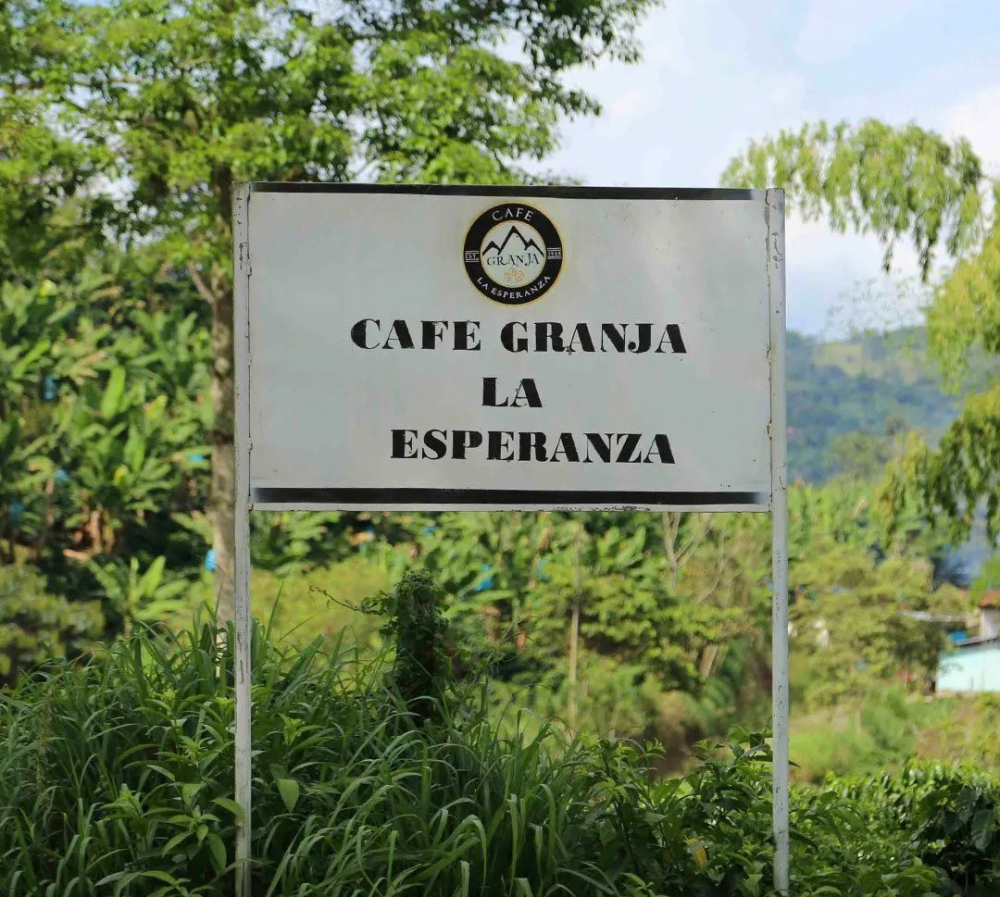
Finca La Esperanza is distributed between 1,400 and 1,860 meters above sea level. Regulated by valley air currents, this area has mild temperatures of 17°C to 22°C and abundant rainfall, with an average annual rainfall of 1,340 millimeters. During their management of the estate, the couple had fourteen children, and the entire family gradually grew. Among these children, two named Rigoberto and Luis showed great interest and talent in coffee cultivation and began to take over the family's estate management.
In addition, Rigoberto leased a coffee farm in the Boquete region of Panama in 2007 to grow the Geisha variety, and in 2008 won the Best of Panama (BOP) championship, followed by second place in 2009. This achievement also made Finca La Esperanza internationally famous.
Later, Rigoberto introduced Geisha to Finca La Esperanza in Colombia for cultivation. As the scale of operations continued to expand, they successively acquired three more plots: Cerro Azul, Las Margatitas, and Hawaii (the Geisha that Front Street acquired comes from the Las Margatitas plot).
These five estates total 150 hectares in area, with different cultivation elevations, but all fall within the range of 1,400 to 2,000 meters. Today, in addition to the original traditional varieties, the entire La Esperanza farm also cultivates Geisha, Sidra, and coffee trees that the estate has selected or that have mutated on their own.
Currently, Finca La Esperanza is mainly situated in the Valle de Cauca Department (the name mainly comes from the nearby well-known Cauca River). This was once Colombia's core coffee region, located in central Colombia. Thanks to its unique mountainous terrain and climatic conditions, it has two dry seasons and two rainy seasons each year, and therefore two coffee harvest seasons. In an era when output was the measure of success, this area received considerable attention from the government. However, with the rise of the specialty coffee wave, Colombia's coffee core gradually shifted to the southern region. Even so, the Valle de Cauca Department still gathers many well-known estates focused on coffee cultivation and processing research, such as Finca La Esperanza and Finca Immortal, continuously driving the development of the local coffee industry.
As a team established for 76 years, Finca La Esperanza has PhD-level botanists, three professional cuppers, and more than one hundred staff members who jointly manage its various estates. Among them, chief botanist Hernando Tapasco set up a weather station on the estate to track weather data and assist in making harvest decisions. Data from the farm is continuously collected and analyzed once a week. After the harvest ends, they compare weather data, production data, and cupping data to analyze the correlations among them.
In addition, the fruit pickers for Geisha trees are strictly trained to harvest only ripe cherries and are paid by the day, which differs from the practice at most estates of paying by weight. To prevent workers from picking substandard cherries in pursuit of speed, half of the pickers have more than six years of work experience. After harvesting, the fruit is immediately sent to the central processing plant at Finca La Esperanza. Each batch of Geisha is marked and processed separately. It first undergoes a three-day pre-drying stage on the drying beds, and is then transferred to small towers for drying.
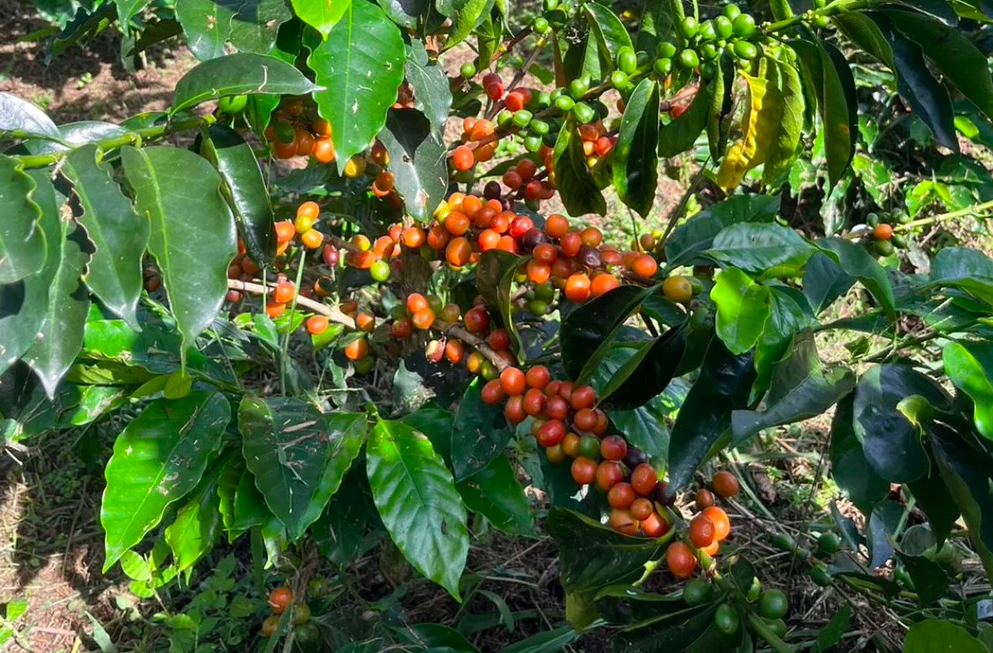
In terms of experimentation and innovation with coffee varieties, Finca La Esperanza has never stopped, continuously trying novel high-quality varieties. In addition to Caturra, which originally occupied most of the area at Finca La Esperanza, varieties such as Geisha, organic Geisha, Mocha, Bourbon (including Red Bourbon, Yellow Bourbon, and Tekizik and other different Bourbons), Laurina, Pacamara, San Bernardo, and Pache have all appeared on the estate at one time or another, demonstrating the entire team's great passion for the specialty coffee industry.
The above content is compiled by CoffeeHunters, a coffee news website.


