







Search Results for: Soil
Exploring the Yirgacheffe Konga Cooperative: The Coffee Origin Story Born from Red Soil and a Breakdown of Its Flavor and Mouthfeel
Yirgacheffe, as a brilliant gem of Ethiopian specialty coffee, has its unique flavors and origin stories long relished by coffee enthusiasts. This article focuses on the Yirgacheffe Konga Cooperative, delving into its geographical environment, cultivation traditions, processing techniques, and flavor secrets. Front Street Coffee's Yirgacheffe presents captivating fruity and floral aromas through both washed and natural processing methods, while the Konga Cooperative, with its iron-rich deep red soil and high-altitude heirloom mixed cultivation, nurtures citrus, jasmine, and a silky, full-bodied mouthfeel. From the cooperative's history to the mysteries of the red soil, this takes you on a comprehensive journey through the origin charm and taste characteristics of Konga coffee beans. [more…]
How to Raise Coffee Seedlings and Establish a Plantation? A Systematic Cultivation Guide from Propagation and Planting to Pruning and Fertilization
The flavor foundation of a good cup of coffee is laid the moment the seed touches the soil. This article systematically outlines the complete technical chain of coffee from seedling propagation to plantation management: seed collection and washing in seed propagation, nursery establishment, germination acceleration and transplanting, and seedling-stage care; the key operational points of cutting and grafting in asexual propagation; and then extends to coffee plantation site selection and planning, land clearing and field planting, shade tree configuration, single-stem and multi-stem training and pruning techniques, as well as soil management measures such as weeding and mulching, deep plowing and soil improvement, and irrigation and fertilization. For enthusiasts who wish to gain a deeper understanding of the logic of coffee cultivation and build a systematic awareness from origin to cup, this is a solid technical reference. The variety terminology and operational standards involved in the [more…]
Exploring Ethiopian Heirloom Varieties: The Flavor Code and Red Soil Legend of the Yirgacheffe Konga Cooperative
Yirgacheffe is the shining pearl of Ethiopian coffee, and the Konga Cooperative is a brilliant point of light upon this pearl. As one of the 26 cooperatives under the YCFCU alliance, Konga sits on high-altitude red soil at 1800-2000 meters, nurturing coffee that combines the charm of Typica and native heirloom varieties. This article will delve into Konga's growing terroir, the secrets of its red soil, and its sun-drying process, analyzing its unique flavors—smooth and clean, elegant with floral and fruity notes, silky like red wine, and with a chocolate finish—and introduce you to the mysterious Ethiopian heirloom varieties. At the end, there is a sincere分享 from Front Street Coffee that coffee lovers should not miss. [more…]
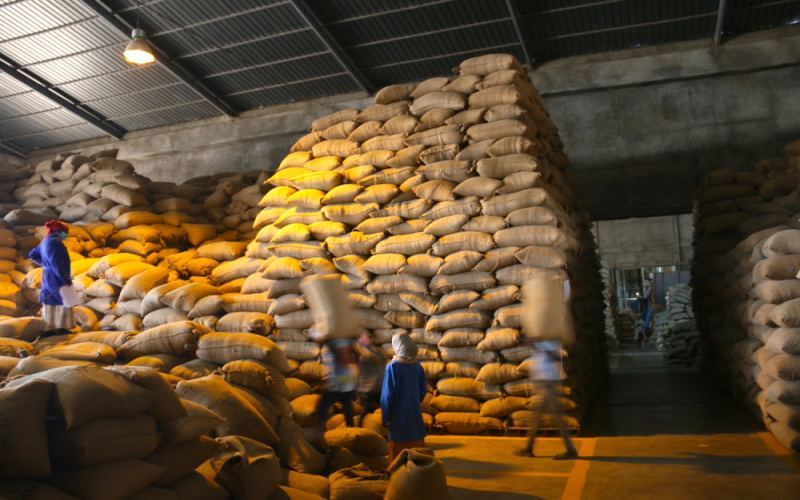
Ethiopia's Three Major Coffee Export Systems and the ECX Trading Mechanism: How Single-Farm Beans Like Hambela Hualukui Reach Overseas Markets
Ethiopia, as the holy land of specialty coffee, has a rather complex coffee export system. According to local regulations, coffee exports are divided into three major systems: ECX bidding, cooperatives, and single farms. Among these, cooperatives and single estates can bypass the ECX and export directly, offering relatively complete traceability. The ECX was founded by Eleni Gabre-Madhin in 2008, and through grading, warehousing, and real-time information, it transformed the trading circumstances of coffee farmers. However, what truly achieves 100% traceability is the single farm system that has risen in recent years. The Sidamo sun-dried Huakui is a representative work from the Hambela farm. This article will sort out the operational differences among the three systems, the trading logic of the ECX, the structure of the six major cooperative unions, and the significance of single farms to specialty coffee. Front Street will also continue to follow these origin developments, bringing coffee enthusiasts clearer origin knowledge. [more…]
A Detailed Guide to Coffee Beans from Guatemala's New Oriente Region: Volcanic Metamorphic Soil and Pour-Over Flavor Characteristics
The Nueva Oriente region of Guatemala is located in the southeastern part of the country, bordering El Salvador and Honduras, and sits within a dormant volcanic zone. Coffee has been grown here since 1950, with production dominated by small family-owned estates. Thanks to its unique soil—a mix of metamorphic rock and volcanic minerals—it produces coffee beans with a rich aroma, bright acidity, and outstanding body. This article will take you deeper into the terroir, cultivation history, and cupping performance of the Nueva Oriente region, along with Front Street Coffee's pour-over flavor interpretation of beans from this region—perfect for every lover of Guatemalan coffee to savor carefully. [more…]
An In-Depth Analysis of the Guatemala Antigua Coffee Region: Volcanic Soil, Bourbon Variety, and a Distinctive Smoky Flavor
The Antigua region of Guatemala is renowned worldwide for its exceptional quality and layered flavors, where chocolatey sweetness intertwines with elegant acidity, and the distinctive smoky note in the finish is endlessly memorable. This land boasts over 300 microclimates and fertile volcanic soil, providing uniquely favorable conditions for coffee cultivation. Antigua primarily grows the Bourbon variety, and the high altitude with large temperature swings between day and night allows the coffee cherries to accumulate more sugars, extending the maturation period and making the flavor increasingly complex and rich. This article will guide you into the terroir secrets of the Antigua region, from volcanic ash soil to the flavors in the cup, exploring the mysteries of this fine brew. [more…]
A Complete Flavor Analysis of Guatemala Antigua La Flor Coffee Beans: The Taste Profile of a Central American Specialty Coffee Nurtured by Volcanic Soil
Guatemala is located on the Central American isthmus. With its highland terrain shaped by volcanic ranges and mineral-rich volcanic ash soil, it has become the world's ninth-largest coffee producer. Among its seven major producing regions, Antigua stands out in particular—a valley surrounded by three volcanoes, abundant sunshine, and cool nights together create a unique microclimate. This article will guide you through an in-depth understanding of the natural conditions of the Antigua region, analyze the cupping performance of local coffee beans, and introduce the elegant sweetness and balanced mouthfeel presented by Flor del Café coffee beans. Whether you are a coffee enthusiast just starting out or a connoisseur pursuing flavor details, you will be able to feel the unique charm that this volcanic land imparts to coffee. [more…]
Growing Coffee Trees in Pots at Home: A Complete Guide to Cultivation and Care from Seed Treatment to Flowering and Fruiting
Want to grow a coffee tree with your own hands at home? Actually, growing coffee in a pot is entirely feasible. This article compiles the hands-on experience of a flower enthusiast in Beijing, covering everything from seed collection, scarification treatment, sowing and sprouting, to transplanting into pots, soil mix ratios, watering and fertilizing, lighting and repotting, and finally flowering, fruiting, and daily precautions. Whether you live in the north or the south, as long as you master a few key steps, you can let a coffee tree grow healthily in a pot. The article also specifically mentions product information from Front Street Coffee for those who are interested. [more…]

The Terroir Code of Coffee: How Growing Environment Beyond Genetics Shapes the Flavor in Your Cup
We often hear baristas mention the term "terroir"—what exactly does it mean? The flavor of a cup of coffee is about seventy percent determined by varietal genetics, while the remaining thirty percent comes from the natural conditions of the growing region—latitude, altitude, soil, sunlight, and humidity all working together to give coffee from different origins strikingly different flavor profiles. This article will examine these five dimensions to explain how the environment affects coffee's balance of acidity and sweetness and its rich mouthfeel, and help you understand why high-altitude beans have fuller flavor and why volcanic soil can impart a distinctive acidic aroma to coffee. [more…]
Where Does the Aroma of Colombia Rose Valley Coffee Come From? Analyzing the Role of Volcanic Soil and Anaerobic Enzyme Washed Flavor Formation
Front Street Colombia Rose Valley has become a highly talked-about coffee on the bean list thanks to its signature flavors of peach, cranberry, liqueur chocolate, and rose florals. Where exactly does its intense aroma come from? Is it a flavored bean? This article traces the real causes of Rose Valley's flavor step by step, from the volcanic soil of the Santander growing region and the characteristics of the Caturra variety to the anaerobic enzyme washed processing method that rose to prominence after 2014, and includes Front Street Coffee's in-store V60 brewing parameters and three-pour extraction steps to help you recreate at home that cup combining berry-like acidity with caramel sweetness. [more…]
Guatemala Antigua Specialty Coffee Beans: Analysis of the Rich Taste and Unique Flavor Cultivated by Volcanic Soil
Guatemala, as a world-renowned specialty coffee-producing country, enjoys exceptional natural conditions and diverse microclimates. Among its regions, Antigua stands out in particular, where volcanic soil, high altitude, and ample rainfall together create a coffee flavor with a perfect balance of acidity, sweetness, and body. The Guatemala Antigua coffee beans selected by Front Street Coffee are plump, with a captivating spicy aroma and a hint of mysterious smokiness that is unforgettable at first sip. This article will take you deep into the story of Antigua coffee's origin, its flavor characteristics, and the unique features of Guatemala's seven major coffee regions. [more…]
An In-Depth Analysis of Kenya's Nyeri Coffee Region: Flavor Codes from Colonial History to Volcanic Soil
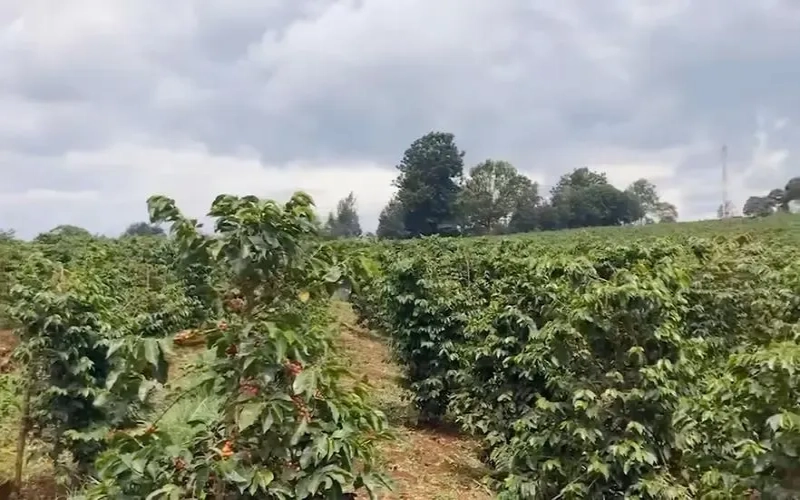
Kenyan coffee is world-renowned for its multi-layered flavors and juicy acidity, and Nyeri is the most dazzling producing region in this East African coffee powerhouse. This article will begin with the colonial origins of Kenyan coffee, tracing its historical trajectory from introduction by missionaries to the formation of the smallholder model, then delve into the unique terroir conditions of the Nyeri region—the fertile volcanic soil brought by the extinct volcano Mount Kenya, glacial meltwater, and the high-altitude microclimate. By understanding this background, coffee enthusiasts can more deeply appreciate why Nyeri coffee can present such a distinct regional flavor. Front Street Coffee will also continue to pay attention to high-quality lots from this producing region. [more…]
Kenya Kirinyaga Coffee Region: A Paradigm of Purple Fruit Flavors Nurtured by Volcanic Soil
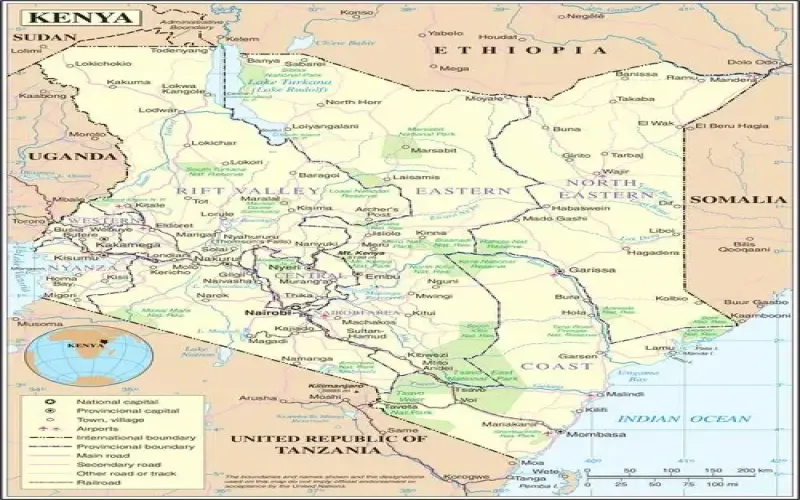
Africa is recognized as the birthplace of coffee. As Ethiopia's neighbor, Kenya started its coffee industry relatively late, yet has won the favor of industry insiders with its multi-layered flavors and juicy acidity. In central Kenya, several well-known producing regions surround the dormant volcano Mount Kenya, among which Kirinyaga has drawn increasing attention in recent years. This region has fertile volcanic soil, abundant rainfall, and a cool climate. Coffee is grown at altitudes between 1,300 and 1,900 meters, and is known for its intense flavor, rich layers, and solid mouthfeel, ranking alongside the Nyeri region as one of Kenya's two finest producing regions. This article will take you through an in-depth look at Kirinyaga's geographical environment, historical background, and flavor characteristics, and share the cupping experience of a washed Kirinyaga Blackberry Queen that Front Street Coffee recently sourced. [more…]
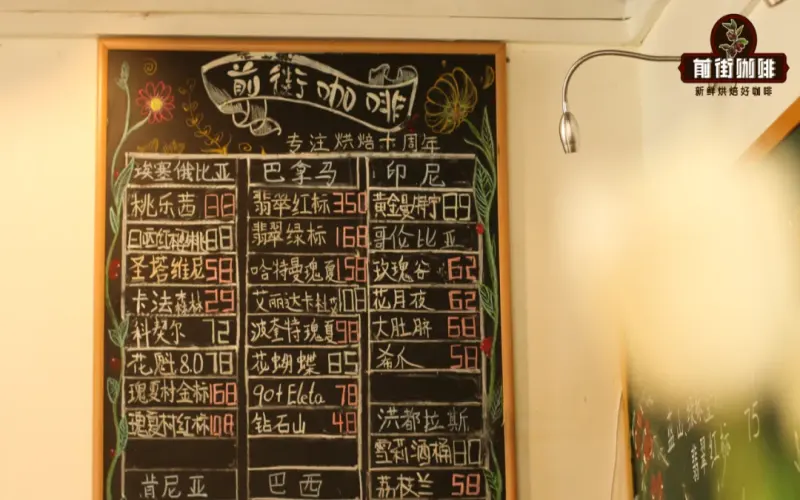
What Is the "Terroir" Taste of Specialty Coffee? A Detailed Explanation of the Three Key Factors Affecting Coffee Flavor: Soil, Climate, and Altitude
When we talk about specialty coffee, why do baristas always emphasize the region first? The answer lies in "the taste of terroir." Different regions, due to differences in their natural environments, give coffee beans completely distinct flavor characteristics—this is the power of terroir. In this article, Front Street Coffee will take you deeper into what the taste of terroir is, how it influences the direction of coffee's flavor, and the three key elements that determine coffee's taste—soil, climate, and altitude. At the same time, we will also clarify a common misconception: terroir is certainly important, but it is only the foundational condition of coffee's flavor, not the sole factor determining its final expression. [more…]
Guatemalan Antigua Coffee Flavor Analysis: Tobacco Aromas and Full-Bodied Taste Born from Volcanic Soil
The Antigua region of Guatemala, with its unique volcanic soil and microclimate, nurtures coffee beans that are rich in flavor and layered in complexity. The coffee produced here often carries a signature tobacco note and a charred, smoky character, with a smooth mouthfeel where sweetness and smoky tones intertwine—earning it the name "cigarette coffee." The valley topography surrounded by three active volcanoes, the abundant nitrogen from periodic volcanic eruptions, and ample rainfall and sunshine together create the outstanding quality of coffee from this region. This article will take an in-depth look at the flavor characteristics of Antigua coffee and introduce representative lots such as El Pulcal from the Carmona Estate, allowing you to appreciate the alluring charm of this coffee praised as the "most perfect coffee bean." [more…]
An In-Depth Analysis of Kenya's Coffee Regions: The Bright Acidity and Layered Flavors Bestowed by Red Soil Terroir
The African continent has long been renowned for producing high-quality coffee, and Kenya, neighboring Ethiopia, is one of the countries with extremely strict standards for cultivation and quality management. Whether from large estates or smallholder farmers, all coffee beans must be processed and then sent to the Kenya Coffee Board for unified cupping and grading. This article will provide an in-depth analysis of the sources of Kenya coffee's unique flavor, from the aluminum, iron, and other elements abundant in its red soil to its distinctive aroma and prominent acidity, and will introduce Front Street Coffee's recommended descriptions of Kenya coffee's flavor characteristics. [more…]
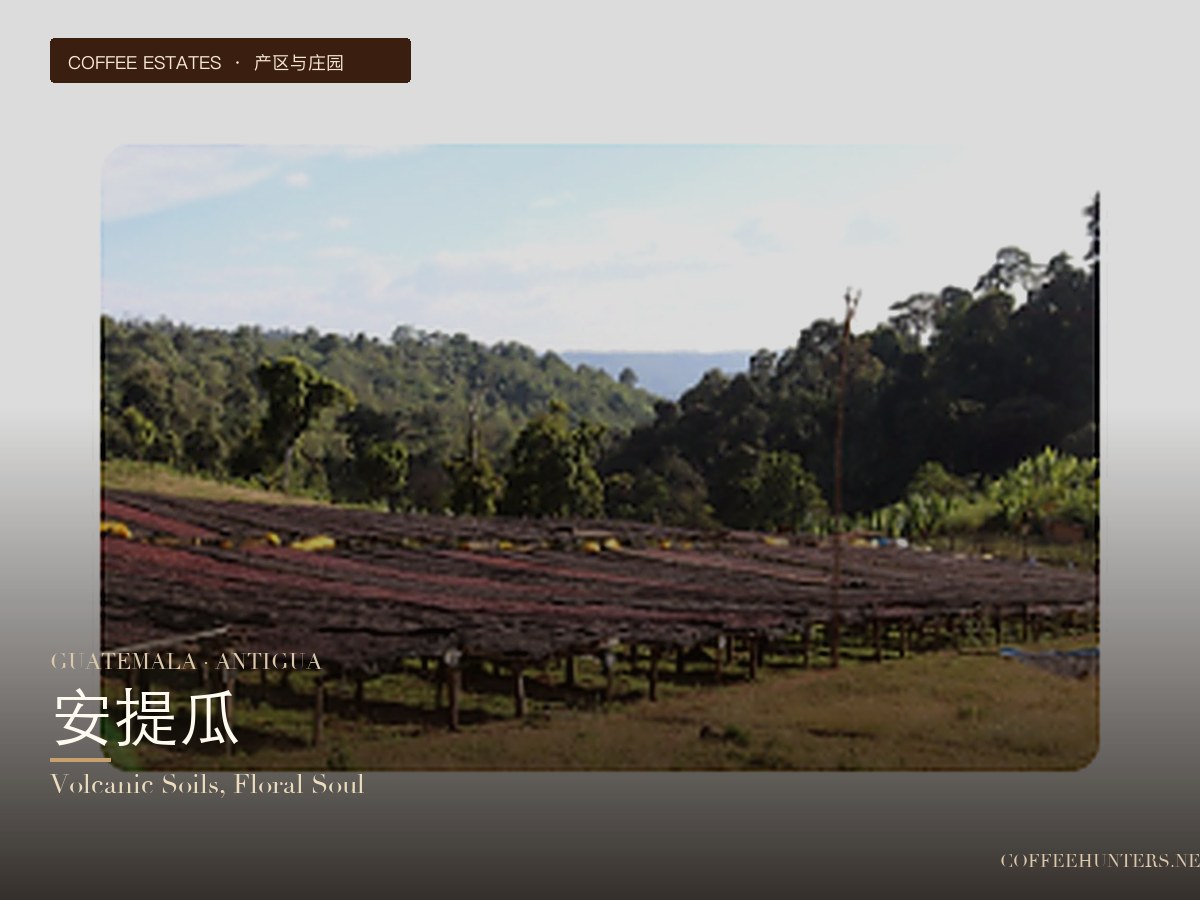
Guatemala Antigua: A Classic Collision of Volcanic Soil and Floral-Fruity Notes
Guatemala Antigua is one of the world's most prestigious specialty coffee regions, and its unique terrain—embraced by volcanoes on three sides—gives rise to its signature floral and fruity notes along with a full body. This article takes you deep into this Central American coffee gem. [more…]
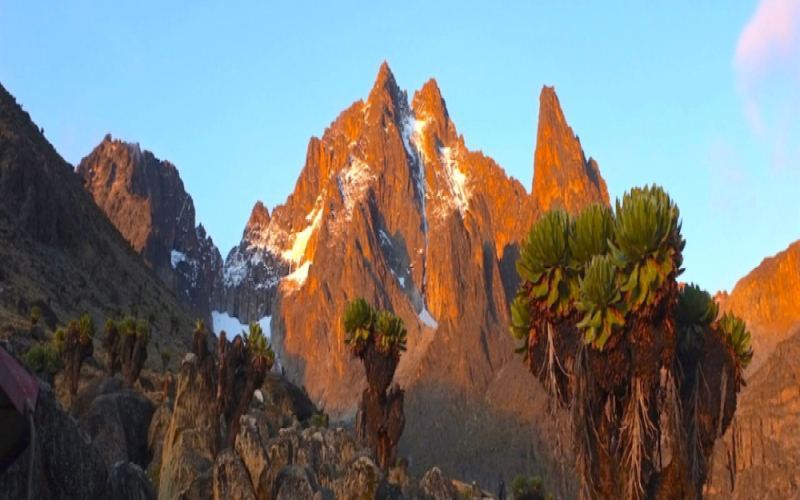
Why Is Kenyan Coffee's Acidity So Outstanding? A Complete Analysis from Volcanic Soil to K72 Washing
Kenyan coffee is renowned worldwide for its vibrant acidity, with flavor layers reminiscent of black plum, cherry tomato, and sugarcane that captivate countless coffee enthusiasts. This distinctive acidity is no accident, but rather the result of the combined effects of altitude, volcanic geology, latitude, variety, and processing methods. This article will start with Kenya's growing environment, analyze the origins of the legendary SL28 and SL34 varieties, and delve into Kenya's iconic 72-hour fermentation washed method (K72) as well as its unique steel bed drying process, helping you understand the interconnected flavor logic behind a cup of Kenyan coffee. [more…]
Guatemalan Antigua Coffee: A Unique Smoky Flavor Rooted in Volcanic Soil and Mayan Heritage
Guatemalan Antigua coffee is renowned worldwide for its balanced fruity acidity, rich spicy aroma, and signature smoky flavor. Behind this cup of coffee lies a tapestry woven from the ancient heritage of Mayan civilization, the rise and fall of Spanish colonial history, and the unique terroir bestowed by volcanic soil. From the diligent cultivation of the indigenous people to the admiration of today's international coffee connoisseurs, Antigua coffee carries a story spanning hundreds of years. This article will guide you through an in-depth understanding of Antigua coffee's flavor characteristics, historical origins, and its unique position in the global coffee landscape. [more…]
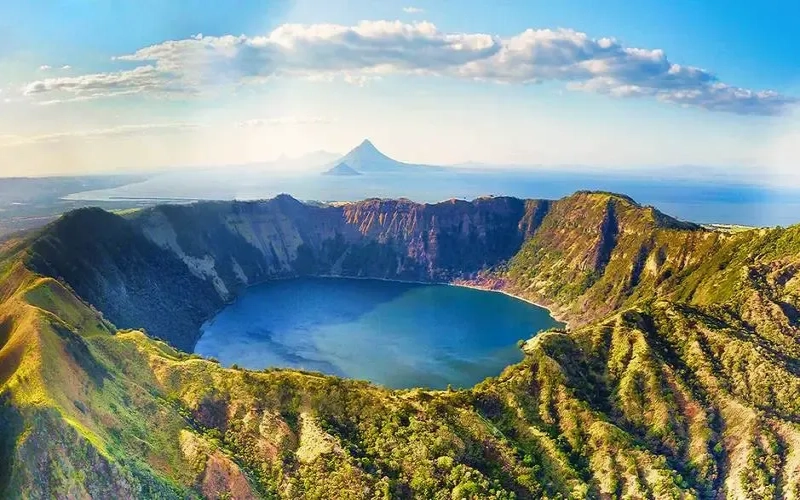
Nicaragua Nueva Segovia Coffee Region: High-Altitude Volcanic Soil and Emerging Prominence at COE
Central America has agriculture as its economic backbone, and its volcanic ash-rich soil and diverse climates have nurtured the coffee industries of countries such as Nicaragua. Although Nicaragua is not as renowned as Costa Rica or Panama, its growing conditions are by no means inferior. This article focuses on Nueva Segovia, one of the three major producing regions in the country's north—adjacent to Honduras, with the highest altitude and relatively low humidity, where concentrated sugars bring high sweetness and complex flavors. This region regularly appears on Nicaragua's COE list, and Los Suyates farm even won first place in 2022 and took second place in 2024. Front Street Coffee will also walk you through this coffee history, from the colonial period to the rebuilding of cooperatives. [more…]