







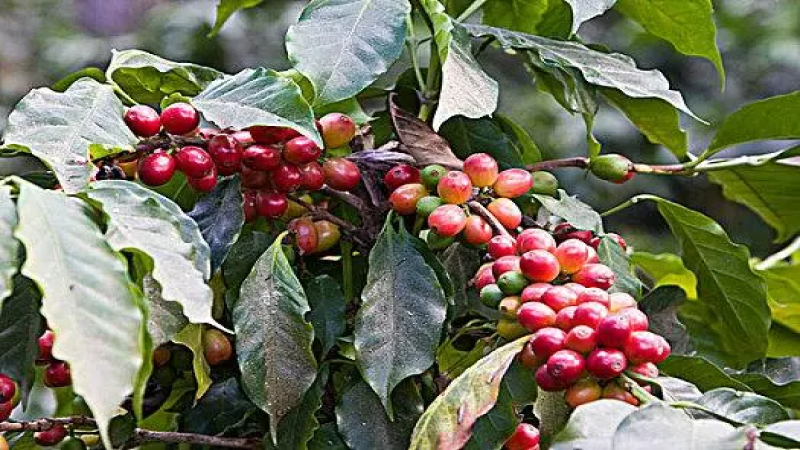
What Makes Mandheling Coffee From Sumatra Distinct?
Mandheling is the name used for Indonesian coffee grown mainly in Sumatra, particularly the Lintong area around Lake Toba and the Gayo Mountains in Aceh. Indonesia spans more than 17,000 islands along the equator, and its volcanic soil, warm humid climate and abundant rivers give the coffee a heavy body and low acidity.
The name Mandheling has historical roots rather than ethnic ones, and the Lintong region's terroir, at altitude with volcanic ash, shapes flavor distinctly. Wet-hulling, a local processing method, removes the parchment while the bean is still moist, adding the earthy, herbal notes buyers associate with Sumatra coffee cultivation.
Among the many coffee-producing countries in Asia, Indonesia occupies a unique position thanks to its signature Mandheling flavor. This archipelagic nation, made up of more than 17,000 islands, straddles the equator and is dotted with volcanoes, providing exceptional natural conditions for coffee cultivation. Sumatra is the core producing region for Mandheling, with the Gayo Mountains in Aceh in the north and the Lintong area around Lake Toba being particularly well known. This article will walk you through an overview of Indonesia's coffee-producing regions, the origin of the name Mandheling, the terroir of the Lintong region, and specific information and brewing suggestions for Front Street Coffee's entry-level selection, Lintong Mandheling.
There are quite a few coffee-producing countries in Asia, including Papua New Guinea, Yunnan in China, Vietnam, and Indonesia. Among these origins, Indonesia made its name precisely through the Mandheling category.
Indonesian Coffee
Indonesia is located in Southeast Asia, bordering Papua New Guinea, East Timor, and Malaysia. The country is extremely rich in natural resources and is the world's largest archipelagic nation, composed of 17,508 islands of varying sizes between the Pacific and Indian Oceans. It is also a country with frequent volcanic activity.
Indonesia straddles the equator and has a tropical climate, warm and humid all year round, with average temperatures maintained at around 25 to 27°C. The country can broadly be divided into two seasons: April to October is usually the dry season, while November to March of the following year is the rainy season. In addition, rivers are dense and water is abundant here, and combined with volcanic soil, all these conditions together create a solid foundation for coffee cultivation.
Sumatra
Since Indonesia is made up of 17,508 islands of varying sizes, several islands are currently growing coffee, with representative ones including Sumatra, Java, Bali, and Sulawesi. Sumatra is precisely the place known for Mandheling coffee.
Sumatra is located in western Indonesia and is the country's largest island. It sits on the equator and has a tropical rainforest climate. Its terrain mainly consists of the Barisan Mountains in the west and lowland plains in the east, with more than 90 volcanoes distributed across the island. Nourished by volcanic ash, the soil in some areas is quite fertile, and with lakes scattered everywhere, this place is very suitable for cultivating crops such as coffee. As things stand in Sumatra at present, coffee is mainly grown in the Gayo Mountains of Aceh Province in the north and the area around Lake Toba slightly to the south, with most of these areas at elevations between 1,100 and 1,600 meters. Front Street Coffee (FrontStreet Coffee) currently has two Mandheling coffees on sale. One is Front Street PWN Golden Mandheling from the Gayo Mountains in Aceh, with flavors of toasted bread, pine, cocoa, and slight herbal notes, and a clean and balanced mouthfeel. The other comes from the Lintong producing area around Lake Toba.
Lintong Mandheling
Coffee is often sold on the market under the name "Sumatera Mandheling." However, Mandheling is neither a coffee variety nor a place name, but the name of an ethnic group on the island. Legend has it that during World War II, a Japanese officer drank a cup of good coffee in a café in Indonesia and asked the shopkeeper for the name of the coffee, but the shopkeeper mistakenly thought he was asking where he came from, so he answered "Mandheling." Later, the officer brought this coffee back to Japan, and the name Mandheling has been used ever since.
Lake Toba is currently the largest and deepest volcanic lake in the world. Its surroundings are covered with mineral-rich soil left behind after volcanic eruptions and possess the unique geographical conditions of an elevation above 900 meters. The nearby Lintong producing area sits at an elevation of 1,200 to 1,500 meters. Precisely because of this, the Mandheling grown here has rich flavors and extremely high body.
Coffee Variety Ateng
The variety used for both of these coffee beans is Ateng. Many people mistakenly think it is a new variety, but in fact it is simply Catimor. "Ateng" is just a local Indonesian name, just as what Indonesia calls TimTim is actually the local name for Timor Hybrid.
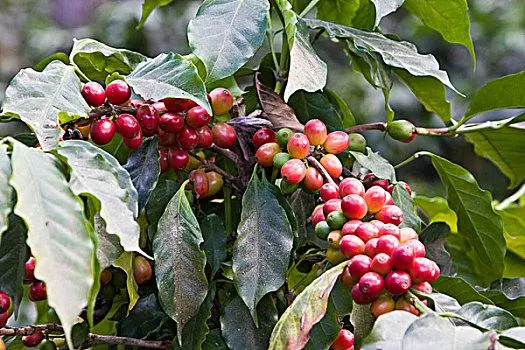
Front Street Coffee (FrontStreet Coffee) Indonesia Entry-Level Selection Lintong Mandheling Coffee Beans Region: Sumatra Producing Area Altitude: 1,100-1,600 meters Variety: Ateng Processing Method: Wet-Hulled Process Flavor: Dark Chocolate, Herbal, Caramel, Sweet Finish
This entry-level selection Lintong Mandheling from Front Street Coffee (FrontStreet Coffee) uses the wet-hulled processing method and is dark roasted. For brewing, Front Street uses a KONO dripper, extracting at a ratio of 1:15 and a water temperature of 92°C. It presents herbal and dark chocolate flavors on the palate, with a mouthfeel as rich as caramel, and the sweetness of the finish is also quite prominent.
The above content is compiled by CoffeeHunters, a coffee news website.


