







Search Results for: Sunlight
The Three Grading Levels of Costa Rican Honey-Processed Coffee: A Detailed Explanation of the Differences Between Yellow Honey, Red Honey, and Black Honey Processing
Some coffee estates in Costa Rica classify honey processing grades by the color of the green beans, giving rise to three types: yellow honey, red honey, and black honey. The essence of these color differences lies in the varying duration of sunlight exposure the coffee receives during the drying stage, which in turn affects the drying speed, processing difficulty, and final flavor expression. Yellow honey receives the most sunlight and can complete drying in about a week; red honey, due to weather or shading measures, requires two to three weeks; black honey is kept in a dark environment throughout, taking at least two weeks, with complex procedures and heavy labor input, and is also the most expensive. Front Street Coffee takes you through an in-depth look at the craft characteristics and differences of these three honey processing methods. [more…]

The Terroir Code of Coffee: How Growing Environment Beyond Genetics Shapes the Flavor in Your Cup
We often hear baristas mention the term "terroir"—what exactly does it mean? The flavor of a cup of coffee is about seventy percent determined by varietal genetics, while the remaining thirty percent comes from the natural conditions of the growing region—latitude, altitude, soil, sunlight, and humidity all working together to give coffee from different origins strikingly different flavor profiles. This article will examine these five dimensions to explain how the environment affects coffee's balance of acidity and sweetness and its rich mouthfeel, and help you understand why high-altitude beans have fuller flavor and why volcanic soil can impart a distinctive acidic aroma to coffee. [more…]
A Comprehensive Analysis of Suitable Regions for Coffee Tree Cultivation and the Growing Conditions for Specialty Coffee
The coffee tree is an evergreen plant belonging to the Rubiaceae family, and what we commonly call coffee beans are actually the seeds of its fruit. Climate is the core factor determining coffee cultivation. Coffee trees are only suitable for growing in tropical and subtropical regions, and the "Coffee Belt" between 25 degrees north and south latitude is their main planting area. However, being located within this region does not mean that high-quality coffee can be produced everywhere; conditions such as temperature, rainfall, soil fertility, sunlight intensity, and altitude must all match strictly. This article will provide a detailed overview of the most ideal growing environment for coffee trees and introduce a herbaceous coffee that can be cultivated in most parts of China, while also retaining related recommendations from the Front Street brand. [more…]

Persistence Under 40°C Heat: Why the MUJI Suzhou Coffee Pop-Up Store Drew Long Queues
On a sweltering 40°C day, most people would rather stay cocooned in air-conditioned rooms, yet an unusual queue formed at Suzhou's Yanlord Cangjie Commercial Plaza—outside the nation's first MUJI coffee pop-up store, customers were lining up under the scorching sun, umbrellas in hand. What drew them was not a new matcha product, but two Suzhou-exclusive brand badges. However, the queuing process was nothing short of a "roasting" ordeal, with indoor areas also unable to escape direct sunlight, weakening the air conditioning and leading to frequent complaints about insufficiently cold drinks and ice cream melting in seconds. This pop-up event will continue until November, and those who have already "braved the battle" are advising: if you're not set on the giveaways, it might be better to wait for cooler weather before going. [more…]
Flavor Analysis of Hoffsa Slow-Dry Washed Beans: The Taste Code of High-Altitude Natural Process Yirgacheffe
Located in Hafursa Village, about eight kilometers west of Yirgacheffe town, it sits on slopes between 1,900 and 2,200 meters above sea level. The local processing station has 12 standard fermentation tanks and more than 160 coded drying bed frames, allowing precise tracking of processing progress. High-altitude berries, after washing, present a distinct lemon note, bright and high-pitched with a delicate texture. However, traditional African beds dry too quickly under bright sun and ventilation, which is actually unfavorable for flavor development. This article explores in depth the agronomic principles of the semi-shaded slow drying method and how it extends the drying period to 16–30 days, thereby preserving more complete contents and bringing a completely different flavor and aftertaste experience. Front Street Coffee recommends this Hafursa slow-dried washed G1, which is worth savoring. [more…]
The Complete Guide to Honey Process Coffee: A Professional Analysis from Semi-Washed Processing to Flavor Expression
As an advanced version of the natural process, the honey process occupies a unique position in the field of coffee processing. Unlike the traditional natural method, it chooses to strip off the outer skin and pulp before drying, leaving only the mucilage layer to be exposed to sunlight. The honey processing technique for which Costa Rica is famous essentially falls within the category of the semi-natural method. This processing method allows coffee beans to achieve a balance between acidity and sweetness, while amplifying aroma through the sun-drying process, delivering a rich and full-bodied drinking experience. This article will break down in detail the complete operational workflow of honey processing, its advantages and disadvantages, and the final flavor characteristics it presents, helping coffee enthusiasts gain a deeper understanding of the logic behind this refined process and Front Street Coffee's related recommendations. [more…]

Natural, Washed, Semi-Natural, and Honey Processing: A Full Analysis of the Process Differences and Flavors of Four Coffee Bean Processing Methods
In today's increasingly thriving specialty coffee scene, roaster and cupper have gradually become popular professions, and many coffee professionals and enthusiasts also see roasting as a direction for entrepreneurship. The final flavor of a coffee bean is influenced by numerous factors—variety, processing method, regional terroir, and even the type of shade tree—making the variables many and difficult to clarify one by one. Nevertheless, each factor still has its own discernible patterns and characteristics, among which the processing method is particularly critical in shaping flavor direction. This article will take the four mainstream processing methods—natural, washed, semi-washed, and honey—as its framework, systematically sorting out each one's technical principles, key operational points, flavor characteristics, and representative coffee beans, to help readers build a systematic understanding of coffee processing methods. [more…]
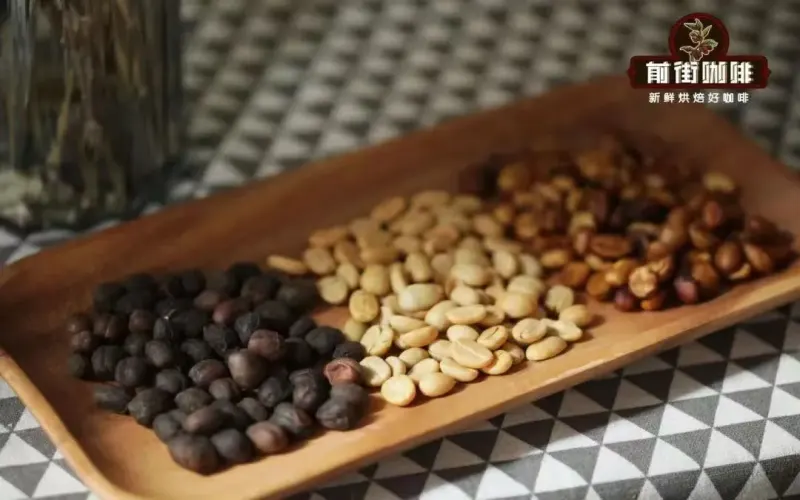
Sun-Dried vs. Honey-Processed Coffee: A Full Breakdown of Processing Methods, Flavor Differences, and Sweetness Impact
Sun-dried and honey processing are two common yet distinctly characteristic methods in coffee post-processing. The sun-dried method has the longest history and relies on ample sunlight for its operation; the whole fruit participates in fermentation, and the drying period can last more than three weeks, resulting in a more intense flavor with richer layers. Honey processing, on the other hand, originated in Costa Rica; after removing the skin and pulp, varying proportions of mucilage are retained for drying, which not only shortens the time but also develops ripe fruit notes and solid acidity. This article compares the differences between the two, from processing steps and the amount of fermented substances to drying duration and the subdivisions of white, yellow, red, and black honey, and explores exactly what factors determine coffee sweetness, while also recommending representative sun-dried and honey-processed coffees from Front Street Coffee's bean list. [more…]
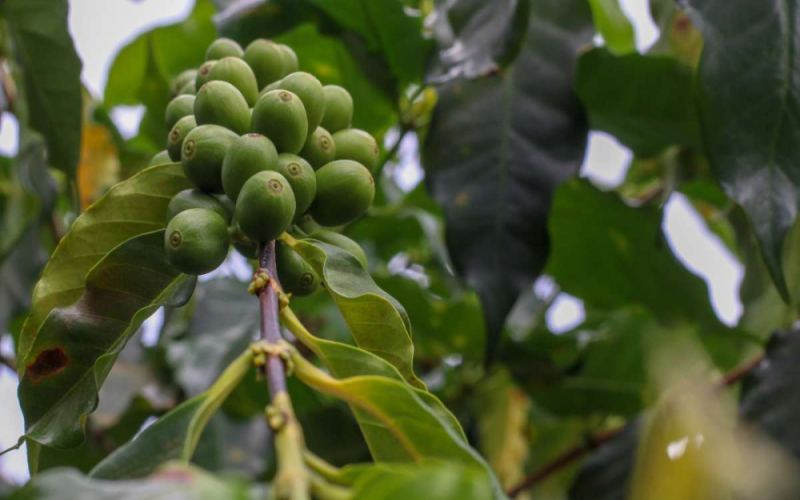
Top Ten Coffee Producing Countries Worldwide: Flavor Characteristics and Taste Analysis of Major Arabica Origins
The coffee tree is an evergreen shrub that thrives in subtropical and tropical regions, mainly distributed across the area between the Tropic of Cancer and the Tropic of Capricorn, a zone also known as the Coffee Belt. However, not every coffee seedling within the Coffee Belt is guaranteed to grow well—other environmental conditions must also be taken into account. Although the coffee tree is a tropical plant, it cannot tolerate extreme heat and humidity, nor can it withstand all-day sunlight. As a result, most coffee is grown on well-drained hillsides, where temperatures are moderate and sunlight hours are shorter than on flat land. It is precisely these conditions that explain why Africa, despite having most of its territory within the Coffee Belt, is not the highest producer. Currently, Asia accounts for 32% of global production, Africa 12%, Central America 13%, and South America 43%. Next, Front Street Coffee will introduce the top ten coffee-producing countries by output and the characteristics of their coffee beans one by one. [more…]
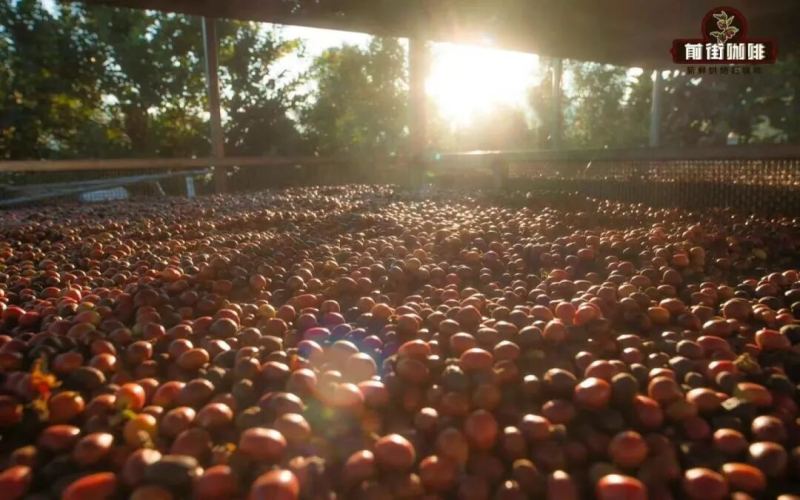
Coffee Processing Methods | What is the difference between semi-washed, natural, washed, and honey processing? What flavor and mouthfeel characteristics do different processing methods give coffee?
The natural process, as the name suggests, is to spread the harvested coffee cherries flat on the ground (on dedicated drying nets or patios) and use direct sunlight (for about 2-3 weeks) to remove moisture from the coffee fruit until the moisture content reaches the target level, after which machines are used to remove the dried husk to obtain the green coffee beans we want. Natural process [more…]
Comparing Washed and Natural Coffee Processing Methods: Flavor Characteristics of Washed Beans, Common Brewing Methods, and Front Street Coffee Examples
Washed and natural are two completely different paths in coffee post-processing. The former centers on fermenting and washing after removing the pulp, while the latter dries the beans with the pulp still intact. The washed method breaks down pectin through soaking and fermentation during processing, ultimately presenting a clean, bright acidity with citrus-lemon notes; the natural method relies on continuous sunlight and yields a richer, fuller-bodied flavor. Each method has its own processing advantages and limitations, and each directly shapes the direction of the flavor in the cup. A 2001 study confirmed the cause of the higher acidity in washed beans from the perspective of pH and organic acid changes. Front Street Coffee offers both the balanced, full-bodied "Front Street Jamaica Blue Mountain" and the bright, elevated-acidity "Front Street Kenya" and "Front Street Washed Yirga," with brewing parameters varying from bean to bean. [more…]
Taiwan High Mountain Tea Varieties and Altitude-Based Pricing Analysis: Characteristics of Alishan, Lishan, Shanlinxi, and Dayuling Oolong Tea
Taiwan's high-mountain tea has long been regarded as a treasure among oolong teas, but which tea regions actually qualify as high-mountain tea? Why does the price rise with elevation? Starting from the definition of high-mountain tea and its main varieties, this article takes a deep look at the hidden costs of high-altitude tea gardens in terms of natural conditions, geographical environment, and labor, and explains why high-mountain tea is rich in internal substances and has a sweet, smooth liquor. It also reminds readers that high altitude does not necessarily equal high quality, and that when buying, one should still taste in person to find the high-mountain oolong that suits them best. [more…]
From Botanical Characteristics to Harvesting and Processing: Essential Knowledge and Coffee Bean Understanding for Coffee Beginners
For those who are new to coffee, understanding its essence, botanical characteristics, growing conditions, and harvesting process is the first step toward building systematic knowledge. This article will unfold around the basic concepts of coffee, sorting through key points one by one—from the morphology of the coffee tree, variety classification, and suitable growing environment, to the harvest periods and green bean processing methods of major global producing regions. The article also covers related product information recommended by Front Street Coffee, as well as the specific practices of Macado specialty beans in quality control. Whether you are a coffee enthusiast or a barista just starting out, this content can help you more clearly understand the full story behind a cup of coffee. [more…]
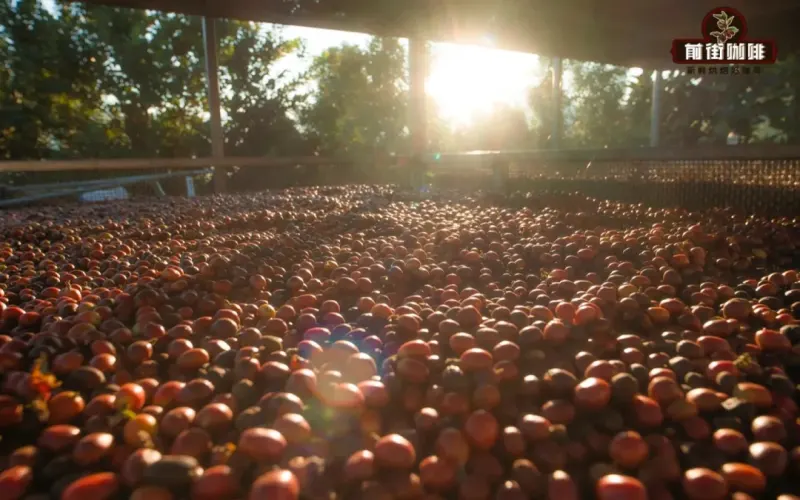
A Complete Guide to Coffee Processing Methods: Differences Between Natural, Washed, and Pulped Natural
The flavor of coffee depends not only on origin and roasting—the processing method also plays a key role. As the oldest processing technique, the natural process uses sunlight and air to dry the fruit. The washed process, invented by the Dutch in the 18th century, removes the mucilage by soaking in water, resulting in a clean, bright cup. So what exactly are semi-natural, semi-washed, pulped natural, and pulped natural, which fall somewhere in between? They actually all refer to the same processing method, created by Brazil to suit local conditions, balancing cleanliness and water conservation. This article will systematically sort out the origins, procedures, and differences of these processing methods, analyze the subtle distinctions between honey processing and pulped natural, and finally share the brewing and flavor notes of Front Street Coffee's Brazil Cerrado semi-natural. [more…]
How Does the Semi-Washed Method Differ from the Natural, Washed, and Honey Methods? An Analysis of the Flavor and Mouthfeel Characteristics of Semi-Washed Coffee
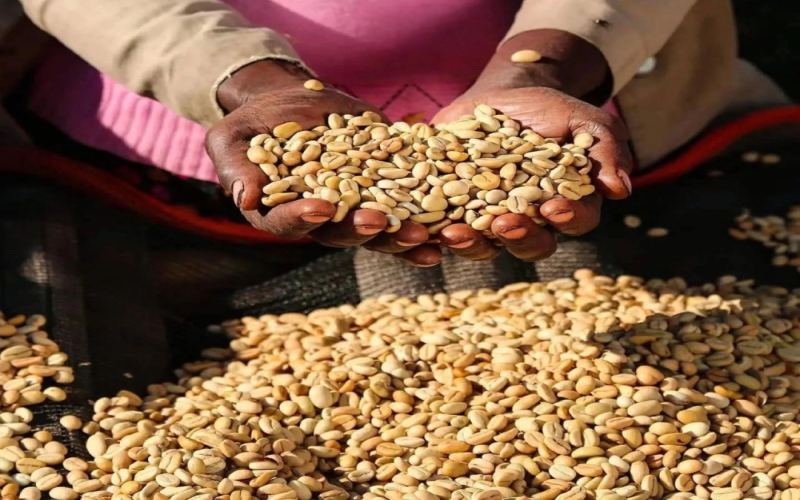
The processing method of green coffee beans directly determines the final flavor expression in the cup. Natural, washed, honey, and semi-dry processes each have their own unique craft logic and flavor direction. This article systematically sorts out the core differences among the three major categories of processing methods, provides an in-depth analysis of the origins, key operational points, and flavor characteristics of the semi-dry method (including pulped natural and honey processing), and, combined with Front Street Coffee's cupping experience, helps coffee enthusiasts understand the impact of different processing methods on coffee taste, offering a reference for daily bean selection and tasting. [more…]
A Complete Guide to the Three Major Coffee Bean Processing Methods: Production Processes and Flavor Differences of Natural, Washed, and Honey Processing
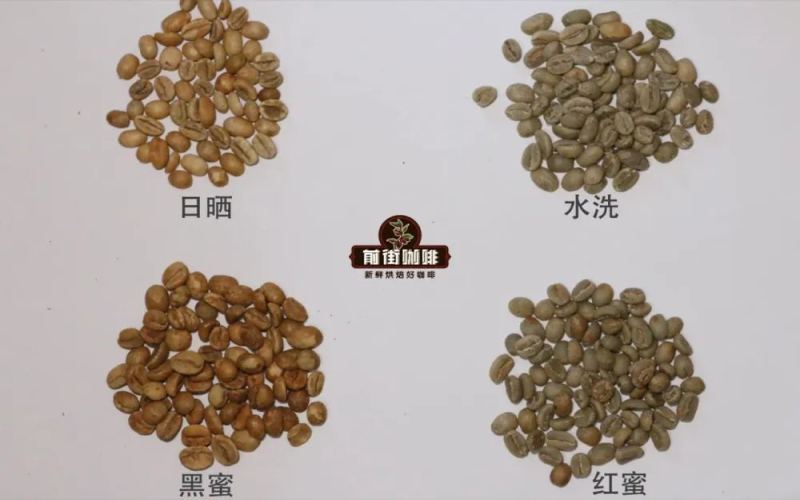
The flavor profile of a cup of coffee is determined not only by variety and roasting, but also decisively by how the green beans are processed. The coffee industry currently groups processing methods into three major categories: natural processing (dry method), washed processing (wet method), and honey processing (semi-dry method). The natural method lets whole coffee cherries dehydrate and dry directly in the sun, giving the beans rich, complex fruity aromas and fermented sweetness; the washed method removes the skin and pulp and involves tank fermentation, producing a clean, bright profile with pronounced acidity; honey processing falls between the two, deliberately retaining some mucilage during drying, creating a distinctive fermented aroma and sweetness. Front Street Coffee will walk through the specific steps, key control points, and flavor outcomes of these three processing methods one by one, helping coffee lovers build a clear framework for understanding processing methods and find the cup that best suits their taste. [more…]
Analysis of the Global Coffee Golden Belt: A Discussion of Suitable Coffee-Growing Regions and the Conditions of Yunnan's Producing Areas
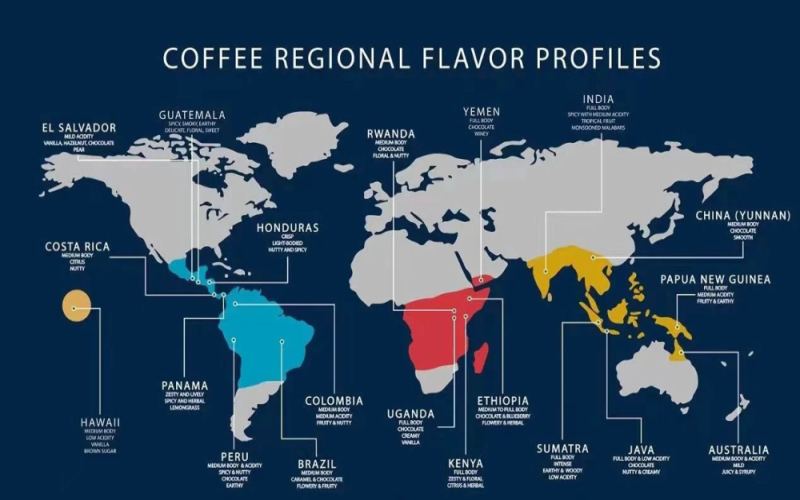
Coffee trees are quite particular about their growing environment, and not just any piece of land can successfully cultivate them. Within the zone between 25° south latitude and 25° north latitude on Earth, where temperatures are moderate, there is no threat of frost, and annual rainfall is sufficient, lies what is recognized as the coffee "Golden Belt." Currently, 79 countries and regions around the world are engaged in coffee cultivation and production, and Yunnan, China, is among them. Due to differences in terroir such as latitude, altitude, soil, sunlight, temperature, and humidity, each region nurtures distinctly different coffee flavors. The taste and mouthfeel of coffee beans are about 70% determined by varietal genetics, while the remaining 30% comes from the ecological conditions of where they are grown. The following article will sort out in detail the distribution logic of the Golden Belt and answer whether Yunnan is a region suitable for coffee cultivation. [more…]

A Comprehensive Analysis of the Terroir Conditions and Cupping Flavors of the Guatemalan Antigua Coffee Region
The Antigua Valley is one of Guatemala's most iconic coffee-producing regions, surrounded by three volcanoes—Agua, Acatenango, and Fuego—which create a unique enclosed valley microclimate. Rainfall here is scarce, but the soil's abundant pumice content keeps humidity stable at around 65% year-round, compensating for the lack of rain. Most coffee trees are planted in the heart of the valley at elevations above 1,500 meters, with some farmers pushing cultivation as high as 1,700 meters. Fertile volcanic ash, ample sunlight, and cool nights together shape the refined, balanced style of Antigua coffee. This article will provide a detailed interpretation of the terroir code of this region, along with specific cupping data and flavor descriptions, to give you a comprehensive understanding of the unique charm of Antigua coffee. [more…]
Costa Rica Canet Estate Bach Yellow Catuai Black Honey Process: Unique Fine Craftsmanship and Flavor Analysis
Canet Estate in the Tarrazú region of Costa Rica gives the Yellow Catuai variety a whole new flavor dimension with its original, meticulously refined black honey process. On a small plot of land dominated by passion fruit cultivation, the estate owner tends the coffee with great care, picking only ripe red cherries. The black honey process requires the right timing and conditions, retaining 100% of the mucilage and drying it under ample sunlight, creating a full, rich mouthfeel and excellent sweetness. This coffee, named Front Street Baja, displays a rich spectrum of fruit acidity ranging from berries to citrus, with dry and wet aromas that shift through multiple layers; when sipped, it is smooth and clean, with an acidity reminiscent of green kiwifruit. This article will take an in-depth look at its origin background, processing method, and complete flavor profile. [more…]
The Variety Origins and Cultivation History of Yunnan Geisha Coffee, and Why Its Flavor Falls Short of Panama's
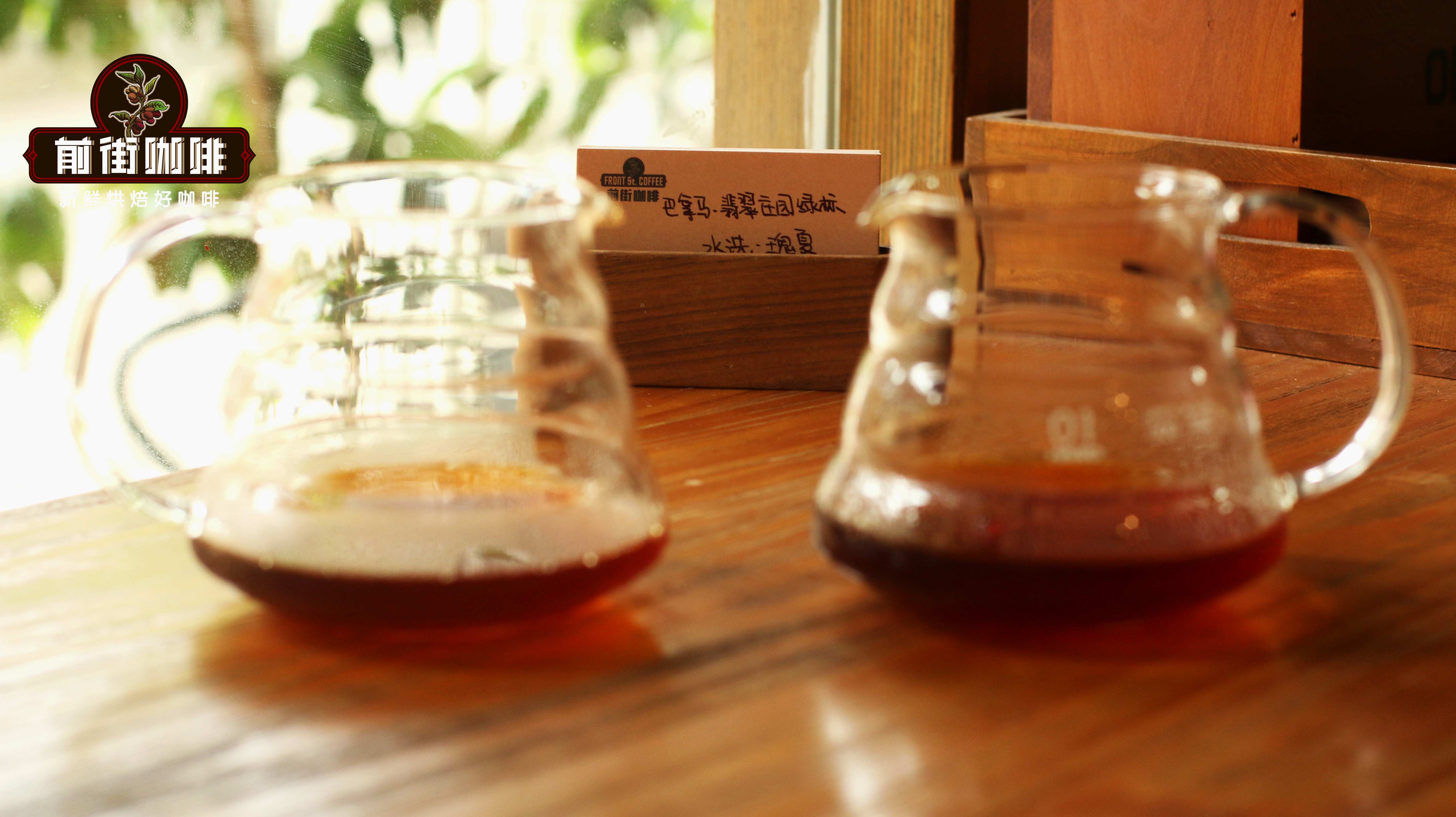
Geisha coffee is renowned worldwide for its elegant floral aroma and complex fruit notes, and in recent years Yunnan has also begun to introduce this variety. Yunnan Geisha can be traced back to 2012 at the earliest, with the seed source believed to come from the green-tipped Geisha of Hacienda Elida in Panama. It was not until around 2016 that it successfully bore fruit and was gradually propagated. Because the altitude, climate, and shade conditions differ from those of Central America, Yunnan Geisha exhibits plum acidity, berry sweetness, and a finish of nuts and brown sugar, with a flavor profile that is balanced but not as refined as Panama Geisha. Front Street Coffee also confirmed this characteristic in its cupping sessions. This article will sort out the introduction history and variety characteristics of Yunnan Geisha, and analyze the terroir reasons behind its flavor differences. [more…]