







What does Peru coffee beans taste like across its regions?
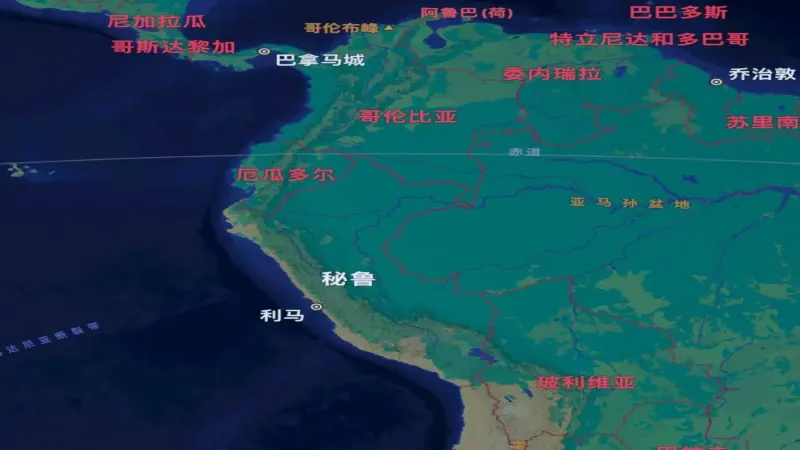
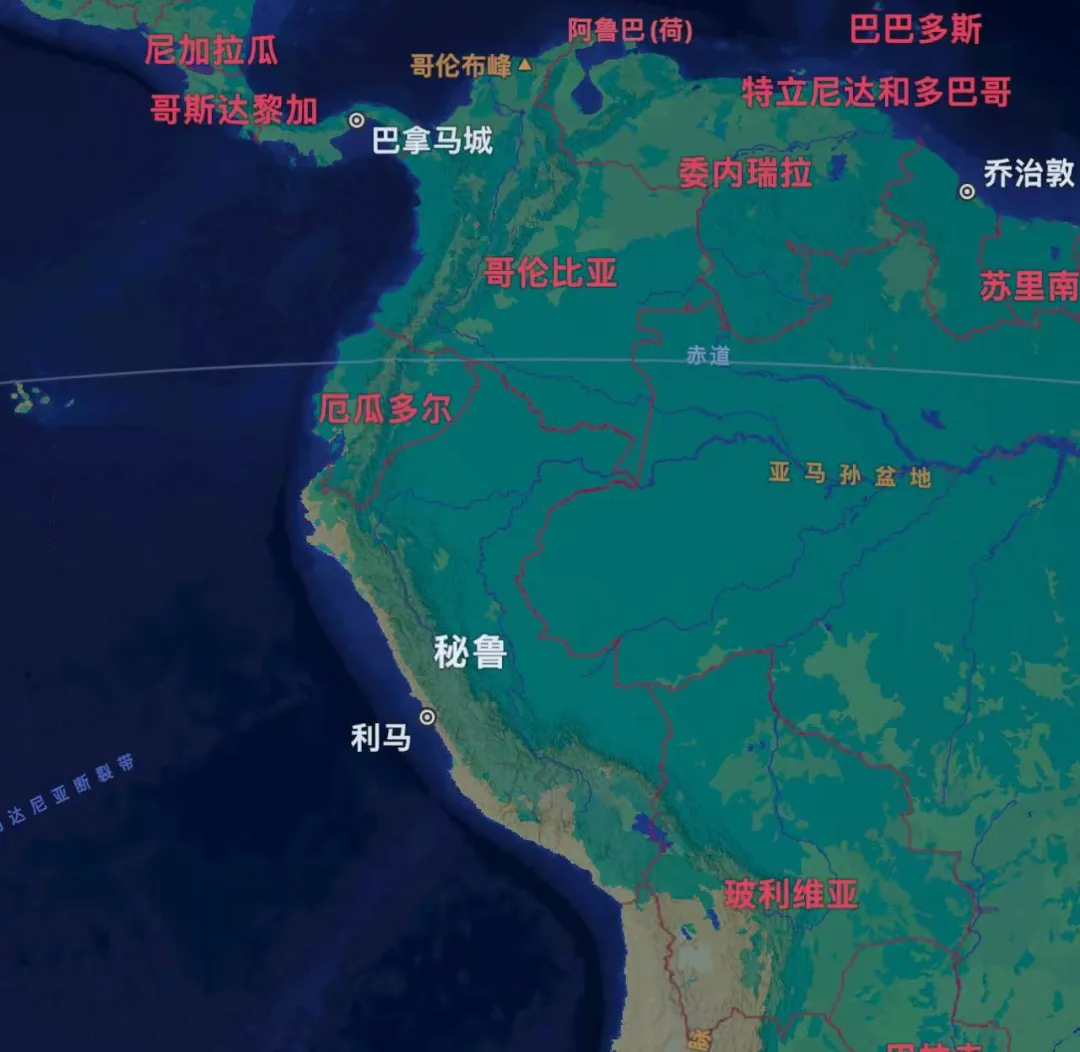
Peru sits in western South America between Ecuador, Colombia, Brazil, Bolivia and Chile, with the Pacific to the west and the Andes running north to south. Mountains cover about a third of its 1.285 million square kilometers, and that terrain, soil and water give the country the conditions to produce fine-quality coffee beans.
The country divides into northern, central and southern coffee-producing regions, each with its own cultivation overview and flavor performance. Viewed against better-known South American origins such as Colombia, Ecuador and Brazil, Peru stays lower profile, yet its highland terroir supports specialty coffee with distinct regional character.
In South America, the unique soil and growing environment have given rise to many coffee-producing countries. Colombia, Ecuador, Brazil and others are well known, while Peru, though low-key, also produces high-quality coffee beans thanks to its excellent mountains, rivers, and soil conditions. This article will guide you through Peru's geographical and climatic characteristics, and analyze one by one the cultivation overview and flavor performance of its three major coffee-producing regions—north, center, and south—so you can experience this South American country's unique charm in the coffee world.
On this land of South America, the soil and natural conditions suitable for coffee cultivation are quite superior, thus giving birth to many important coffee-producing countries, including Colombia, Ecuador, Brazil, and Peru. By comparison, Peru appears more low-key, but with its own excellent mountains, rivers, and water and soil resources, it can likewise produce coffee beans of fine quality.
Peru Peru
Peru's official name is the Republic of Peru (Peru), located in western South America. To its north lie Ecuador and Colombia, to its east are Brazil and Bolivia, to its south is Chile, and to its west is the Pacific Ocean. Its total land area is 1.285 million square kilometers, and administratively it is divided into 24 regions and 1 directly administered area.
The flag of Peru is rectangular and consists of three parallel vertical rectangles of equal width. The middle column is white, representing freedom, democracy, peace, and happiness; the two sides are red, symbolizing the victory the people won in the war of independence and also conveying remembrance of the martyrs.
In the center of the flag, within the white rectangle, is embedded the national coat of arms. At the center of the coat of arms is a shield; in the upper left corner of the shield is depicted the country's national animal—the vicuña—representing the nation's animal resources; in the upper right corner is a cinchona tree, symbolizing plant resources; the lower half shows a cornucopia, representing the country's natural resources and mineral wealth.
The Andes Mountains run through the entire territory of Peru from north to south, and mountainous areas account for about one-third of the country's land. From west to east, the country can be divided into three regions: the western coastal strip is an arid plain belonging to a tropical desert zone, but irrigated agriculture is relatively developed; the central mountainous plateau is dominated by the middle section of the Andes, with many volcanoes distributed in its south-central part and an average elevation of about 4,300 meters, and this is also the source of the Amazon River; the east is the Amazon tropical rainforest region.
Peru is located in the tropical zone, yet complex geographical conditions create diverse climate types, with 28 different climates across the country. By region, the western coast has a desert steppe climate, with mild temperatures and scarce rainfall.
The central Andean region lies on a plateau and has a tropical mountain climate, with more rain in summer, and temperature and humidity gradually decreasing as altitude rises. The eastern Amazon region has a tropical rainforest climate, with high temperatures and frequent rainfall. Coffee cultivation is mainly concentrated in areas around the Andes Mountains; high altitude, volcanic soil, and variable climatic conditions make Peru an ideal place for coffee cultivation.
Coffee-producing regions
Peru's coffee-producing regions are mainly divided into three parts: north, center, and south. In terms of varieties, 70% are Typica, 20% are Caturra, and the rest are other varieties such as Catimor, with cultivation elevations ranging from 1,000 to 1,800 meters.
Northern region: The northern coffee cultivation area accounts for 43% of Peru's total, covering Amazonas, Cajamarca, Piura, and San Martin, with elevations ranging from 1,250 to 1,950 meters. Coffee beans produced in this area have relatively high acidity, rich flavor, and moderate body.
Central region: The central coffee cultivation area accounts for 34% of Peru's total, including Huánuco, Junin, Pasco, and Ucayali, with cultivation elevations of 800 to 1,200 meters. Coffee beans from the central region have moderate acidity, a mild taste, and a smooth texture.
Southern region: The southern coffee cultivation area accounts for 23% of Peru's total, covering Apurimac, Ayacucho, Cusco, Madre de Dios, and Puno, with cultivation elevations of 900 to 2,050 meters. Coffee produced in the southern region has an outstanding body, distinctive flavor, and a sweet aftertaste.
The above content is compiled by CoffeeHunters, a coffee news website.


