







Search Results for: slow drainage
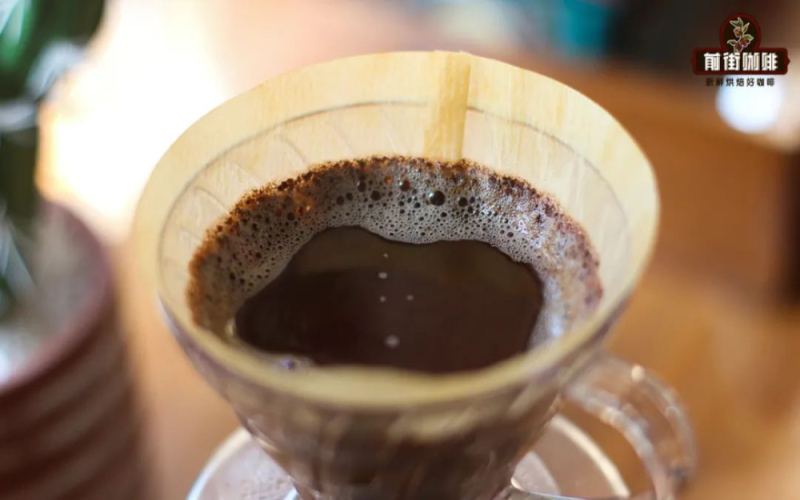
Why does pour-over coffee develop pooling that resembles channeling? Analyzing the main causes of slow drainage
Many coffee enthusiasts teach themselves pour-over brewing by watching tutorial videos, but when they actually try it, they often find that the dripper drains far more slowly than in the videos, and water pooling in the coffee bed drags out the total brew time. What exactly causes this pooling phenomenon, which resembles channeling? Front Street Coffee believes the problem mainly comes from three areas: a mismatch between the chosen video and one's own coffee beans, the influence of grind size and ultra-fine particles, and differences in pouring technique. This article will analyze everything from roast level, bean freshness, and grinder quality to pouring method, to help everyone find the root cause of slow drainage and offer practical adjustment ideas, making the pour-over process more controllable. [more…]
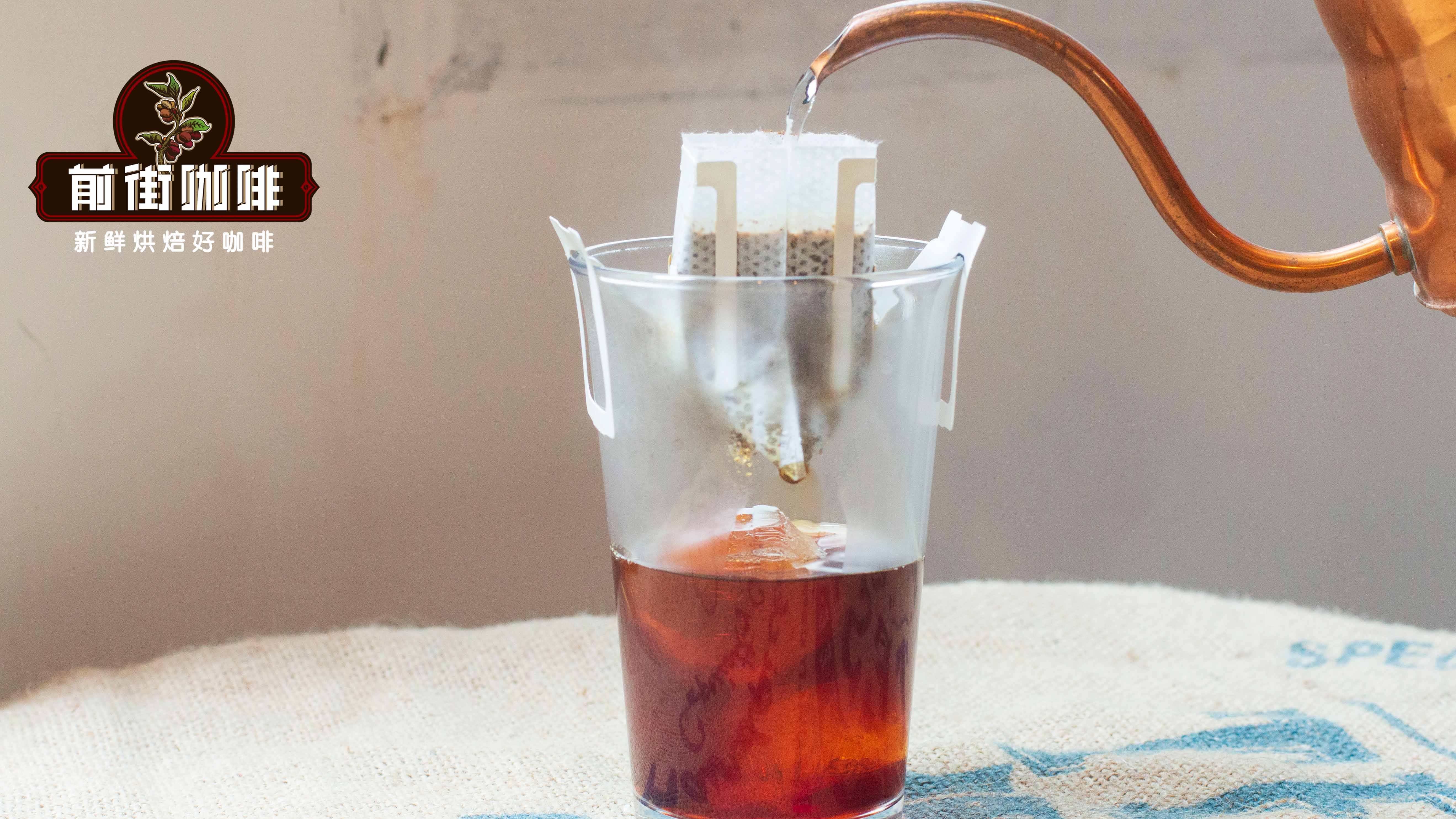
Analysis of the Causes of Slow Draining or Clogging in Drip Bag Coffee and a Detailed Guide to Smooth Brewing Techniques
Drip bags have become a daily choice for many coffee lovers thanks to their convenience, but encountering slow drainage or even complete clogging during brewing is frustrating. Even when you follow the steps, the hot water lingers in the filter bag for a long time, and the coffee grounds soak at the bottom, which both affects the taste and causes waste. This article will systematically analyze the causes of drip bag clogging from four dimensions—filter material, pouring technique, grind size, and shaking habits—and, combined with Front Street Coffee's hands-on testing experience, provide targeted solutions and brewing suggestions to help you consistently brew a clean and delicious cup at home. [more…]

How to Use a Flat-Bottom Dripper with Adjustable Flow Rate? Hero Variable-Speed Cake Dripper Hands-On Review and Three Brewing Recipes
What kind of brewing experience does a flat-bottom dripper with manually switchable extraction modes actually deliver? Front Street recently got its hands on Hero's variable-speed cake dripper, which uses a knob mechanism to offer three flow-rate settings—immersion, slow, and uniform—while its flat-bottom design makes it quite beginner-friendly. Front Street has brewed beans such as washed Butterfly Flower, Mozart, and Juliette Geisha with it, and also tried extending the variable-speed function to iced pour-over scenarios, comparing it with the V60. This article provides a complete record of three sets of brewing parameters, flavor performance, and detailed issues found during use, for coffee enthusiasts' reference. [more…]
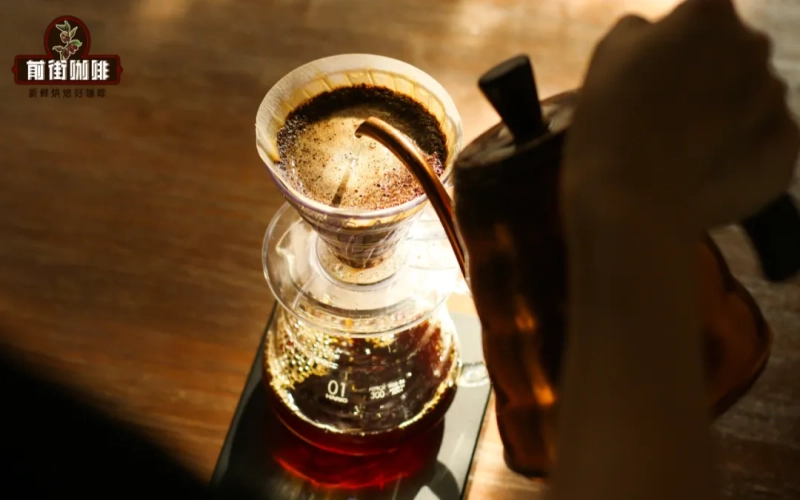
Pour-over coffee bed shape and brewing assessment: What do the bloom dome, bed height, foam color, and drawdown speed reveal?
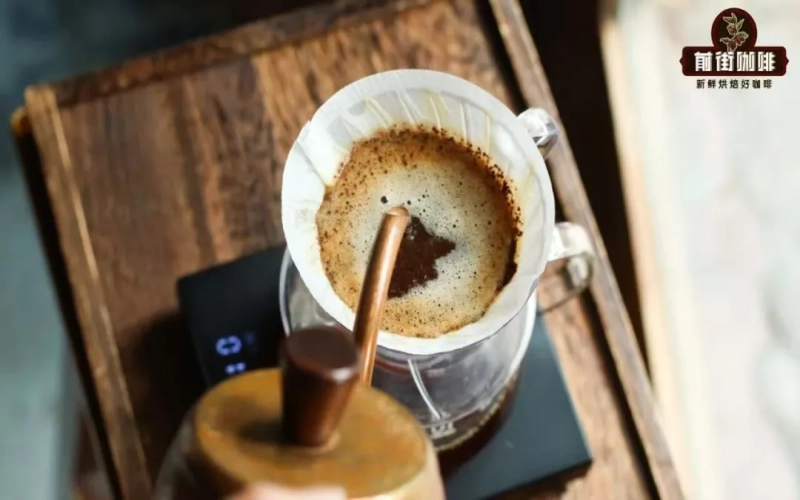
When brewing pour-over coffee, the filter cup actually holds quite a few clues. The size of the dome that the coffee bed puffs up into during the blooming stage, and how well it retains water, can reflect the freshness of the coffee beans and the depth of the roast; whether the coffee bed can be lifted indicates the density of the coffee grounds; the color change of the foam on the surface can help us track the pouring path; and the speed of the drawdown is related to the coarseness of the grind, the density of the coffee bed, and fine particle clogging. As for the deep coffee bed pit that many beginners obsess over, it does not directly equate to a better-tasting cup; it is more just a reflection of the pouring method. In this article, Front Street will break down these readable pieces of information one by one during the brewing process, to help you have a few more bases for judgment when adjusting parameters. [more…]
Cause Analysis of Slow Flow in High-Density Light-Roast Pour-Over Coffee and a Practical Small-Flow Brewing Approach
Many coffee enthusiasts often encounter problems such as slow drainage, weak flavor, or bitterness when brewing high-density light-roast beans. These beans, due to their tight structure, high altitude, or light roast, easily settle and clog in the filter basket, leading to over-extraction or uneven extraction. Starting from Front Street's practical experience, this article analyzes the underlying reasons why high-density beans are difficult to brew and offers two approaches: first, multi-pour brewing, suitable for those not yet skilled at water control; second, a three-pour method with a slow, small stream throughout, better suited to players with some water-control foundation. Using Ethiopia's Geisha Village Red Label as an example, the article details the dose, grind, water temperature, and pouring rhythm to help you brew a great coffee with citrus and berry sweetness and acidity, rose aromatics, and an oolong finish. [more…]
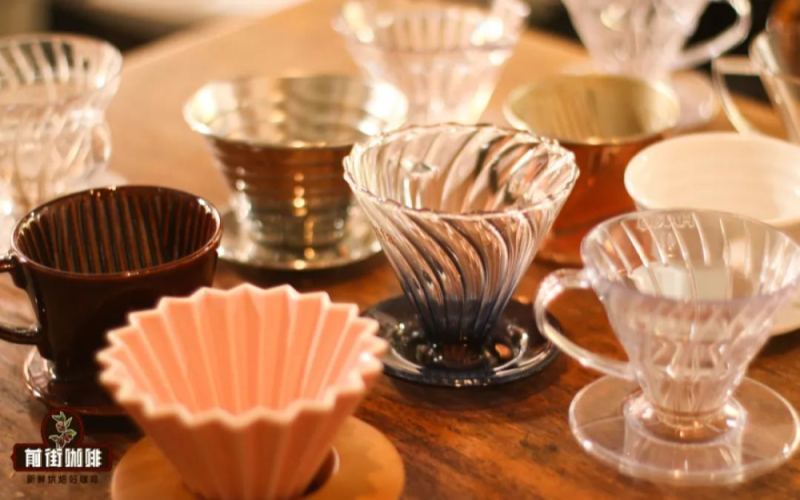
How Do Flow-Guiding Ribs and Holes Affect Pour-Over Extraction? A Full Analysis of Dripper Structural Differences
Pour-over drippers on the market come in all shapes and sizes, from conical to fan-shaped, from single-hole to multi-hole, and behind every design lies a different extraction logic. The key to a cup of coffee's flavor direction is often hidden in the distribution of the dripper's ribs and the drainage holes. How do the flow channels alter the water path? Why do spiral ribs make extraction more even? How do the number and size of the holes affect the drainage speed? From Front Street's perspective, this article breaks down the core structure of the dripper one by one, helping you see the essence amid a dazzling array of products and choose the one that truly suits you. [more…]
Four Methods for Adjusting Pour-Over Coffee Flow Rate: Pulse Pouring, Water Flow Control, Changing Filters and Drippers, and a Front Street Brewing Example
In the extraction process of pour-over coffee, grind size is often regarded as the primary means of adjusting flow rate, but in reality there are several other operational methods that can change the speed at which coffee liquid drips through. Front Street Coffee will share four practical methods: staged pouring, controlling water flow rate, changing the filter paper, and changing the dripper, and will explain in detail how the designs of different drippers affect flow rate. The article also combines Front Street Granja Geisha and PWN Golden Mandheling beans to provide specific brewing parameters for the V60 and Kono drippers, helping coffee enthusiasts flexibly adjust extraction time while keeping other variables fixed, so as to achieve the ideal flavor. [more…]
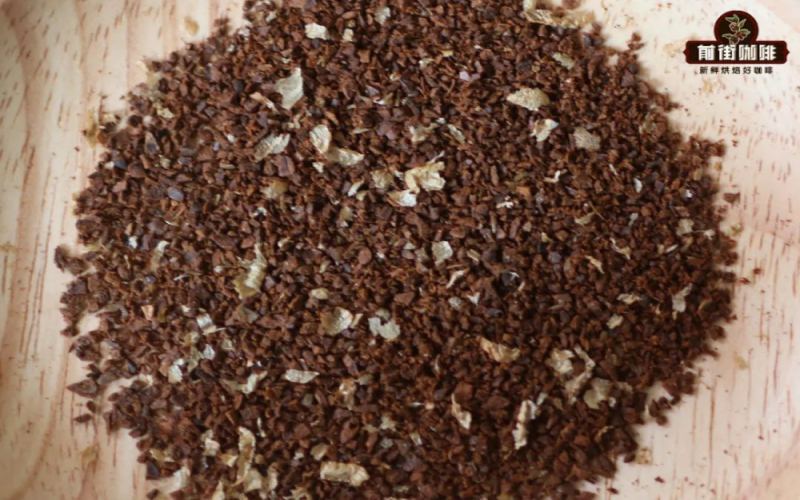
Should Fine Particles Be Sifted Out of Pour-Over Coffee? An Analysis of How Grind Uniformity Actually Affects Extraction
When encountering slow drainage and muddy flavors during pour-over coffee brewing, many people's first reaction is to blame the fines, so they buy a sieve to try to solve it. But after sifting out the fines, the clogging does improve, yet the taste becomes flat and dull—why exactly is that? What role do fines actually play in extraction? Starting from a real confusion shared by a friend with Front Street Coffee, this article discusses the dual nature of fines, the actual effect of sieves, and the reasonable direction for choosing pour-over grind size, helping you clarify the balance between grind and flavor. [more…]
Analysis of the Causes of Slow Drawdown in the Final Phase of Pour-Over Brewing and Practical Solutions
The total brew time of a pour-over is shaped by multiple factors at once—grind size, how the particles take on water, the pouring technique, and the design of the dripper—making it very hard to control precisely. Many people new to pour-over habitually use time as the standard for judging whether the flow rate is normal. Once the flow at the tail end of the brew refuses to come down, the extraction time gets dragged out and the coffee easily picks up bitter, off-flavors. This article focuses on the common frustration of standing water at the tail end of a pour-over, analyzing the causes one by one—from the quality of the coffee grind, the roast level of the beans, the pouring technique, and puck management—and offers the corresponding solutions summarized by Front Street to help you find the real reason behind the slow drainage and adjust accordingly. [more…]
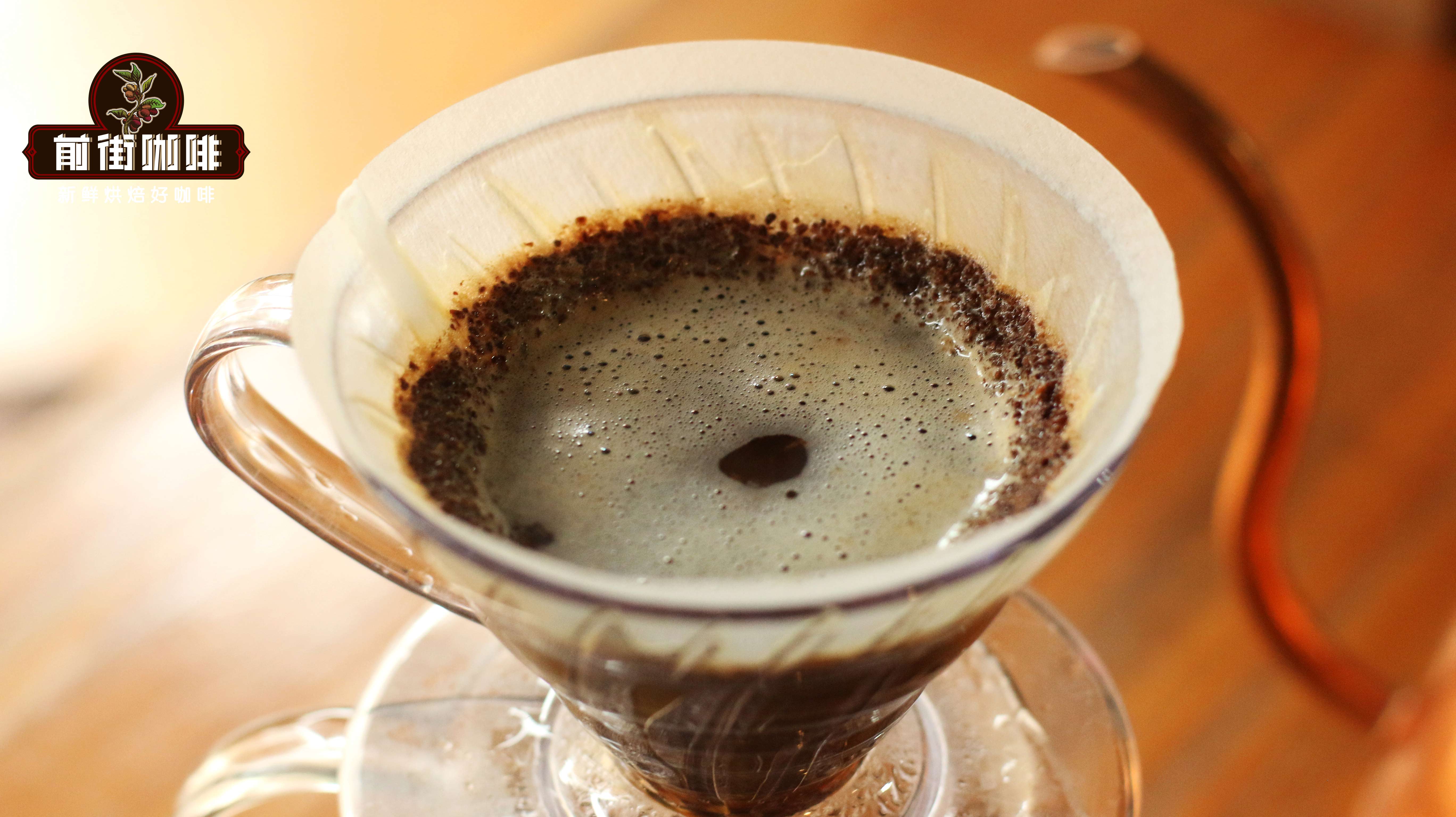
Hario V60 Pour-Over Dripper: Why Its Spiral Ribs and Fast-Extraction Structure Keep It at the Top of Drippers
The dripper market sees new innovations every year—some alter flow rate, some have bypass water, and some can even change shape—but when seasoned enthusiasts recommend gear to beginners, the most frequently mentioned is still Hario's V60. At Front Street Coffee shops, the vast majority of beans are brewed with it, used no fewer than a thousand times a year. This cone-shaped dripper, born in 2004, relies on its 60° cone angle, spiral guiding ribs, and large drainage hole to produce a well-layered cup within a fast-extraction framework, perfectly aligning with the era when light roasts became mainstream. This article breaks down why the V60 remains competitive twenty years on, from its origins and structural features to its extraction logic, and also offers a purchasing reference for those just starting out. [more…]
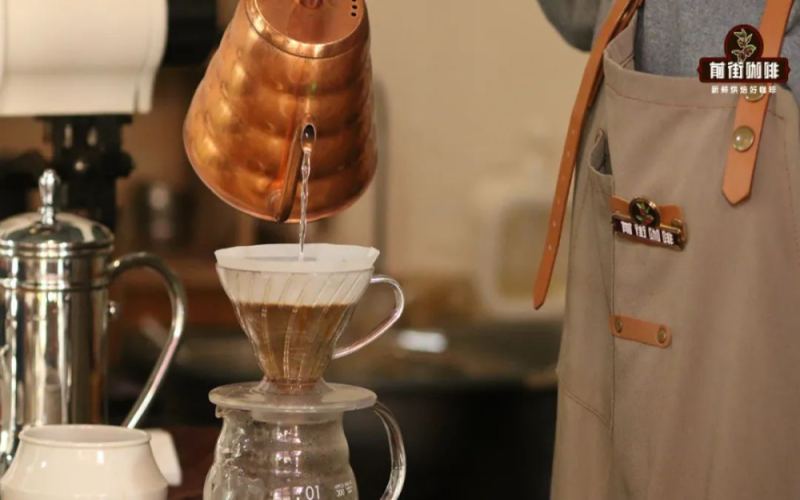
How Does Pour-Over Flow Rate Influence Flavor? Timing and Application of High vs. Low Flow Rates
What flavor differences do variations in pouring speed actually create during pour-over coffee brewing? Many enthusiasts hold misconceptions about flow rate—for example, believing that a slow pour is necessarily gentle and a fast pour is inevitably aggressive—when in fact the degree of turbulence is the real key to judging gentleness versus boldness. Moreover, because kettle spout diameters and water control abilities differ from person to person, there is no universal standard for what counts as a fast or slow pour. In this article, Front Street Coffee will guide you past these two misconceptions, teach you how to measure your own pouring rate with a digital scale, and analyze in detail how different flow rates affect extraction time, water level height, and the final taste, while also offering practical advice on when to increase the flow and when to switch to a slower pour, helping you find the pouring rhythm that suits you best. [more…]
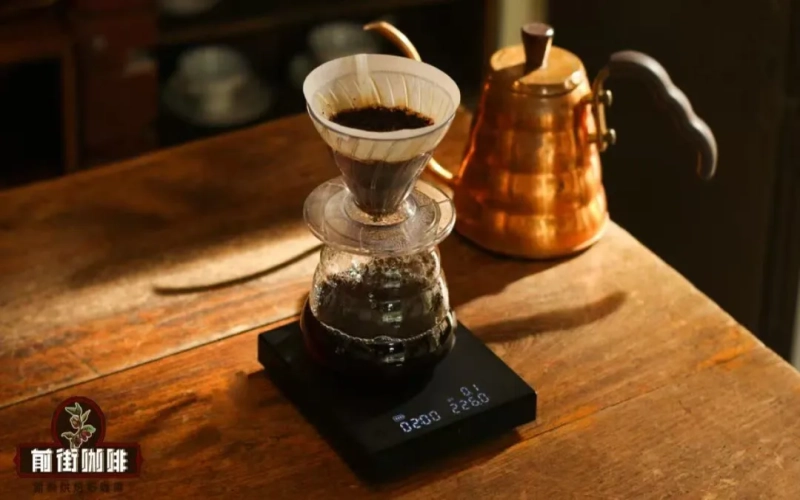
Why should pour-over coffee extraction time be recorded? Abnormal times reveal problems with grinding, technique, and equipment
Many coffee enthusiasts habitually start a timer when brewing, but some also feel that timing is optional. In fact, although time cannot be directly controlled, it can help us judge whether the grind, technique, and equipment are suitable. This article, from Front Street's perspective, discusses why timing matters in pour-over coffee, what extraction times that are too fast or too slow each mean, and how to correct brewing problems by adjusting grind size, pouring method, and dripper, so you can brew a good cup of coffee more consistently. [more…]
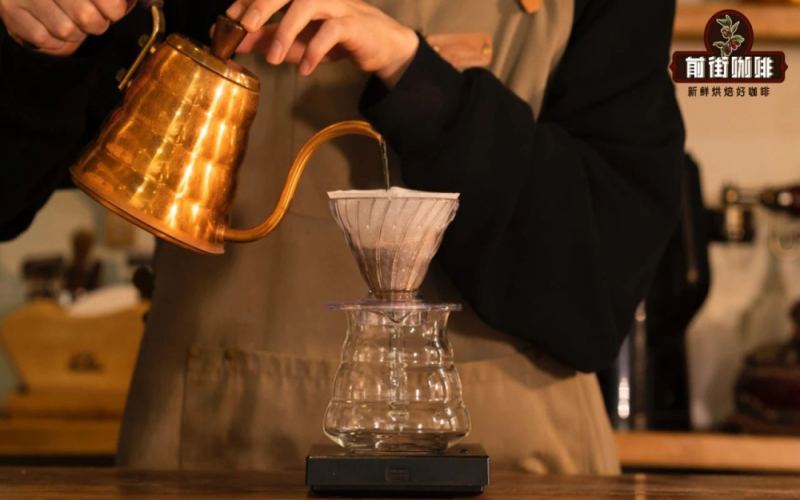
What does circular pouring actually affect in pour-over brewing? Extraction differences and practical tips from flow rate and circling speed
When brewing pour-over coffee, the size of the water stream and the speed of the circling often determine the direction of the final flavor. This article analyzes these two variables: how a small stream and a large stream respectively change the thickness of the coffee bed, the drainage speed, and the mouthfeel; and how the speed of circling affects the washing force and extraction efficiency. Using 15g of coffee, a 1:15 coffee-to-water ratio, and a water temperature of 91℃, it conducts a comparative brew of two combinations—"small stream with slow circling" and "large stream with fast circling"—recording the differences in concentration and flavor to help you understand the true role of circling in extraction and adjust your grind and technique accordingly. [more…]
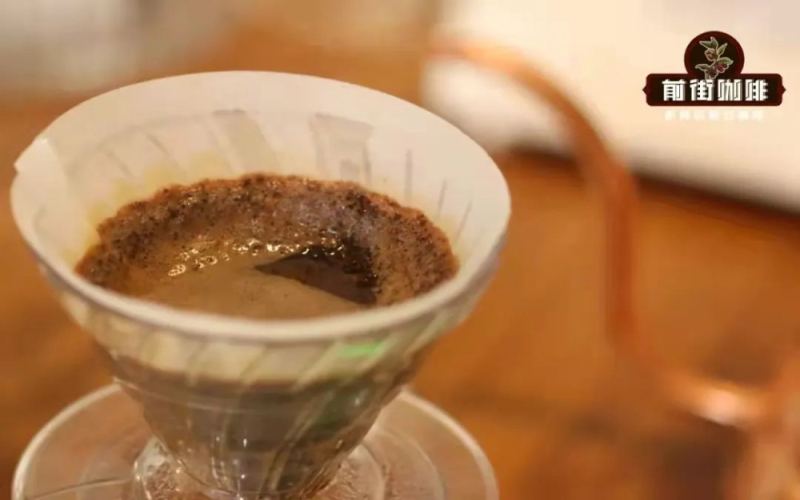
Why Does Pour-Over Panama Geisha Drain Slowly? Analyzing the Causes of Coffee Clogging and Practical Tips to Fix It
Panama Geisha is beloved by coffee enthusiasts for its exquisite floral and fruity aromas, but during pour-over brewing, the flow rate can suddenly slow down or even clog completely, catching you off guard. Drawing on Front Street's practical experience, this article systematically sorts out several common causes of Geisha pour-over clogging, including the characteristics of the coffee beans themselves, grind size selection, the compatibility of filter paper and dripper, and pouring technique, and offers specific, actionable solutions for each situation. Whether you are a beginner just getting to know Geisha or a seasoned brewer hoping to refine your craft, you will find practical methods here to restore a smooth flow and fully release the flavors. [more…]
A Complete Guide to Pour-Over Coffee: A Practical Analysis of Grind Size, Pouring Technique, Coffee-to-Water Ratio, and Water Temperature
Many coffee enthusiasts buy beans to take home after enjoying a satisfying cup at a café, only to find that their own brews always seem to fall a bit short. To address this common frustration, Front Street Coffee has identified the four most error-prone stages: grind size, pouring technique, coffee-to-water ratio, and water temperature. Starting with the shape of the coffee bed after brewing, the article teaches you to judge where the problem lies by examining particle coarseness, muddiness, and drainage speed; it then analyzes the causes of weak or overly sour flavors from the details of pouring; and finally offers practical recommendations on coffee-to-water ratio and water temperature. Whether you are a beginner or looking to refine your technique, this systematic breakdown will help you find the right direction for adjustment. [more…]
Pour-Over Coffee Dripper Buying Guide: A Full Breakdown of Bed Structure, Flow Rate, and Material, Plus Front Street Recommendations
Faced with a dazzling array of pour-over drippers, many coffee lovers often don't know where to start. In fact, the differences between drippers mainly come down to three aspects: the bed structure, the flow rate, and the material choice. The bed structure determines the evenness of extraction and the layering of flavors—cone-shaped, flat-bottomed, and wedge-shaped each have their own characteristics; the flow rate is affected by the rib design and the size of the outlet, with fast and slow rates leading to completely different flavor profiles; the material affects heat retention and price. Once you understand these differences, you can make a choice based on your personal taste preferences. Front Street Coffee will provide specific buying recommendations at the end of this article—just follow them and you can easily get started. [more…]
Pour-over coffee draining slowly or taking too long to extract—what to do? Find out the causes of water pooling and practical adjustments.
In pour-over coffee, extraction time is often the most difficult variable to control. Many coffee enthusiasts, when brewing at home, have encountered the situation where hot water is slow to drain through and the time gets dragged out. To avoid over-extraction, some people remove the dripper early, but is this really effective? Starting from the brewing framework commonly used at Front Street, this article sorts out several main reasons for slow flow and water retention, including too many fines, improper pouring technique, and the characteristics of light-roasted beans, and offers corresponding solutions to help you improve your brewing performance without changing equipment. [more…]
Anaerobic Coffee Pour-Over Tutorial | What Are the Characteristics of Anaerobic Coffee Beans? What Adjustments Are Needed When Using Anaerobic Beans for Pour-Over? How to Brew Anaerobic Coffee with a Juicy Mouthfeel?
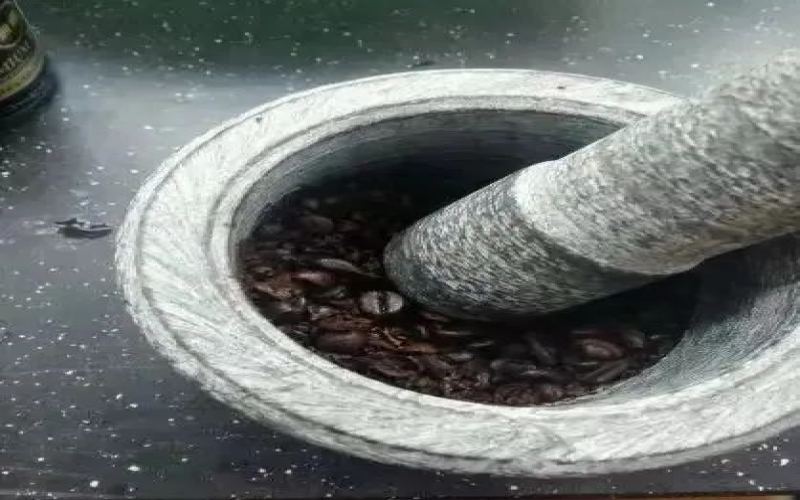
Compared to other conventional processing methods, anaerobically processed coffee beans usually have a more intense and more distinctive flavor (for the most part), because their fermentation tends to go a bit deeper. For example, the Front Street 90+ Eleta on the Front Street Coffee menu has obvious notes of longan, spice, and citrus. [more…]
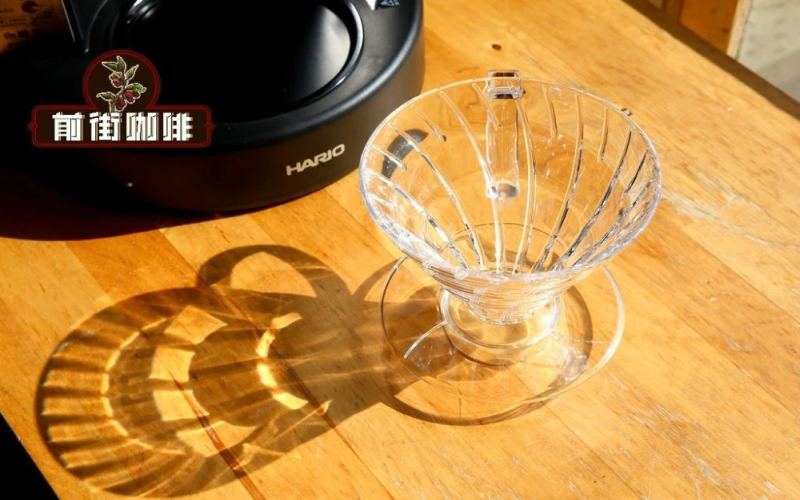
Analysis of the Hario V60 Dripper's Spiral Rib Design: The Effect of Pouring Direction on Extraction Flow Rate
Among the dazzling array of pour-over drippers, the Hario V60 stands out with its unique conical structure and spiral rib design, becoming the top choice for many coffee enthusiasts. How do its 60-degree cone angle, large-diameter outlet hole, and spiral guide grooves affect the extraction layers and taste performance of the coffee? What differences in flow rate and flavor arise when pouring clockwise versus counterclockwise? Drawing on the hands-on experience of Front Street Coffee, this article provides an in-depth analysis of the V60's design ingenuity and shares a stable and reliable three-pour brewing method to help you fully unlock the potential of this classic dripper. [more…]
Ice Eye B75 Flat-Bottom Dripper Review: How a Large-Hole Design Unlocks Coffee's High Sweetness and Cleanliness
Front Street Coffee has previously introduced the concave-designed conical Ice Pupil dripper, and today we bring its younger sibling—the Ice Pupil B75. This flat-bottom dripper, co-designed by Li Jinlong and Timemore in 2022, gets its name from the Basket and its 75° angle. It features a 5cm extra-large drainage hole and a thick-walled heat-retaining structure, bringing the coffee bed closer to a cylindrical shape, allowing for smooth and even drainage. Front Street conducted both hot and iced brewing tests using Ethiopian 74158 Santa Vini and Emerald Green Label Geisha: during hot brewing, the B75 maintained a stable flow rate throughout, completing extraction in 2 minutes and 9 seconds, with prominent notes of dried mango, strawberry, and black tea, and an extremely strong sweetness; during iced brewing, it presented a balanced juice-like quality of honey, cream, and mandarin orange. The B75 is also very friendly to beginners who are not skilled at flow control, making it a powerful tool for amplifying the strengths of sweet beans. [more…]