







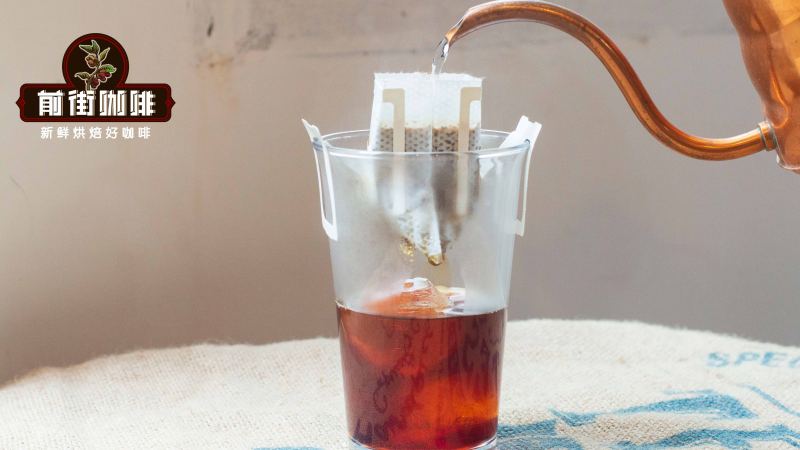
Why Does Drip Bag Coffee Clog and Drain Slowly?
Drip bag coffee clogs when hot water cannot pass through the non-woven filter fast enough, leaving grounds soaked at the bottom. In a Front Street test, 50 grams of water dripped through a KONO paper filter in about 35 seconds, but the same water took 2 minutes to clear an empty drip bag. That resistance comes from the filter material, so grind size, pouring, and shaking habits matter too.
The bag works as both dripper and filter, built from a coarse non-woven layer plus a fine one, and liquid escapes only through small side holes. Coffee boiling and fast pours push fines into those holes, which slows drainage further. Adjusting grind coarser, pouring gently in stages, and avoiding agitation keep the flow steady and the cup clean.
Drip bag coffee has become a daily choice for many coffee lovers thanks to its convenience, but encountering slow drainage or even complete clogging during brewing is frustrating. You follow the steps exactly, yet the hot water sits in the filter bag for a long time, with the coffee grounds soaking at the bottom—this affects the taste and wastes coffee. This article will systematically analyze the causes of drip bag clogging from four dimensions: filter material, pouring technique, grind size, and shaking habits. Combined with Front Street Coffee's hands-on testing experience, it provides targeted solutions and brewing suggestions to help you consistently brew a clean and delicious cup at home.
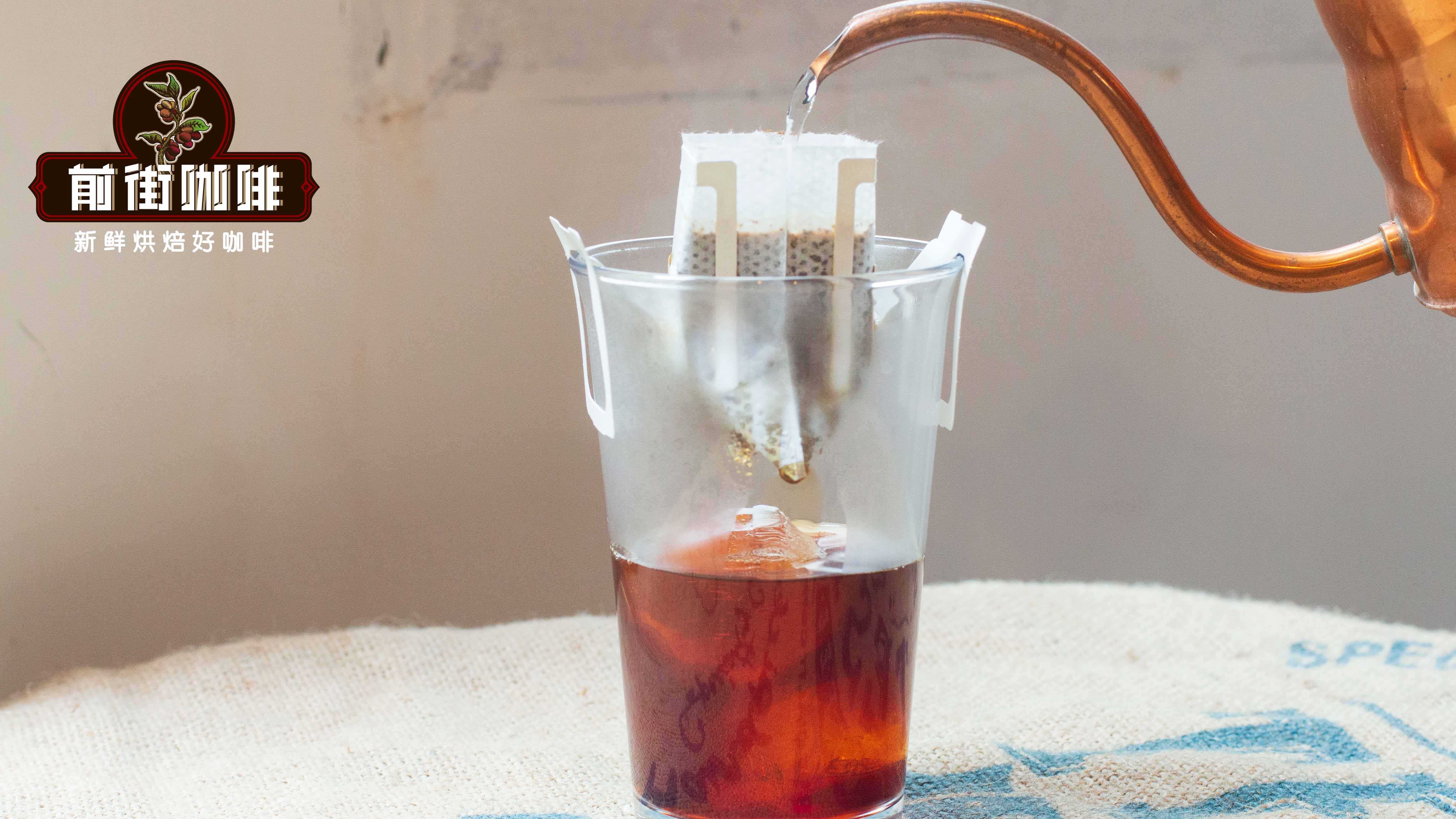
Many people have encountered this dilemma when brewing drip bag coffee: they strictly follow the process of tearing the bag, hanging it on the cup, boiling water, pouring, and waiting for dripping, but after a long time, the hot water still accumulates above the filter bag, and the coffee grounds are all soaked at the bottom. They wonder—should I stir it with a stick, or patiently wait for it to drip through drop by drop?
Why does the drip bag clog?
Like pour-over, drip bag coffee follows a filtration extraction path. The coffee beans are pre-ground into powder and sealed in a non-woven filter bag for storage, to be opened and brewed when you want to drink. The entire drip bag consists of just two things: the main character is the coffee grounds, and the supporting role is the filter bag. The filter bag plays both the role of the dripper and the filter paper, and the water flow rate directly depends on the resistance encountered when hot water passes through the filter bag. To figure out why your drip bag always clogs, you might as well look for reasons from the following aspects.
1. Filter material
The filter bags of drip bag coffee mostly use non-woven fabric, structurally similar to a metal mesh, composed of a layer of coarse mesh non-woven fabric plus a layer of fine non-woven fabric. The drainage principle of the drip bag is to let the coffee liquid seep out through the fine holes around the sides.
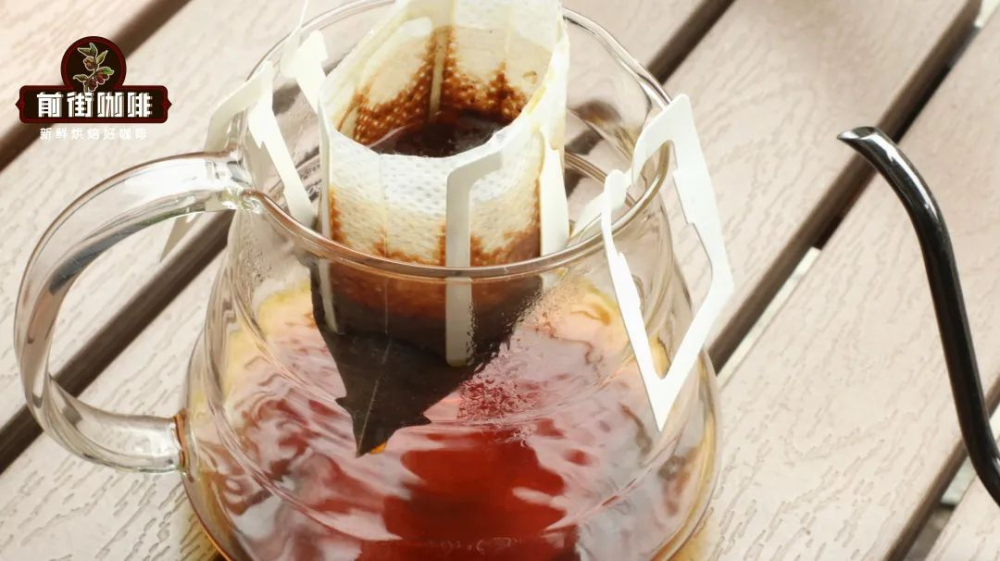
Front Street conducted a comparative test: injecting 50 grams of water into an empty drip bag filter and into a 01 dripper with KONO filter paper. The regular filter paper group dripped dry in about 35 seconds, while the water in the filter bag took 2 minutes to completely drip dry. This shows that the filter bag's filtration speed is noticeably slower, bringing a stronger immersion effect during brewing.
2. Pouring technique
During actual brewing, with coffee grounds cushioning the bottom of the bag, the higher the water level poured, the easier it is for water to flow out from the surrounding holes, and the faster the liquid seeps into the lower pot. Conversely, if the pouring water level is too low, most of the coffee-water mixture piles up at the bottom of the bag, and under gravity, most of the hot water can only drip down along the pointed corners at both ends of the bag, so the descent speed is naturally slow.
Besides the water level, the circling pouring technique can also cause flooding. Many drip bag brewing guides mention that if conditions allow, you can imitate the pour-over circling method, trying to rinse all the coffee grounds to ensure even extraction. But if the final circling water flow is not controlled well and directly hits the filter bag, washing all the grounds to the bottom, the clogging and no-drainage situation occurs, and the coffee at this point often carries an over-extracted bitterness.
3. Grind too fine
Those with some pour-over experience should know that one of the biggest factors affecting drainage speed is grind size. The coarser the particles, the less resistance the water encounters; the finer the particles, the harder it is for water to pass through smoothly. If your coffee grounds are muddy after every drip bag brew, you can basically conclude that the powder is ground too fine, causing drainage difficulty.
When Front Street produces drip bag coffee, it uses a grind size corresponding to pour-over. For light-medium roasts represented by Front Street Huakui Drip Bag, Front Street Yirgacheffe, and Front Street Geisha Drip Bag, it grinds to a fine granulated sugar consistency, which can brew delicate fruity sweetness and floral aroma while avoiding clogging;
while for Front Street Mandheling Drip Bag, Front Street Brazil Seasonal Drip Bag, and Front Street Blue Mountain No. 1 Drip Bag, it grinds to a coarse granulated sugar level, ensuring the nutty caramel flavors release slowly without over-extraction.
4. Too many shakes
When analyzing pour-over details, Front Street once mentioned that the larger and more frequent the tapping on the dripper, the easier it is for fine powder to fall through the gaps to the bottom, causing drainage clogging during brewing. The same principle applies to drip bag coffee. Some people habitually shake the package forcefully a few times before opening it. The higher the shaking frequency of the filter bag, the greater the probability of fine powder sinking to the bottom, and the more likely clogging occurs in the later stages.
How to solve the drip bag drainage problem?
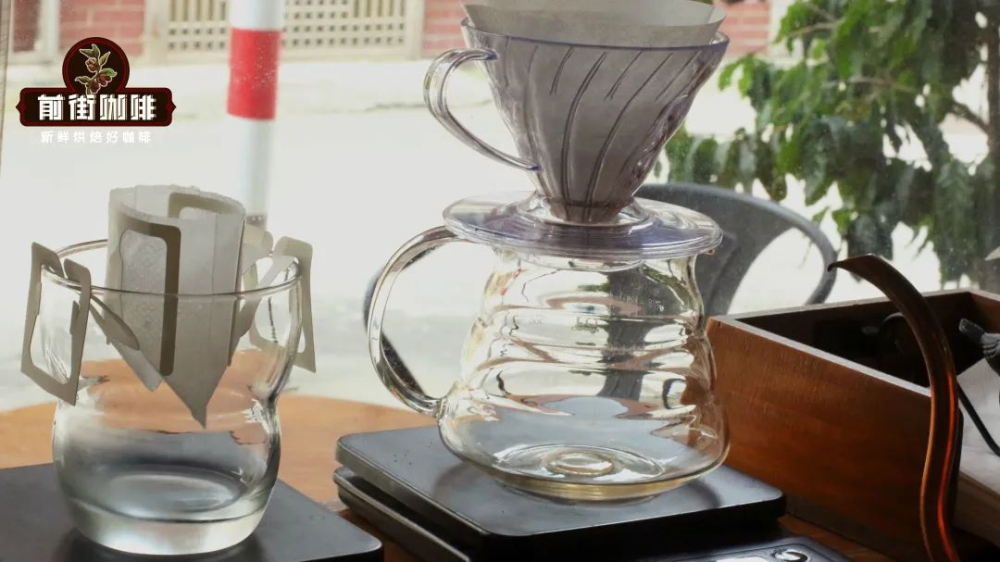
When taking out the drip bag, try not to shake the package forcefully. Simply tear open the non-woven pocket along the dotted line, pull open the two ears, gently shake the powder flat, and hang it on the edge of the cup or sharing pot.
If every drip bag you buy clogs in the later stages of brewing, and the used coffee grounds are clearly muddy with a dull taste, then it's almost certain the merchant ground too fine during production. You might as well explain the situation to them and ask them to adjust the grind coarser.
Regarding pouring technique, compared to a pour-over dripper, the drip bag leaves very little space for the coffee grounds to tumble, so extra stirring is needed to accelerate particle rolling. Front Street recommends using a large water flow throughout, pouring in multiple small circles or at the center, allowing the coffee grounds to be fully rinsed while raising the water level to nine-tenths full. Pouring this way not only allows full extraction of flavor compounds but also leaves more pores for the coffee liquid to seep out, avoiding over-extraction problems caused by soaking too long.
The above content is compiled by CoffeeHunters, a coffee news website.


