







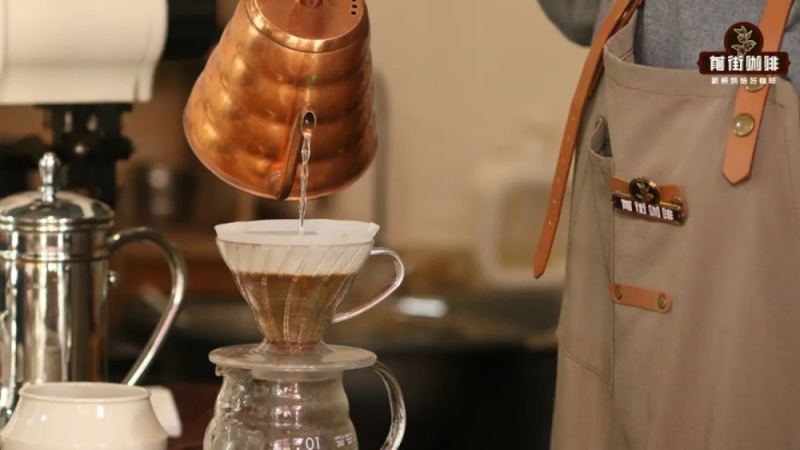
How Do We Make Coffee With the Right Pouring Speed
Pour-over flow rate does not decide flavor on its own; the agitation of the coffee bed does. A slow pour in level circles can be gentle, while a fast pour flung with wrist swings disturbs the grounds hard. Faster pours also shorten extraction time and raise the water level, shifting sweetness, acidity, and body in the cup.
Individual fast and slow values differ because spout diameter and water control vary. To measure your own rate, place a container on a digital scale, pour with your normal technique for ten seconds, then divide the total by ten. Tests with a Hario copper kettle gave 2.3 to 9 ml/s; a wider stainless steel spout changed the range.
When brewing pour-over coffee, what flavor differences do fast and slow pouring speeds actually create? Many enthusiasts have misconceptions about flow rate—for example, assuming a slow pour must be gentle and a fast pour must be aggressive—but in reality, the degree of agitation is the key to judging gentleness versus boldness. Moreover, because of differences in spout diameter and water control ability, everyone's so-called fast pour and slow pour have no unified standard. In this article, Front Street Coffee will guide you out of these two misconceptions, teach you to measure your own pouring rate with a digital scale, and analyze in detail how different flow rates affect extraction time, water level, and final taste, while offering practical advice on when to increase flow and when to switch to a slower pour, helping you find the pouring rhythm that suits you best.
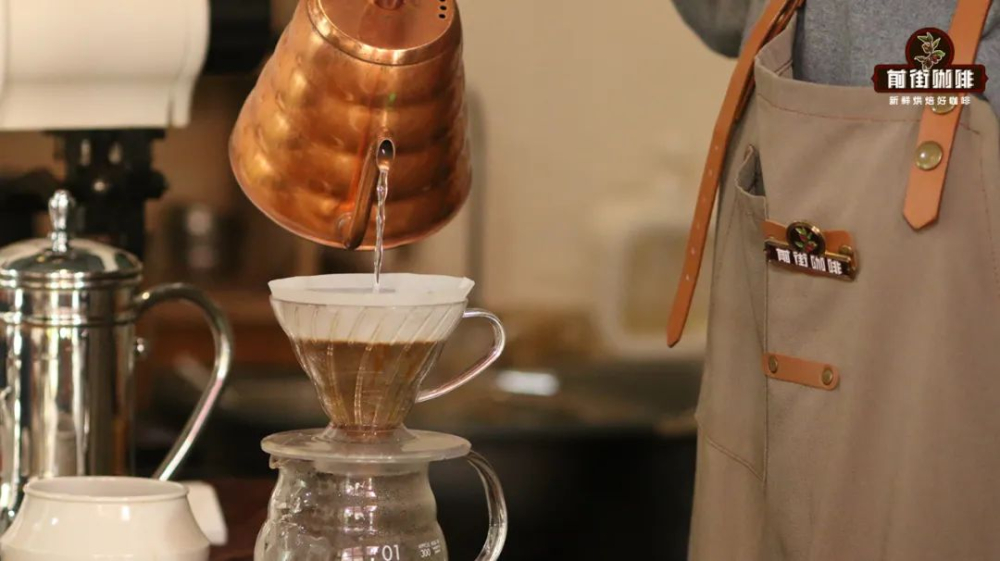
On the topic of pouring speed, Front Street Coffee believes it is necessary to first clarify two easily confused concepts. The first idea that needs correcting is: a slow pour does not equal gentle pouring, and a fast pour does not necessarily mean aggressive pouring. So-called gentle pouring measures how violently the coffee bed is disturbed; the typical approach is to keep level and slowly pour in circles, while the method of "flinging water" with wrist swings agitates the bed strongly and appears aggressive. In fact, a slow pour can still be paired with bold flinging motions, and a fast pour can likewise be poured gently in circles.
The second misconception concerns the judgment of flow rate itself. Influenced by factors such as spout diameter and water control skill, the specific values corresponding to each person's idea of slow and fast flow are not consistent. Kettles with wider spouts generally pour more water; kettles with narrower spouts generally pour less. Front Street Coffee shares a simple method to help you measure your commonly used pouring speed: prepare a digital scale, place a container on it, pour water using your usual pouring technique, time ten seconds, then divide the total amount poured in ten seconds by ten to get your average pouring rate. Using a Hario copper kettle and keeping the stream vertical, Front Street Coffee found a minimum flow rate of 2.3 ml/s and a maximum flow rate of 9 ml/s; switching to a Hario stainless steel kettle (with a larger spout), the minimum flow rate was 4 ml/s and the maximum was 12 ml/s.
Of course, if you always brew with the minimum or maximum flow, the coffee will most likely not taste good. Therefore, it is recommended that you combine your own brewing habits to identify the actual rates corresponding to what you consider slow and fast flow. This makes it easier to record your brewing parameters and to communicate smoothly with others. For example, in actual pour-over brewing, Front Street Coffee uses 4 ml/s for slow flow, 7 ml/s for fast flow, and 5 ml/s for average flow.
What do slow and fast pouring each affect? - When the coffee-to-water ratio is fixed, a slow pour takes longer, while a fast pour takes less time. - In terms of water level, once the amount poured exceeds the drainage speed, the water level will be pushed up; the greater the gap between pouring volume and drainage volume, the shorter the time needed for the water level to rise. - In terms of flavor and mouthfeel, coffee brewed with a slow pour is richer and more concentrated in flavor; coffee brewed with a fast pour has clearer flavors, prominent acidity, a lighter taste, and a thinner mouthfeel.
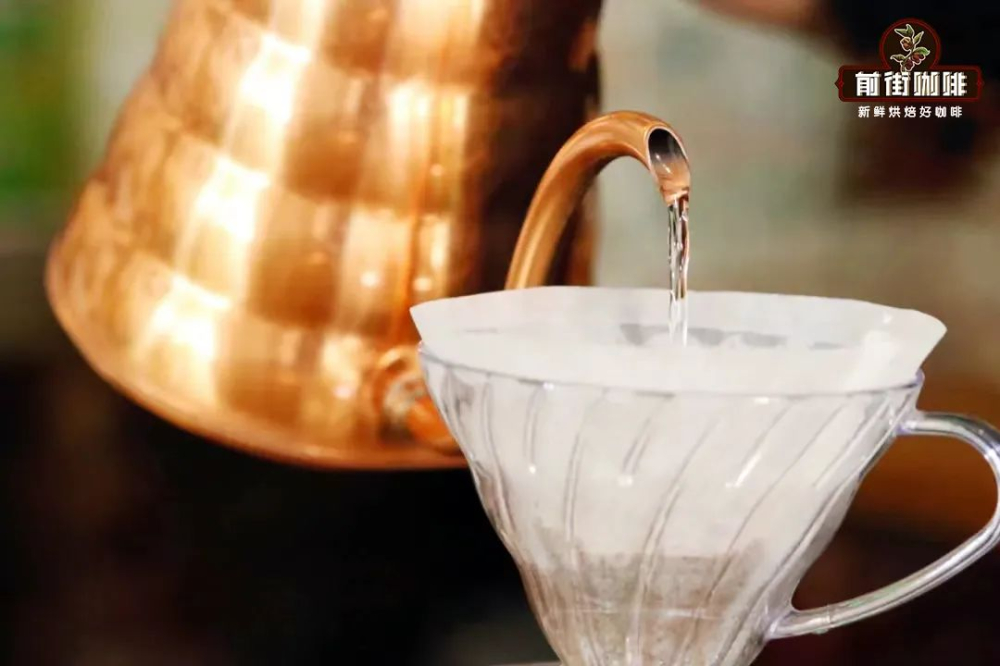
Fast flow and slow flow
Whether to use a fast or slow pour during brewing mainly depends on the current state of the coffee bed and personal brewing habits.
If you usually brew with a slow pour, then you need to appropriately increase the flow in the following situations: 1. When the coffee bed needs to be lifted. Sometimes a slow pour causes the water level to rise too slowly, and the coffee tends to taste rich and concentrated; at this point you should use a fast pour to lift the bed. 2. When the extraction time is too long. As mentioned earlier, a slow pour takes longer; if during brewing you anticipate that the total time may exceed your original plan, you need to increase the flow to shorten the extraction time. 3. When the coffee bed becomes clogged. If during brewing you find the water is not draining, as if blocked by fines, use a fast pour combined with quick stirring to turn up the coffee grounds at the bottom and restore the normal drainage speed.
If you are used to pouring with a fast flow, then switch to a slow flow in the following situations: 1. If you find the water draining too fast during brewing, possibly because the grind is too coarse, use a slow pour to appropriately lengthen the extraction time. 2. If during pouring you find the water level being raised too high, pause pouring first, wait for the water level to fall slightly, and then top up with a slow pour.
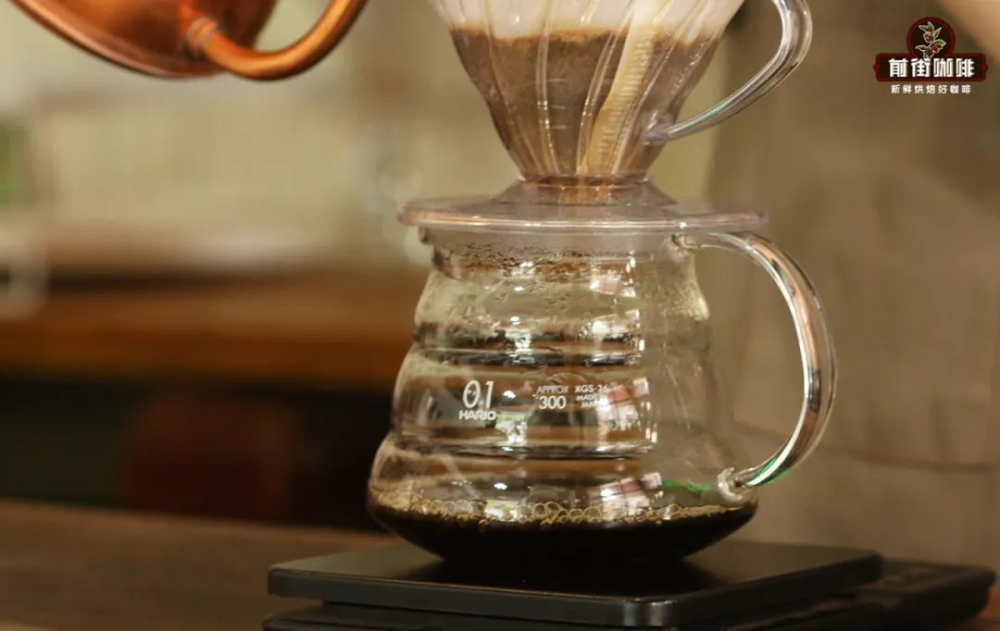
3. If you want to reduce the extraction efficiency in the latter stage, you can use a medium-to-slow flow for the final 20% to 30% of the pouring volume.
Finally, Front Street Coffee recommends that the flow rate not fluctuate too dramatically throughout the pouring process. When we say increase the flow, we only mean relative to the flow rate currently being used. For example, Front Street Coffee's main pouring rate is 5 ml/s, and when an increase is needed it is only raised to 6 to 7 ml/s. So whether it is fast or slow flow, what you essentially need to find is a suitable pouring speed.
The above content is compiled by CoffeeHunters, a coffee news website.


