








Can a flat-bottom dripper dial in the hot drop coffee profile?
The Hero variable-speed cake dripper uses a knob to switch between three drainage settings: immersion, slow and uniform. Its flat-bottom build suits beginners, and it can double as a clever cup or a drinking cup. It takes 185 cake-shaped filter paper, brews one to two servings, and is made of PCTG composite plastic, so the body stays cool to hold.
The dripper has two layers. The outer shell is slightly flared with three support ribs, while the inner surface is vertical at the top and tapered below, joined by six short ribs. Six holes of about 0.3 cm sit in the base, paired in twos, with three raised guide ribs between them. Three brewing recipes were tested on washed and Geisha lots.
A flat-bottom dripper that allows manual switching of extraction modes—what kind of brewing experience does it actually deliver? Front Street Coffee recently got its hands on the variable-speed cake dripper launched by Hero, which uses a knob structure to achieve three drainage settings: immersion, slow, and uniform. The flat-bottom design is quite beginner-friendly. Front Street Coffee has used it to brew beans like the washed Butterfly, Mozart, and Juliet Geisha, and even tried extending the variable-speed function to iced pour-over scenarios, comparing it with the V60. This article provides a complete record of three sets of brewing parameters, flavor performance, and detailed issues found during use, for coffee enthusiasts' reference.

A while ago, while browsing online, Front Street Coffee noticed a flat-bottom dripper marketed for multiple uses in one cup, and out of curiosity placed an order—it was the variable-speed cake dripper launched last year by the coffee equipment brand Hero. In today's content, Front Street Coffee will discuss the actual experience of using it.
According to feedback from friends who have already purchased it, this variable-speed cake dripper has three built-in extraction modes for brewers to switch freely; the flat-bottom construction is relatively beginner-friendly, and it can be used as a clever cup or even directly as a coffee cup without any problem.
After receiving the product, Front Street Coffee carefully observed it: it has a double-layer structure with a manual knob, suitable for use with 185 cake-shaped filter paper, can brew 1–2 servings, and is made of PCTG composite plastic, so there is basically no need to worry about burning your hands when holding it.
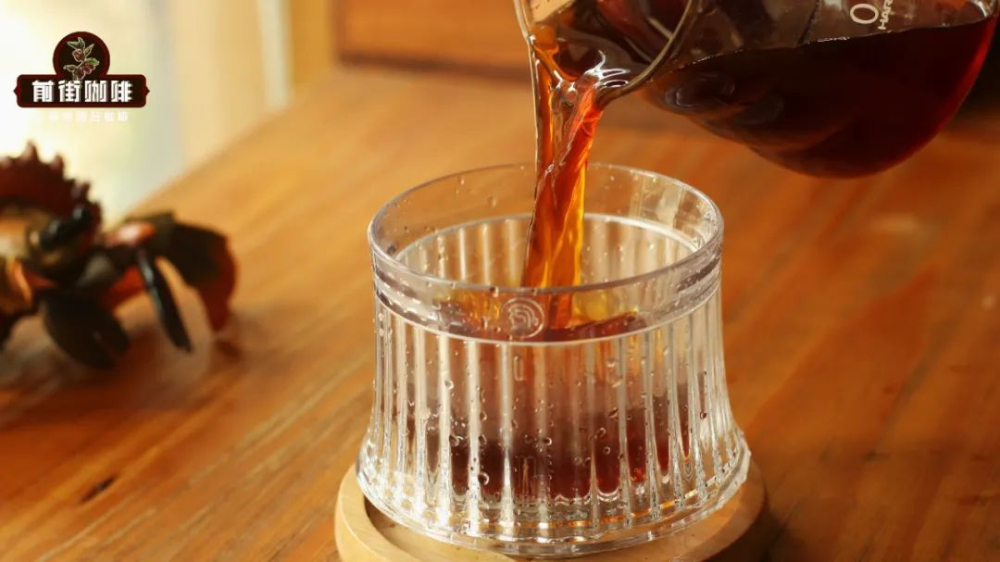
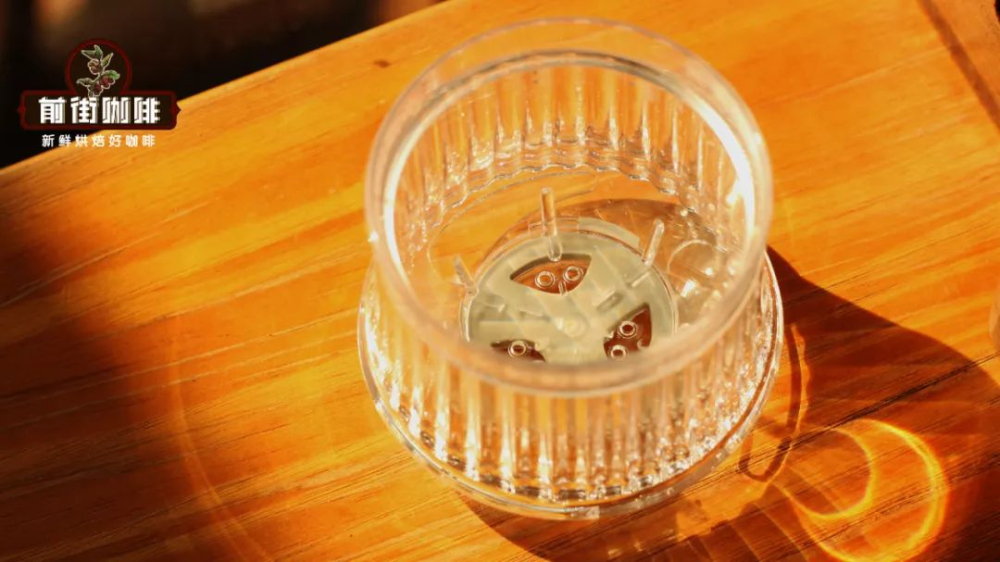
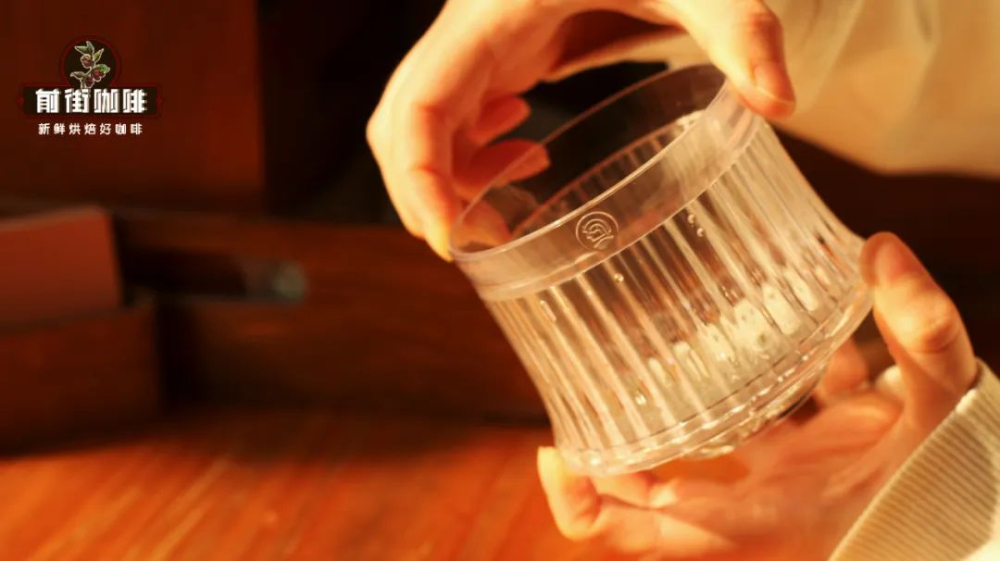
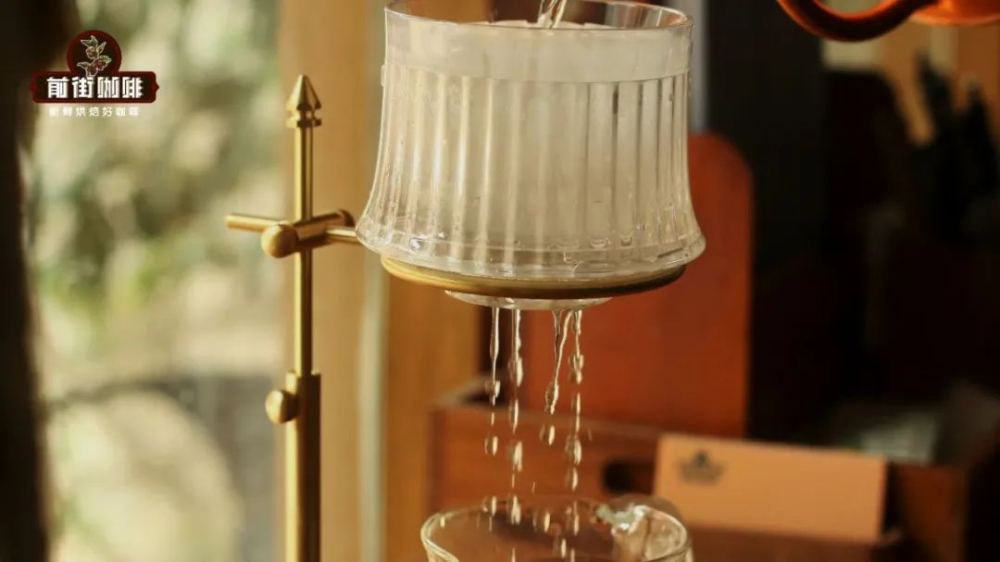
The outer layer of the dripper has a slightly flared Roman column shape, with the bottom composed of three connected support ribs; looking from above at the drainage holes, they appear like several separated small fan shapes. The inner layer is a smooth curved surface that is vertical at the top and tapered at the bottom, with 6 short ribs connecting the cup wall to the bottom. The bottom surface has 6 small holes with a diameter of about 0.3 cm, with every 2 adjacent holes close together, and in between there are another 3 raised ribs about 0.5 cm long responsible for flow guidance.
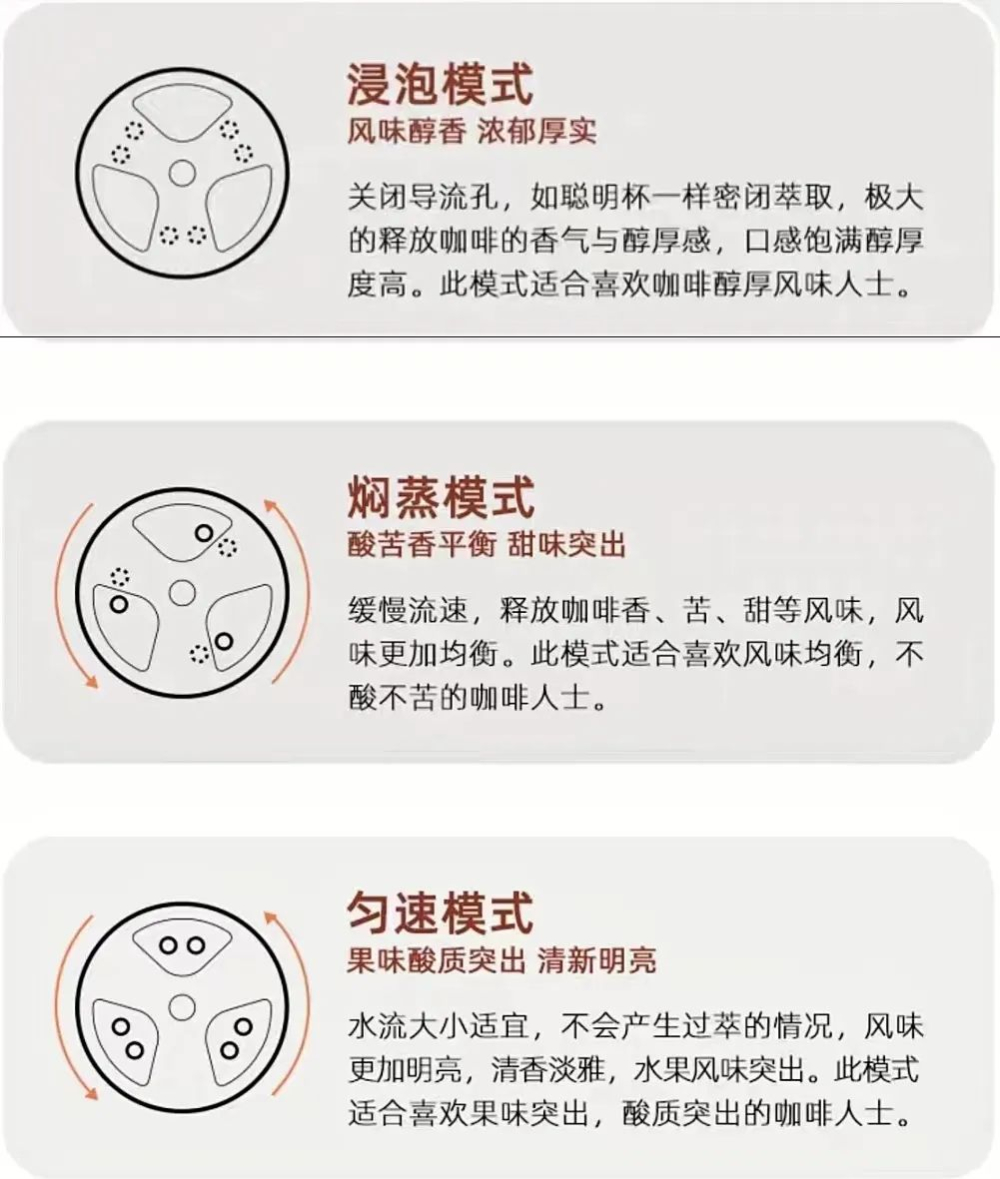
The rotating component is located on the topmost ring and can be moved left or right to change the drainage setting. When the side is turned to the "cut-off" setting, all the flow-guiding holes at the bottom are sealed, and the coffee is in an immersion extraction state similar to a clever cup; when the setting is switched to "one-notch slow mode," 3 holes drain water, which is the blooming mode; continuing to rotate counterclockwise and adjusting the setting to "two-notch uniform mode," all 6 holes participate in seepage, and the coffee enters uniform extraction mode.
Without adding coffee grounds, Front Street Coffee first simply measured the drainage speed of the two extraction settings. After fitting the filter paper and pouring in 100 grams of water, the "3-hole mode" finished flowing in about 21 seconds, while the "6-hole mode" drained completely in about 12 seconds. With the same amount of water, the V60 used for Front Street Coffee's daily output needed 16 seconds to finish seeping.
Without further ado, Front Street Coffee casually picked a bean to try first, using all three settings to see how it would turn out.
Coffee bean: Panama · Washed Butterfly Dose: 15 grams Coffee-to-water ratio: 1:15 Water temperature: 92°C Grind size: EK43s setting 10 Pouring method: three-stage
In the first stage, first adjust the setting to immersion mode, pour in 30 ml with a strong stream to wet all the coffee grounds, and let it bloom for 30 seconds. After 30 seconds, turn the ring to the one-notch slow mode (3-hole drainage) to let the bloom water flow into the server, then evenly pour the second stage of 100 ml while raising the coffee bed. When the water level drops to one-third, adjust the setting to the second notch with the maximum flow rate (6-hole drainage), then gently pour the final stage of 95 ml from the center in small circles. The coffee liquid finally finished dripping at 2 minutes 26 seconds.
The Butterfly brewed this way mainly featured stone fruit acidity, mixed with notes of caramel and black tea. The mouthfeel was thicker and rounder, with a slightly rough texture, and after swallowing there was a slightly bitter finish that was not smooth enough. Front Street Coffee speculated that the bloom immersion time was too long, and coupled with a large amount of the coffee bed accumulating at the bottom, it caused water accumulation in the later stage, showing signs of over-extraction.
Considering that this dripper has a flat-bottom percolation structure, and immersion extraction can better highlight coffee's body and sweetness, Front Street Coffee switched to another fermented-style bean and shortened the bloom immersion time by 5 seconds, that is, opening the valve at 25 seconds and entering the 3-hole "slow mode" earlier. Only after the final pour was completed did Front Street Coffee move the knob to the 6-hole "uniform mode" to compensate for the too-fast drainage. Other parameters were kept as consistent as possible with usual practice.
Coffee beans: Costa Rica · Mozart & Panama · 90+ Juliet Geisha Dose: 15 grams Coffee-to-water ratio: 1:15 Water temperature: 92°C Grind size: EK43s setting 9.5 Pouring method: three-stage
The Mozart brewed using the second set of parameters clearly performed better in flavor than the first set, with aromas of raisins, blueberries, and osmanthus on entry, and relatively clear sweetness; the Juliet showed rich notes of grape juice, candied fruit, guava, and cocoa, with good body. Both beans were higher than the V60 in terms of fermented aroma and candied-fruit-like sweetness. However, correspondingly, the characteristics of the cake cup also made the coffee "sacrifice" some of its uplifting, bright fruit acidity.
After several rounds of hot pour-over, Front Street Coffee decided to apply the variable-speed function to iced pour-over, using a combination of closed immersion blooming plus slow extraction, hoping to increase the coffee's extraction yield. For the bean, Front Street Coffee used Mirazu Strawberry Candy as the demonstration.
Coffee bean: Costa Rica · Strawberry Candy Water temperature: 92°C Dose: 15 grams Coffee-to-water ratio: 1:10 (100 grams of ice placed in the server) Dripper: Hario V60 & Hero variable-speed cake dripper Grind size: EK43s setting 9 Three-stage pouring: 30 grams + 70 grams + 50 grams
When using it with the variable-speed dripper, Front Street Coffee poured 30 grams with a strong stream in the first stage for sealed immersion. At 28 seconds, turn the ring to the one-notch slow mode (3-hole drainage), then evenly pour the second stage of 70 grams. Once the coffee bed was exposed, pour the final stage of 50 grams from the center in small circles. Both pots of coffee finished dripping in about 1 minute 50 seconds.
After tasting and comparing, it was found that the iced coffee brewed with the variable-speed cake dripper had a fuller flavor, with notes of fruit candy, candied fruit, cream, and peach, and the intensity was also relatively longer-lasting. By contrast, the iced coffee brewed with the V60 tasted somewhat watery, and as the ice further diluted it, the aroma became flatter.
Overall, through this brewing experience with Hero's variable-speed dripper, Front Street Coffee believes that it indeed provides a relatively fresh way to play during the extraction stage, allowing us to find more expressions in some of the beans we like.
A few small details in use:
1. When using this variable-speed dripper, Front Street Coffee felt that the knob's locking positions were not smooth, and it required both hands rotating in opposite directions at the same time to adjust the setting, which easily delays the pouring timing, so movements need to be quick.
2. Unlike the flat-bottom support stands of other regular cake cups, the outer layer of this dripper is closer to a bowl shape. When placed directly on the server, it is not easy to secure, and once bumped it will slide and cause the drainage to tilt, requiring "manual repositioning" at any time.
3. The last point: because the dripper has a double-layer design, coffee liquid or grounds easily accumulate in the gap at the bottom. Front Street Coffee suggests that after each use, it is best to rinse it under running clean water, shake off the water droplets, and then leave it to air dry.
- END - Front Street Coffee
No. 10, Baoqian Street, Yandun Road, Dongshankou, Yuexiu District, Guangzhou, Guangdong Province
The above content is compiled by CoffeeHunters, a coffee news website.


