







How Does Coffee Bed Structure Change Pour-Over Flavor?
Pour-over drippers differ in three main ways: coffee bed structure, flow rate, and material. Cone-shaped, flat-bottomed, and fan-shaped drippers each distribute grounds differently, which changes extraction evenness and cup complexity. Rib design and outlet size set the flow rate and therefore the flavor direction, while material affects heat retention and price. Understanding these differences lets a brewer choose by taste rather than by looks.
Cone drippers form a thicker bed, so extraction is less even and temperature drops as water travels down. Flat-bottomed and fan-shaped beds spread grounds more evenly. Front Street Coffee gives specific buying recommendations at the end, so a brewer who reads the differences and still cannot decide can follow those picks directly.
Faced with a dazzling array of pour-over drippers, many coffee lovers often don't know where to start. In fact, the differences between drippers mainly come down to three aspects: the coffee bed structure, the flow rate, and the material. The coffee bed structure determines the degree of extraction uniformity and complexity—cone-shaped, flat-bottomed, and fan-shaped each have their own characteristics. The flow rate is influenced by the rib design and the size of the outlet, and the difference between fast and slow brings completely different flavor directions. The material affects heat retention and price. Once you understand these differences, you can make a choice based on your personal taste preferences. Front Street Coffee will provide specific buying recommendations at the end of this article—just follow them and you can easily get started.
However, there are really too many types of drippers, and each one has a different focus in function, which leaves many friends feeling confused when choosing. For this reason, Front Street Coffee today plans to talk about exactly how these drippers differ and how to choose one that suits your preferences. Of course, if you still can't make up your mind after reading about the differences, that's fine too—at the end of the article, Front Street Coffee will directly give buying recommendations. Just follow them and buy with your eyes closed~
I. Coffee Bed Structure Although drippers on the market come in all shapes and styles, the mainstream shape designs are actually just three types: cone-shaped drippers, flat-bottomed drippers, and fan-shaped drippers. The main difference between them lies in how the coffee grounds are distributed in the dripper, and this changes the taste and characteristics of the brewed coffee.
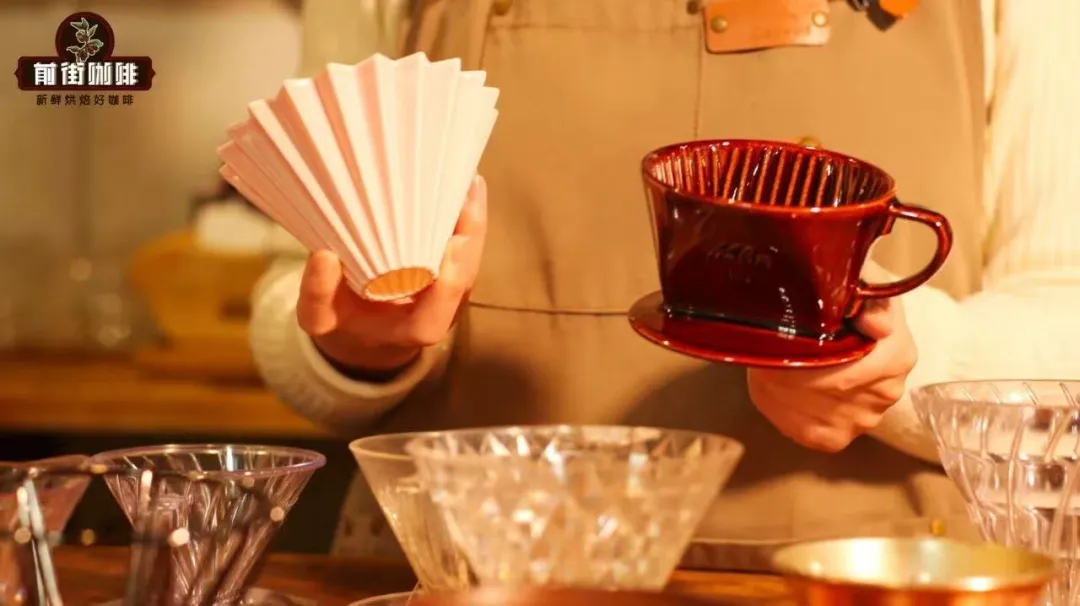
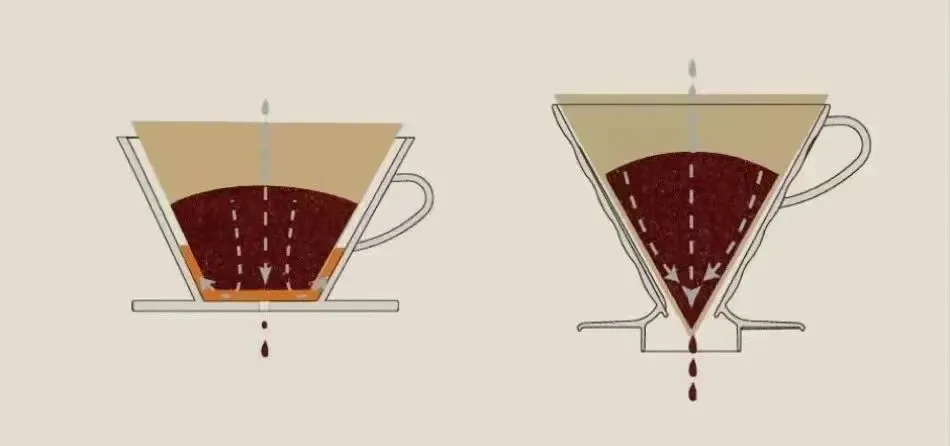
Cone-shaped dripper: A cone-shaped dripper looks like a "funnel," narrow at the bottom and wide at the top. So when we pour coffee grounds into it, the grounds form an inverted cone-shaped coffee bed. An inverted cone-shaped bed means that the cross-sectional area of each layer is different—the lower you go, the smaller it gets, and the cross-sectional area of the top layer is vastly different from that of the bottom layer. Therefore, when the same amount of coffee is poured into a cone-shaped dripper, the resulting coffee bed will be thicker than in other drippers.
A thicker coffee bed leads to relatively less uniform extraction. As hot water poured into the bed becomes more concentrated and its temperature drops, extraction efficiency decreases the further down it goes. Because of this, using a cone-shaped dripper allows us to more easily brew a cup of coffee with rich layers. Since the extraction is relatively less uniform, the amount of dissolved substances from coffee grounds in different positions varies, and the brewed coffee will therefore have a richer layered expression.
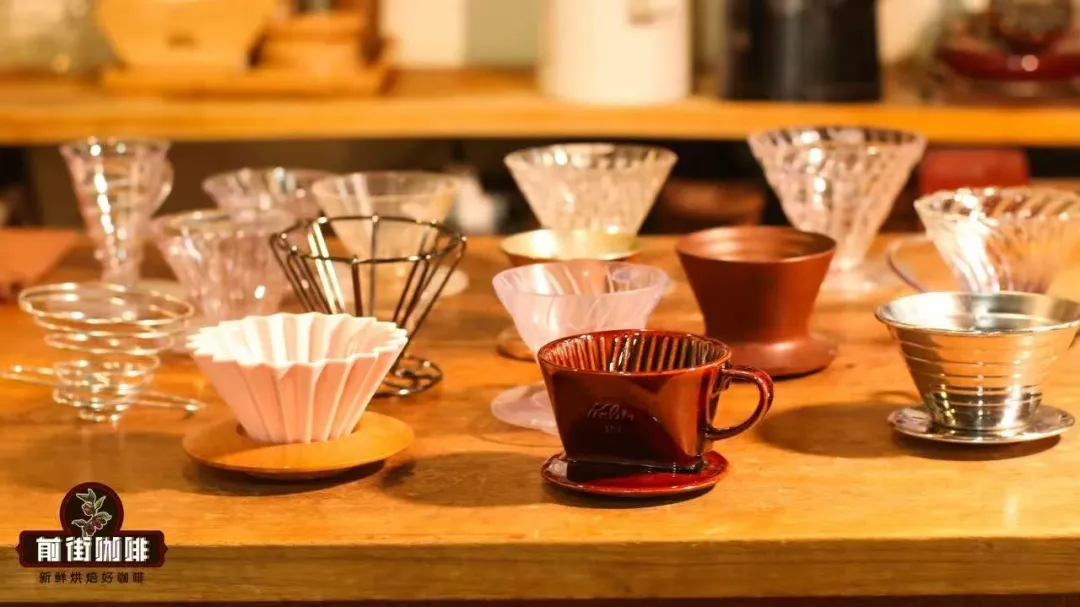
Flat-bottomed dripper: The flat-bottomed dripper, also known as a cake dripper, differs most from the cone-shaped dripper in that it has a larger, flat bottom, and the difference in cross-sectional area between layers is not very big. This causes the coffee grounds poured into a flat-bottomed dripper to form an inverted truncated cone-shaped coffee bed, and with the same amount of coffee, the resulting bed thickness is the thinnest of the three types.
This kind of coffee bed structure can give us more uniform extraction. Because the bed is not very thick, hot water can quickly reach the coffee grounds at the bottom, and there won't be too great an extraction difference between coffee grounds. This allows the brewed coffee to have a more balanced expression. At the same time, because the coffee bed is relatively thin, even if we don't need to intentionally control the water, we can still brew a tasty cup of coffee relatively easily, so for beginners, a flat-bottomed dripper is more friendly.
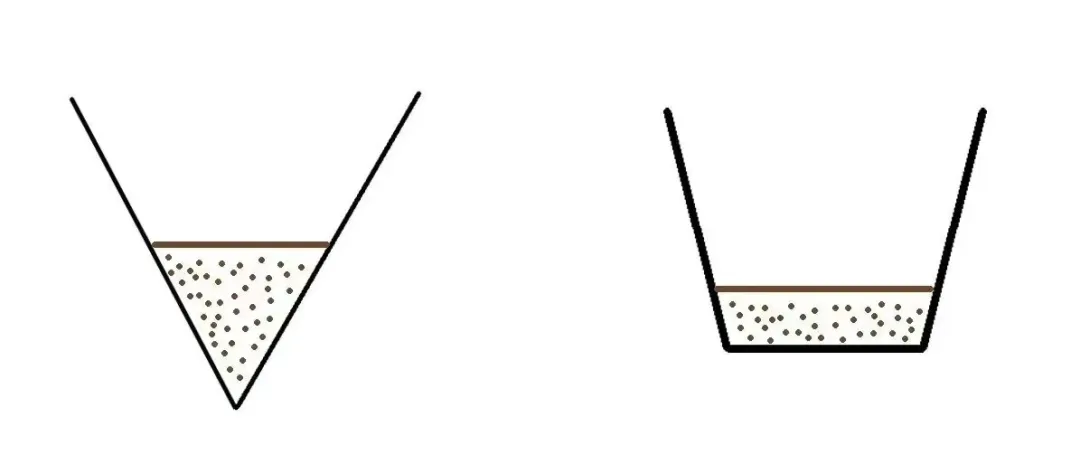
Fan-shaped dripper: Finally, the fan-shaped dripper! The fan-shaped dripper has an inverted trapezoid design. It is somewhat similar to the cone-shaped dripper, with a wide top and narrow bottom. The only difference is that the bottom of the fan-shaped dripper is a line rather than a point like the cone-shaped dripper, so the distribution of coffee grounds is not as concentrated as in a cone. With the same amount of coffee, the coffee bed formed in a fan-shaped dripper is intermediate in thickness among the three.
So by combining the brewing characteristics of cone-shaped and flat-bottomed drippers, we can imagine that the extraction characteristic of the fan-shaped dripper is that it can create differences in extraction, but the differences won't be as large as with a cone-shaped dripper! The brewed coffee will have a certain layering while also being relatively balanced.
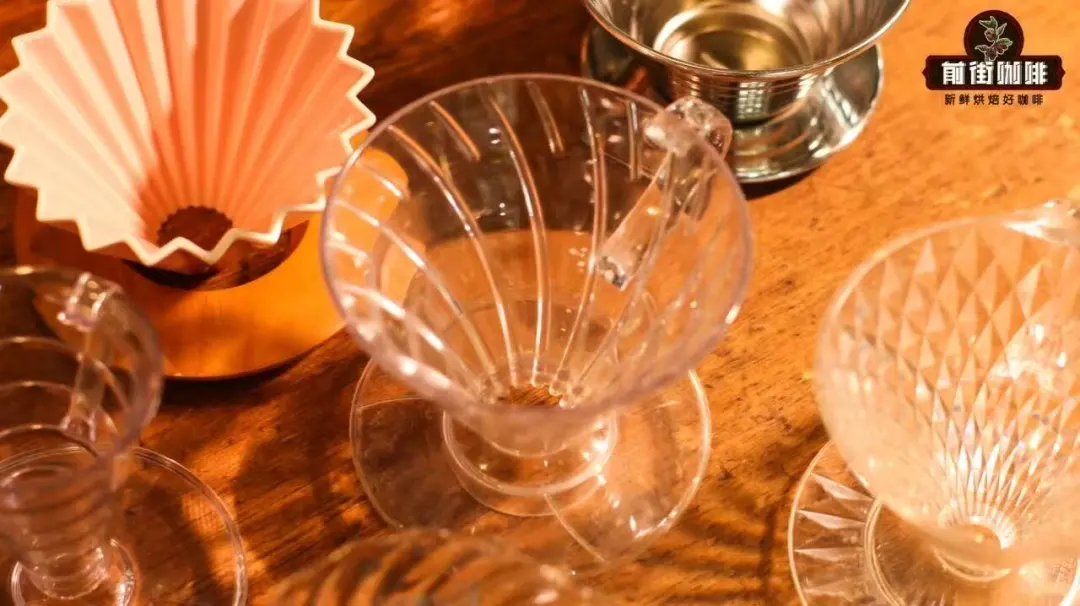
Of course, the characteristics mentioned above by Front Street Coffee are differences that occur under the same parameters and brewing method. We can also adjust parameters and brewing methods to brew a balanced cup with a cone-shaped dripper, or brew a richly layered cup with a flat-bottomed dripper~ II. Flow Rate Besides the influence of coffee bed structure, different drippers also have different drainage speeds, and Front Street Coffee thinks this is also very important. The main two aspects that determine coffee flow rate are: the length/number of the dripper's ribs, and the size of the outlet. The inner wall of most drippers is equipped with protruding ribs. The function of these ribs is to support the filter paper so that it does not completely stick to the inner wall, increasing the space for venting during brewing.
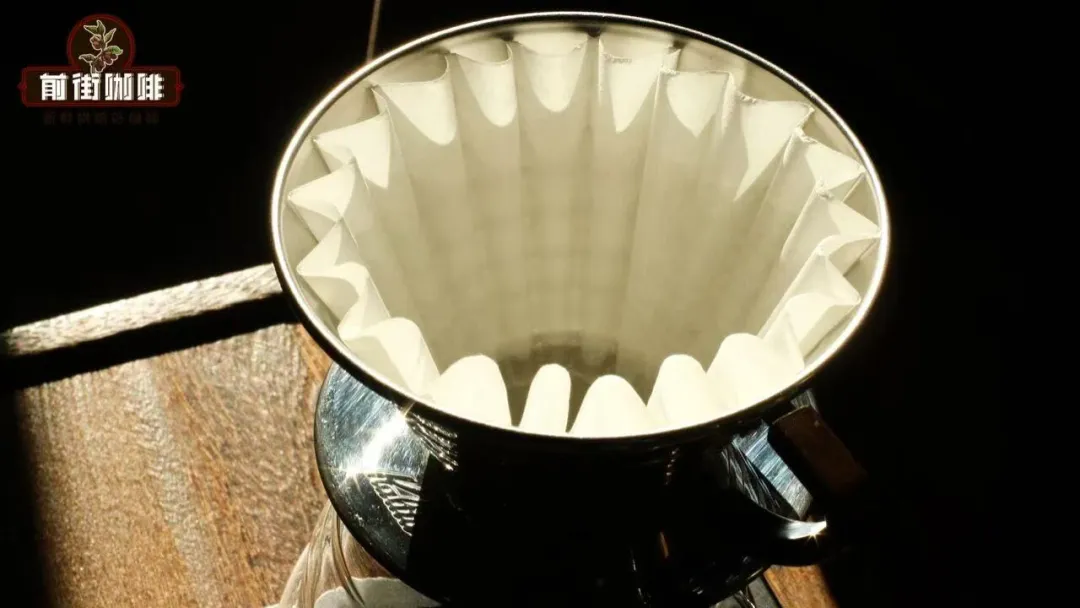
When the number of protruding ribs is greater/more extensive and the degree of protrusion is higher, creating more venting space, the drainage speed of the coffee will be relatively faster. Because gas can be released and will not excessively obstruct the seepage of hot water, the speed at which hot water penetrates will therefore be accelerated. Conversely, the fewer/less extensive the protruding ribs are, the slower the drainage speed will be.
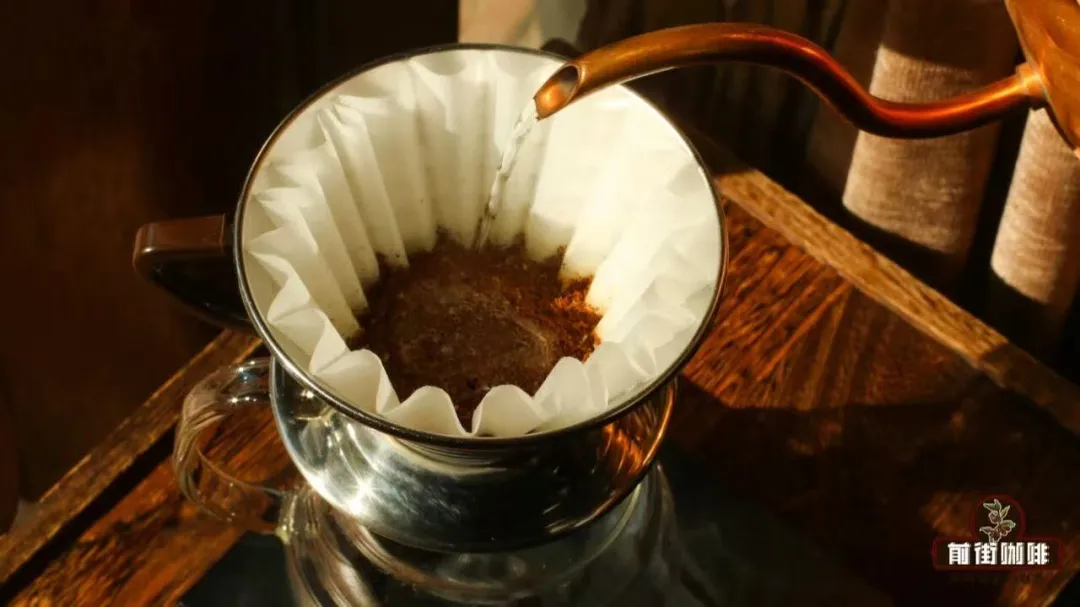
The size of the outlet also affects flow rate, and this is easy to understand. When the outlet holes of the dripper are larger in diameter and greater in number, its drainage speed is faster; otherwise, it is slower. Under the same parameters, a fast-flow dripper can help us complete extraction earlier and brew a relatively fresh, richly layered cup of coffee; while a slow-flow dripper can extend the extraction time, allowing the coffee to be extracted more fully, and the taste and flavor will be richer and more balanced by comparison. III. Material The last factor in dripper design that affects extraction is material! The material of the dripper affects the rate at which hot water loses temperature during brewing, and also the price
. Resin, glass, ceramic, metal, and so on are relatively common dripper materials on the market. Setting price aside, the water temperature of the hot water during brewing will change because of their different thermal conductivity and specific heat capacity! The better the heat retention performance of the dripper material, the closer the hot water temperature during brewing will be to the water temperature we measured in the kettle—that is, the extraction efficiency will be somewhat higher, and vice versa.
But because this effect is not as great as the previous two, and explaining it would take a long discussion, Front Street Coffee won't go into too much detail here. Interested friends can move on to Front Street Coffee's previous sharing "The Influence of Dripper Material" to learn more~ How should we choose a suitable dripper? It's actually very simple. If the coffee flavor you prefer is on the acidic side, then you can choose drippers with a faster flow rate that can form a thicker coffee bed! Because this type of dripper makes it easier to brew coffee with more layering and a relatively fresh character! When Front Street Coffee brews medium-light roasted beans such as Huakui and Sidra on its brewing bean list, it uses fast-flow drippers like the V60.
And if your preference is for coffee with a fuller body and non-acidic taste, then you can choose drippers with a slower flow rate, such as Kalita, Kono, and so on. Because this type of dripper can extend the coffee's extraction time while allowing the coffee to be extracted more evenly, giving the brewed coffee a more balanced and fuller expression. For example, when Front Street Coffee brews medium-dark roasted coffee beans such as Bird of Paradise and Golden Mandheling on its brewing bean list, it uses slow-flow drippers like Kono.
As for the choice of material, as Front Street Coffee introduced above, because the impact won't be too great, everyone can choose according to their own preferences and wallet balance. Front Street Coffee personally prefers resin drippers, not only because of their extremely affordable price, but also because of their drop-proof durability—simply perfect for Front Street Coffee! - END -
The above content is compiled by CoffeeHunters, a coffee news website.


