







Do fines help or hurt pour-over coffee extraction?
Sifting fines out of pour-over coffee does improve drainage, but it also strips away body and sweetness, leaving a flat, dull cup. Fines are the extremely fine particles under roughly 250 microns produced during grinding, and they add texture and complexity even as they slow the flow. Removing them solves one problem while creating another.
Every grinder produces some fines, though better grinders produce fewer. When drainage is slow and flavors turn muddy, the cause may be grind size, pour technique, or bean density rather than the fines alone. Choosing a grind size suited to the dripper and adjusting the pour is a more reasonable direction than sifting, since what is in coffee includes both fine and coarse particles.
When pour-over coffee suffers from slow drainage and muddy flavors, many people's first instinct is to blame the fines, so they buy a fines sifter to try to solve the problem. But after sifting out the fines, the clogging does improve, yet the taste becomes flat and dull—why exactly is that? What role do fines actually play in extraction? Starting from a real confusion shared by a friend of Front Street Coffee, this article discusses the dual nature of fines, the actual effect of fines sifters, and the reasonable direction for choosing pour-over grind size, to help you clarify the balance between grind and flavor.
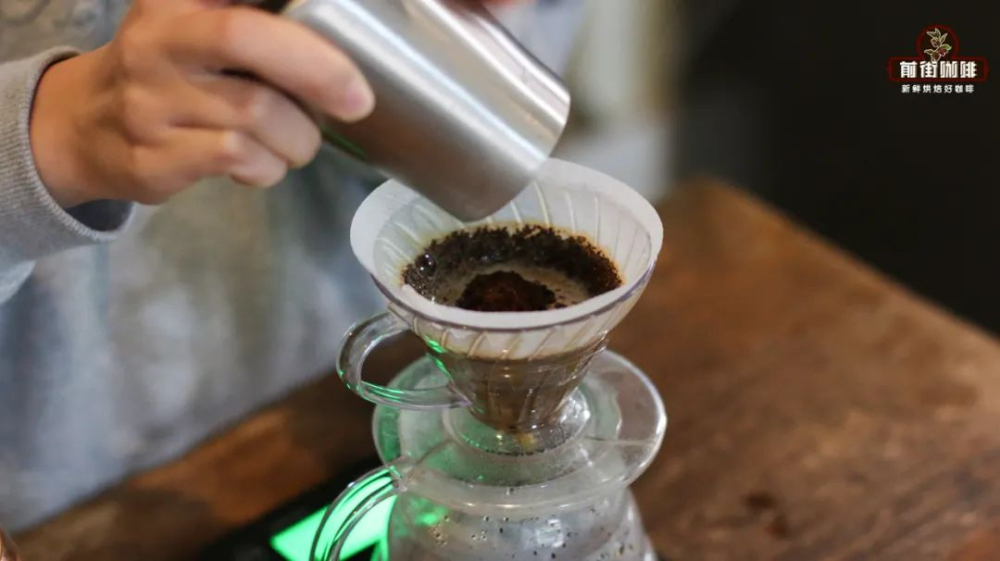
A friend chatted with Front Street about a frustrating issue he recently encountered when brewing coffee. He noticed that after pouring water, the drainage speed was noticeably slow, and the taste was chaotic with muddled layers, and the main flavor was not distinct enough. To solve this problem, he specifically bought a fines sifter to filter out the fines produced by grinding. After sifting, the drainage indeed became smooth, but the coffee tasted bland and lifeless. This left him confused for a moment.
Fines are actually a double-edged sword
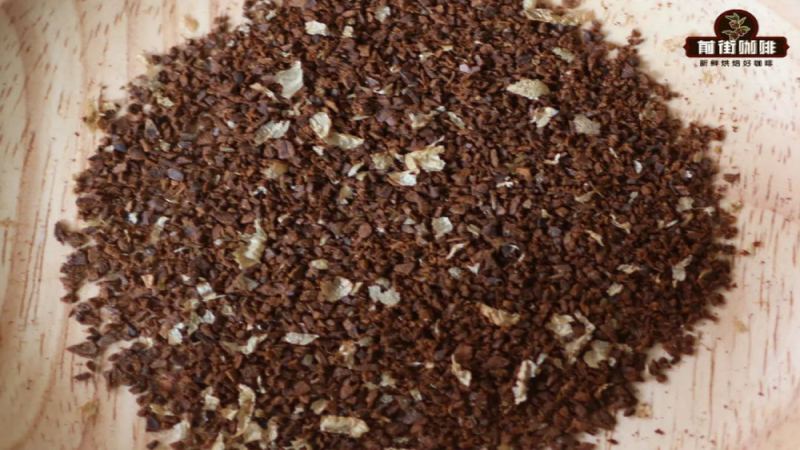
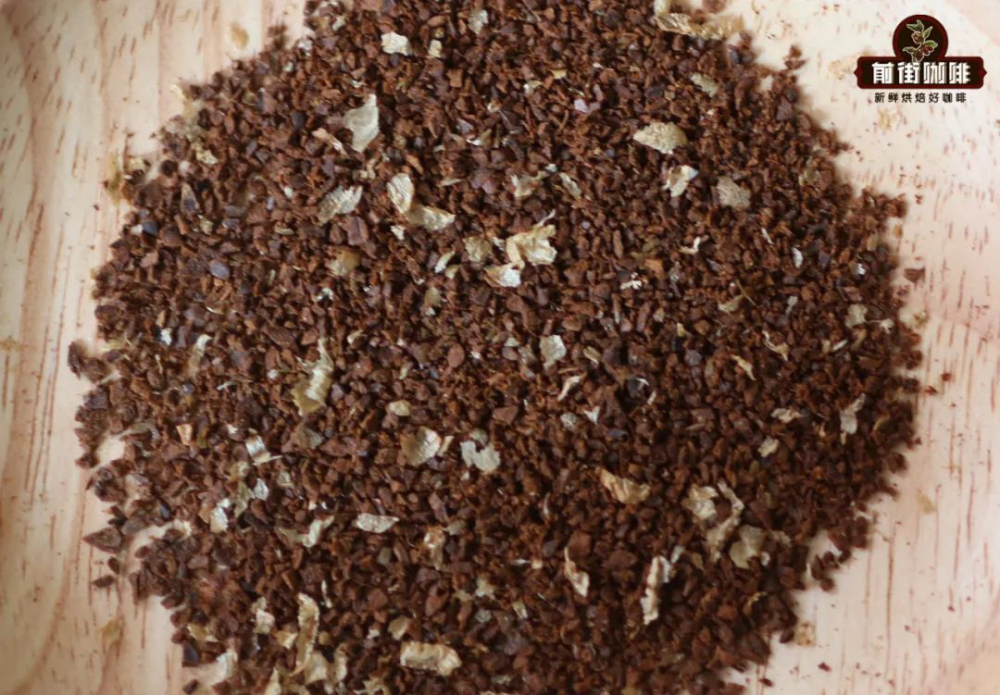
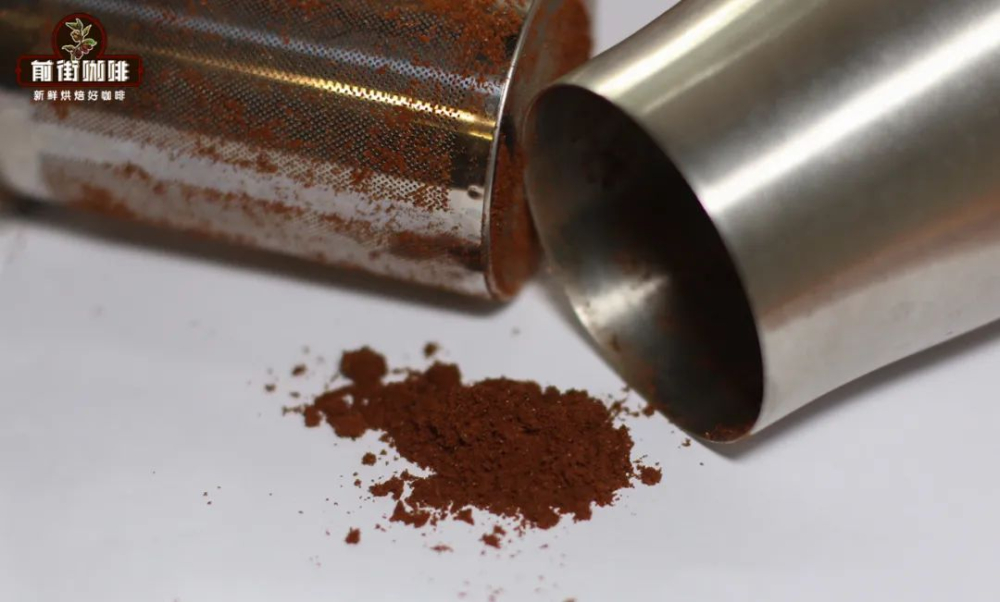
The fines mentioned here specifically refer to the "extremely fine particles" produced during grinding, with a particle size roughly close to that of espresso grinding, usually less than 250 microns. No matter how expensive the grinder is, a certain amount of extremely fine particles will inevitably be produced during grinding, and this cannot be completely avoided. The difference is that high-quality grinders produce relatively fewer fines, while grinders with poorer grinding performance produce more fines.
The above content is compiled by CoffeeHunters, a coffee news website.


