







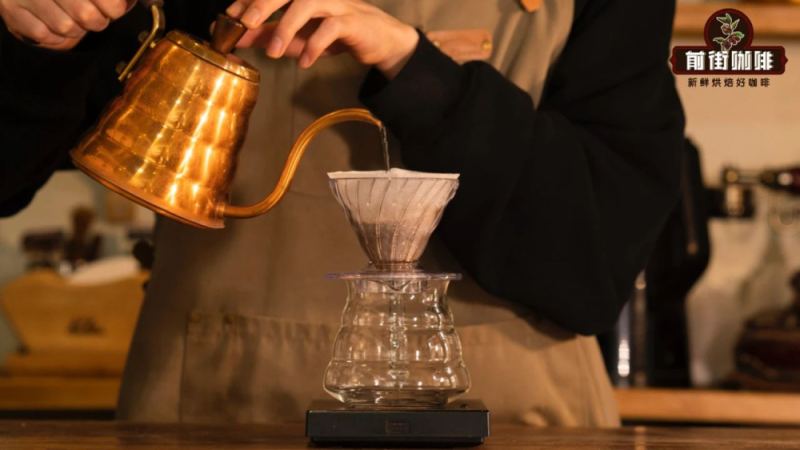
How does circular pouring change pour-over coffee extraction?
In pour-over brewing, stream size and circling speed set the flavor direction. A small stream keeps the water level low, leaves a thicker bed, lengthens contact between water and coffee particles, and yields a slightly higher concentration with a heavier body. A large stream hits harder, raises the water level, thins the bed, shortens brew time, and pushes the cup toward a cleaner, more one-dimensional profile.
Circling speed controls washing force. A fast circular pour pushes extraction yield higher, while a slow one weakens that force and keeps intensity lower. A test brew using 15 grams of coffee at a 1:15 ratio and 91°C compared a small stream with slow circling against a large stream with fast circling, showing that the extremes, small stream plus fast circling, and large stream plus slow circling, sit at opposite ends of extraction.
When brewing pour-over coffee, the size of the water stream and the speed of the circular pour often determine the final flavor direction. This article analyzes these two variables: how a small stream and a large stream respectively change the thickness of the coffee bed, the drainage speed, and the mouthfeel; and how the speed of the circular pour affects the washing force and extraction efficiency. Using 15g of coffee, a 1:15 coffee-to-water ratio, and a water temperature of 91°C, a comparative brew is conducted between two combinations: "small stream with slow circular pour" and "large stream with fast circular pour," recording the differences in concentration and flavor to help you understand the true role of the circular pour in extraction and adjust your grinding and technique accordingly.
For more specialty coffee knowledge, please follow: Front Street Coffee (Frontsteet Coffee)
When practicing pour-over, the thickness of the water stream and the rhythm of the circular pour are almost two things everyone must grapple with. In a previous discussion on pouring techniques, Front Street separated the water stream and the circular pour speed and tested them individually to see what changes each would bring to the coffee.
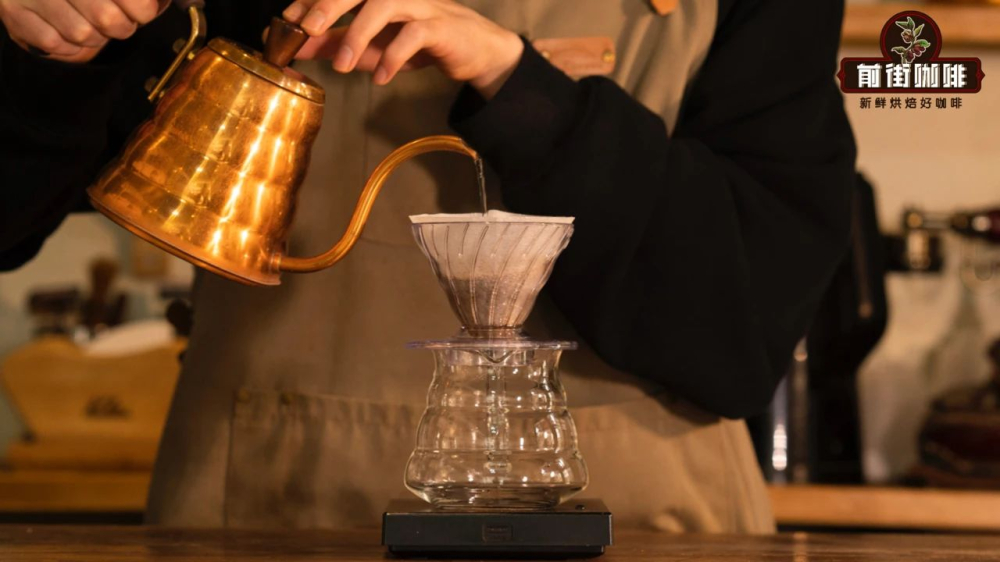
When other conditions remain unchanged, if a smaller stream is used, the water level will not be raised too high, the coffee bed will be relatively thicker, the contact time between water and coffee grounds is lengthened, the concentration will be slightly higher, and the cup profile will lean toward a heavier body. Conversely, a large stream brings a stronger impact force, the water level rises higher, the coffee bed is thinner, water passes through the bed faster, the overall brewing time is shortened, and the mouthfeel tends to be cleaner and more one-dimensional, with aromas more likely to leap out.
Similarly, with other conditions unchanged, a faster circular pour speed means the water exerts a stronger washing force on the coffee bed, pushing the extraction yield higher; a slower circular pour speed weakens the washing force, and the extraction intensity naturally will not be too strong either.
From this, two extremes are easy to deduce: a small stream combined with a fast circular pour can push extraction efficiency to a very high level; a large stream combined with a slow circular pour can suppress extraction efficiency to a relatively low level. So, what results will the two combinations of small stream with slow circular pour and large stream with fast circular pour present?
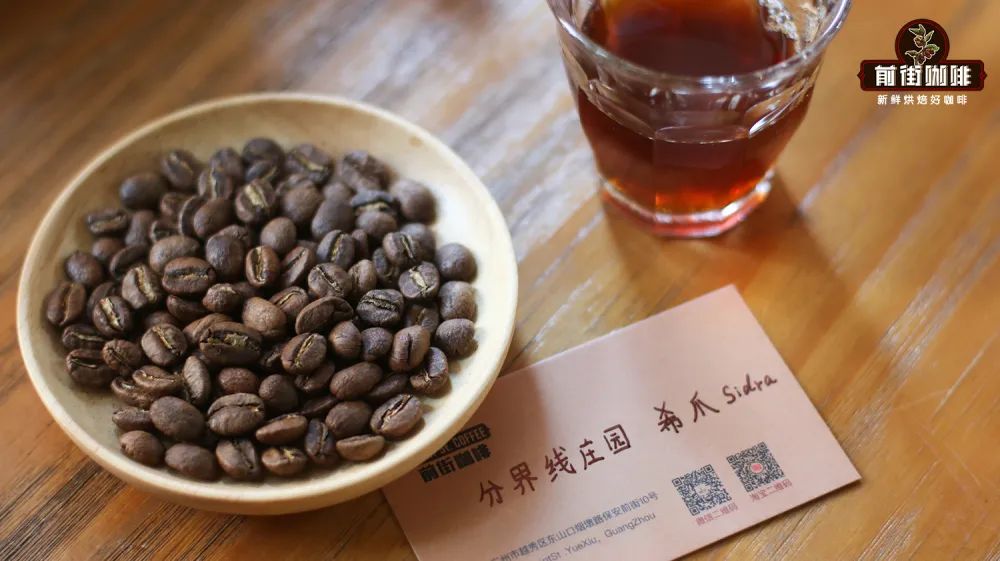
Brewing Experiment This experiment again uses a Front Street Colombia Sidra from the Front Street Coffee (FrontStreet Coffee) bean list. This variety is rich in fruit aromas and often exhibits flavors of passion fruit, grape, and dried fruit after brewing. With the coffee-to-water ratio kept consistent, the brew is completed using two methods: small stream with slow circular pour and large stream with fast circular pour, respectively.
Parameters Coffee dose: 15g Coffee-to-water ratio: 1:15 Grind size: fine grind (80% passing a No. 20 standard sieve) Water temperature: 91 degrees Celsius
Small stream with slow circular pour speed: First, bloom with 30g of water for 30 seconds, then pour at an average rate of [4g/s] and a rhythm of [4 seconds per circle], circling from the center outward and back to the center, stopping the pour at 125g; wait until the coffee bed drops to the halfway point, then pour in the same manner to 225g and stop; after all the coffee liquid in the dripper has flowed into the server, remove the dripper to end extraction. Brewing time is 2 minutes.
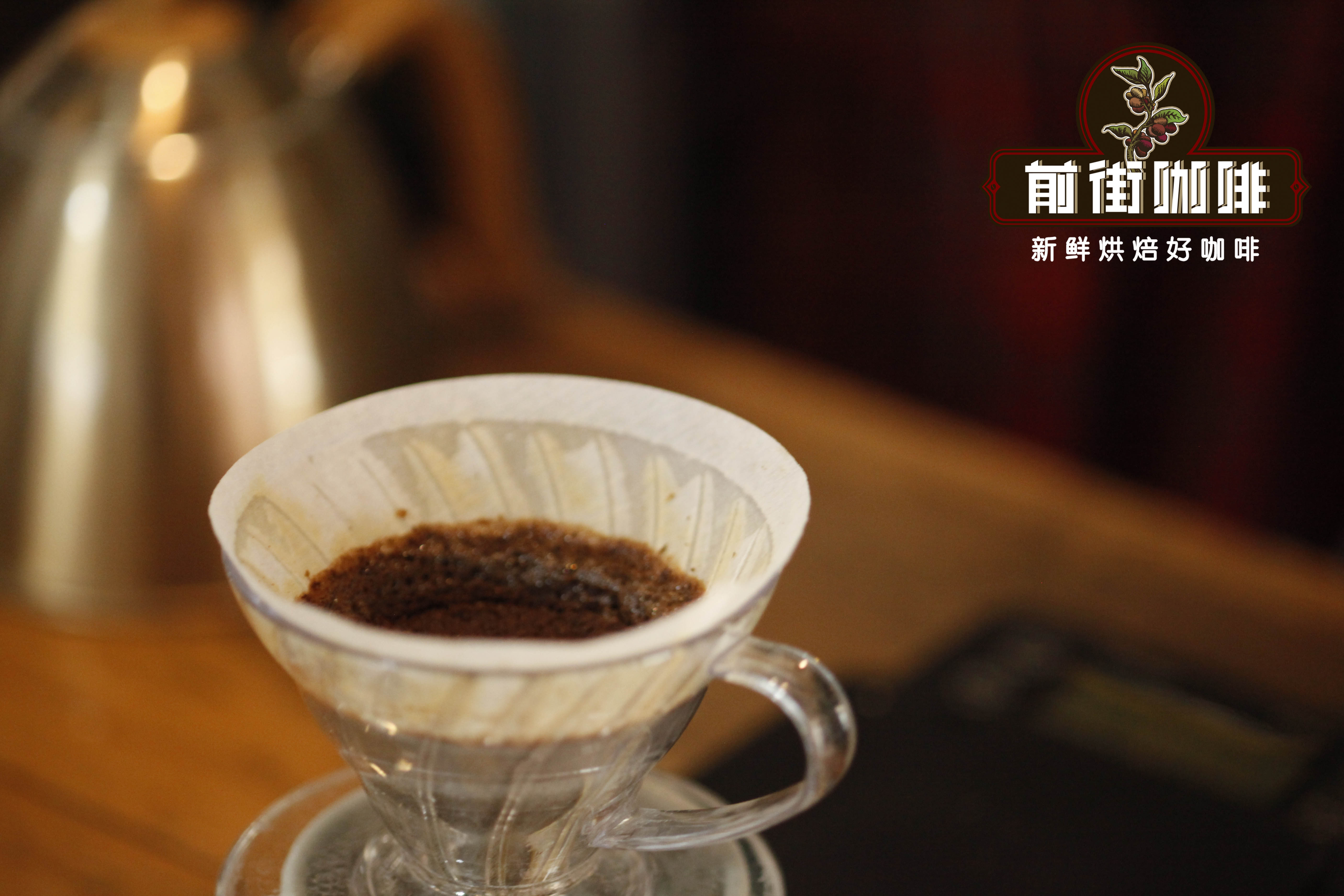
Large stream with fast circular pour speed: First, bloom with 30g of water for 30 seconds, then pour at an average rate of [6g/s] and a rhythm of [1 second per circle], circling from the center outward and back to the center, stopping the pour at 125g; wait until the coffee bed drops to the halfway point, then pour in the same manner to 225g and stop; after all the coffee liquid in the dripper has flowed into the server, remove the dripper to end extraction. Brewing time is 1 minute 40 seconds.
Flavor Comparison Small stream with slow circular pour speed: Concentration is 1.37%. The strawberry aroma is relatively intense, accompanied by a strawberry-jam-like sweetness, the mouthfeel is as smooth as cream, and the finish carries a liqueur-chocolate-like aftertaste, overall very rich.
Large stream with fast circular pour speed: Concentration is 1.28%. It carries a fermented note, the berry sweetness is lighter, the finish is a fresh black tea note, overall leaning fresh, with a lighter mouthfeel.
The pouring method of small stream with slow circular pour is overall closer to even immersion extraction, thus yielding a fuller mouthfeel and a richer flavor. The pouring method of large stream with fast circular pour is overall more like a strong, forceful washing extraction, but because the coffee particles are relatively coarser under this method, the drainage speed is faster and the extraction yield is slightly lower, so you may consider adjusting the grind finer to compensate.
The above content is compiled by CoffeeHunters, a coffee news website.


