








What Controls Coffee Extraction Besides Grind Size?
Pour-over coffee extraction can be slowed or sped up in four practical ways besides grind size: pouring in more stages, controlling how fast you pour, switching filter papers, and changing the dripper itself. Staged pouring leaves waiting gaps between pours, which lengthens extraction time, while pouring faster shortens it and pouring slower extends it. These methods keep other variables fixed, so only flow rate changes and flavor adjusts predictably.
Dripper design matters just as much: V60 and Kono shapes pass water at different speeds, and filter papers come in fast-flow and slow-flow types depending on material and production technique. Front Street Coffee demonstrates with two example beans, Grana Geisha and PWN Golden Mandheling, showing how matching the dripper to the coffee lets enthusiasts reach an ideal extraction time without touching the grind setting.
In the extraction process of pour-over coffee, grind size is often regarded as the primary means of adjusting flow rate, but in reality there are multiple operational methods that can change the speed at which coffee liquid drips through. Front Street Coffee will share four practical methods: staged pouring, controlling water flow rate, changing filter paper, and changing the dripper, and explain in detail how the designs of different drippers affect flow rate. The article also combines Front Street Grana Geisha and PWN Golden Mandheling, two beans, to give specific brewing parameters for the V60 and Kono drippers, helping coffee enthusiasts flexibly adjust extraction time while keeping other variables fixed to achieve ideal flavor.

Therefore, today Front Street wants to talk with everyone about what other ways, besides grind size, pour-over coffee can use to adjust the flow rate of the coffee liquid.
1. Staged Pouring
The simplest method in practice is to increase the number of pouring stages. Front Street has also mentioned many times in previous articles that staged pouring can extend the overall extraction time because a waiting gap is left between each stage. At the same time, staged pouring reduces the amount of water poured in each single pour, the water pressure inside the dripper decreases accordingly, and the speed at which the coffee liquid permeates downward also slows down.
So, staged pouring is a very practical means of adjusting flow rate. When you find that other parameters are already fixed and difficult to adjust further, you might as well try staged pouring to control the flow rate. The more stages there are, the longer the extraction time usually becomes; conversely, the fewer the stages, the shorter the time.
2. Water Flow Rate
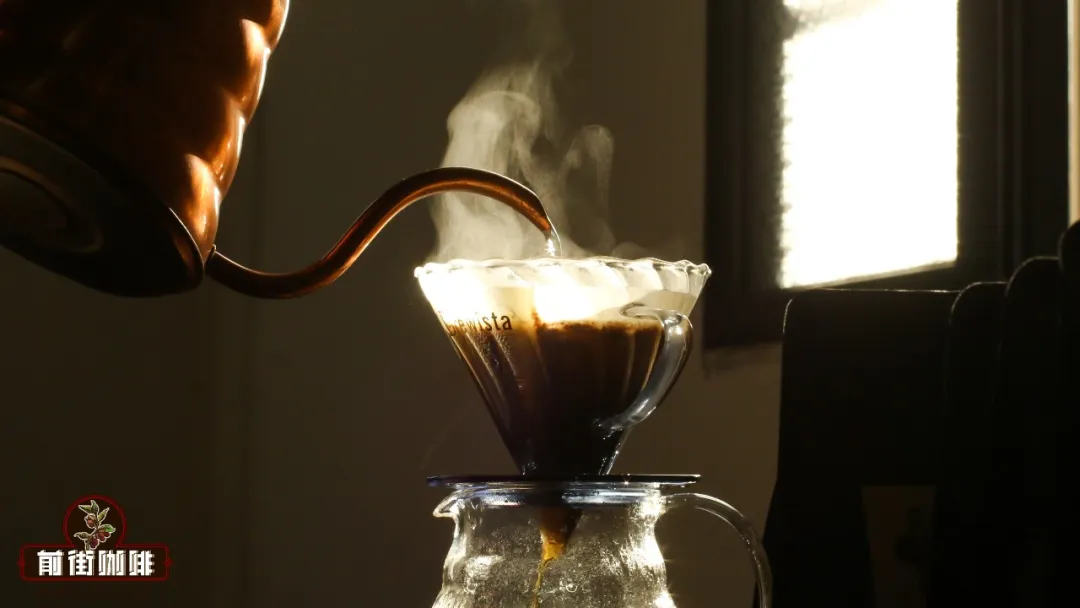
The second method also belongs to the operational level, namely controlling the flow rate when pouring water. Everyone can try it personally: different pouring speeds will bring different extraction durations. The faster the pouring, the shorter the coffee extraction time; the slower the pouring, the longer the extraction time will be accordingly.
3. Changing Filter Paper
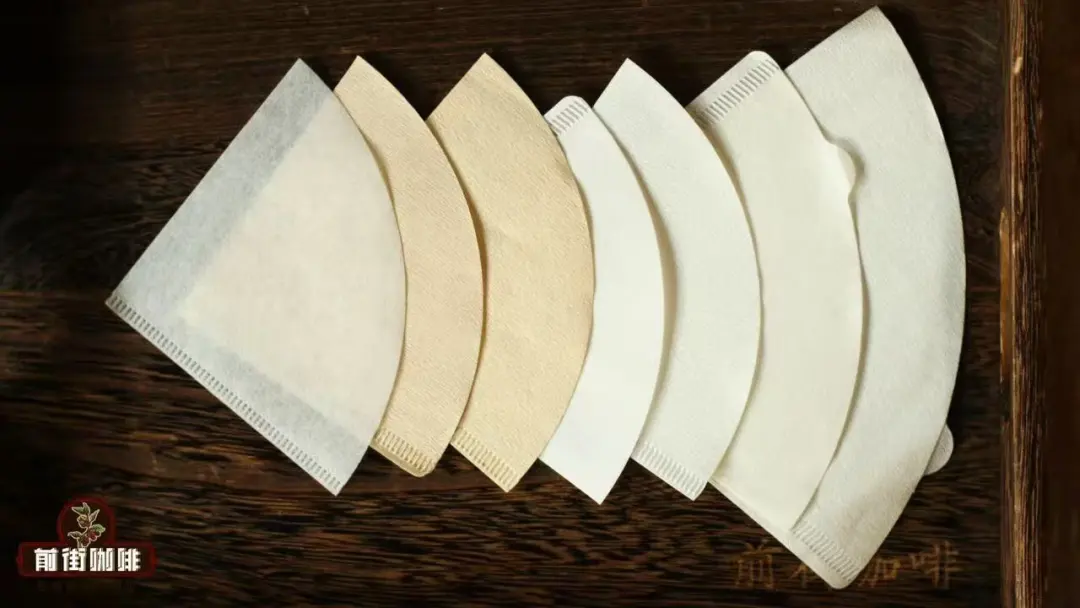
Adjusting flow rate by changing filter paper is also a good choice. As everyone knows, the differences between different filter papers can be described as worlds apart. Different materials lead to different flow rates and performance; even with the same material, differences in production techniques may also cause huge changes in flow rate. Therefore, filter papers also have "fast flow" and "slow flow" types. If you want to adjust the flow rate, changing the filter paper is worth a try.
4. Changing the Dripper
Of course, if you have enough drippers on hand, changing the dripper can also change the flow rate. Drippers of different designs will have obvious differences in drainage speed. For example, when brewing coffee beans of different roast levels, Front Street will choose different drippers, precisely for the purpose of adjusting flow rate while keeping other variables unchanged.
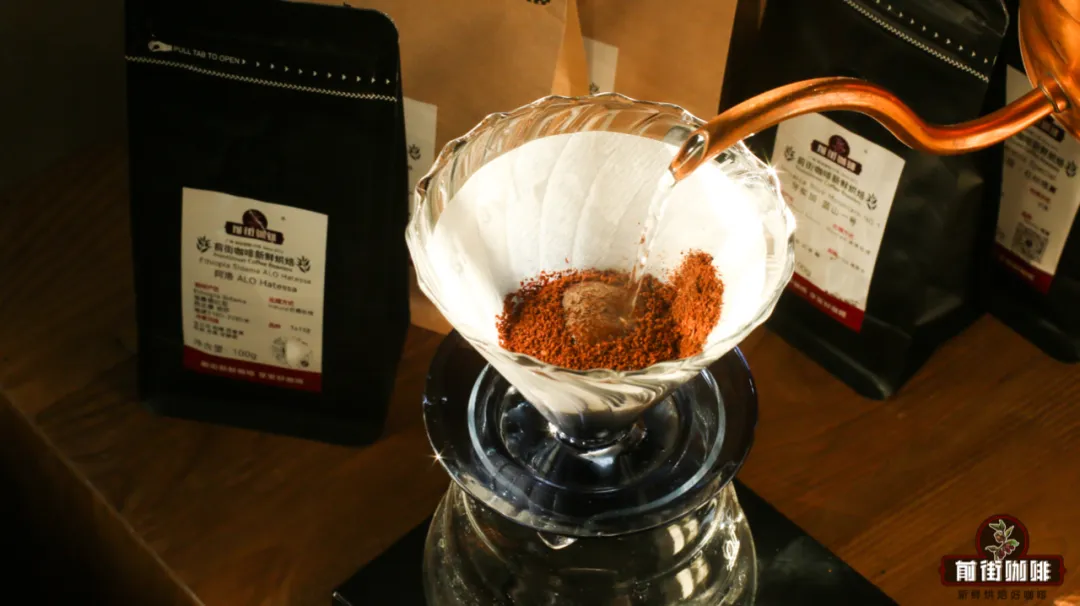
Judging whether a dripper's flow rate is fast or slow is actually very simple; it mainly depends on the design of the guide ribs on the inner wall and the bottom filter holes. The longer, more numerous, and more prominently raised the guide ribs are, and the more numerous and larger the bottom holes are, the faster the dripper's drainage speed; conversely, the slower it is. When brewing coffee beans with slower drainage, Front Street will choose the V60 dripper. It has a large number of guide ribs and a relatively large-diameter bottom hole, and its drainage speed is very fast. Here, take Front Street Grana Geisha from Front Street's bean list as an example.
Front Street Grana Geisha is a medium-light roasted Ethiopian heirloom Geisha with rich fruit flavors and very high cost-effectiveness. When brewing with the V60, the parameters Front Street uses are: 15g coffee dose, 1:15 coffee-to-water ratio, grind size with 75%~80% passing through a No. 20 sieve, water temperature 91°C~93°C, three-stage pouring, extraction time 2 minutes.
If brewing coffee beans with a darker roast level or faster drainage speed, Front Street will instead switch to the slow-flow Kono dripper. Here, take the world-class dark roast representative from Front Street's bean list—Front Street PWN Golden Mandheling—as an example. Front Street PWN Golden Mandheling can be called the top choice among Mandheling beans. After deep roasting, it presents rich chocolate, nut, and caramel aromas, with a very mellow mouthfeel and strong sweet aftertaste. When brewing with the Kono dripper, Front Street's parameters are as follows: 15g coffee dose, 1:15 coffee-to-water ratio, grind size with 70%~75% passing through a No. 20 sieve, water temperature 86°C~89°C, three-stage pouring, extraction time 2 minutes.
The above is all the content Front Street is sharing this time. Of course, there are far more ways to adjust flow rate than these. For example, using certain small brewing tools to change the structure of the coffee bed is also feasible. Everyone can explore slowly; there are many ways to play, definitely not limited to grind size alone.
- END -
The above content is compiled by CoffeeHunters, a coffee news website.


