







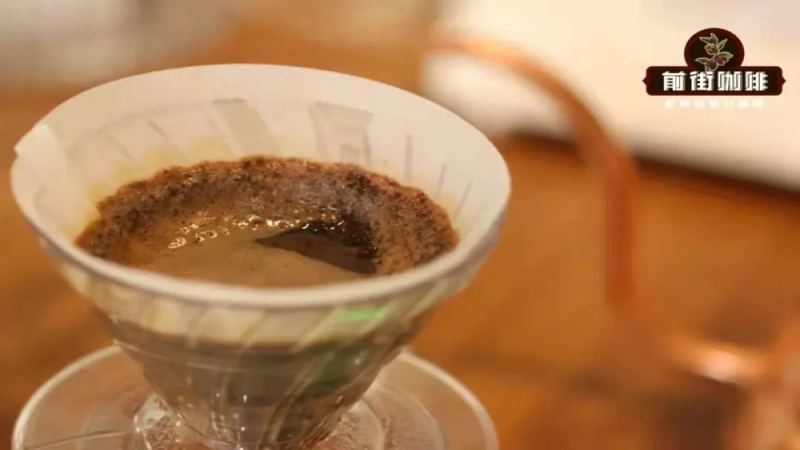
Why Does Panama Geisha Clog During Pour-Over Brewing?
Pour-over Panama Geisha can slow or clog because the beans are typically light-roasted, hard and dense. If the coffee has not rested long enough, residual carbon dioxide escapes when water is added, churning fine particles that block the filter paper pores. Grinding too fine, mismatched filter paper and dripper, and pouring technique can each restrict flow as well.
Practical fixes include extending the resting period or adding an extra bloom so gas escapes fully. Coarsen the grind by one to two notches for Geisha and check whether grinder burrs are worn, since they produce extra ultra-fine particles. For geisha coffee, choose filter papers and a dripper whose depth and flow channels allow water to pass evenly rather than pooling on a muddy bed.
Panama Geisha is prized by coffee enthusiasts for its delicate floral and fruity aromas, but during pour-over brewing, the flow rate can suddenly slow down or even clog completely, catching people off guard. Drawing on Front Street's practical experience, this article systematically outlines several common causes of Geisha coffee pour-over clogs, including the characteristics of the coffee beans themselves, grind size selection, filter paper and dripper compatibility, and pouring technique, and offers specific, actionable solutions for each situation. Whether you're a beginner just getting to know Geisha or a seasoned brewer looking to refine your craft, you'll find practical methods to restore smooth flow and fully release the flavors.
Why does Geisha coffee clog during pour-over brewing? Front Street has summarized several common scenarios.
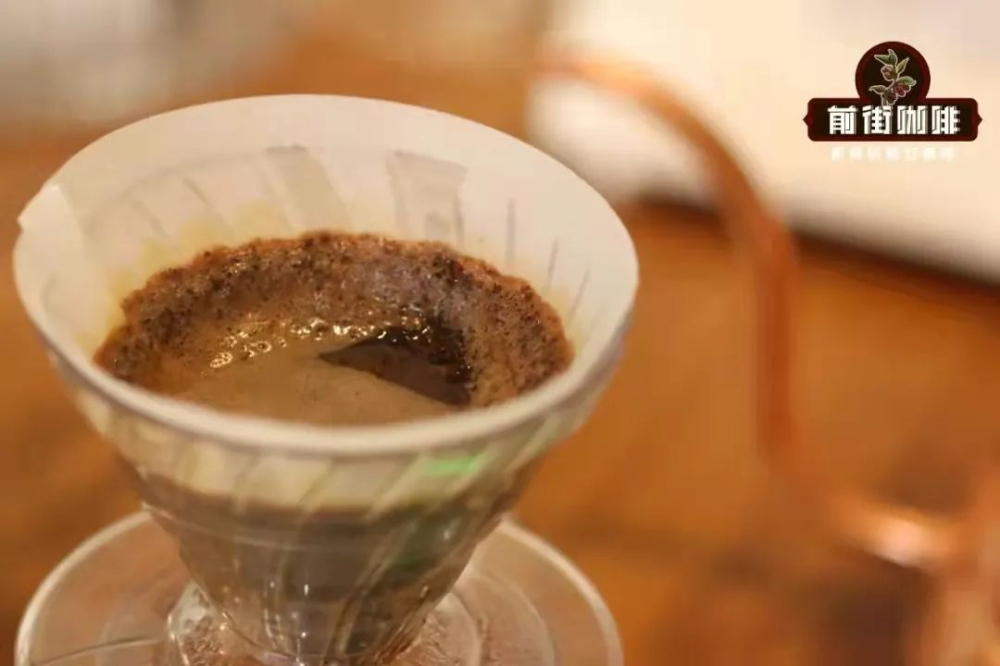
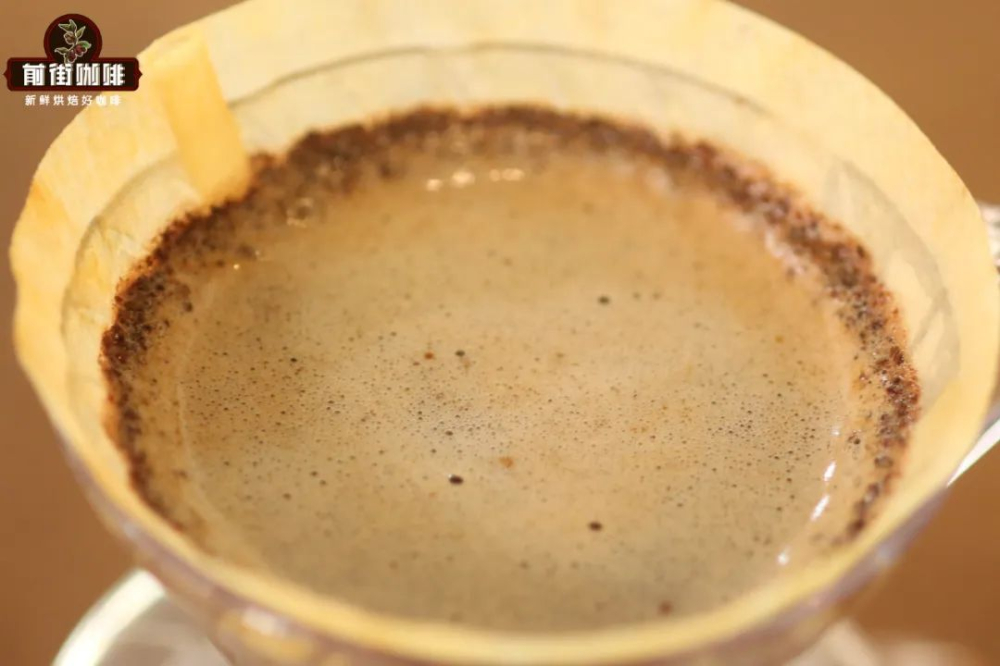
The first possibility is factors related to the coffee beans themselves. Panama Geisha is typically light-roasted, with hard beans and relatively high density. If the resting period is insufficient, residual carbon dioxide inside the beans is released in large amounts after water is added, and fine particles churn up with it, easily clogging the filter paper pores and causing the water to drain very slowly. Front Street recommends extending the resting period in such cases, or performing an extra bloom before brewing to allow the gas to fully escape.
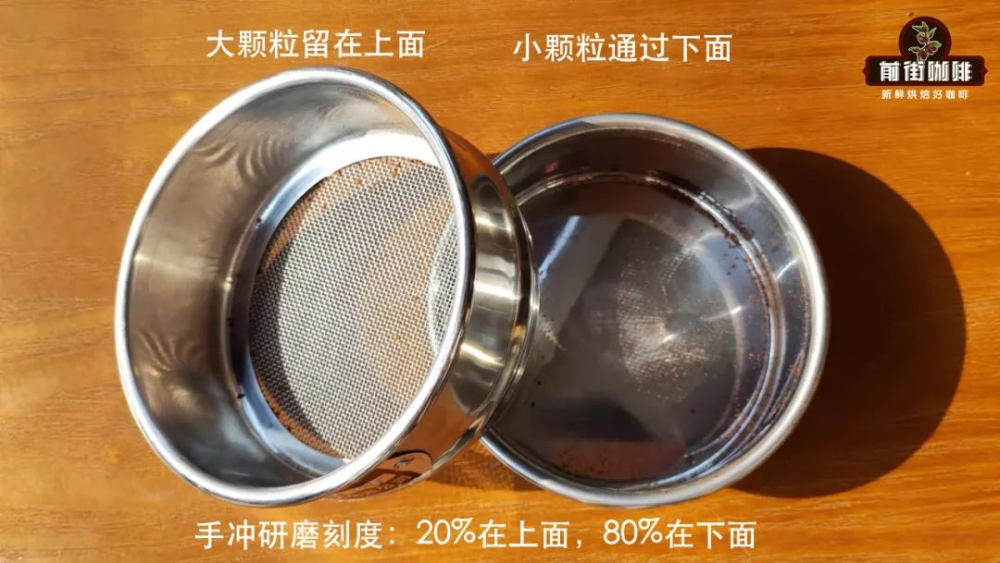
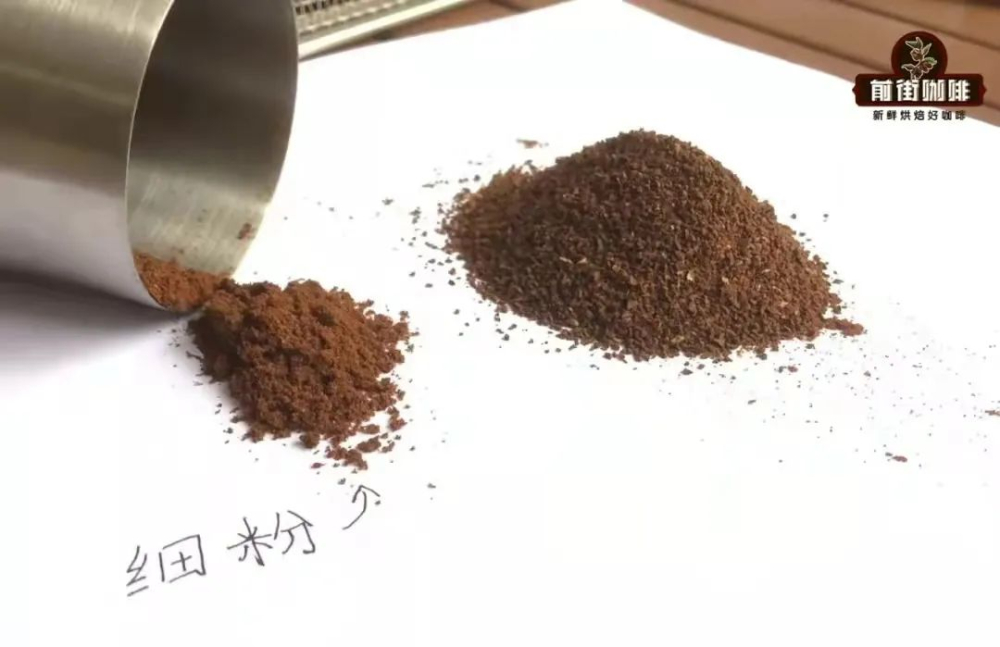
The second common cause is too fine a grind. Geisha has delicate flavors, and many people instinctively grind finer in hopes of extracting more aroma, but overly fine particles quickly settle at the bottom of the filter paper, forming a dense, muddy barrier layer that water naturally struggles to pass through. Front Street's approach is to coarsen the grind by one to two notches for Geisha, while also checking whether the grinder burrs are worn to avoid producing excessive ultra-fine particles.
The third situation relates to the combination of filter paper and dripper. Filter papers from different brands vary significantly in thickness and fiber density. If you use a filter paper with pores that are too small, paired with a dripper that has shallow flow channels, the drainage pathways are already limited, and with Geisha's higher proportion of fine particles, the probability of clogging rises sharply. Front Street recommends choosing a dripper with deeper ribs and smooth airflow, paired with a filter paper of the corresponding size, so that both air and water have enough room to pass through.
The fourth cause comes from pouring technique. If the water stream is too forceful or the circling too fast, the coffee bed gets pushed to the edges of the filter paper, causing localized buildup, and fine particles are forced toward the bottom, creating a clog. Front Street typically uses a slow, small stream with gentle circling to keep the coffee bed flat and avoid excessive disturbance. If a clog has already occurred, try gently shaking the dripper, or use a stir stick to loosen the surface of the coffee bed to help the water find a new channel.
Additionally, water quality and temperature can indirectly affect the flow rate. Water with excessively high hardness tends to bind with compounds in the coffee, increasing the stickiness of fine particles; water that is too low in temperature may cause oils to solidify, worsening the clog. Front Street generally recommends using purified water with moderate total hardness and keeping the water temperature between 88 and 92 degrees Celsius.
Finally, if the clog persists after ruling out the above factors, it's worth checking the freshness and storage of the coffee beans. Beans that have absorbed moisture or oxidized tend to clump after grinding, which also slows drainage. Front Street's experience is to use Geisha within two weeks of opening the bag and store it sealed and away from light to maintain smooth brewing performance.
The above content is compiled by CoffeeHunters, a coffee news website.


