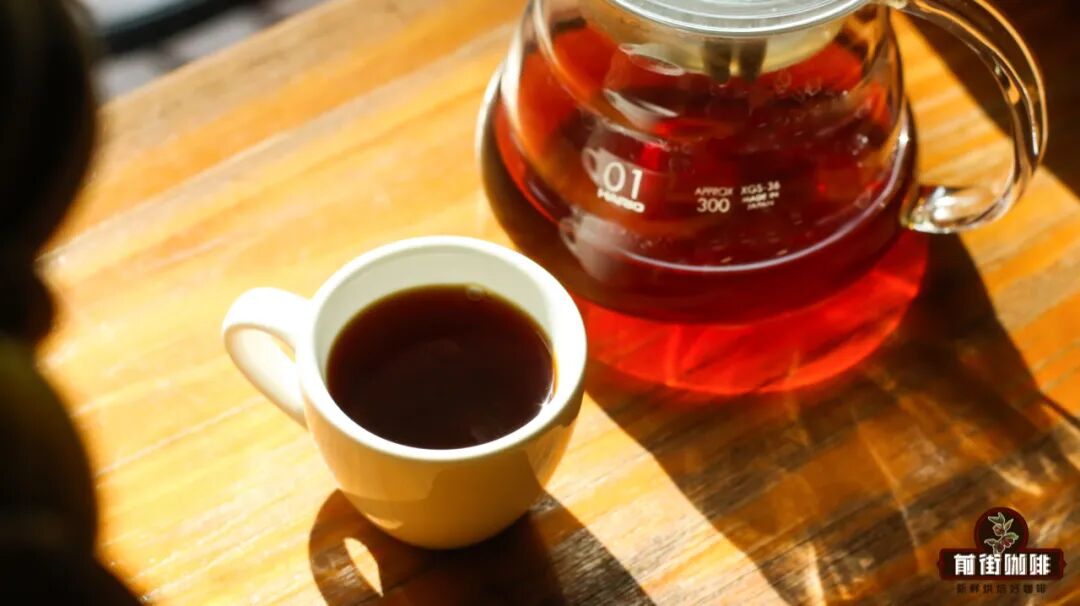
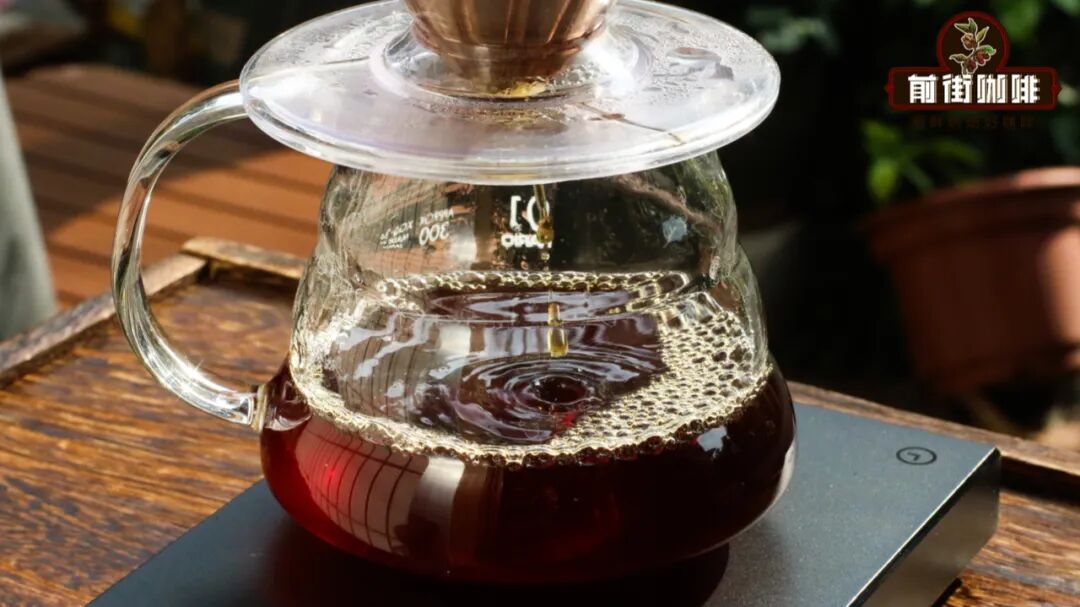
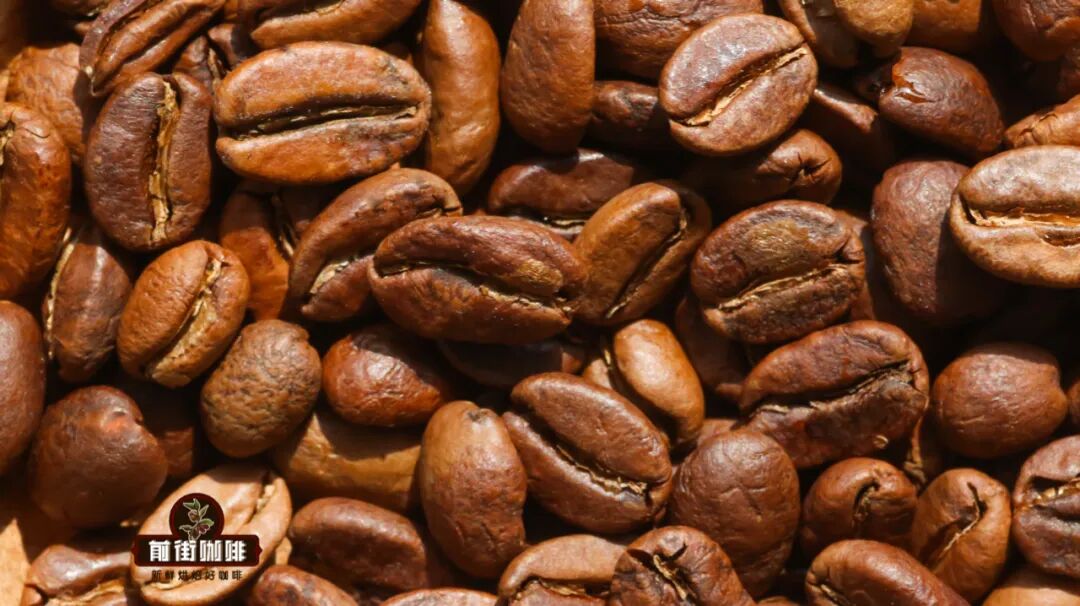
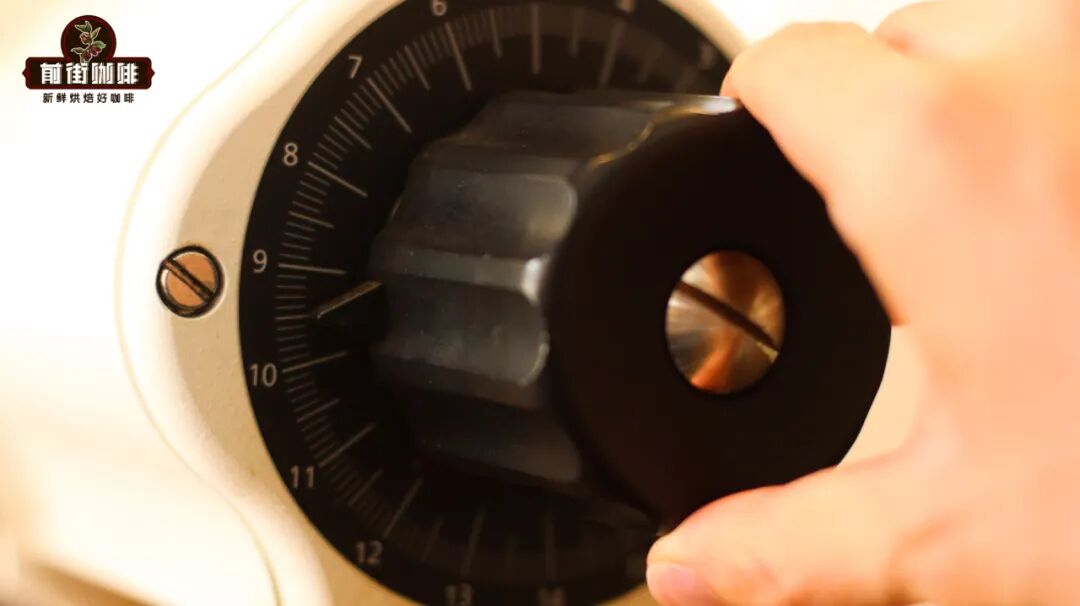
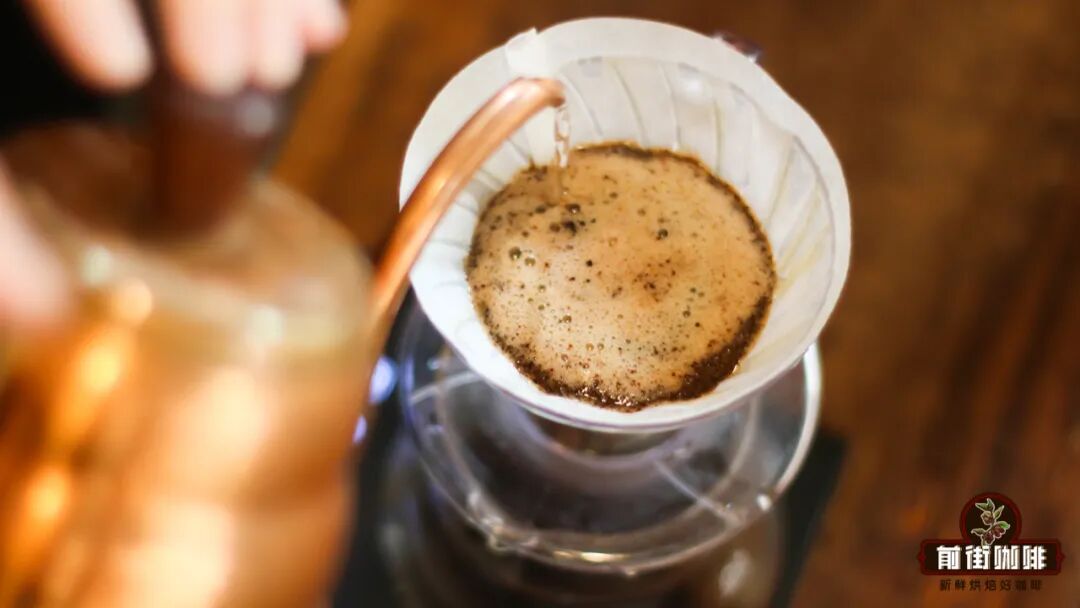
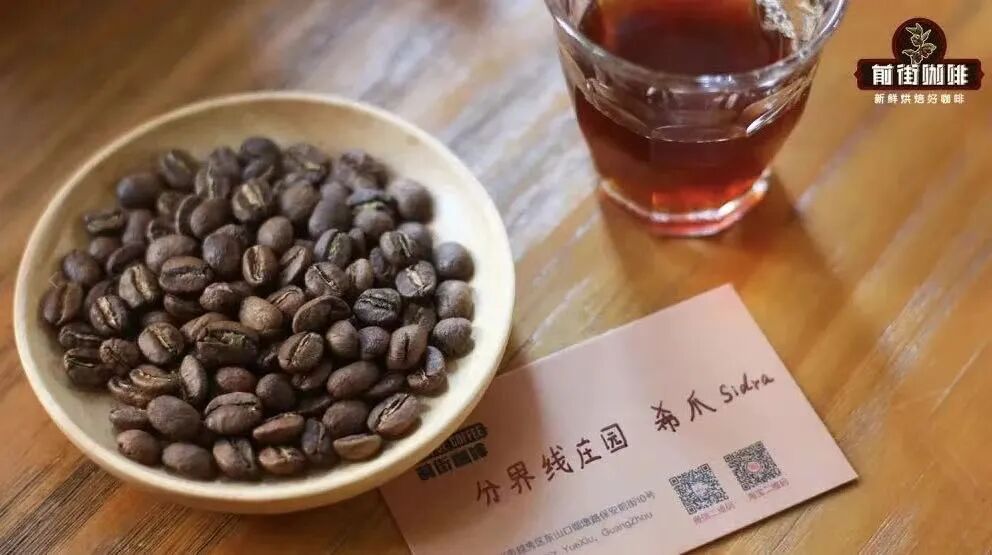
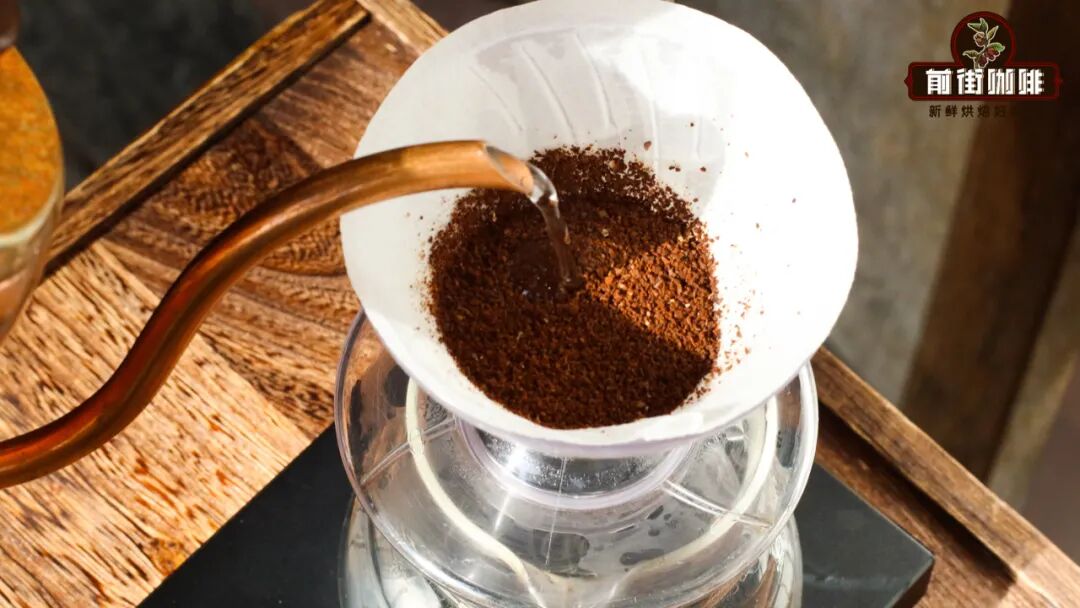
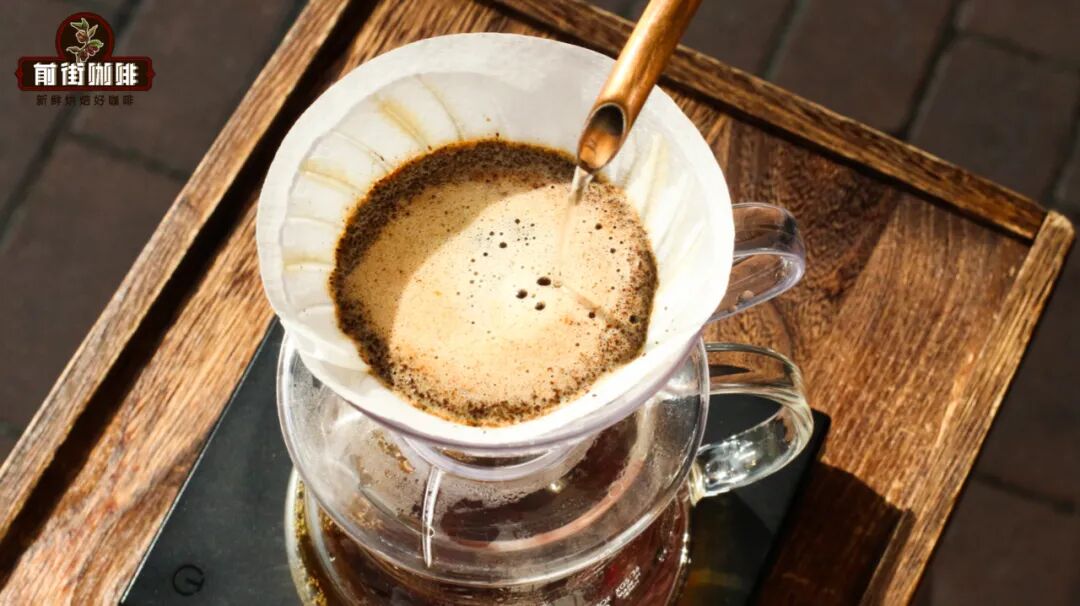
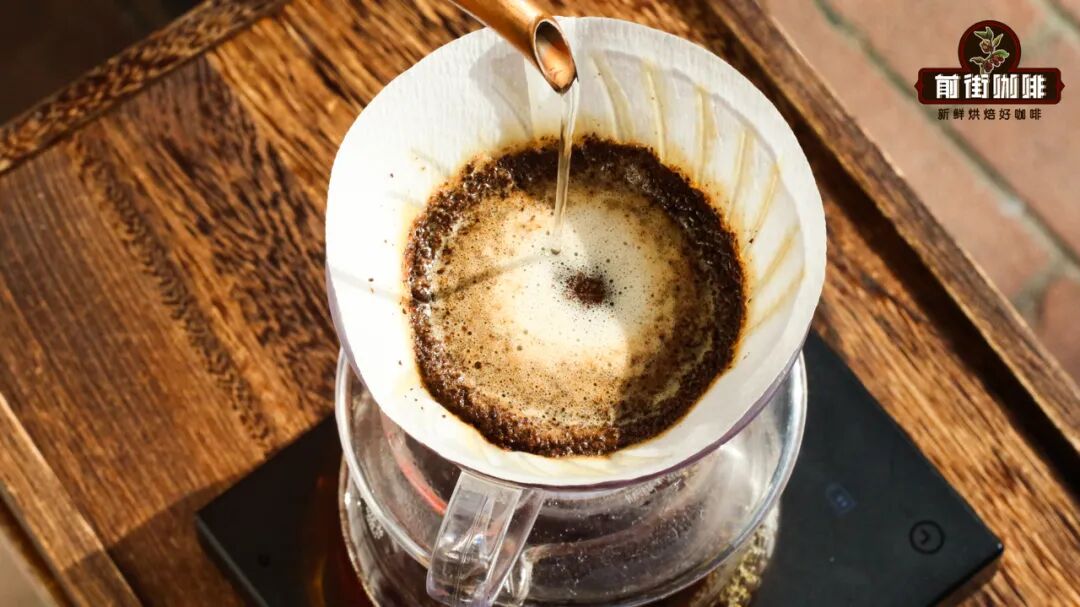
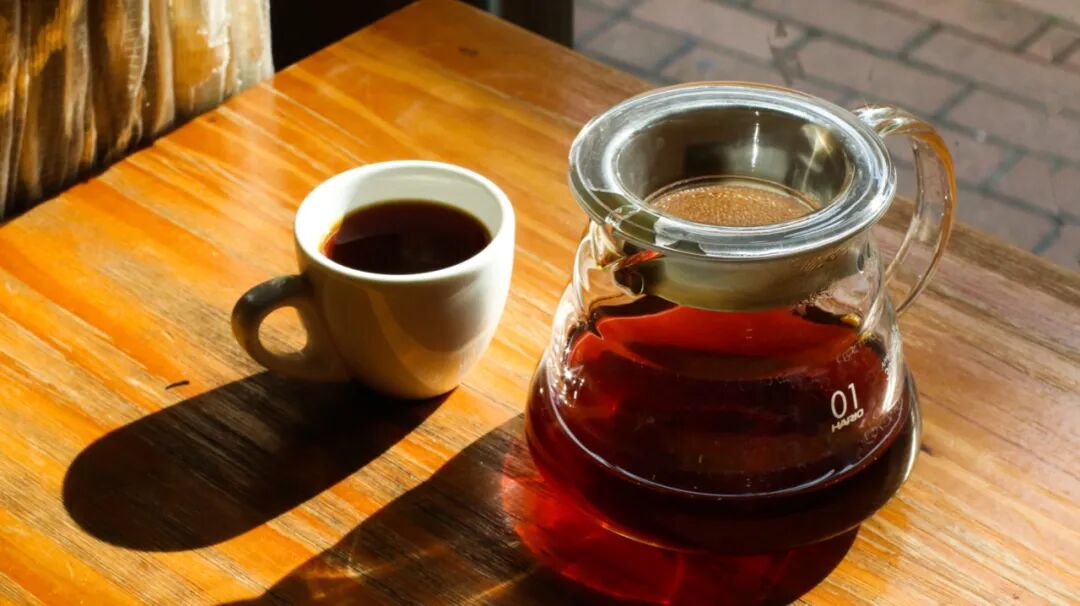
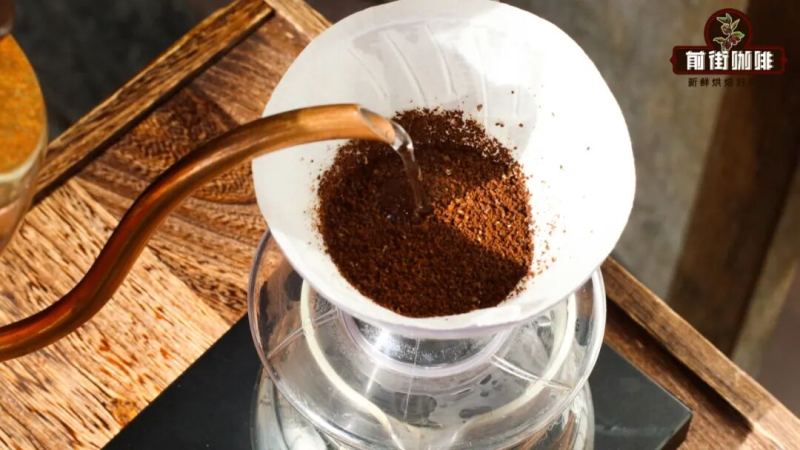
Compared to other conventional processing methods, anaerobically processed coffee beans usually possess a more intense and more distinctive flavor.(Most), because their degree of fermentation tends to be deeper. For example, the Front Street 90+ Eleta on the Front Street bean list has obvious longan, spice, and citrus flavors, or the Front Street Finca El Diviso · Big Belly, which has obvious blackcurrant and blueberry flavors.Although anaerobically processed coffee has outstanding flavor performance, brewing it well is not a simple matter. As Front Street has always shared, because the structure of anaerobically processed coffee beans differs from conventional ones, many friends find that when they apply conventional coffee bean brewing methods, the resulting coffee is often unsatisfactory.Either the body is thin, or theflavor is flat. In short, the brewed coffee is a bit far from being delicious. So today Front Street will share with everyone how to brew a good cup of anaerobically processed coffee~Grind size for anaerobic coffeeThe main reason many friends fail to brew anaerobic coffee well is under-extraction! Because of under-extraction, the coffee's concentration and extraction yield both fall short, so the body is thin and the flavor is flat. The first cause of this problem is still grinding! Most friends, when grinding anaerobically processed coffee beans, will use a conventional medium-light grind because it is a medium-light roast coffee. But in fact, anaerobically processed coffee beans need a finer grind,becausethe vast majority ofcoffee beans do not have a very strong ability to "hold" water.Front Street believeswhen brewing them dailyeveryone has noticed that anaerobically processed coffee has a faster drainage speed during brewing, and the water poured into the coffee bed soon all seeps out of the dripper.This is because anaerobically processed beans have a relatively loose structure. Most beans undergo long-term sugar soaking during processing, and during roasting, the attachment of sugar causes the beans to undergo a stronger caramelization reaction, so part of the bean structure becomes relatively loose, and thus its water-holding ability is not that strong.A fast drainage speed shortens the extraction time, and the coffee's extraction efficiency decreases, making it difficult to brew a full-bodied flavor. Grinding finer can greatly improve this problem. Because a finer grind gives the coffee grounds more surface area exposed to water, the dissolution rate of flavor compounds speeds up. At the same time, the drainage speed is also slowed because the gaps between the coffee grounds become smaller—killing two birds with one stone.So when Front Street brews anaerobically processed coffee beans, it uses a grind one step finer than for conventionally processed coffee beans. For example, when brewing the medium-light roasted Huakui, Front Street uses a setting of 10, while when brewing the anaerobically processed Sidra, it uses a grind setting of 9.5.Water flow when brewing anaerobic coffeeBesides grind size, the flow rate during brewing is also something we need to adjust. There are two reasons: the first is that the flow rateaffects the drainage speed. The larger the flow we use during brewing, the faster the water is poured in, and the drainage speed will be a bit faster, and vice versa. So we need to use a small flow to extend the extraction time, so that the coffee can be more fully extracted—this is hard to achieve by only adjusting the grind finer.The second is that the coffee bed of anaerobic coffee is harder to raise. When we use a large flow, it easily overtops the coffee bed and produces bypass water. So when brewing anaerobic coffee, appropriately lowering the pouring rate can also make the thin-body situation less likely to occur~Coffee-to-water ratio when brewing anaerobic coffeeWe can often smell savory notes like "soybean paste" or "fermented black beans" on some heavily fermented coffee beans. This is because the coffee's aroma concentration is too high and too concentrated, causing a change in the aroma produced.The book The Science of Coffee Aroma once gave an example: when a fruity aroma is not so high in concentration, we may associate it with the aroma of peaches when smelling it, but if its concentration keeps increasing, once it becomes concentrated to a certain degree, it may smell more like vomit.Because the aroma concentration value is too high, it is difficult for us to distinguish a specific aroma in detail. This is often why anaerobic coffee is hard for people to accept: the aroma concentration is too high. Whether smelling or drinking it, many friends feel resistant because of its intense fermentation and spice notes.So if you are someone whose taste is not that "heavy" and who wants the coffee concentration not to be so high, Front Street would suggest that when brewingheavilyanaerobic coffee, use a coffee-to-water ratio of 1:16 or above. Increasing the amount of water can lower the coffee's concentration, so the aroma and flavor will not be so concentrated! The coffee will not only be easier to drink, but the excellent coffee flavors will also be more easily captured.The above are some extraction parameters we need to pay attention to when brewing a coffee bean that is anaerobic, or heavily anaerobically processed. Next, Front Street will demonstrate how to brew anaerobically processed coffee beans~The coffee bean used in this sharing is the Front Street Finca El Diviso · Sidra from the bean list. It is currently the most popular heavily anaerobic coffee bean in the store, because it not only has an extremely rich flavor performance but is also super cost-effective! The extraction parameters are as follows:Coffee-to-water ratio: 1:15Grind level: Ek43 setting 9.5, 75% pass rate on a No. 20 sieve, caster sugar grindBrewing water temperature: 92°CBrewing method: three-pourThe first step of brewing is still the unchanging bloom! Use twice the coffee's weight in water for a 30-second bloom.After the bloom ends, we start pouring from the center and slowly circle outward to wet all the coffee grounds, then use a small flow in a large circle to pour the second stage of hot water. The amount of hot water to be poured in this stage is 120ml.After the hot water is poured, first observe the drainage speed. If the drainage speed is very fast, then we had better split the third stage of hot water into two pours, or pour with a smaller flow, to increase the extraction time.When the second stage of hot water has mostly seeped through, we use a small flow in a small circle to pour the third stage of hot water. This stage totals 75ml of hot water.Then we just need to wait for all the coffee liquid in the dripper to drip into the server, and we can remove the dripper and end the extraction! The total time is 1 minute 55 seconds, still a bit shorter than the extraction time for conventionally processed coffee.The Sidra brewed this way gives an obvious sweet-and-sour taste of grapes, passion fruit, and apricot as soon as it enters the mouth, accompanied by elegant floral notes and a bit of spice. The body is smooth and thick, and it can be called a cup of very full-bodied grape juice! As the temperature drops slightly,the acidity of the berries and grapes becomes brighter, and the spice and chocolate flavors begin to become obvious. The layers are very rich and changeable, making people exclaim that it is simply too satisfying!
The above content is compiled by CoffeeHunters, a coffee news website.