







Search Results for: pour-over adjustments
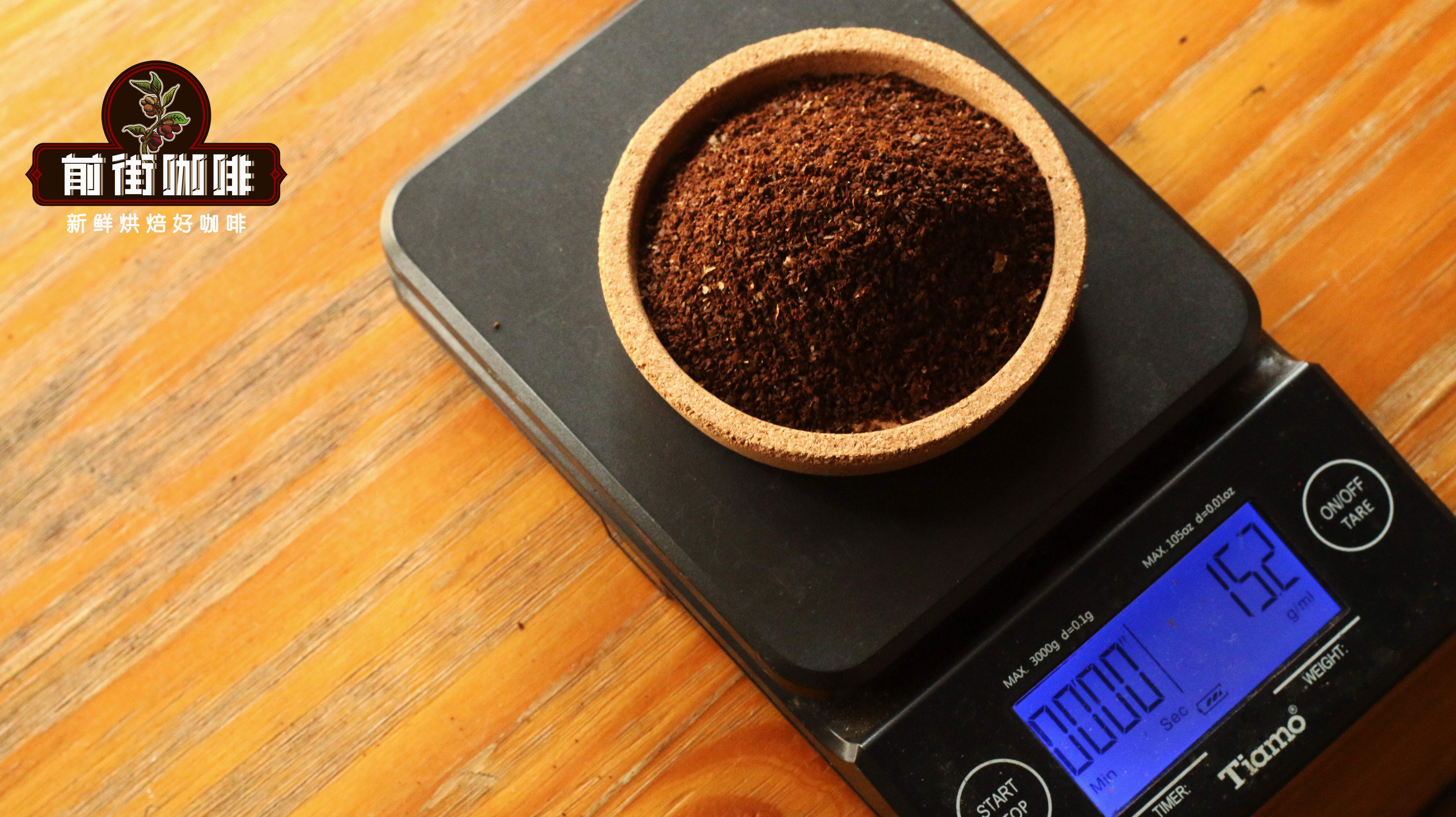
A Detailed Guide to Manual Coffee Grinder Adjustment Methods and Pour-Over Coffee Grind Size Standards
The first step in pour-over coffee often begins with grinding, and manual coffee grinders have become the choice of many enthusiasts due to their cost-effectiveness. But how should a manual grinder be used correctly? And to what degree should the coarseness be adjusted to be appropriate? In this article, Front Street Coffee will systematically explain the structural components, adjustment steps, and operating methods of a manual coffee grinder, and share how to use a 0.80mm standard sieve to determine whether the grind size for pour-over coffee is appropriate. At the same time, it will also sort out the grind coarseness patterns corresponding to different brewing methods, as well as the effects of key parameters such as the coffee-to-water ratio, water temperature, and extraction time on flavor. Finally, using Panama Diamond Mountain coffee beans as an example, it will fully demonstrate a three-pour pour-over process to help readers master the coordination between grinding and brewing in practice. [more…]
A Guide to Adjusting the Grind Size on a Manual Coffee Grinder and a Detailed Explanation of Pour-Over Coffee Brewing Parameters
Want to make a delicious pour-over at home? Controlling the grind size is often the first hurdle. Compared to expensive electric grinders, manual hand grinders have become the top choice for many enthusiasts just starting out, but how to correctly adjust their grind size parameters is something many people aren't clear about. In this article, Front Street Coffee starts with the disassembly steps of a manual hand grinder, explains one by one the relationship between the rotation direction of the adjustment screw and the grinding effect, and provides the grinding standards corresponding to different brewing methods. At the same time, combining variables such as the coffee-to-water ratio, water temperature, and extraction time, we use Panama Diamond Mountain coffee beans for a complete brewing demonstration to help readers build a replicable brewing approach. [more…]

Iced Pour-Over Coffee Brewing Guide: A Practical Guide to Coffee-to-Water Ratio, Ice Amount, and Grind Size Adjustment
On a hot summer day, a glass of iced pour-over coffee is the refreshing first choice for many coffee lovers. But many people find that when they make it at home or in the office, the flavor always seems thin and watery. This article sorts out three key details of iced pour-over coffee: adjusting the coffee-to-water ratio, calculating the ratio of ice to brewed coffee, and subtle changes in grind size, along with alternative solutions for common problems such as grinder limitations and too many fines. At the same time, according to different flavor preferences, it recommends a variety of beans suitable for iced brewing, including Front Street Coffee Fruit Ding Ding, Front Street Coffee Strawberry Candy, Front Street Coffee Xizhua, Front Street Coffee 2013 Sun-Dried Typica, Front Street Coffee Bird of Paradise, Front Street Coffee PWN Golden Mandheling, and Front Street Coffee Queen's Estate, helping you consistently make a delicious glass of iced pour-over in summer. [more…]

Coffee Grinder Settings Guide: Hand Grinder Disassembly and Pour-Over Grind Standards
Grind size is one of the core variables affecting coffee flavor. This article starts with the structure of a manual coffee grinder, gradually explaining how to disassemble it and adjust the grind adjustment screw, and, combined with the hands-on experience of Front Street Coffee, provides grind size standards for different brewing methods. At the same time, the article also shares a method for judging whether the grind is appropriate using a 0.80 mm standard sieve, as well as reference suggestions for pour-over parameters such as the coffee-to-water ratio, water temperature, and extraction time. Finally, using Panama Diamond Mountain coffee beans as an example, it demonstrates a complete three-stage brewing process to help readers put theory into daily practice. [more…]
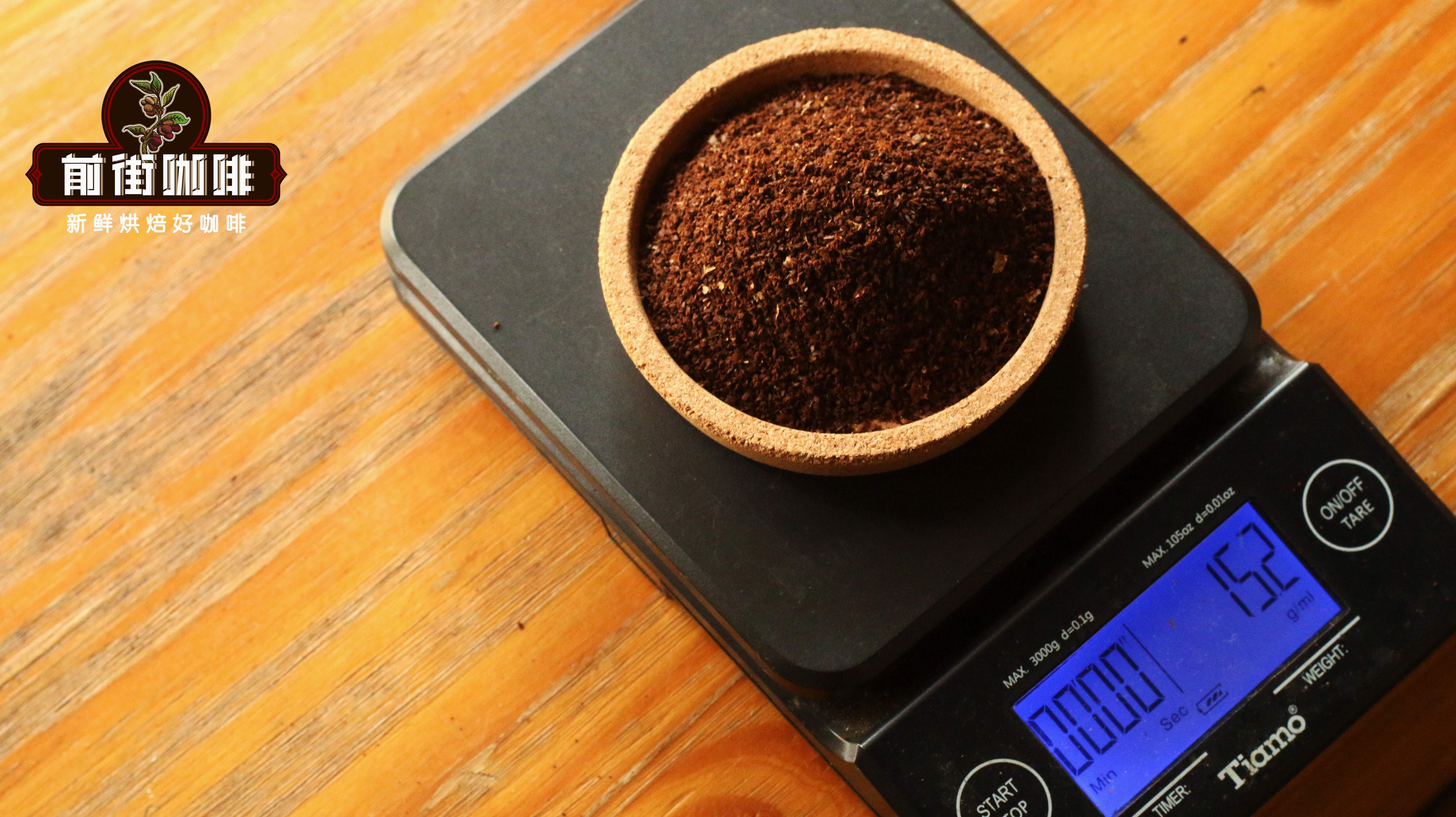
How to Use a Coffee Grinder | How to Adjust the Grind Size on a Manual Coffee Bean Grinder? What Grind Size for Pour-Over, Ice Drip, Cold Brew, Siphon, Moka Pot, and American Drip Coffee?
We all know that different coffee beans require different grind sizes. When making pour-over coffee, you need to grind the coffee beans into powder first, and then brew. So every coffee shop has an electric coffee grinder, but electric grinders are also quite expensive, so many coffee enthusiasts consider manual ones. [more…]

Pour-Over Coffee Strength Adjustment Techniques: How Coffee-to-Water Ratio and Parameter Adjustments Affect Flavor Expression
The most direct way to adjust the strength of pour-over coffee is through the coffee-to-water ratio. If you want a bolder cup, reduce the amount of water poured; if you prefer something lighter and more refreshing, simply increase the water. However, changing the coffee-to-water ratio doesn't just affect concentration—it also shifts the extraction yield. Within the parameters recommended by Front Street Coffee, 1:15 to 1:16 works for most coffee beans: 1:15 gives a solid body and full flavor, while 1:16 is lighter and more layered. If you're brewing a dark roast and want it stronger, jumping straight to 1:13 may lead to under-extraction and a missing finish—this is where grind size and water temperature come in to help. This article will systematically sort through various approaches to adjusting concentration, including coffee-to-water ratio, grind coarseness, water temperature changes, and the By Pass technique, to help you find the balance point across different roast levels. [more…]

How to brew iced pour-over coffee so it isn’t weak? Master the universal ratio and grind adjustment techniques
On a scorching summer day, a refreshing glass of iced pour-over coffee is undoubtedly the top choice for cooling down and recharging. But many people who try iced pour-over at home often run into the problem of the coffee tasting thin and bland after being diluted by the ice cubes. In fact, all you need is a simple universal formula—a coffee-to-water ratio of 1 part grounds to 10 parts hot water plus 5 parts ice—and then, following proper extraction logic, grind a bit finer, and you can easily make a glass of iced pour-over with both good strength and flavor. This article will break down in detail the principles behind adjusting iced pour-over parameters, the three-pour technique, and the convenient "one-pour iced pour-over" method developed by Mr. Tetsu Kasuya, so you can reliably replicate café-quality iced coffee at home. [more…]
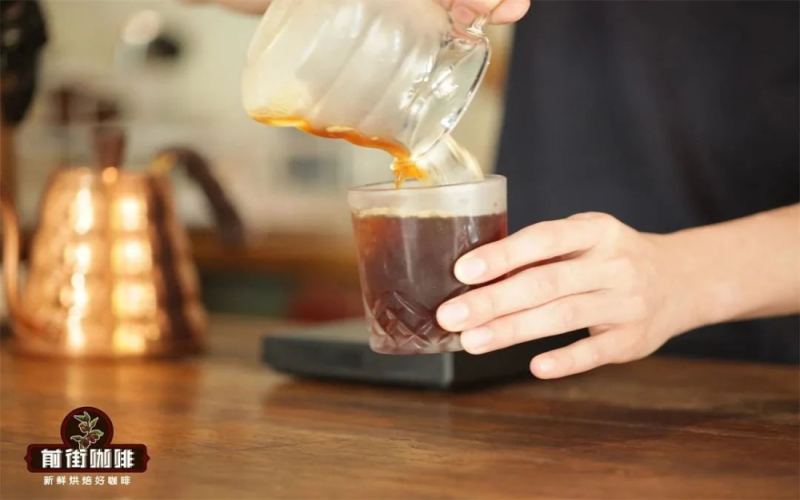
Iced Pour-Over Coffee Parameters Explained: A Complete Guide to Coffee-Water-Ice Ratios, Grind Adjustment, and Pouring Rhythm
The biggest difference between iced pour-over and regular hot pour-over is the introduction of ice as a variable. Ice does not participate in the extraction, so it is necessary to rebalance the grind size, coffee-to-water ratio, and pouring technique. Through brewing practice with multiple beans, Front Street Coffee has summarized an easy-to-control approach of a 1:10–1:12 coffee-to-water ratio and a 1:5 coffee-to-ice ratio. Taking 15 grams of coffee as an example, that means 150 grams of water and 75 grams of ice. The grind size needs to be adjusted finer to compensate for the shortened extraction time. When pouring, reduce the flow rate and increase the number of pours, keeping the total time between 1 minute 40 seconds and 1 minute 50 seconds. In terms of bean selection, light-to-medium roasted flavor-focused coffees better showcase the refreshing quality of iced brewing, while dark-roasted beans tend to produce a thinner mouthfeel and reduced balance. [more…]
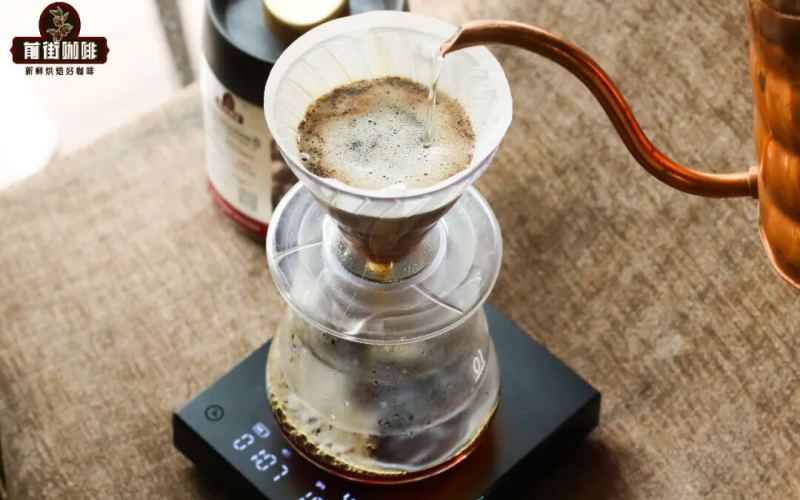
Pour-Over Coffee Tasting | Why Not Add Ice Directly to Hot Pour-Over Coffee? How to Adjust Brewing Parameters for Iced Pour-Over?
Many friends, when ordering pour-over coffee in a café, will prioritize the hot brew method, because as everyone knows, if we want to experience a relatively complete flavor profile in pour-over coffee, then hot brewing is absolutely the best choice. But when the weather is too hot, we always find it hard to [more…]
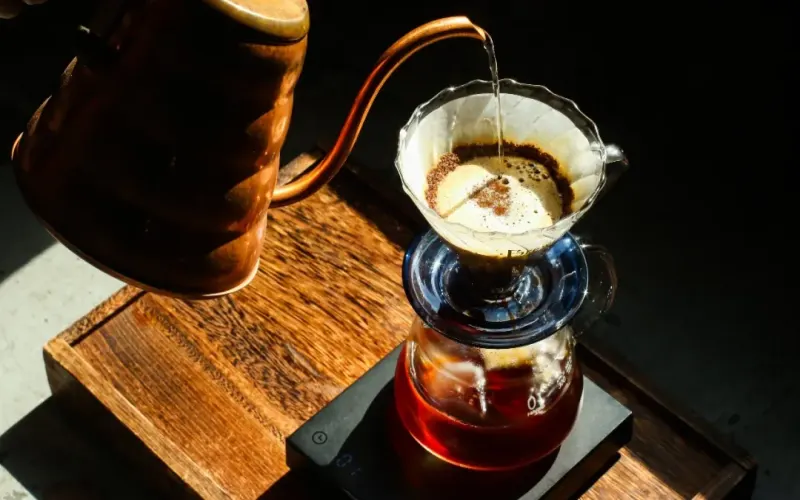
How to Adjust Iced Pour-Over Coffee Parameters? A Full Breakdown of Water Temperature, Ratio, Grind Size, and Bean Selection
Iced pour-over coffee is not simply about pouring hot coffee over ice cubes; it requires targeted adjustments in the coffee-to-water ratio, grind size, water temperature, and pouring method, otherwise it is very easy to end up with a brew that tastes as weak as ice water. Starting from Front Street's hands-on experience, this article first explains the root cause of flavorless iced pour-over—both concentration and extraction yield are too low—and then explains one by one how the parameters change as the water amount is reduced: the coffee-to-water ratio is tightened from 1:15 for hot brewing to 1:10, the grind is made finer by 1–2 settings, the passing rate through a No. 20 sieve increases by about 5%, and staged pouring is used to extend the extraction time to make up for the loss of efficiency caused by the reduced water amount. The article also gives direction on bean selection: natural and anaerobic processing suit rich flavors, while washed processing suits a fresh and clean taste, and it includes Front Street's complete iced pour-over recipe for Ethiopia Hamashu for reference. [more…]
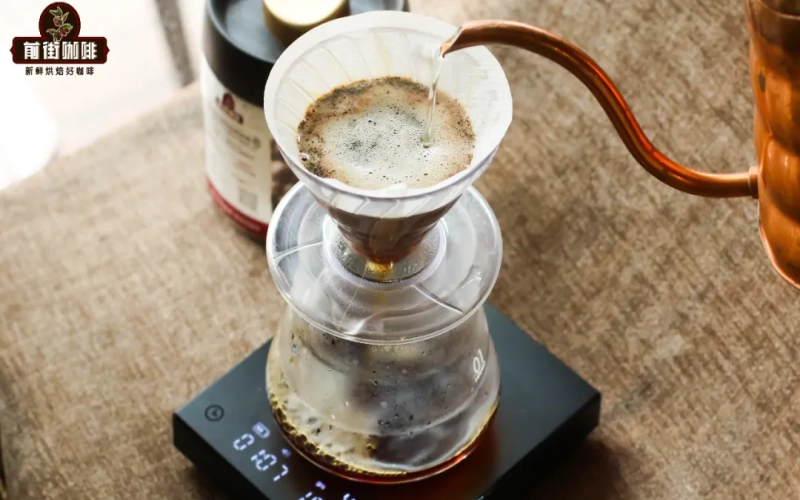
Is It Feasible to Add Ice Cubes Directly to Hot Pour-Over? Analyzing Iced Coffee Parameter Adjustments and Grind & Water Temperature Optimization
On a scorching summer day, when you crave iced coffee but don't want to give up the full flavor, many enthusiasts consider brewing hot coffee first and then adding ice to cool it down. While this method is feasible, it tends to make the coffee taste weak. This article uses a real test case of Front Street Coffee's Finca Diviso·Geisha to illustrate how the concentration drops from 1.49% to 1.09% before and after adding ice to a hot pour-over, as well as the noticeable decline in taste and flavor. At the same time, the article also offers adjustment ideas for iced pour-over: change the grind size from a 20-mesh sieve passing rate of 75%~80% to 80%~85%, change the coffee-to-water-to-ice ratio to 1:10:6, and keep 15g of coffee, 92°C water temperature, a three-stage pour, and a 2-minute extraction. This way, you can achieve a refreshing taste while retaining flavors such as grape, passion fruit, and apricot, presenting a full-bodied juicy mouthfeel. [more…]
How to Properly Brew Kopi Luwak Coffee Beans? A Detailed Guide to Pour-Over Equipment, Water Temperature Control, and Flavor Adjustment Techniques
As one of the most expensive coffees in the world, the way Kopi Luwak is brewed directly affects how its final flavors are expressed. To preserve its unique aroma, the coffee beans are usually packaged individually with nitrogen, and the production process is intricate and rigorous. To truly savor the essence of Kopi Luwak, it is recommended to add neither sugar nor milk, allowing the coffee to present itself in its purest, most authentic state. This article will explain in detail the preparation of pour-over equipment for Kopi Luwak, the specific brewing steps, and how to adjust water temperature, grind size, and roast level according to taste, helping coffee lovers brew a high-quality cup of Kopi Luwak at home. At the same time, we will also introduce you to the origin background of Front Street Coffee's Kopi Luwak and the unique habits of the civet. [more…]
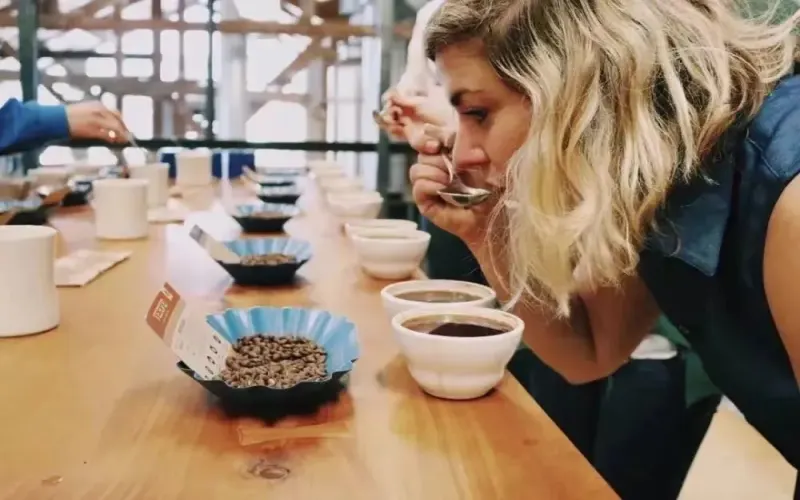
Methods for Adjusting Pour-Over Coffee Extraction Efficiency and an Analysis of Why Baristas Taste Before Serving
In the daily experience of pour-over coffee, many enthusiasts have encountered this scene: after the barista finishes brewing, they do not immediately hand the coffee to the customer, but first pour a small cup to taste it themselves. This move often confuses friends outside the circle and even coffee enthusiasts who are just starting out. In fact, this behavior is closely related to adjusting the extraction efficiency of pour-over coffee, and behind it lies the barista's logic for controlling the quality of the final product. Starting from the principle of adjusting extraction efficiency, this article will explain why baristas take a sip of the coffee before serving it, helping readers understand the true purpose behind this professional practice, while combining the practical experience of Front Street Coffee to provide coffee enthusiasts with a clearer perspective. [more…]
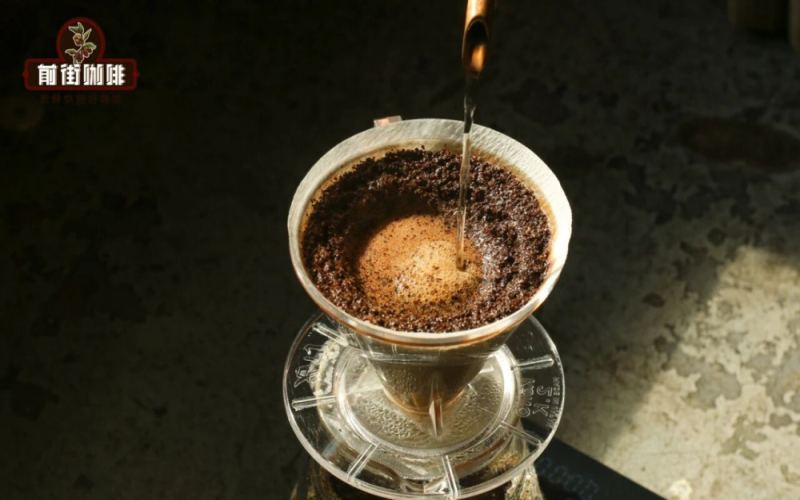
Iced Pour-Over Coffee Sweetness Extraction Techniques: Grind and Pour Adjustments Using Strawberry Candy Coffee Beans as an Example
Ice pour-over coffee often faces issues of under-extraction and weak sweetness due to a reduced coffee-to-water ratio and dilution from added ice. Starting from the principles of extraction, this article analyzes how to capture more sweet compounds in ice pour-over by adjusting grind size, the number of pouring stages, and the coffee-to-water ratio. Using Front Street Coffee's Costa Rica Strawberry Candy coffee beans as a demonstration, Front Street tested techniques such as finer grinding, increasing the number of pouring stages, and cooling over ice, ultimately achieving an iced coffee with a full-bodied flavor and clear dried-fruit sweetness. The article also explores the impact of flow rate on extraction and emphasizes that brewing recipes are not universal formulas, encouraging coffee enthusiasts to try diverse approaches. [more…]
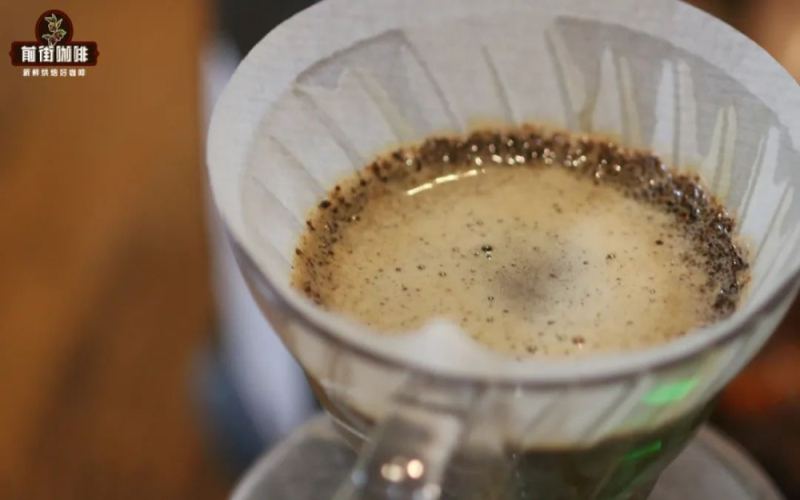
Pour-Over Coffee Grind Size 1-10 Explained: A Complete Guide to Coarseness Standards and Adjustment Methods
Grind size is the key variable that determines the success or failure of a cup of coffee's flavor. Facing the 1 to 10 settings on a grinder, which number actually represents the finest? And how should different brewing methods match grind coarseness? Starting from Front Street Coffee's hands-on experience, this article systematically sorts out the mechanisms by which grind size affects extraction efficiency, compares the grind standards for common brewing methods such as espresso, pour-over, siphon, and French press, and focuses on explaining grind recommendations for medium-light and medium-dark single-origin beans in pour-over scenarios, water temperature pairing, and how to use a 0.85mm No. 20 sieve to precisely calibrate grind size, helping coffee enthusiasts establish clear adjustment logic. [more…]
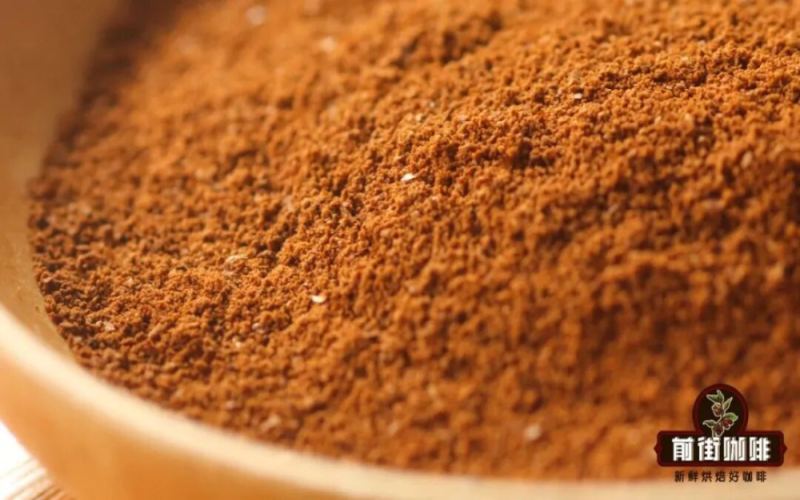
How Fine Should You Grind for Pour-Over Coffee? A Full Breakdown of Hand Grinder vs. Electric Grinder Differences
Among the many variables in pour-over coffee, grind size is a key link that determines the direction of extraction. Particle size directly affects the contact area between water and coffee grounds, which in turn influences flavor expression: too coarse leads to under-extraction, while too fine may cause over-extraction and bitterness. However, many beginners often fall into pitfalls when adjusting the grind—memorizing settings, making drastic grind adjustments, and ignoring uniformity. This article will start from the basic principles of grinding, analyze these common problems one by one, and with the help of Front Street · Little Tomato's comparative test, demonstrate the actual differences between electric grinders and hand grinders in particle distribution and flavor presentation, and finally provide purchasing advice for entry-level equipment to help coffee enthusiasts establish a scientific approach to grind adjustment. [more…]
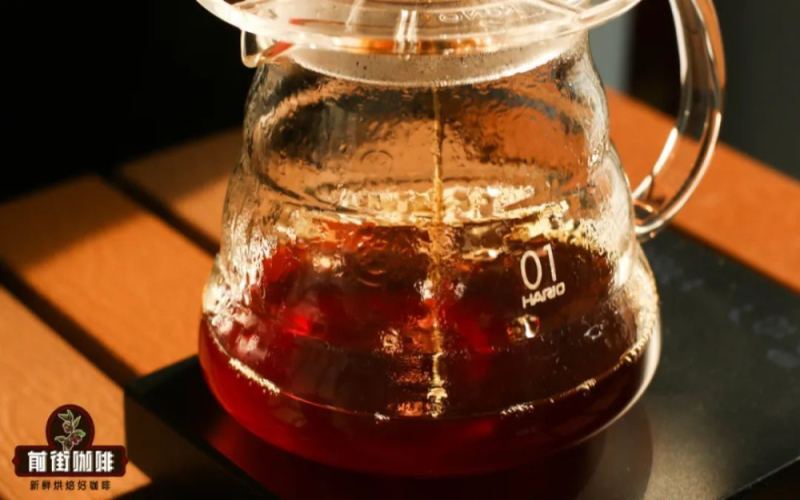
Pour-Over Coffee Strength Adjustment Guide: Key Parameters and Techniques Beyond the Coffee-to-Water Ratio
In the world of pour-over coffee, adjusting strength seems simple—want it stronger, use less water; want it weaker, use more water. However, when changes to the coffee-to-water ratio go beyond a reasonable range, the extraction yield also shifts, which in turn affects the overall flavor of the coffee. This article uses Front Street Coffee's commonly used 1:15 coffee-to-water ratio as an example to explain in detail how to adjust strength while coordinating parameters such as water temperature and grind size to avoid under-extraction or over-extraction. In addition, it introduces the simple method of diluting strength by adding water (bypass) and reminds readers of precautions during operation. Whether you are pursuing a rich mouthfeel or a light flavor, these practical tips can help you control every cup of coffee more precisely. [more…]

Four Methods for Adjusting Pour-Over Coffee Flow Rate: Pulse Pouring, Water Flow Control, Changing Filters and Drippers, and a Front Street Brewing Example
In the extraction process of pour-over coffee, grind size is often regarded as the primary means of adjusting flow rate, but in reality there are several other operational methods that can change the speed at which coffee liquid drips through. Front Street Coffee will share four practical methods: staged pouring, controlling water flow rate, changing the filter paper, and changing the dripper, and will explain in detail how the designs of different drippers affect flow rate. The article also combines Front Street Granja Geisha and PWN Golden Mandheling beans to provide specific brewing parameters for the V60 and Kono drippers, helping coffee enthusiasts flexibly adjust extraction time while keeping other variables fixed, so as to achieve the ideal flavor. [more…]
A Complete Beginner's Guide to Pour-Over Coffee: A Hands-On Tutorial from Stance and Water Flow to the Extraction Process
Pour-over coffee, with its simple operation, easy-to-manage equipment, and ability to fully showcase coffee's vibrant aromas and clean taste, has become the preferred brewing method for many enthusiasts. However, behind the seemingly simple act of pouring water lie strict requirements for details such as water temperature, extraction time, water flow rate, and blooming rhythm. This article systematically outlines the fundamental operating standards of pour-over coffee—from stance adjustment, kettle-holding techniques, and the three-part water flow practice to the complete brewing process—helping beginners build a solid foundation and gradually achieve stable, gentle extraction. [more…]
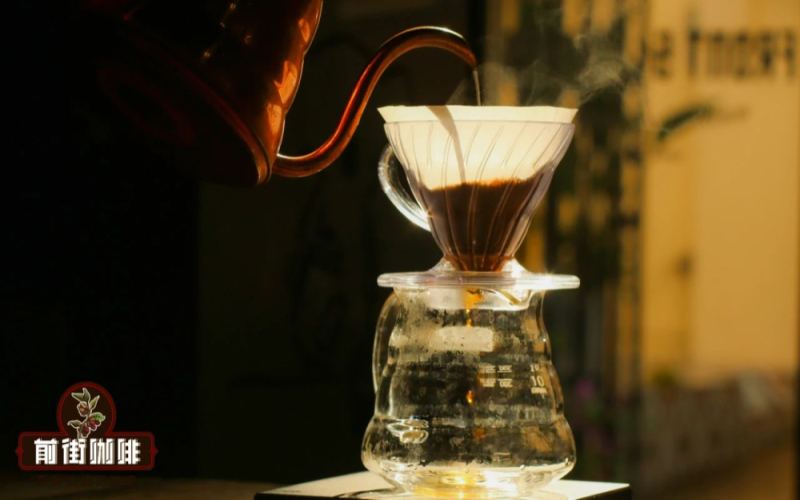
Recommended Varieties of Specialty Coffee Beans for Pour-Over | How Should Coffee Beginners Choose Single-Origin Beans for Pour-Over? What Are the Flavor Characteristics of Washed Gedeb, Golden Mandheling, and Panama Geisha When Made as Pour-Over Coffee?
More and more friends are now joining the ranks of pour-over coffee enthusiasts, and with so many coffee beans to choose from, many are once again struggling with choice paralysis. Generally speaking, the coffee beans used for pour-over coffee are single-origin beans. Single-origin beans refer to beans from a single region (from one estate/cooperative, or from multiple estates/cooperatives within a single origin). [more…]