







How Does Coffee Extraction Shape What Lands in Your Cup?
Baristas taste a small cup of pour-over before handing it over to check coffee extraction, the degree to which water pulls flavor compounds out of the grounds. If extraction runs too high, the cup tastes bitter and drying; if it runs too low, it turns thin, sour, and bland. The sip is a final quality check before the drink reaches the customer.
Grind size, water temperature, coffee-to-water ratio, pouring technique, and brew time are the main levers baristas use to hold extraction in range. Even with precise settings, roast date, plus the humidity and temperature of the room, can shift results. Tasting confirms whether the planned parameters actually delivered the intended flavor.
In the daily experience of pour-over coffee, many enthusiasts have encountered this scene: after the barista finishes brewing, they do not immediately hand the coffee to the customer, but first pour a small cup for themselves to taste. This action often confuses friends outside the circle and even coffee enthusiasts who have just started. In fact, this behavior is closely related to the adjustment of pour-over coffee extraction efficiency, and behind it lies the barista's logic for controlling output quality. Starting from the principle of extraction efficiency adjustment, this article will analyze why baristas taste a sip of coffee before serving, help readers understand the true purpose behind this professional operation, and, combined with the practical experience of Front Street Coffee, provide coffee enthusiasts with a clearer perspective.
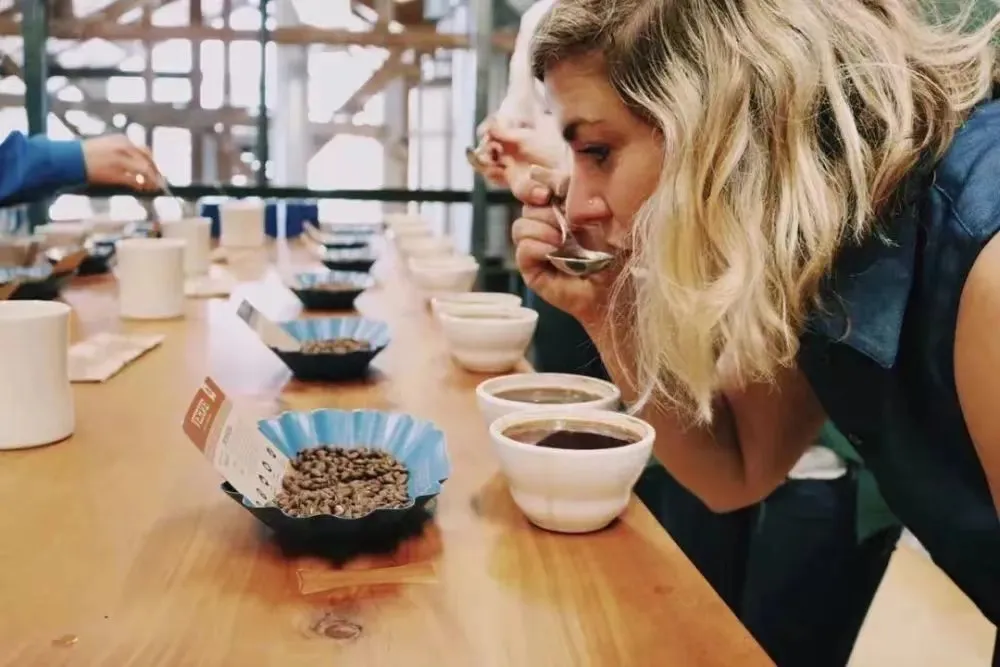
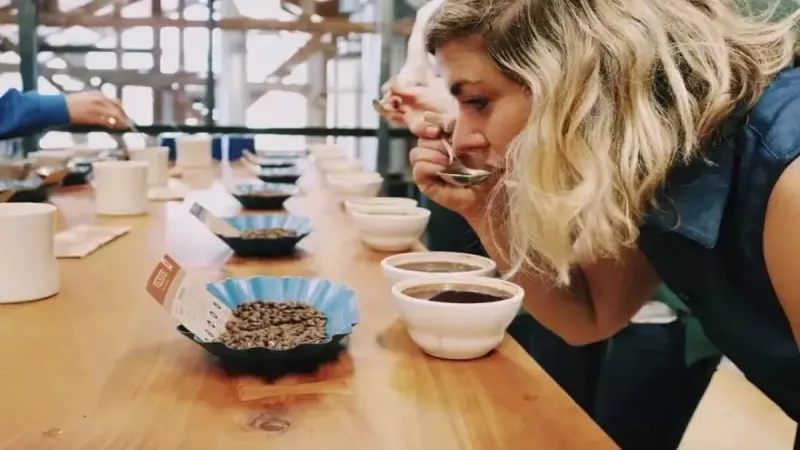
The above behaviors are still relatively rare in daily life, after all, cupping, or sharing sessions, are not held all the time. The most common behavior that makes friends outside the circle find hard to understand is still this one: when you go to a café and order a pour-over coffee, after the barista finishes making it, they do not immediately present it to you to enjoy. Instead, they turn and pour a small cup for themselves to drink, and then hand your coffee to you.
Actually, not only people outside the circle, Front Street believes that you, who have just stepped into the coffee circle, must have had the same question: "Why do some baristas pour a cup for themselves to drink before serving pour-over coffee?"
To answer this question, we must first start with the extraction efficiency of pour-over coffee. So-called extraction efficiency, simply understood, is the degree to which water brings flavor substances out of coffee grounds. When extraction efficiency is too high, coffee tends to present a bitter, dry mouthfeel; when extraction efficiency is too low, it may be thin, sour, bland, and lacking in flavor. During brewing, baristas adjust variables such as grind size, water temperature, coffee-to-water ratio, pouring technique, and brewing time to keep extraction efficiency within the ideal range.
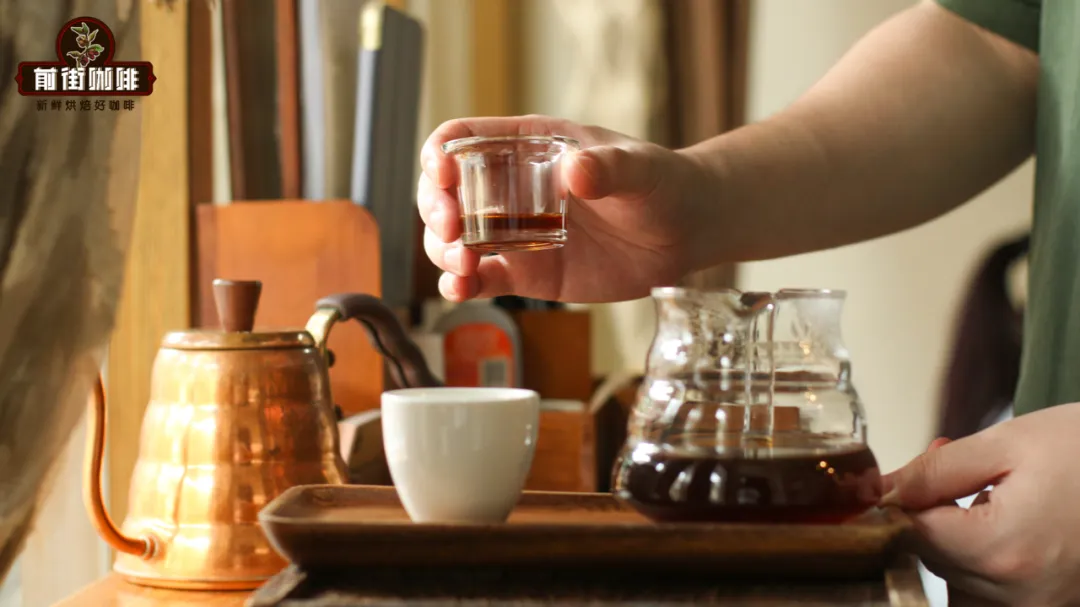
But the problem is that even if the parameters are set very precisely, there are still many uncontrollable factors in actual brewing. For example, the roast date of the coffee beans, the humidity and temperature of the day, the condition of the grinder, and even subtle differences in water flow speed can all cause the final cup's flavor to shift. In other words, the recipe is fixed, but the beans and the environment are alive.
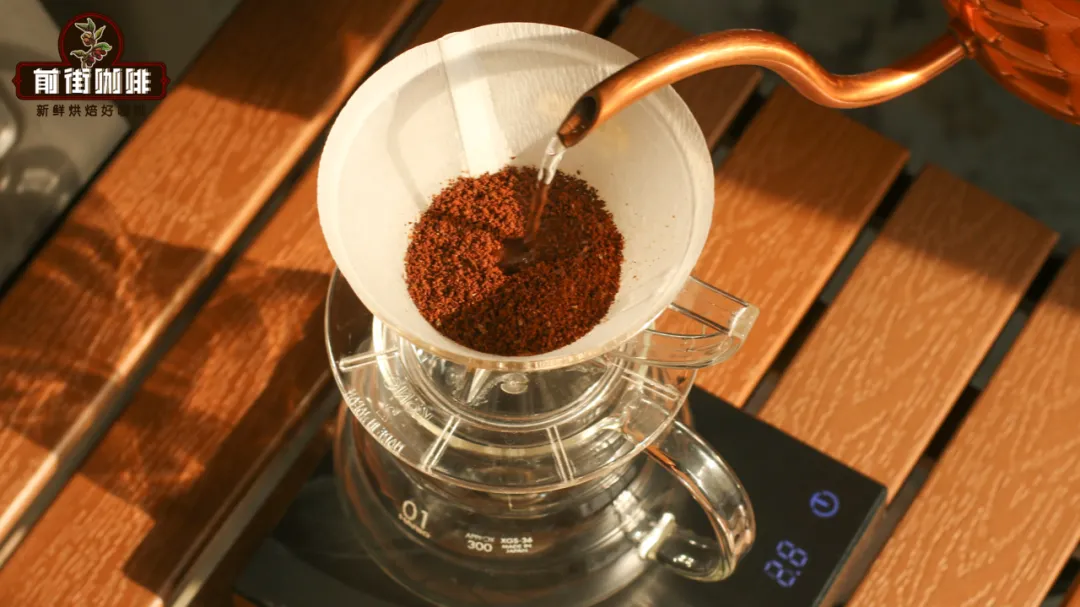
Therefore, when a barista pours a small cup to taste before serving, it is essentially a quick quality check. Through this sip, they can judge whether the coffee's extraction efficiency has reached expectations: if bitterness feels too heavy, it indicates over-extraction, and they may need to coarsen the grind or lower the water temperature; if the acidity feels sharp and sweetness is missing, it may be under-extraction, and they need to fine the grind or extend the brewing time.
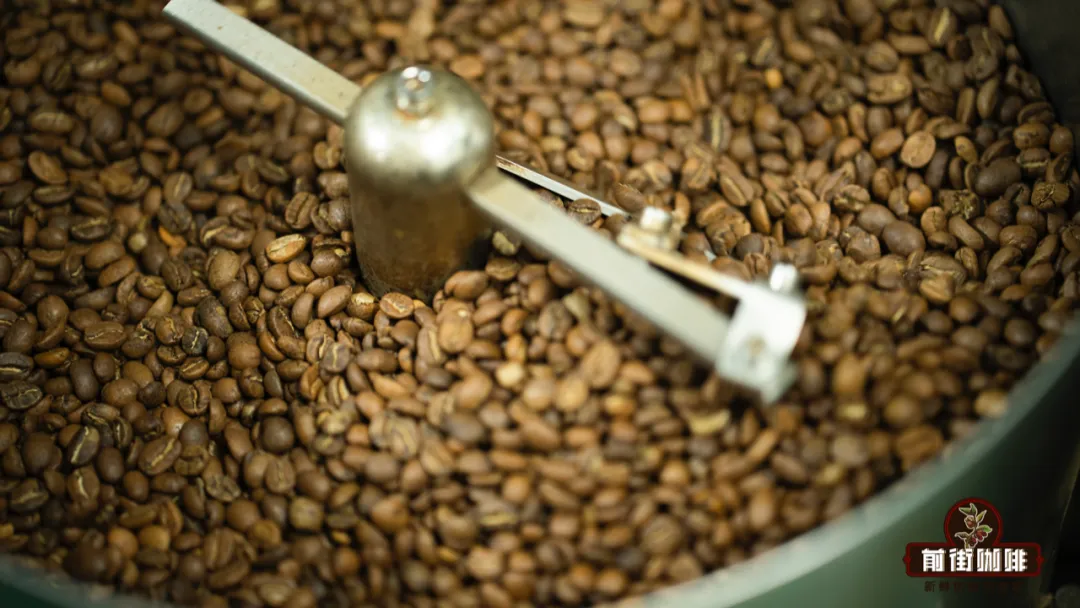
Front Street has always adhered to this habit when serving in stores. For Front Street, this small cup is not only a self-check, but also a responsibility to customers. After all, pour-over coffee is not like espresso, which can be quickly remade. Once served with obvious flaws, the customer's experience will be greatly reduced. Taking a sip in advance can intercept possible problems before the coffee reaches the customer's hands.
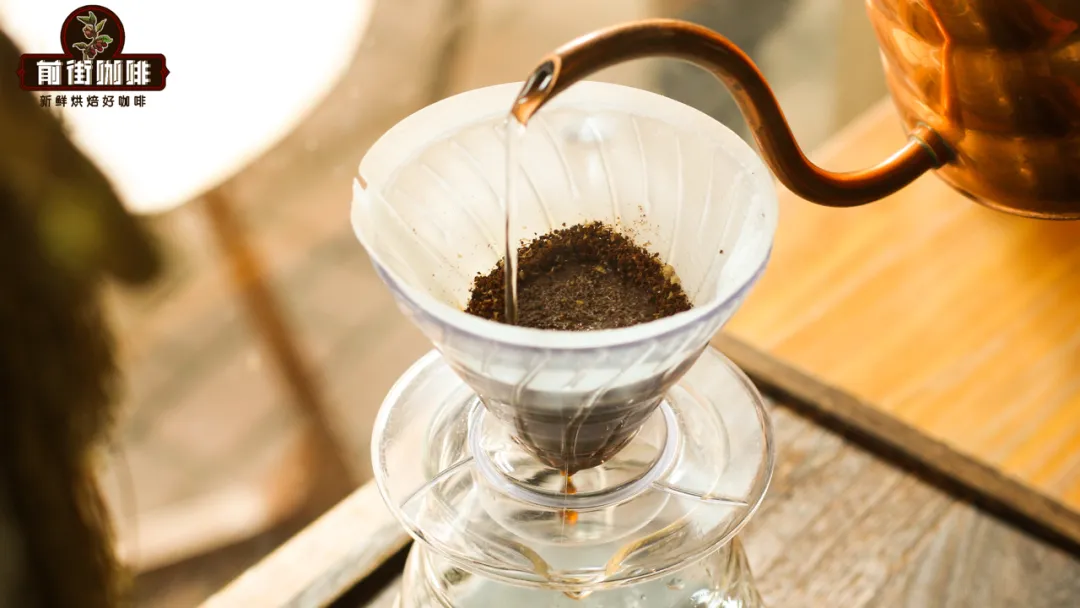
In addition, this sip has another function: to confirm whether the coffee's flavor performance matches the characteristics of the beans themselves. For example, a light-roasted Ethiopian bean from Front Street should present citrus, floral, and tea notes. If these flavors are found to be masked or off during tasting, the barista can promptly adjust the brewing strategy, rather than serving a cup of "off" coffee to the guest.
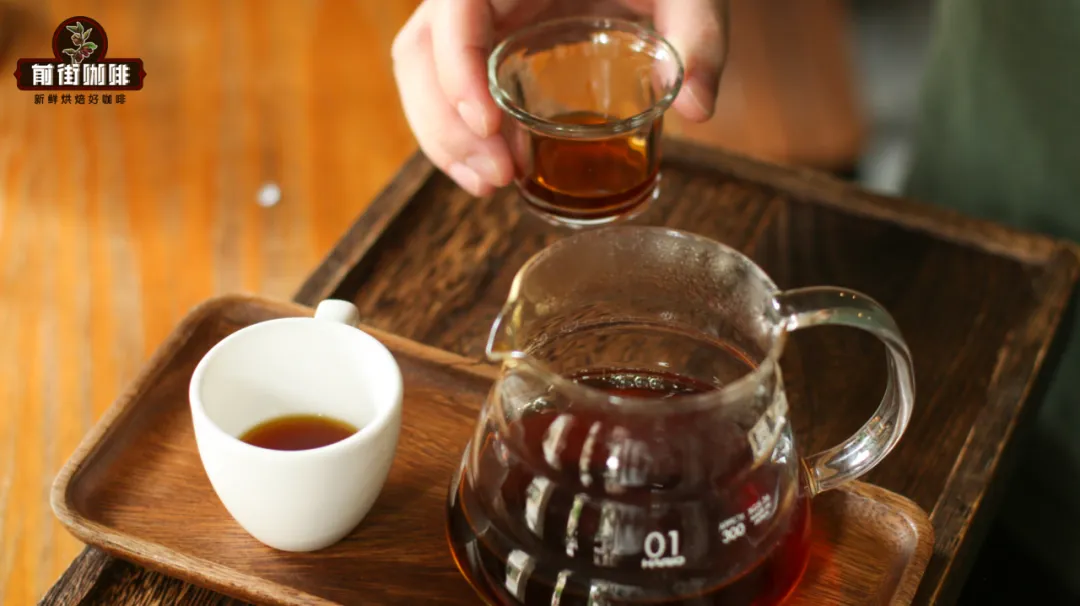
So, a barista taking a sip of your coffee before serving is not some strange habit, but a professional and necessary step in the pour-over coffee-making process. It is both the final gatekeeping of extraction efficiency and a solemn promise of output quality. Next time you encounter this situation, you can rest assured — it means your barista is taking seriously the cup you are about to drink.
The above content is compiled by CoffeeHunters, a coffee news website.


