








How do you keep iced pour-over coffee from tasting watery?
Iced pour-over turns watery because melting ice keeps diluting the cup. Adjust the coffee-to-water ratio away from the standard hot-pour 1:15, and count the ice as part of the total liquid rather than treating it as extra. Then fine-tune grind size so extraction stays even, especially when the grinder produces too many fines.
Any bean works for iced pour-over, and the choice comes down to preference. Delicate floral lots suit a light, bright cup; fruity beans such as Strawberry Candy and Sidra give sweet passion fruit, grape, and apricot notes; balanced options show nutty aromas after icing; and richer beans bring caramel that lingers. Grinder limits and excess fines can be handled with simple alternatives.
On a scorching summer day, a glass of iced pour-over coffee is the go-to refreshment for many coffee lovers. But plenty of people who make it at home or in the office find it tastes weak and watery. This article breaks down three key details of iced pour-over coffee: adjusting the coffee-to-water ratio, calculating the ratio of ice to coffee liquid, and fine-tuning the grind size, along with alternative solutions for common problems like grinder limitations and too many fines. It also recommends a range of beans suited to iced brewing based on different flavor preferences — Front Street Coffee Fruit Punch, Front Street Coffee Strawberry Candy, Front Street Coffee Sidra, Front Street Coffee 2013 Sun-Dried Typica, Front Street Coffee Bird of Paradise, Front Street Coffee PWN Golden Mandheling, and Front Street Coffee Queen's Estate — to help you consistently brew a delicious iced pour-over all summer long.

In hot weather, a glass of iced pour-over coffee is nothing short of a lifesaver. Many friends have told us that the iced pour-over they make at home or in the office always falls a bit short and tastes rather watery. Today Front Street Coffee will go over a few small details worth paying attention to when making iced pour-over.
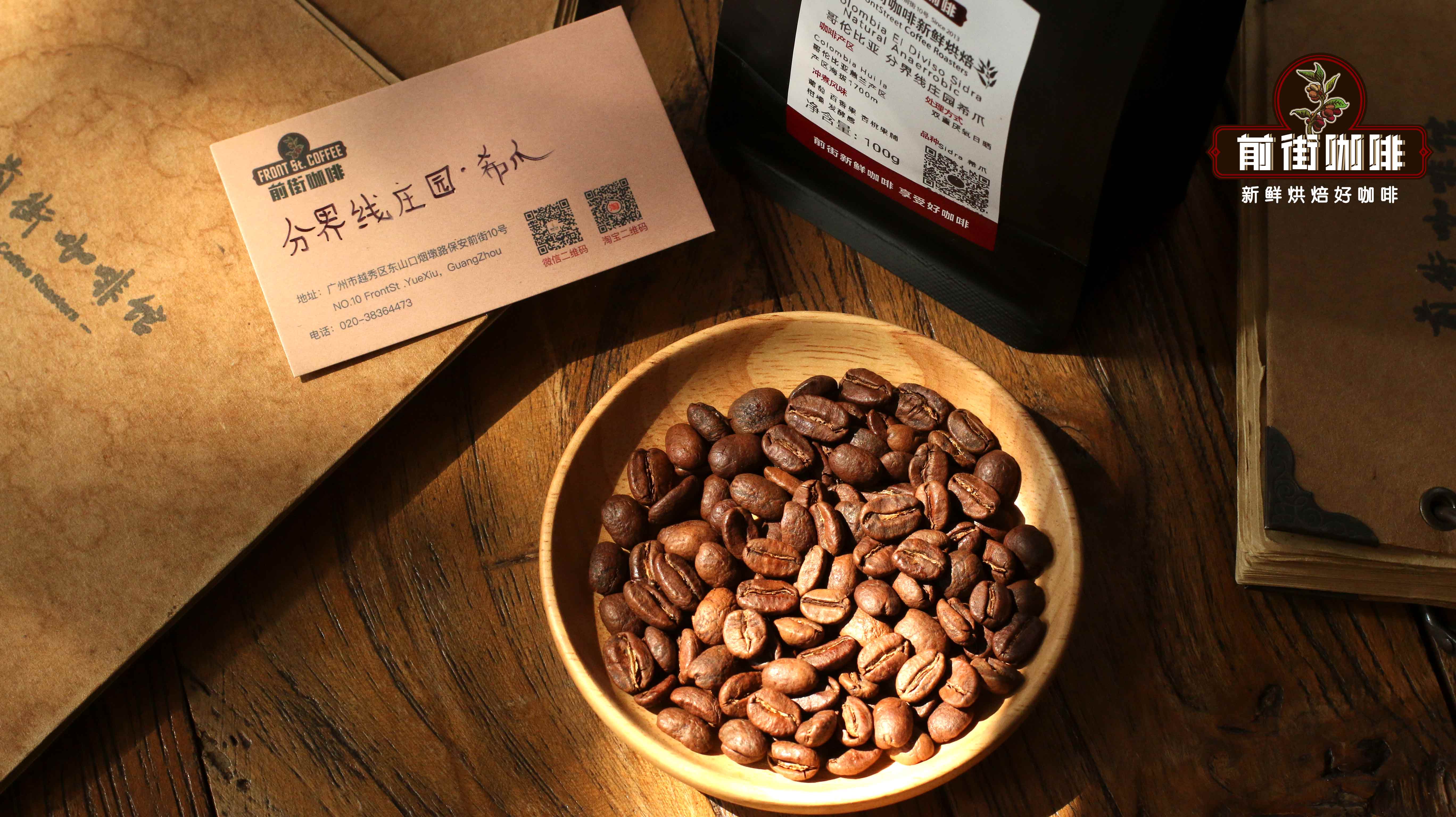
Actually, any coffee bean can be used for iced pour-over — the choice comes down entirely to personal preference: if you want a delicate floral note, Front Street Coffee Fruit Punch is a great choice; if you prefer iced coffee with standout fruity flavors, Front Street Coffee Strawberry Candy and Front Street Coffee Sidra deliver a delightfully sweet experience with notes of passion fruit, grape, apricot, and florals;
if you're after a balanced style, Front Street Coffee 2013 Sun-Dried Typica and Front Street Coffee Bird of Paradise are worth trying — after iced brewing they show clear nutty aromas with moderate acidity and bitterness; and if you prefer a rich, full-bodied mouthfeel, Front Street Coffee PWN Golden Mandheling and Front Street Coffee Queen's Estate are excellent choices, with an intense caramel aroma that lingers on the palate.
Detail One: Adjust the Brewing Coffee-to-Water Ratio
Making iced pour-over coffee is impossible without ice, and melting ice will continuously dilute the coffee's strength. If you still use the 1:15 coffee-to-water ratio of hot pour-over to brew iced coffee, coffee that was originally at just the right strength will turn into a flavorless, watery brew once the ice is added. So when making iced pour-over, you need to tighten the coffee-to-water ratio so the coffee liquid is more concentrated.
Detail Two: Determine the Ratio of Ice to Coffee Liquid
Exactly how much ice should you put in iced pour-over? Many people take a "whatever feels right" approach, diluting it until it tastes smooth — and there's certainly nothing wrong with that. But if you want every glass of iced pour-over to have a consistent flavor, you need to calculate the coffee-to-liquid ratio of the coffee grounds to the total weight of (coffee liquid + ice), keeping it at 1:15.
For example: if you use 15g of coffee grounds for iced pour-over, the total weight of the coffee liquid after adding ice should reach 225g (15g grounds × 15 times water). Front Street Coffee uses a coffee-to-water ratio of 1:10 when making iced pour-over, meaning 15g of grounds gets 150g of water poured over it (15g grounds × 10 times water). During the blooming stage, the coffee bed absorbs about 25g to 30g of water, so the final coffee liquid weighs about 120g to 125g. Subtract 120g to 125g of coffee liquid from the 225g total weight, and you get the 100g to 105g of ice you need to add.
Detail Three: Adjust the Coffee Grounds Grind Size
With a lower coffee-to-water ratio, the overall extraction time also shortens, so the grind size for iced pour-over should be slightly finer than for hot pour-over. Front Street Coffee's recommendation is: if the grind size for hot pour-over corresponds to an 80% pass-through rate on a 0.85mm sieve, then for iced pour-over it should be adjusted to a coarseness that gives an 85% pass-through rate on a 0.85mm sieve.

Question One: If You Can't Fine-Tune the Grind Size, You'll Need to Change the Water Temperature
Some people's grinders have trouble making fine grind-size adjustments. In that case, you can stick with the hot pour-over grind size and instead raise the brewing water temperature, which speeds up the dissolution of flavor compounds from the coffee into the water. For example, when Front Street Coffee brews Front Street Coffee Costa Rica Mozart as hot pour-over, the water temperature is 90°C; to make iced pour-over with the same grind size, you'd need 92°C.
Question Two: If There Are Lots of Fines After Grinding, Do You Still Need to Raise the Water Temperature?
No! If your grinder produces a lot of coffee fines, there's no need to adjust the grind size or water temperature — you just need to change the coffee-to-water ratio when brewing.
Question Three: With 100g of Ice Added, Must You Brew With a 1:10 Coffee-to-Water Ratio?
Not necessarily! This is only a suggested brewing ratio. Everyone's taste preferences differ, and 1:10 won't necessarily brew the best-tasting cup. If you like a rich flavor with lots of layers, you can use a 1:10 coffee-to-water ratio; if you prefer a balanced taste or don't want it too cold, you can use a 1:13 coffee-to-water ratio; you can also adjust the parameters to suit your own taste.
The above content is compiled by CoffeeHunters, a coffee news website.


