







Search Results for: heat
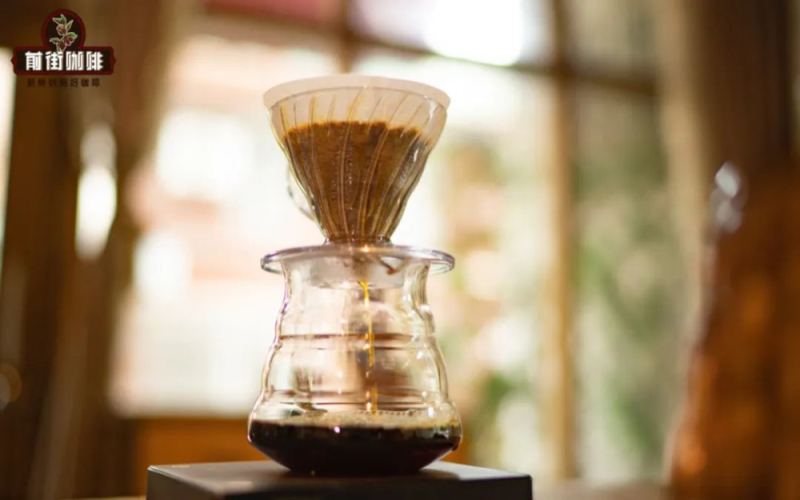
How Does Filter Cone Material Affect Coffee Extraction? Analyzing Brewing Differences Through Thermal Conductivity and Specific Heat Capacity
Coffee filter cups on the market come in a wide variety of materials—resin, glass, ceramic, and metal each have their own fans—but what real impact do different materials actually have on brewing? Many people's first thought is the price difference, but setting aside cost, the most core difference between materials lies in their ability to control temperature. Thermal conductivity determines how quickly heat is transferred, while specific heat capacity relates to how much heat an object can store. Together, these two physical parameters directly change the temperature performance of hot water during the extraction process. Metal conducts heat fastest but also dissipates it quickly; ceramic has a high specific heat capacity but needs thorough preheating; glass performs mildly; and resin, because it absorbs heat slowly, has almost no effect on water temperature. In this article, Front Street Coffee will break down the characteristics of four common filter cup materials one by one, and combine them with the actual differences in flow rate among V60 versions made of different materials, to help everyone understand why you cannot simply copy extraction formulas from the internet, but should instead flexibly adjust your brewing strategy according to the material of the filter cup in your hands. [more…]
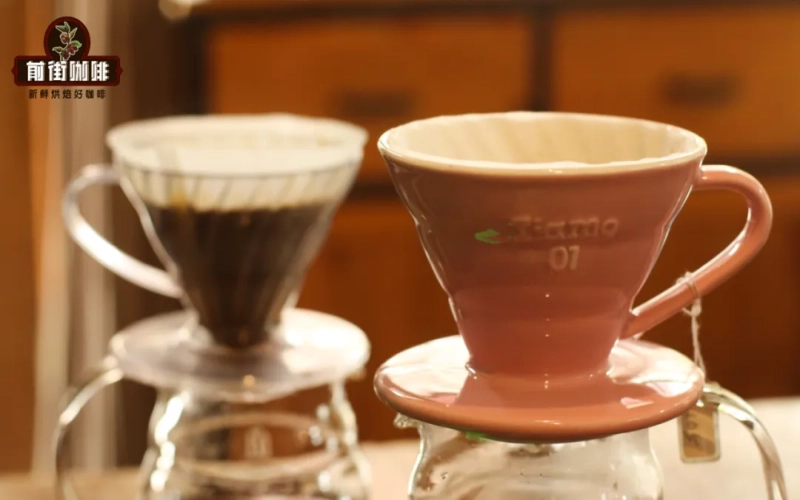
How do the material differences between ceramic and resin drippers affect the extraction results of pour-over coffee?
The material of a pour-over coffee dripper isn't just about feel and aesthetics—it genuinely changes the flavor in the cup. Front Street Coffee has shared before that the reason different dripper materials produce different extraction results comes down to two physical indicators: specific heat capacity and thermal conductivity. Thermal conductivity determines how quickly heat transfers, while specific heat capacity determines how easily a substance heats up or cools down. Together, they determine how much temperature a dripper "steals" from the hot water. This article will start from these two concepts to explain why a ceramic dripper makes coffee less bitter when it hasn't been preheated, why it's best to warm a ceramic dripper with hot water before use, and offer parameter adjustment suggestions based on actual brewing. [more…]
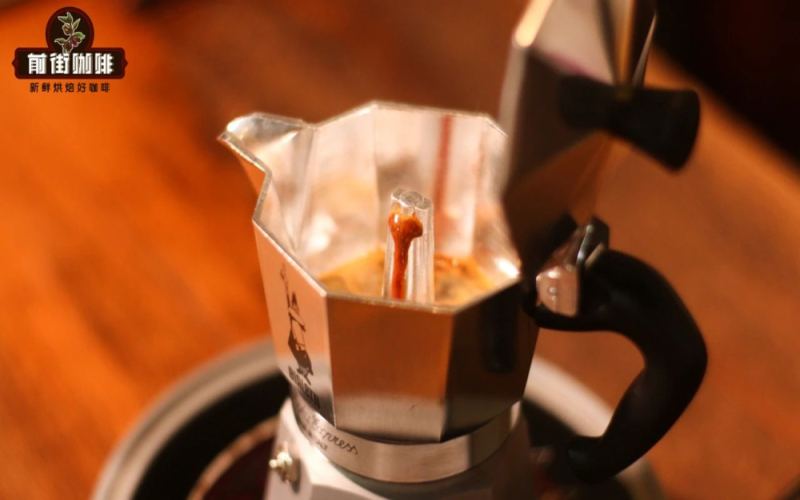
A Complete Guide to Moka Pot Heat Adjustment and Timing: Grind, Water Temperature, Cleaning, and Front Street Coffee Bean Recommendations
The moka pot, a traditional Italian coffee device, seems simple to use, but in reality, the flame intensity and timing of removal from heat greatly affect the flavor. This article provides a detailed breakdown of the moka pot's extraction principles, the differences between single-valve and double-valve models, key points on grind size and tamping, and focuses on answering practical questions such as whether to use high or low heat and when to remove it from the heat. It also offers recommendations for coffee bean selection, suggesting beans suitable for moka pots such as Front Street Black Cocoa Blend, Queen's Farm Brazil, and PWN Golden Mandheling, helping enthusiasts consistently brew rich and full-bodied coffee at home. [more…]
A Complete Guide to Moka Pot Brewing: Principles, Single vs. Double Valve Differences, and Practical Tips on Coffee, Water, and Heat
The moka pot is a common simple espresso-style coffee device in Italian households. It is easier to operate than an espresso machine, yet it can deliver a rich and full-bodied taste. From the perspective of Front Street, this article systematically explains the moka pot's invention background, the differences between single-valve and double-valve models, and the principles of heating and extraction, while also detailing key steps such as grind size, tamping, water temperature, heat adjustment, and cleaning. At the same time, it offers recommendations for coffee bean selection, recommending three beans suitable for the moka pot: Front Street Dark Cocoa Blend, Brazil Queen's Estate, and Front Street PWN Golden Mandheling, helping enthusiasts consistently make coffee with rich crema and balanced flavor. [more…]
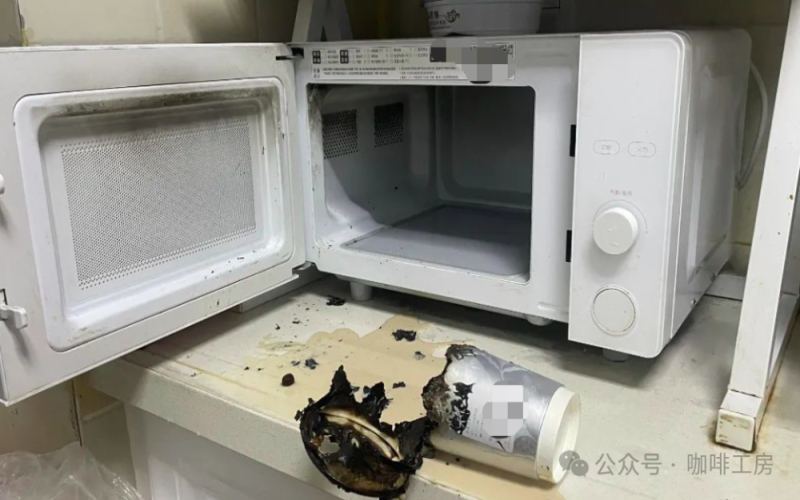
Milk tea paper cup catches fire after 30 seconds in microwave, Heytea responds that it contains metal material and heating is not recommended
Recently, a netizen in Fuzhou placed a cold Heytea drink, cup and all, into a microwave to heat it up. Just 30 seconds later, flames erupted inside the microwave, and the upper half of the cup was burned. The person involved described that halfway through heating, the microwave suddenly began crackling, and the moment it was opened, flames burst out. The fire only went out after the cup was knocked over with a spatula. Heytea customer service responded that the drink uses a paper cup containing metal materials, which is not suitable for microwave heating. In fact, many milk tea lovers on social media have a habit of directly heating milk tea, and similar dangerous incidents are not isolated cases. Whether brands should label packaging with microwave use warnings has also sparked discussions among consumers and legal professionals. [more…]
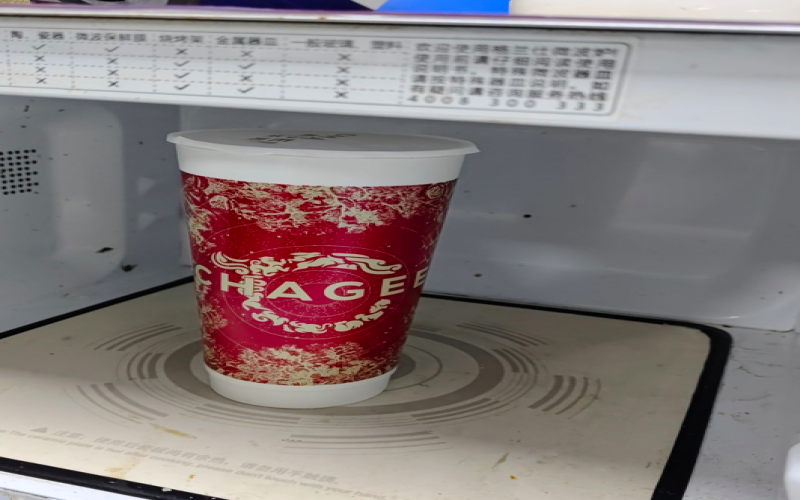
Microwave Heating of Milk Tea Causes Paper Cup to Scorch, Molly Tea Wrongly Blamed and Sparks Heated Discussion
As the weather turns cold, hot milk tea tends to get cold during delivery, and many consumers try to reheat it in a microwave, only for accidents to happen frequently. Recently, multiple customers have reported that when heating Jasmine Naibai drinks, the paper cups showed burn marks and even nearly caused a fire. In contrast, heating milk tea from brands such as Bawang Chaji, Mixue Bingcheng, and Nayuki did not cause similar problems, raising questions about the quality of Jasmine Naibai's paper cups. However, onlookers rushed to defend the brand, pointing out that the cup sticker already has a reminder, and that the metallic substances in the cup's gold-stamped pattern reflect microwaves in the microwave, which is the main cause of the accidents. This article reviews the course of the incident and the underlying principles, and reminds readers: heating milk tea in a microwave poses safety hazards, so do not imitate it rashly. [more…]
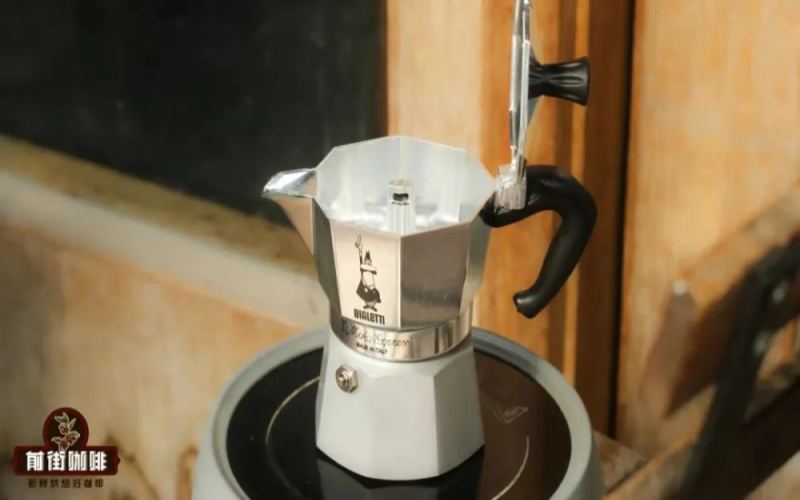
A Complete Guide to Moka Pot Brewing Questions: Cleaning and Maintenance Methods and a Comparison of Aluminum vs. Stainless Steel Materials
As a traditional Italian coffee apparatus, the Moka pot is favored by enthusiasts for its simple operation and rich flavor. This article systematically organizes common questions about the Moka pot's brewing principles, grind size and tamping key points, water temperature control, and heat adjustment, and explains cleaning and maintenance methods in detail. At the same time, it compares the advantages and disadvantages of aluminum and stainless steel materials, and answers various questions that arise during use. The article also combines recommendations from the Front Street Coffee brand to provide coffee bean selection suggestions for readers pursuing a full-bodied or balanced flavor, helping you easily master Moka pot extraction techniques. [more…]

Is It Okay to Heat Up Cold Brew Coffee? A Full Analysis of Cold Water Extraction Principles and the Differences Between Ice Drip and Cold Brew
As the weather turns cooler, cold brew coffee sales have clearly declined, and the cold brew at Front Street's stores has also hit a sales slump. Looking at the leftover cold brew in the fridge, a question comes to mind—can cold brew coffee actually be heated? Although Front Street has tried heating various coffees such as pour-over and lattes, it has never actually conducted an experiment on heating cold brew. This article will start from the definition of cold brew coffee, clarify the difference between ice drip and cold brew, explain the core logic of cold water extraction, and actually test the flavor performance of cold brew after heating, to answer this seemingly abstract yet very practical question for coffee enthusiasts. [more…]
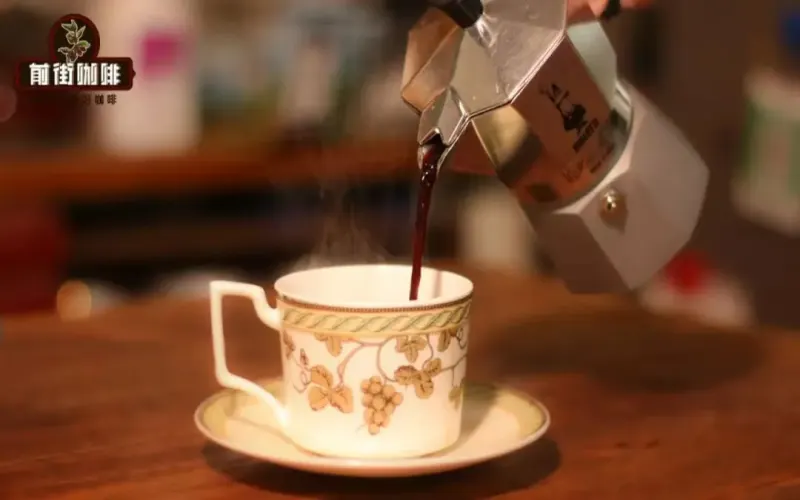
A Complete Analysis of Why Moka Pot Coffee Tastes Burnt and Bitter: The Three Key Factors of Channeling, Heat Control, and Grind & Water Amount
As a pressure-based extraction device, the moka pot is highly efficient but also extremely prone to over-extraction, and many coffee enthusiasts have experienced the trouble of burnt, bitter coffee with heavy off-flavors. After sharing moka pot-related content many times, Front Street Coffee found that channeling, excessively long heating time, and too-fine grinding with too much water are the three core causes of over-extracted moka pot coffee. This article will analyze the root causes one by one from the perspectives of even coffee distribution, initial water temperature and heat level, heat adjustment after liquid begins to flow, and the ratio of grind size to water amount, and provide practical improvement solutions to help everyone consistently make rich, delicious moka pot coffee. [more…]
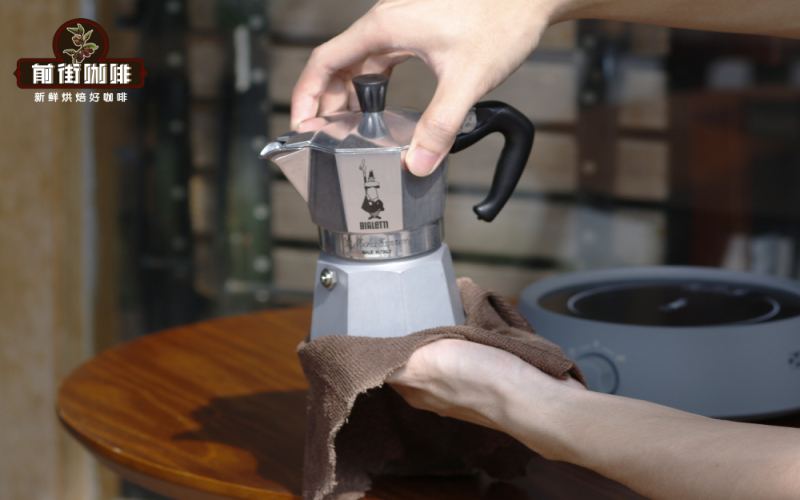
Moka Pot Safety Analysis and Correct Usage: A Complete Guide to Open-Flame Heating, Grind Size, Coffee-to-Water Ratio, and When to Turn Off the Heat
The moka pot is a staple piece of equipment in many coffee lovers' homes, but there are also plenty of questions surrounding it: Are there safety hazards? Can it be heated directly over an open flame? And how should it be operated correctly to brew a rich cup of coffee? Starting from the actual confusion of Front Street fans, this article systematically sorts out the moka pot's structural principles, the differences between single-valve and double-valve models, and capacity selection, and explains in detail the key points of coffee bean selection, grind size control, coffee-to-water ratio, heating method, and timing for turning off the heat. The article also recommends three coffees suitable for the moka pot—Front Street Coffee's specialty blend, Queen's Estate Yellow Bourbon, and Indonesian PWN Golden Mandheling—for readers to consider when purchasing. [more…]
Guide to Buying Single-Origin Coffee Beans for Pour-Over: Seven Flavor Type Recommendations and a Full Analysis of Front Street's Product Line
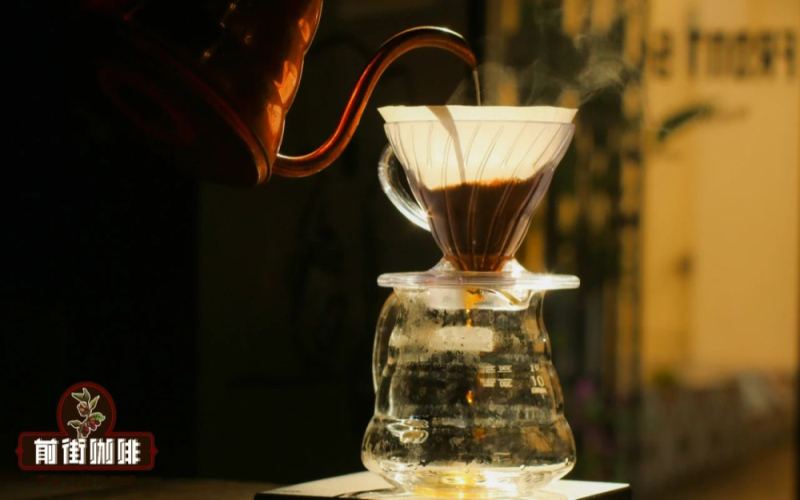
As the community of pour-over coffee enthusiasts continues to grow, many people are at a loss when faced with the dazzling array of single-origin beans on the market. So-called single-origin beans come from the same producing region—which may be a single estate, a cooperative, or multiple estates or cooperatives within the same origin. Front Street Coffee categorizes currently popular single-origin beans into seven major types by flavor: fruity, floral, prominently fermented, prominently sweet, well-balanced, high-body, and nutty-cocoa. This article introduces representative bean varieties type by type, covering Yirgacheffe, Geisha, Costa Rica honey process, Blue Mountain, Mandheling, Brazil Queen Estate, and more, along with each bean's origin information, cupping flavor notes, and Front Street roasting curve recommendations, so coffee lovers can make precise purchases according to their taste preferences. [more…]
Moka Pot Operation Guide: From Parameters to Practice, Easily Make a Latte
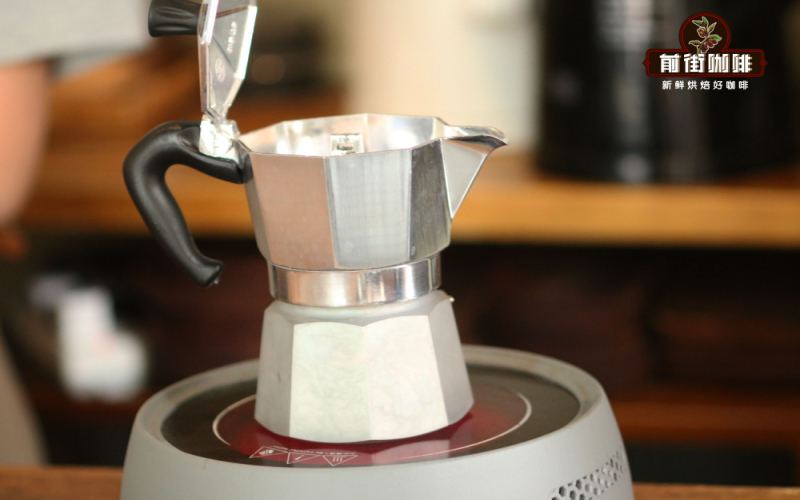
As a home coffee device, the moka pot is known for its convenience. There is no need to be overly rigid in operating it—just get a few key steps right. This article starts with the working principle of the moka pot, explains key points such as coffee bean selection, grind size, water-to-coffee ratio, and heating method, and includes complete steps for making both iced and hot lattes. Whether you are a beginner or an advanced enthusiast, you will find practical references here. [more…]
How High Should the Heat Be for a Moka Pot? A Full Breakdown of Metal Shell Design, Heating Methods, and Coffee Bean Selection
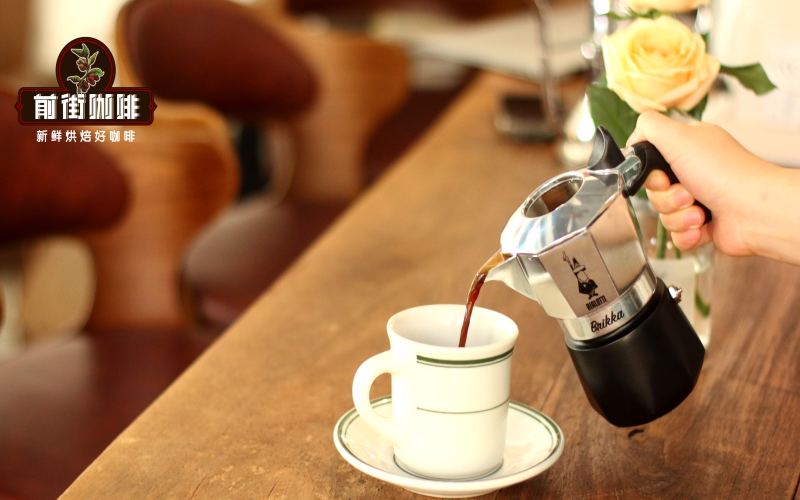
The moka pot is one of the lowest-barrier and least expensive tools for making strong coffee, and for enthusiasts who love espresso-style flavor but aren't ready to buy a semi-automatic espresso machine, it's a very friendly choice. Although it's said that every Italian nonna has one, if you really want to use it well, there are some basics you need to understand in advance. Today, Front Street Coffee will take you into the fun world of the moka pot, focusing on several core questions: flame intensity, the metal body design of the pot, and heating methods. We'll also talk about how to choose coffee beans, how fine to grind, how to fill the basket, how to control the water amount, and when to turn off the heat, helping you easily brew a cup of moka pot coffee with rich crema and aromatic flavor. [more…]
The Complete Guide to Home Coffee Bean Roasting: From Equipment Selection to First and Second Crack Determination and Detailed Flavor Differences
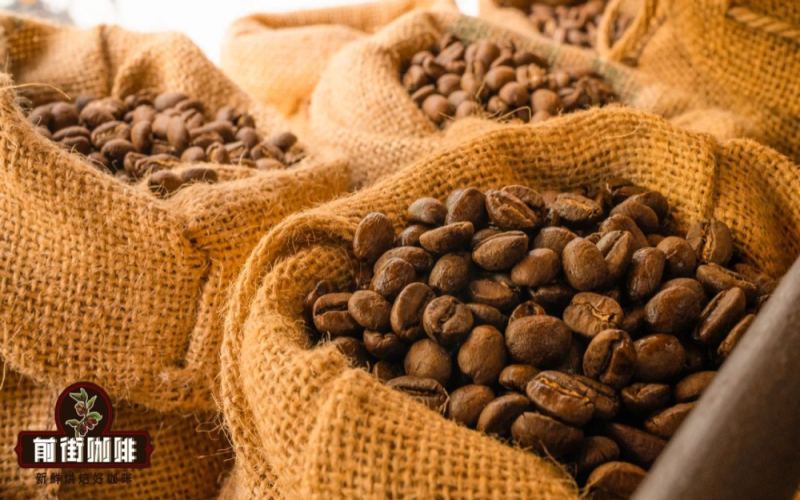
More and more people are no longer satisfied with just brewing and tasting—they want to control the entire process from green beans to roasted beans. But after buying green beans and bringing them home, many people have no idea how to roast them, what tools to use, or how to control the heat. This article, drawing on the practical experience of Front Street Coffee, outlines practical methods for roasting coffee beans at home: how to judge roasting progress by color and cracking sounds, what first crack and second crack each represent, how different roast levels affect flavor and mouthfeel, and the pros, cons, and precautions of three tools—the drum roaster, pan roasting, and the electric oven. After reading, you will at least understand when to adjust the heat, when you can stop the roast, and why roasting too dark is not worth recommending. [more…]
Luckin's Promotion of Oven-Heated Light Meals Sparks Heated Discussion Among Employees, Hidden Concerns Behind Consumer Applause
Recently, Luckin Coffee has become a focal point due to offering oven-heated bagels and other light meals at some stores. Consumers have welcomed this move, believing that being able to enjoy hot food during the cold season is more thoughtful. However, this change has put pressure on many store employees, who worry about increased workload and cleaning tasks. This article will explore the background of Luckin's oven rollout, employee feedback, and the possible impacts, giving you a full picture of the situation. [more…]
Pour-Over Coffee Bean Selection Guide: A Complete Analysis of the 7 Major Flavor Types of Single-Origin Beans and Brewing Recommendations
For those who are just getting into pour-over coffee, the bewildering array of coffee beans on the market often leaves them unsure where to start. In fact, pour-over usually calls for single-origin beans — that is, beans from a single region, single estate, or cooperative — which offers greater quality assurance. Front Street Coffee groups today's most popular single-origin beans into seven flavor categories: fruity, floral, fermented, sweet, balanced, high-body, and nutty-cocoa. Whether you prefer a bright, acidic, light and fresh profile or favor a rich, heavy mouthfeel, you can find your direction in this classification. Below, we introduce each flavor category one by one, covering representative bean varieties, origin information, cupping notes, and Front Street's roasting recommendations, to help you quickly pinpoint the pour-over bean that suits you. [more…]
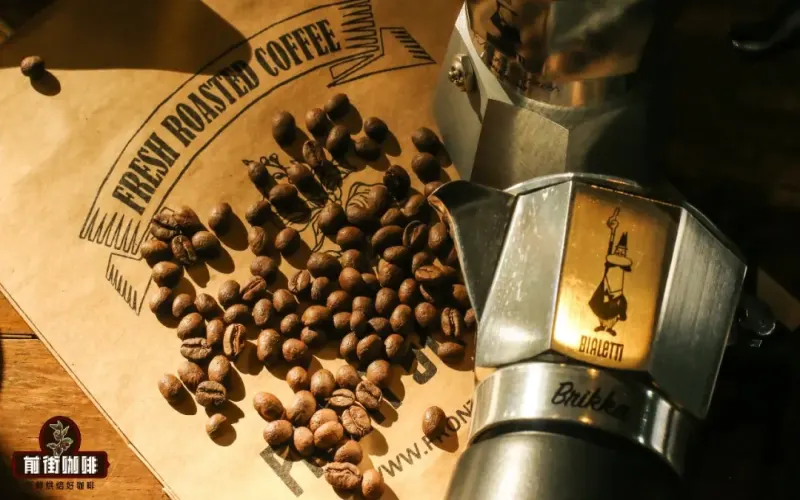
How to Extract Stronger Coffee from a Moka Pot? A Guide to Choosing Medium-Dark Roast Beans and Heating Methods
The Moka Pot, with its high-temperature, pressurized extraction method, can produce a rich and full-bodied coffee liquid. Since its invention by Alfonso Bialetti in 1933, it has been widely used in European households, especially in Italy. To make Moka Pot coffee stronger, the key lies in choosing the right coffee beans, controlling the coffee-to-water ratio, and mastering the heating rhythm. This article will provide a detailed explanation of how to use a Moka Pot to make espresso with abundant crema and a thick mouthfeel, covering the structure and principles of the Moka Pot, suitable coffee bean types, Front Street brand recommendations, and specific operating steps. It will also explain the difference between using a gas stove and an induction cooker when heating, helping coffee enthusiasts enjoy freshly roasted medium-dark roast beans within their optimal flavor period. [more…]
Medium-Dark Roast Moka Pot Coffee Bold Extraction Guide: Heating Methods and Key Operating Points Explained
The moka pot, with its high-temperature, pressurized extraction method, can produce a rich and full-bodied coffee liquid. Since its invention in 1933 by the Italian Alfonso Bialetti, it has remained a common appliance in European households, especially in Italian kitchens. Starting from the structural principles of the moka pot, this article will explain the choice of materials and heating methods, and focus on sharing how to improve the concentration and crema performance of medium-dark roasted moka pot coffee through water temperature control, grind size adjustment, and pacing of the heating. At the same time, combined with Front Street Coffee's medium-dark roasted bean recommendations, it helps coffee lovers enjoy a thick and full cup of moka pot coffee within its optimal flavor period. [more…]
How long does it take to roast green coffee beans? A complete experiment of roasting coffee at home with a frying pan without a roaster
How long does it actually take for green coffee beans to go from hitting the pan to being roasted? In order to hear the sound of "first crack" with his own ears, Front Street Coffee deliberately conducted three rounds of home-roasting experiments using a frying pan and an open flame on a stove, testing the performance of naturally processed Santa Vini and washed Kafa Forest under different heat levels. The article records the time points for each batch of beans' color change, silver skin shedding, and the appearance of cracking sounds, as well as the final cupping flavor differences, while also sharing practical experience on how to judge heat level and the timing for taking the beans out when there is no professional coffee roaster. [more…]

Home-roasted coffee beans | What are the taste differences between coffee beans of different roast levels? How to roast coffee beans at home? How are green coffee beans turned into coffee?
As coffee has become part of everyone's daily life, it's not hard to learn a lot of new and comprehensive knowledge about coffee from video apps. Besides researching how to brew and how to taste the flavors, many friends have started to take a strong interest in coffee bean roasting. But many of them act on a whim and end up putting their coffee [more…]