









Now more and more friends are getting intopour-over coffee, and with so many coffee beans to choose from, many friends find themselves paralyzed by choice. Generally speaking,pour-over coffeeuses single-origin beans.Single-origin beansrefer to coffee beans from a single producing region (from one estate/cooperative, or from multiple estates/cooperatives within a single origin), which gives better quality assurance.
Choosing the flavor you want from a dazzling array of single-origin coffee beans is indeed a dilemma. This time, Front Street Coffee has divided its many single-origin coffee beans into 7 categories: fruity, floral, noticeably fermented, noticeably sweet, balanced coffee flavor, high body, and nutty-cocoa notes. These 7 categories broadly represent the coffee beans from currently popular producing regions. Let's take a look at which coffee beans have these flavors!

|Fruity
Most fruity pour-over coffee beans come from the Ethiopian producing region, and the well-known Yirgacheffe region has become synonymous with Ethiopian coffee. During cupping, Front Street Coffee (FrontStreet Coffee) found that its washed Yirgacheffe has a clean and refreshing taste, with bright, uplifting acidity dominated by citrus, accompanied by fresh jasmine floral notes and a honey finish—very suitable for beginners and those who like a light, fresh flavor profile.
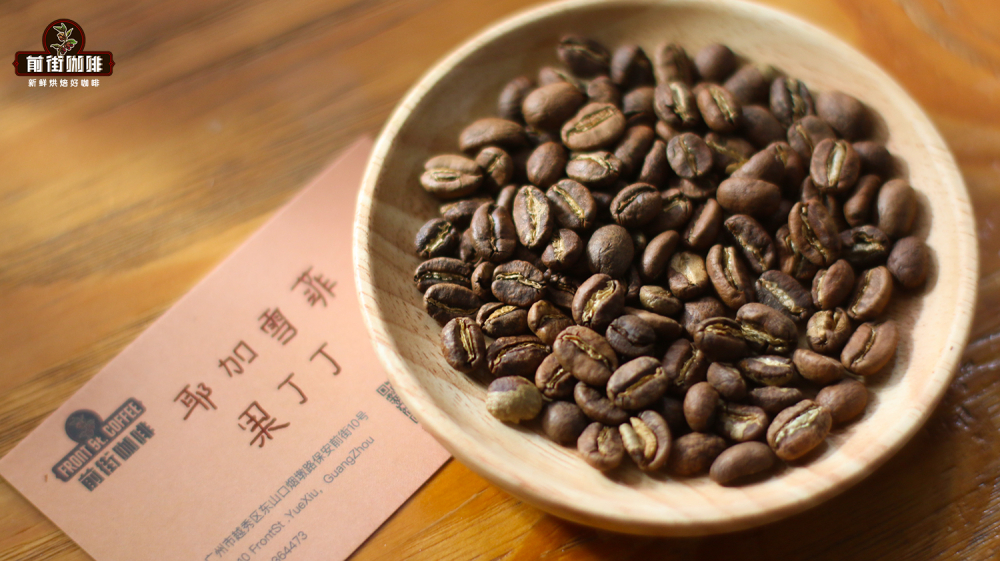
Front Street Coffee Yirgacheffe Geddid Giddi Cooperative Coffee Beans
Region: Yirgacheffe, Gedeo Zone
Altitude: 1900-2300m
Variety: Heirloom
Processing: Washed
Grade: G1
Brewing flavor: The overall mouthfeel is solid, with prominent fermented aroma and tropical fruit. As the temperature changes, berry and cream flavors emerge, and the citrus sweet-tartness lingers between the teeth and lips.
Front Street Coffee (FrontStreet Coffee) roasting suggestions for Front Street Geddid Giddi coffee beans
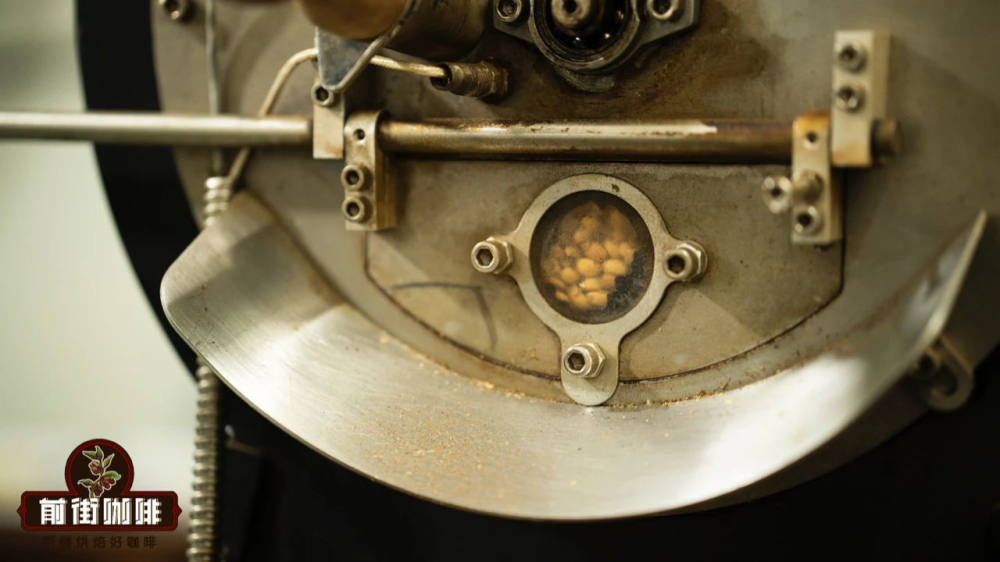
Charge when the drum temperature reaches 175°C, set the damper to 3, and the gas to 120; the turning point is at 1'32", and when the drum temperature is 140°C keep the gas unchanged and open the damper to 4; at this point the bean surface turns yellow, the grassy smell completely disappears, and the dehydration phase begins. At 166°C lower the gas to 100, and at 176°C lower the gas to 80, keeping the damper unchanged. At 8'28", ugly wrinkles and dark spots appear on the bean surface, and the toasted-bread smell clearly turns into coffee aroma, which can be defined as the prelude to first crack. At this point, listen carefully for the sound of first crack. At 9'38" first crack begins; adjust the damper to 5 (adjusting the gas must be done very carefully, not so low that there is no cracking sound). After first crack, develop for 1'30'', then drop at 193.5°C.
|Floral
When it comes to floral coffee beans, we have to talk about the Geisha variety. Panama's Hacienda La Esmeralda Geisha is planted in a windbreak forest. The strong winds and low temperatures of the windbreak make it impossible for ordinary coffee trees to grow there, yet this mysterious variety thrives comfortably, and its coffee cherries are plumper than those of most varieties and not easily blown off. Although its yield is only 25%-30% that of Caturra, its floral and orange aromas are very charming.
Strangely, this variety also has been planted below 1400m, but it lacks the floral and orange aromas and instead develops a more bitter taste. Through cupping Front Street's Panama Hacienda La Esmeralda Geisha coffee beans, whether Red Label, Green Label, or Blue Label, whether washed or natural, the Geisha coffee beans produced here all exude this charming floral fragrance.

Front Street Panama Hacienda La Esmeralda Washed Green Label Coffee Beans
Region: Boquete, Panama
Estate: Hacienda La Esmeralda
Altitude: 1600-1800m
Variety: Geisha
Processing: Washed
Brewing flavor: Rich jasmine floral notes, high sweetness, citrus, berries, juicy mouthfeel, cream, green tea, orange peel, cantaloupe; the overall flavor is layered and complex, with a lasting floral and citrus finish.
Front Street Coffee (FrontStreet Coffee) roasting suggestions for Front Street Green Label Geisha coffee beans
Charge when the drum temperature reaches 190°C, gas 150, damper set to 3; turning point at 1'36", at drum temperature 140°C open the damper to 4 and lower the gas to 130; at drum temperature 150.8°C the bean surface turns yellow, the grassy smell completely disappears, and the dehydration phase begins. When the drum temperature reaches 166°C, adjust the gas to 110, keeping the damper unchanged; at 7'55", at 176°C adjust the gas to 90; ugly wrinkles and dark spots appear on the bean surface, and the toasted-bread smell clearly turns into coffee aroma, which can be defined as the prelude to first crack. At this point, listen carefully for the sound of first crack. At 8'30" first crack begins, open the damper to 5, and at 187°C adjust the gas to 60; after first crack, develop for 1'30, then drop at 193.5°C.

|Noticeably fermented
If recommending noticeably fermentedcoffee beans, Front Street immediately thought of Front Street Costa Ricacoffee beans. Costa Rican coffee beans mostly use the locally invented honey processing method. Front Street believes that honey-processed coffee has a balance of acidity and sweetness, and, like the natural method, because it has undergone sun drying, the coffee beans' own aroma is also amplified and the body is richer. As honey processing techniques matured, people improved the method and created the raisin honey process, increasing the difficulty of honey processing, but the resulting coffee beans have a stronger fermented quality and aroma, and give the coffee a white-wine-like mouthfeel and balanced acidity.
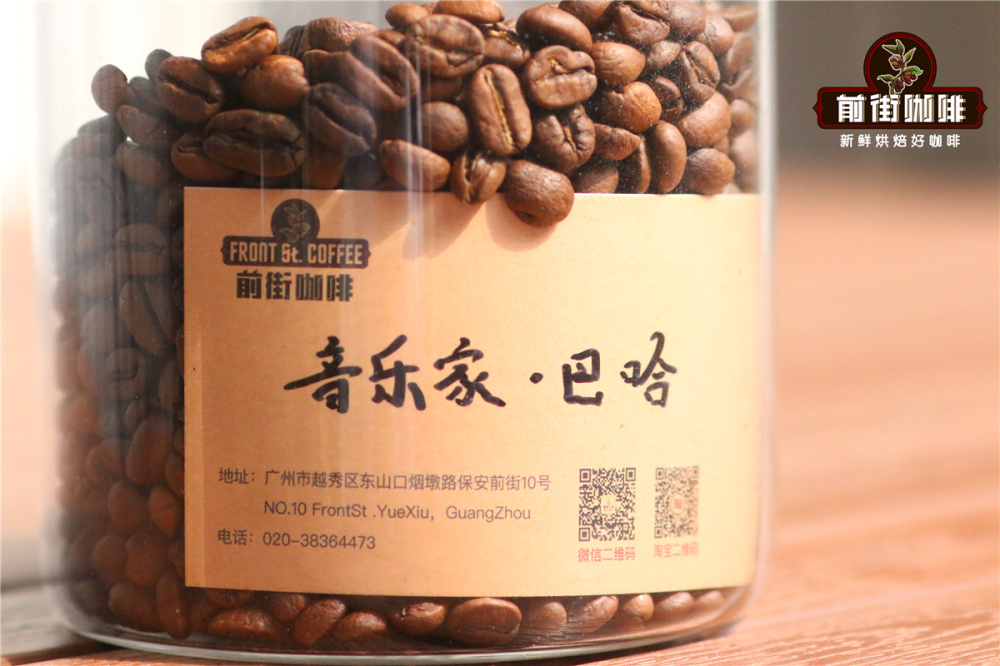
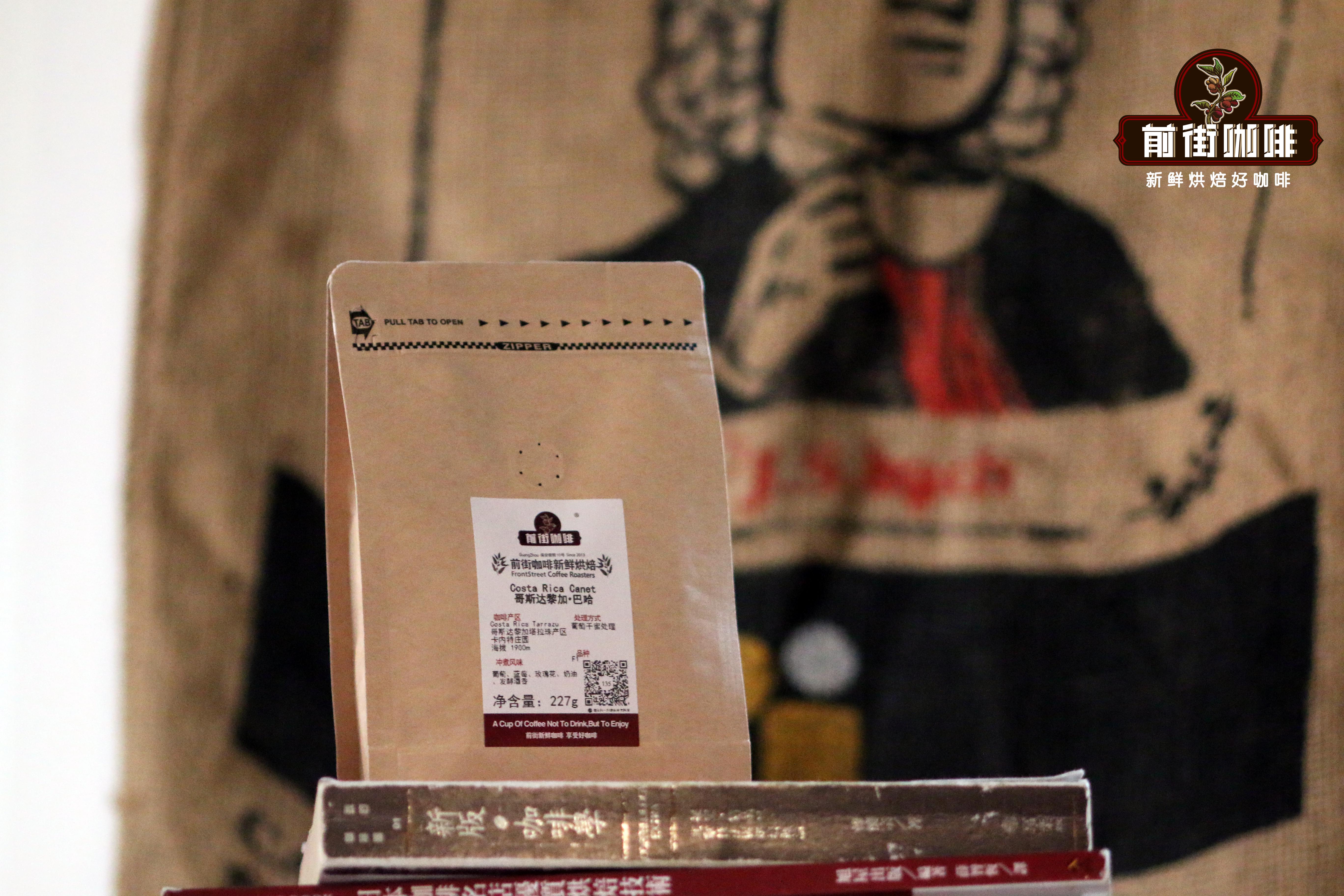
Front Street Costa Rica Canet Musician Series Bach Coffee Beans
Country: Costa Rica
Region: Tarrazú
Altitude: 1950m
Processing: Raisin honey
Grade: Strictly Hard Bean SHB
Variety: Caturra
Brewing flavor: Smells like the fermented aroma of rice wine; tastes of ripe tropical fruit and the sweet-tartness of berries, with nutty and creamy flavors; the aftertaste has caramel and a faint floral note.
Front Street Coffee (FrontStreet Coffee) roasting suggestions for Front Street Bach coffee beans
Preheat the drum to 180°C and charge, adjust the gas to 130, open the damper to 3, turning point at 1'43", maintain the gas; at 140°C keep the gas unchanged and open the damper to 4. At 6'15" it turns yellow, the grassy smell disappears, and the dehydration phase begins. At 151°C lower the gas to 100, keeping the damper at 4. At 176°C adjust the gas to 70, keeping the damper unchanged. At 8'15" dehydration is complete, wrinkles and dark spots appear on the bean surface, and the toasted-bread smell turns into coffee aroma, which is the prelude to first crack. At this point, listen carefully for the sound of first crack. At 9'40" first crack begins, open the damper fully to 5, keeping the gas unchanged. After first crack, develop for 1'45", then drop at 196°C.
|Noticeably sweet
When it comes to noticeably sweet coffee beans, Front Street immediately thought of Front Street Yirgacheffe Natural Red Cherry from Ethiopia. Is Red Cherry the red cherry fruit? No~ Red Cherry means that coffee farmers only harvest fully ripe coffee cherries. Because their shape and color resemble red cherries, everyone naturally calls the coffee fruit coffee cherries. Fully ripe coffee cherries have pectin and pulp rich in sugar. Through sun drying, the sugar is concentrated, and the coffee beans keep absorbing the essence. Just reading this, you can already feel how sweet the coffee brewed from these beans will be!

Front Street Ethiopia Yirgacheffe Red Cherry Coffee Beans
Region: Yirgacheffe
Growing altitude: 2000-2200m
Processing: Natural
Variety: Local heirloom
Grade: G1
Brewing flavor: Lemon, licorice, citrus, berries, sweet orange; overall high sweetness, with caramel and cream in the aftertaste, and a black tea aroma in the finish.
Front Street Coffee (FrontStreet Coffee) roasting suggestions for Front Street Natural Red Cherry coffee beans
Charge when the drum temperature reaches 200°C, open the damper to 3.5, after 1 minute adjust the gas to 160°C, keeping the damper unchanged; at 148°C adjust the gas once, lowering it to 130; roast until 5'03'', at 151°C, the bean surface turns yellow, the grassy smell completely disappears, dehydration is complete; adjust the gas to 105°C and open the damper to 4; at the 8th minute, ugly wrinkles and dark spots appear on the bean surface, and the toasted-bread smell clearly turns into coffee aroma, which can be defined as the prelude to first crack. At this point, listen carefully for the sound of first crack. At 9'07'' first crack begins; lower the gas to 70°C, open the damper fully (adjusting the gas must be done very carefully, not so low that there is no cracking sound), then drop at 194°C.
|Balanced coffee flavor
For balanced coffee flavor, it must be Front Street Jamaica Washed Blue Mountain No. 1! Blue Mountain coffee is famous for its balance of acidity, sweetness, and bitterness. Many coffee beans on the market labeled with Blue Mountain flavor are not Blue Mountain coffee. Authentic Blue Mountain coffee is Blue Mountain No. 1 coffee beans designated by the national coffee board for export companies, packed in wooden barrels, and Rainforest Alliance certified. The Front Street Jamaica Washed Blue Mountain coffee that Front Street purchased comes from Clifton Mount Estate, also the only Blue Mountain coffee-growing estate in Jamaica with Rainforest Alliance certification.
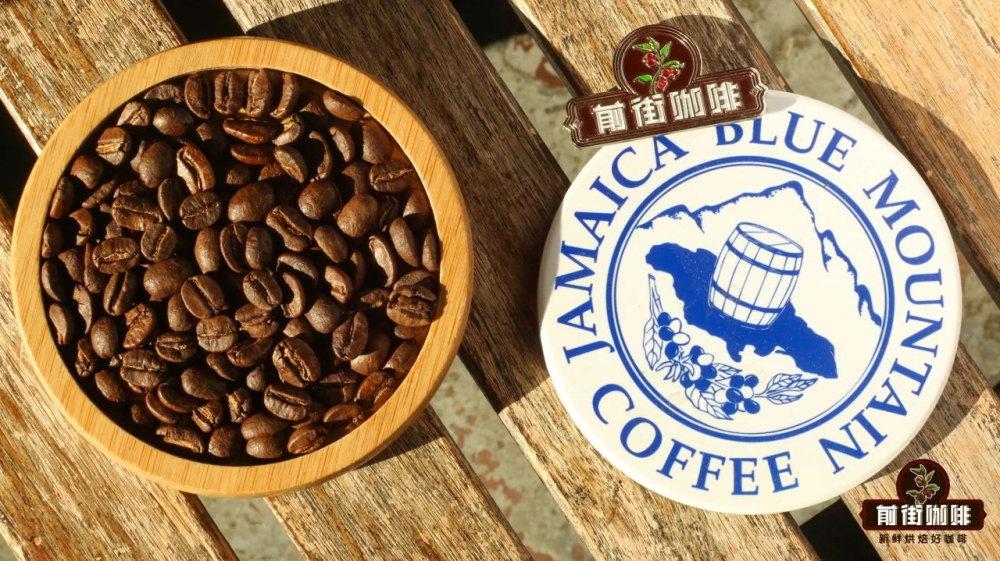
Front Street Jamaica Blue Mountain No. 1 Coffee Beans
Farm: Clifton Mount Farm
Estate owner: The Sharp family
Certification: Rainforest Alliance
Location: Newcastle area
Total area: 250 acres
Coffee planting area: 180 acres
Average altitude: 4300 feet (1310.64 meters)
Processing: Washed
Variety: Typica
Brewing flavor: Dark chocolate and nutty flavors, high cleanliness, very bright, good body, balanced acidity, sweetness, and bitterness.
Front Street Coffee (FrontStreet Coffee) roasting suggestions for Front Street Washed Blue Mountain coffee beans
Charge when the drum temperature reaches 170°C, open the damper to 3, after 1 minute adjust the gas to 140°C, keeping the damper unchanged; roast until 5'10'', at 153°C, the bean surface turns yellow, the grassy smell completely disappears, dehydration is complete; adjust the gas to 115°C and change the damper to 4; at the 8'00" minute, ugly wrinkles and dark spots appear on the bean surface, and the toasted-bread smell clearly turns into coffee aroma, which can be defined as the prelude to first crack. At this point, listen carefully for the sound of first crack. At 8'12" first crack begins; lower the gas to 90°C, open the damper fully (adjusting the gas must be done very carefully, not so low that there is no cracking sound), then drop at 201.3°C.

|High body
What is high body? It is coffee with low acidity or almost no acidity, thick and rich when drunk, with an obvious tongue-pressing sensation and a clear sweet aftertaste. Front Street PWN Golden Mandheling is a high-body coffee. Golden Mandheling is Mandheling coffee purchased from surrounding areas by PWN, then hand-sorted three times to ensure that Golden Mandheling beans are uniform in size. Also, because of this careful selection, Front Street PWN Golden Mandheling not only has Mandheling's herbal-spice characteristics, but also very noticeable sweetness.

Front Street Indonesia Golden Mandheling Coffee Beans
Region: Gayo Mountain, Aceh, Sumatra
Altitude: 1100-1600 meters
Variety: Ateng
Grade: G1, triple hand-sorted
Processing: Wet-hulled
Brewing flavor: Herbal, spice, rich and clean, high balance, intense nutty and caramel aroma, with chocolate notes, long finish.
Front Street Coffee (FrontStreet Coffee) roasting suggestions for Front Street Golden Mandheling coffee beans
Charge when the drum temperature reaches 200°C, open the damper to 3, after 1 minute adjust the gas to 160°C, keeping the damper unchanged; roast until 5'40'', at 148°C, the bean surface turns yellow, the grassy smell completely disappears, dehydration is complete; adjust the gas to 140°C and change the damper to 4; at 9'40'', ugly wrinkles and dark spots appear on the bean surface, and the toasted-bread smell clearly turns into coffee aroma, which can be defined as the prelude to first crack. At this point, listen carefully for the sound of first crack. At 9'54'' first crack begins; lower the gas to 60°C, open the damper fully (adjusting the gas must be done very carefully, not so low that there is no cracking sound), then drop at 204.5°C.
|Nutty-cocoa notes
Brazil has relatively low altitude, flat and monotonous terrain, lacks microclimates, and is accustomed to growing coffee trees with full-sun exposure, thus producing Brazil's unique soft-bean flavor. Through cupping Brazilian coffee beans from different regions, Front Street believes that Brazilian coffee beans have low acidity, noticeable nutty notes, chocolatey sweetness, and a rich body.

Front Street Brazil Queen Estate Yellow Bourbon Coffee
Region: Mogiana
Altitude: 1400-1950m
Variety: Yellow Bourbon
Processing: Natural
Brewing flavor: Sweet bean character, clean; using semi-natural processing gives it slightly bright acidity but excellent sweetness, and some even have tropical fruit aromas.
Front Street Coffee (FrontStreet Coffee) roasting suggestions for Front Street Brazil Queen Estate coffee beans
Preheat to 200°C and charge, adjust the gas to 150, open the damper to 3, turning point at 1'30", maintain the gas; at 5'10" it turns yellow, the grassy smell disappears, and the dehydration phase begins; lower the gas to 125 and open the damper to 3.5. At 8'20" dehydration is complete, wrinkles and dark spots appear on the bean surface, and the toasted-bread smell turns into coffee aroma, which is the prelude to first crack; at 178°C lower the gas to 80. At this point, listen carefully for the sound of first crack. At 9'14" first crack begins, open the damper fully to 5. After first crack, develop for 3'00, then drop at 201°C.
The above content is compiled by CoffeeHunters, a coffee news website.

