







Search Results for: airflow
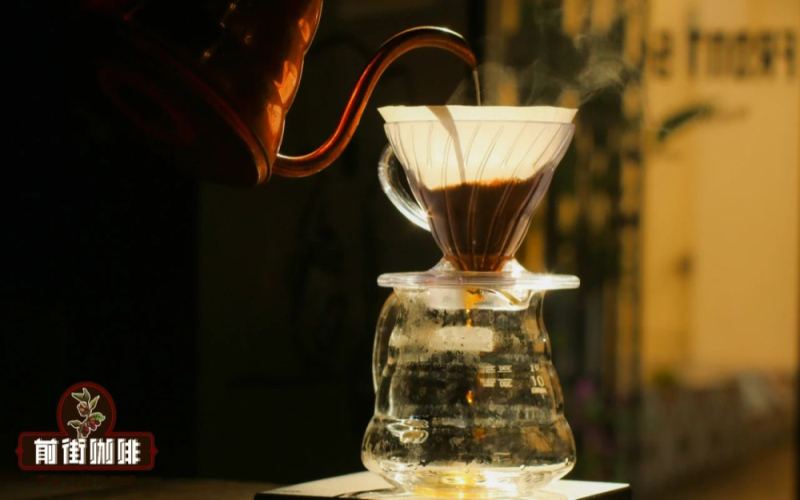
Guide to Buying Single-Origin Coffee Beans for Pour-Over: Seven Flavor Type Recommendations and a Full Analysis of Front Street's Product Line
As the community of pour-over coffee enthusiasts continues to grow, many people are at a loss when faced with the dazzling array of single-origin beans on the market. So-called single-origin beans come from the same producing region—which may be a single estate, a cooperative, or multiple estates or cooperatives within the same origin. Front Street Coffee categorizes currently popular single-origin beans into seven major types by flavor: fruity, floral, prominently fermented, prominently sweet, well-balanced, high-body, and nutty-cocoa. This article introduces representative bean varieties type by type, covering Yirgacheffe, Geisha, Costa Rica honey process, Blue Mountain, Mandheling, Brazil Queen Estate, and more, along with each bean's origin information, cupping flavor notes, and Front Street roasting curve recommendations, so coffee lovers can make precise purchases according to their taste preferences. [more…]
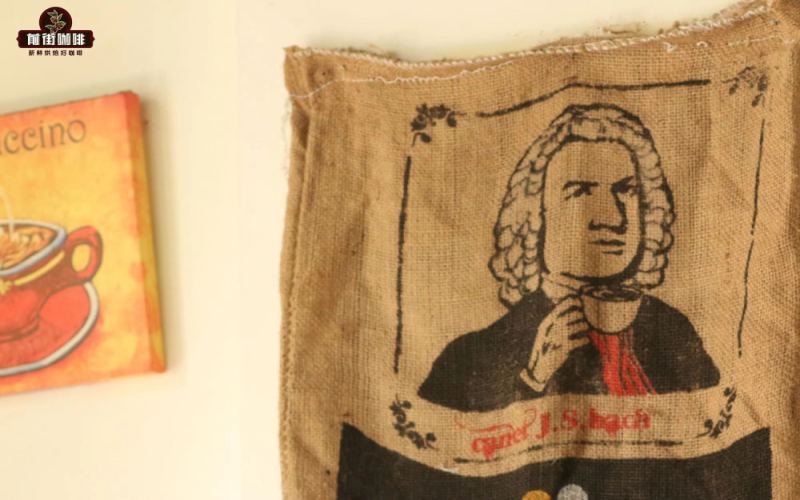
Costa Rica Canet Estate Musician Coffee: An Analysis of the Flavor Processing Differences Among Four Beans Including Beethoven and Mozart
Front Street Coffee takes you deep into Costa Rica's Tarrazú region, to Cafetín de Canet Estate, to explore a coffee series named after classical musicians. The estate uses Caturra and Catuai varieties, processed through raisin honey or washed methods, to create four distinctive specialty coffees: Bach, Beethoven, Chopin, and Mozart. Beethoven is washed, presenting clean and refreshing acidity of green grapes, strawberries, and citrus; Mozart and Bach use raisin honey processing, with prominent fermented aromas and tropical fruit notes, a full body, and ample sweetness. This article not only analyzes the flavor codes of each bean variety but also shares Front Street roasters' exclusive roasting curves and brewing suggestions, helping you fully understand the charm of the Musician Series. [more…]
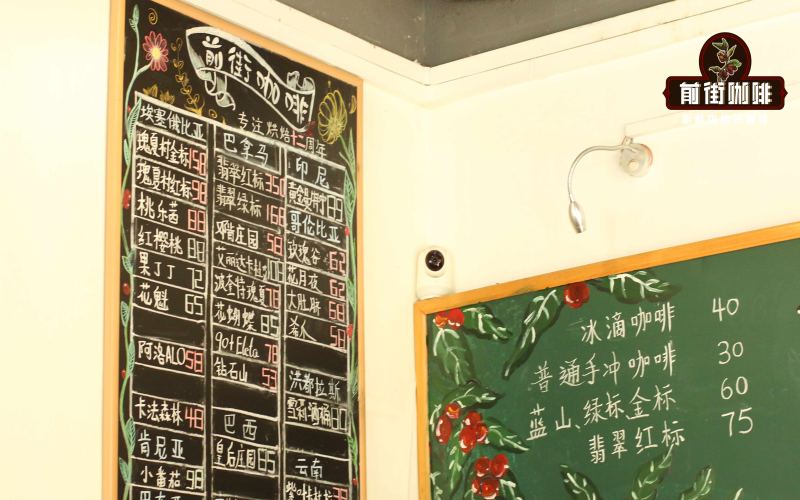
A Detailed Guide to the Flavor Differences of the World's Three Major Coffee Regions: A Comparison of the Characteristics of African, Latin American, and Asian Coffee Beans
The coffee belt encircles the equator, giving rise to the distinctive coffee flavors of three major producing regions: Africa, Latin America, and Asia. Front Street Coffee currently offers about 50 types of beans. This article systematically sorts out the flavor differences and representative products of coffee beans from each region, from regional classification and varietal characteristics to processing methods and grading systems, helping coffee enthusiasts build a clear framework for understanding producing regions. [more…]
Costa Rica Finca El Gigante Blueberry Coffee: Bruncas Region Terroir, Anaerobic Heavy Honey Processing, and a Cupping Comparison of Three Roast Profiles
Front Street Coffee recently acquired a batch of blueberry coffee beans from Costa Rica's Las Rocas Estate; the green beans exude an intense sweet blueberry aroma and rose floral notes. To fully reveal the flavor potential of these beans, the roaster team designed three different roasting profiles and cupped them one by one, striving to find the most balanced roasting plan that best expresses the terroir. This article will guide you through the terroir background of the Brunca region, the varietal composition and anaerobic heavy honey processing of Las Rocas Estate, and present in detail the roasting parameters of the three profiles and the differences in cup flavors, helping coffee enthusiasts gain a deeper understanding of the charm of these beans. [more…]

Manner handheld fan merch tested: weak airflow but sounds like a drill, the three-drink bundle threshold sparks heated debate
Manner has long been famous for its wide variety of branded cups, jokingly dubbed a "cup factory" by fans, but its latest campaign broke with tradition and instead gave away handheld mini fans. What was expected to be a practical summer favorite instead drew complaints from customers who received the actual product: the airflow was too weak to dispel the heat, while the noise was as loud as an electric drill, a hair dryer, or even a tractor — switch it to level three and you become the center of attention. What made some people hesitate even more was that getting the fan required buying a three-drink extra-large set, and without a coffee buddy it was hard to handle. This article compiles feedback from netizens to see why this merch item leaves people with mixed feelings. [more…]
A Complete Guide to Roasting Curve Parameters: From Turning Point to First Crack, a Step-by-Step Explanation of the Key Milestones
The roasting process of every coffee bean requires detailed recording of curve data, including the turning point, heat adjustments, temperature changes, and first crack time. These data are not only the basis for reproducing flavor, but also an important reference for roasters to understand the characteristics of the beans. This article will break down the key nodes in the roasting curve one by one—from the preheating drum temperature setting, the coordination of heat and airflow, to the turning point, yellowing point, Maillard reaction, caramelization reaction, and then to the determination of first crack and the calculation of the rate of rise—to help you build a clear logic for reading roasting curves. At the end, using [Front Street Jamaica Blue Mountain] as an example, it shows how to design the roasting rhythm according to the nature of the beans, so that acidity, body, and aroma reach a delicate balance. [more…]
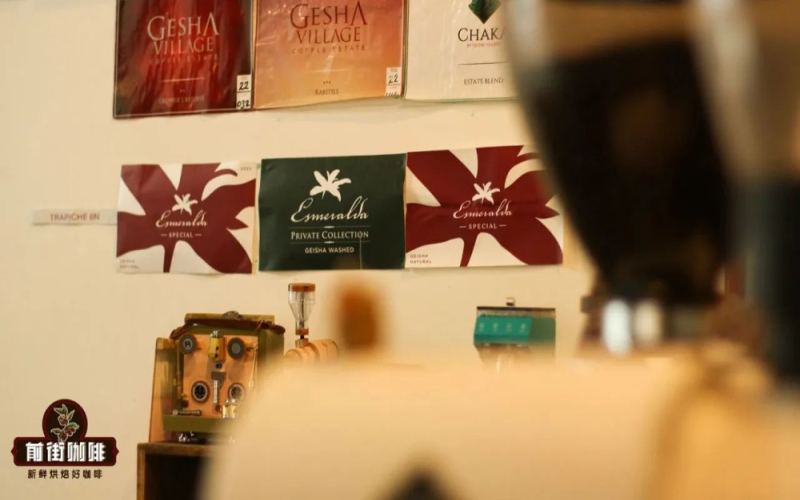
Comparison of Two Geisha Blends: Green Bean, Roasting, and Flavor Differences Between Front Street Coffee's Gesha Village Chaka and Front Street Coffee's Panama Butterfly
Front Street Coffee has recently added several Gesha Village lots, including Gold Label, Red Label, and Chaka. Many coffee enthusiasts are curious: both being Gesha blends, what exactly is the difference between Front Street Coffee Gesha Village · Chaka and Front Street Coffee Panama · Butterfly? This article compares the two across three dimensions: green bean information, roasting curves, and brewing parameters and flavor performance. Both beans are primarily Gesha variety, and both flavor profiles carry citrus fruit notes, but Chaka has higher body with prominent nutty flavors, while Butterfly is cleaner and clearer with obvious floral notes. If you are choosing a Gesha blend, this comparison may help you find the one that suits you better. [more…]
Espresso Blend Coffee Roasting in Practice: Analysis of Raw Blend Strategies, Density Difference Handling, and Development Rate Control Points
The roasting of espresso blends centers on balancing the density, size, and flavor direction of different bean varieties. Starting from the choice between pre-blend and post-blend, this article combines the blending case of Front Street Colombia Medellin and Front Street Ethiopia Yirgacheffe to break down in detail the logic of adjusting heat, airflow, and moisture during roasting, as well as how to handle combinations of green beans with large density differences through stages such as steaming, heat pushing, and gliding. The article also presents an espresso blend roasting approach with a development ratio controlled at around 25%, and includes measured espresso extraction parameters and flavor descriptions, making it suitable for enthusiasts who wish to gain a deeper understanding of espresso blend roasting. [more…]
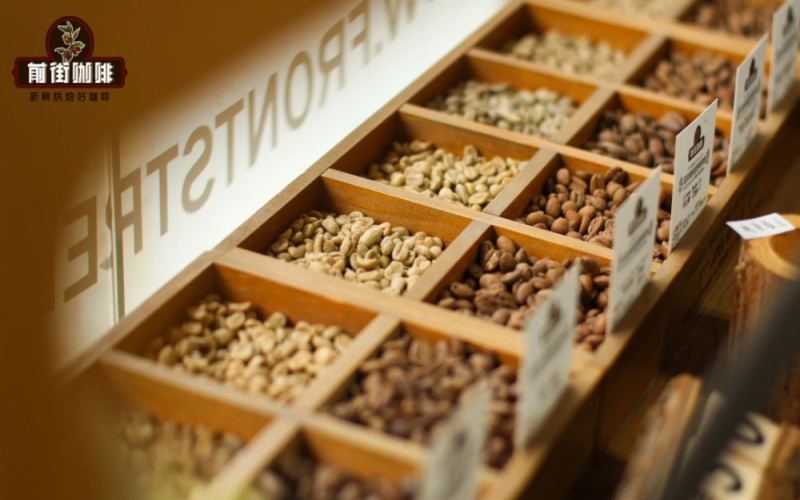
A Complete Guide to the SCAA Roast Color Chart: From Light Roast to Espresso, Understanding the Eight Roast Levels and Flavor Changes of Coffee Beans
What standards are actually used to classify the light, medium, and dark roasts commonly seen on coffee bean packaging, along with names like Cinnamon, City, and French? This article starts with the eight-level roast color card developed by the SCAA (Specialty Coffee Association of America) and the Agtron company, explaining how Agtron color values correspond to drop time, and groups the eight levels into four major categories: light, medium, medium-dark, and dark, explaining the flavor characteristics of each stage. The article also uses Front Street Coffee's Yirgacheffe Gidding and PWN Golden Mandheling as examples, fully presenting the roasting curve from charge temperature, adjustments to heat and airflow, to first crack development and drop timing, as well as the brewing parameters and flavor descriptions for the V60 and KONO Meimon drippers, making it easy for enthusiasts to build a corresponding understanding of roasting and extraction. [more…]
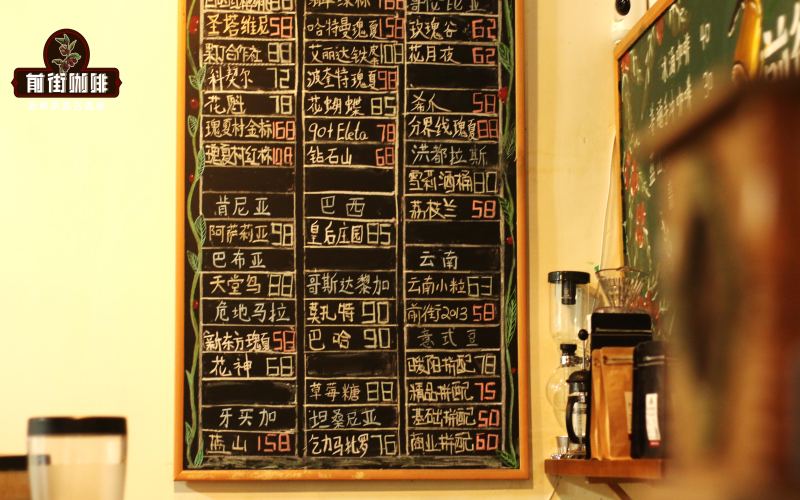
A Comprehensive Guide to Honduran Coffee: From Six Major Regions to Specialty Estates, Pour-Over Flavors, Varieties, and Processing Methods
Honduras is now a major global Arabica coffee producer, but its rise to prominence has not been smooth sailing. From the perspective of Front Street Coffee, this article systematically reviews the development history, grading system, and six core producing regions of Honduran coffee, and provides an in-depth analysis of the varieties, processing methods, and roasting and brewing details of three specialty beans: Twin Blossom Estate, Laurel Estate, and Sweet Orange Estate. You will learn about the chocolatey sweetness of the Copán region, the lively fruit acidity of Montecillos, and the flavor differences brought by washed and natural processing, making it suitable for enthusiasts who want a comprehensive understanding of Honduran coffee. [more…]
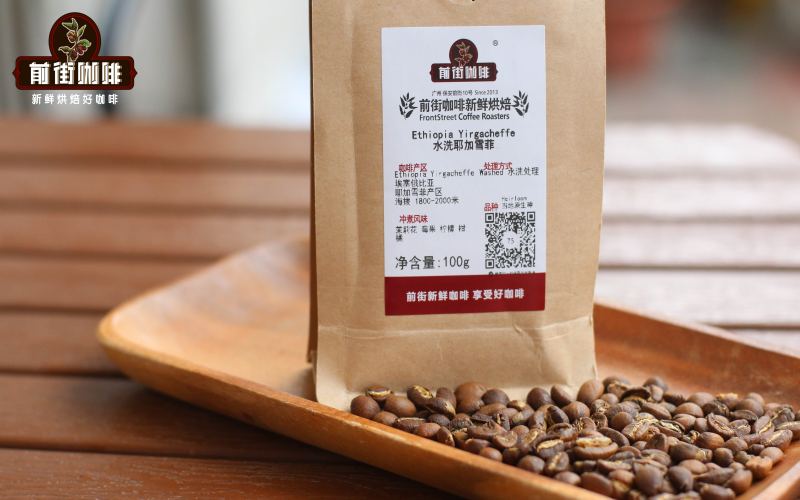
Yirgacheffe Natural vs. Washed: A Full Analysis of Flavor Differences, Processing Methods, and Pour-Over Parameters
Yirgacheffe is Ethiopia's most iconic specialty coffee region, and its two processing methods—natural and washed—produce strikingly different flavor profiles. From the perspective of Front Street Coffee, this article systematically outlines Yirgacheffe's regional background, grading system, and processing differences, offering an in-depth comparison of the two main types—natural and washed—in terms of green bean appearance, roasting curves, cupping flavors, and pour-over parameters, to help you fully appreciate the allure of this African coffee. [more…]

A Comprehensive Analysis of the Pour-Over Parameters and Flavor Characteristics of Honduras Sweet Orange Estate Coffee Beans, Light Roast
Honduras, as the largest coffee-producing country in Central America, has seen its coffee industry travel a winding road from obscurity to the ranks of the world's leaders. This article will start with Honduras's coffee development history, producing regions, and grading system, then focus on the washed Catuai variety from Sweet Orange Estate in the La Paz producing region in the southwest. Front Street Coffee will share this bean's green coffee characteristics, the design approach for its roasting curve, and complete brewing parameters for pour-over at a light roast, including grind size, water temperature, and coffee-to-water ratio, as well as a detailed description of its flavor layers of spicy roasted peanut dry aroma, berry acidity, and genmaicha finish, providing coffee lovers with a practical brewing reference. [more…]
A Complete Guide to Coffee Bean Roast Levels: From Agtron Numbers to Practical Brewing for Light and Dark Roasts
The roast level of coffee beans often directly determines the flavor expression in the final cup. When confronted with terms on packaging such as light roast, medium roast, dark roast, and even cinnamon roast, city roast, and French roast, many friends new to specialty coffee are often confused. From the perspective of Front Street Coffee, this article first sorts out the eight-tier roast standards established by the SCAA based on Agtron color values, then groups them into two major categories—light and medium—explaining their respective flavor tendencies. It then uses the light-roasted Yirgacheffe Gedeb Cooperative and washed beans, along with the medium-dark roasted Front Street PWN Golden Mandheling as examples, fully disclosing the roast curves and brewing parameters for the V60 and KONO Meimon drippers, helping readers build a systematic understanding from roasting to extraction. [more…]
Yirgacheffe Coffee Full Analysis: Natural and Washed Characteristics, Flavor Differences, and Brewing Taste Guide
Yirgacheffe is Ethiopia's most iconic specialty coffee region, famed for its bright, lemon-citrus-like acidity and rich floral and fruity aromas. Among Front Street Coffee's everyday drinking bean lineup, the washed and natural Yirgacheffes showcase two distinct styles: clean and transparent, and fermented sweet. This article systematically sorts through Yirgacheffe's regional background, grading system, processing method differences, roasting curves, and brewing parameters, and introduces one by one the specific flavors of Front Street's washed series (Kochere, Konga, Gotiti, Worka) and natural series (Aricha, Red Cherry), helping you fully understand the diverse facets of this classic coffee. [more…]
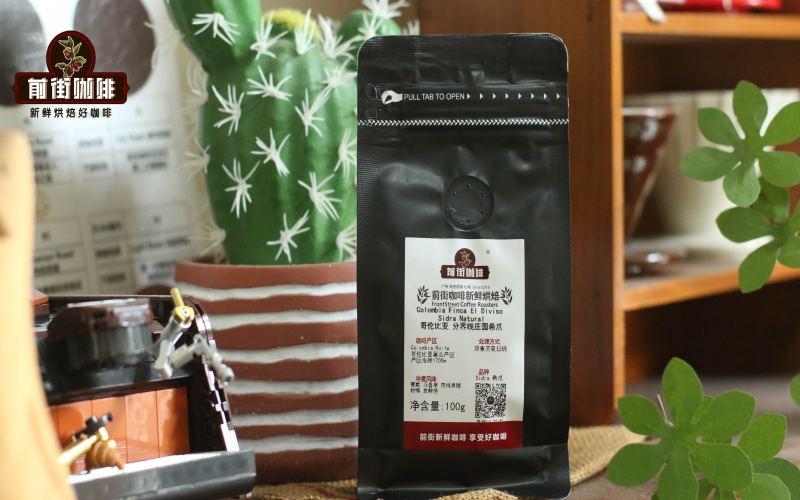
Flavor Analysis of Colombia's Five Major Specialty Coffee Regions: Key Points for Washed Coffee Brewing and Roasting
Colombia, with its advantageous location featuring ports on both the Atlantic and Pacific, has become a major coffee-exporting country in South America. Its specialty coffee is mainly concentrated in the Eastern and Central Cordilleras, as well as in the southern regions of Huila, Cauca, and Nariño. This article reviews the flavor characteristics of five producing regions—Medellín, Santander, Huila, Cauca, and Nariño—and includes roasting and brewing parameters for several Front Street Coffee Colombian beans, with specific recommendations for Rose Valley, Huila, Cherry Blossom, and others, for coffee lovers' reference. [more…]
Analysis of the Causes of Acidity in Colombian Coffee and Its Flavor Differences from Brazil, Plus the Characteristics of Major Producing Regions and Varieties
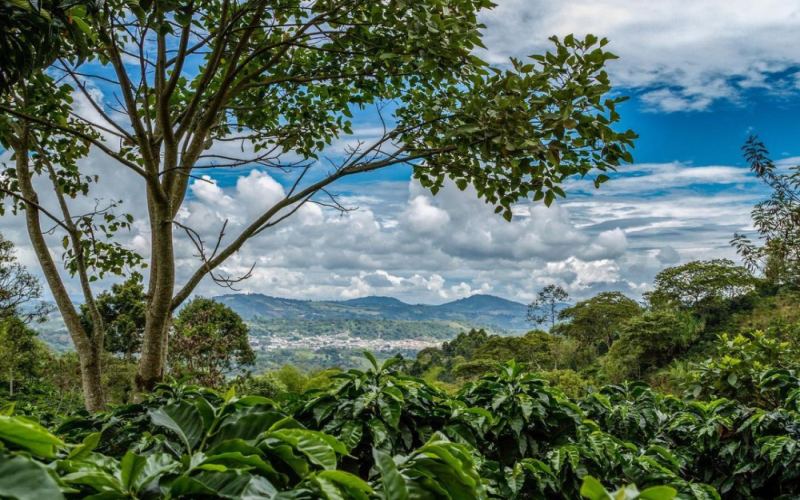
Colombia enjoys the advantage of dual ports on the Atlantic and Pacific, making its coffee transportation costs far lower than other South American countries. Its producing regions are mostly distributed in the high-altitude areas of the Andes Mountains, creating coffees known for excellent acidity and distinctive flavors. This article provides a detailed analysis of the sources of Colombian coffee's acidity, compares its flavor differences with Brazilian coffee, and introduces one by one the variety characteristics and cupping flavors of core producing regions such as Medellín, Santander, Huila, Cauca, and Nariño. It also includes roasting and brewing recommendations for several Front Street Coffee Colombian beans, helping coffee enthusiasts gain a deeper understanding of the terroir charm of this major South American coffee country. [more…]
Flavor Characteristics and Brewing Tips of Colombian Huila Coffee, with Flavor Profiles of Each Producing Region and Front Street Coffee Roasting Suggestions
Colombia, with its advantageous location featuring dual ports on the Atlantic and Pacific, has coffee export transportation costs far lower than other South American countries. Its coffee-growing regions are distributed along the Eastern, Central, and Western Cordilleras, forming a specialty coffee map of Medellin, Santander, Huila, Cauca, Narino, and other areas, each with distinct terroir characteristics. This article systematically reviews the flavor differences among Colombia's main growing regions, with a focus on analyzing the taste characteristics of Huila coffee, and shares Front Street Coffee's roasting curves and three-stage brewing parameters for bean varieties such as Huila, Rose Valley, and Sakura, helping coffee enthusiasts consistently reproduce at home the rich, mellow flavor interwoven with nuts, chocolate, and caramel. [more…]
Analysis of Coffee Flavors by Colombian Region: Taste Characteristics and Brewing Tips from Medellín to Nariño
Colombia, with its geographical advantage of dual ports on the Atlantic and Pacific, has become the country with the lowest coffee transportation costs in South America. Its traditional producing regions are distributed along the Eastern and Central Cordilleras and in the southern regions of Huila, Cauca, and Nariño, forming a flavor map with distinctive characteristics. From the full-bodied richness of Medellín and the fresh herbal notes of Santander, to the nutty-chocolate tonality of Huila and the high-altitude sweet-acidity balance of Cauca, and further to the equatorial high-mountain microclimate of Nariño, each producing region displays its own unique charm. This article systematically reviews the taste characteristics of Colombia's main producing regions, Front Street Coffee's cupping evaluations and roasting recommendations, and includes brewing parameter references to help coffee enthusiasts gain a comprehensive understanding of the diversity of Colombian coffee. [more…]

A Complete Guide to Colombia's Specialty Coffee Regions: Flavor Profiles of Five Major Origins and Front Street Roasting Recommendations
Colombia, with its geographical advantage of having ports on both the Atlantic and Pacific Oceans, has become the country with the lowest coffee export transportation costs in South America. Its specialty coffee producing regions are mainly distributed across the Eastern and Central Cordilleras and the southern region, with the five most representative regions being Medellin, Santander, Huila, Cauca, and Narino. Due to differences in altitude, microclimate, and soil, these regions present a rich flavor spectrum ranging from nutty chocolate to berry and peach notes. Front Street Coffee has conducted in-depth cupping of beans from each region. This article systematically reviews the flavor characteristics and growing conditions of the five major regions, and includes Front Street's recommended roasting and brewing parameters for each bean, helping coffee enthusiasts gain a comprehensive understanding of the unique charm of Colombian coffee. [more…]
The Origin and Evolution of Geisha Coffee Beans: How to Accurately Identify the Truth and Falsehood of Geisha Historical Claims
Geisha coffee beans now frequently appear in major coffee competitions, becoming a star variety in the specialty coffee world. Where exactly did it come from, and how did it step by step reach the world stage? This article will start with the variety definition and origin of Geisha, sorting out its development trajectory from the forests of Ethiopia to Panama's Hacienda La Esmeralda, and provide a detailed interpretation of Hacienda La Esmeralda's Red Label, Green Label, and Blue Label Geisha grading systems and their respective flavor characteristics. At the same time, Front Street Coffee will share years of cupping and roasting experience, analyzing methods for identifying Geisha green beans, light-roast approaches, and brewing suggestions, helping coffee enthusiasts clarify the true and false claims in Geisha's history. [more…]