







Search Results for: impact on coffee industry

Heytea Teams Up with Genshin Impact for a Collaboration Drink, Sparking Discussion Over Participation Thresholds and Merchandise Quantities
Recently, Heytea launched a collaborative partnership with the popular game Genshin Impact, releasing themed products and merchandise, which sparked widespread attention among players and consumers. Previously, Genshin Impact's collaboration with Pizza Hut had caused stores to be packed, and this time Heytea built up hype in advance, with the official announcement of the event on September 5. However, some netizens expressed dissatisfaction with having to buy a whole case of juice tea to get a redemption code, as well as the relatively small number of merchandise rewards, considering the participation conditions to be rather harsh. Although general sales will be opened later, this collaboration still reflects the popularity and controversy of IP tie-ins in the food and beverage industry. This article reviews the course of the event and looks at the trend of cross-industry marketing by coffee and tea beverage brands, while also providing a professional communication channel for coffee enthusiasts. [more…]
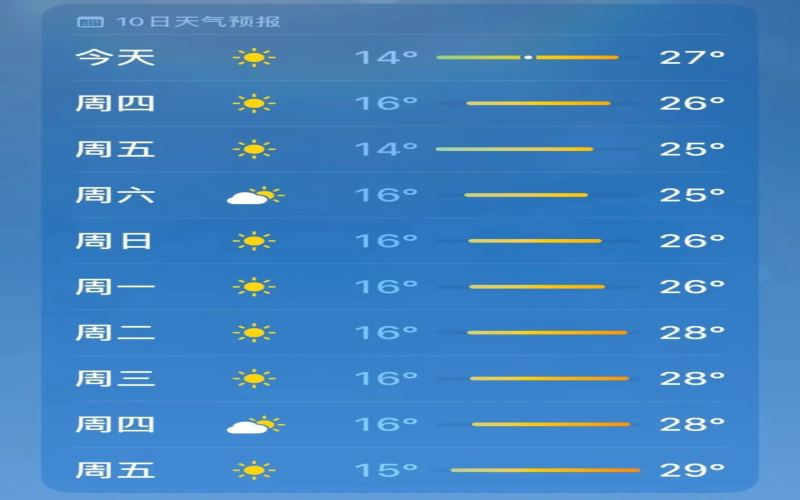
Selling Coffee in a Herbal Tea Shop: The Most Impactful Cross-Industry Marketing Phenomenon in the Coffee Industry in 2023
In 2023, a highly impactful marketing approach emerged in the coffee industry—selling coffee inside herbal tea shops. In Guangdong, dampness and internal heat are everyday anxieties that elders constantly bring up, yet young people's demand for coffee has never diminished because of this. Thus, the combination of setting up a bar and selling coffee inside herbal tea shops came into being, soothing the elders' concerns while satisfying coffee lovers' need for a pick-me-up. This article will analyze why this cross-industry combination precisely addresses the core pain points of Guangdong coffee drinkers, explore the trend of blending coffee shop styles with traditional Chinese medicine shops and herbal tea shops, analyze the potential risks of "incorporating medicine into coffee," and answer the question of whether drinking coffee really causes internal heat and heavy dampness. [more…]
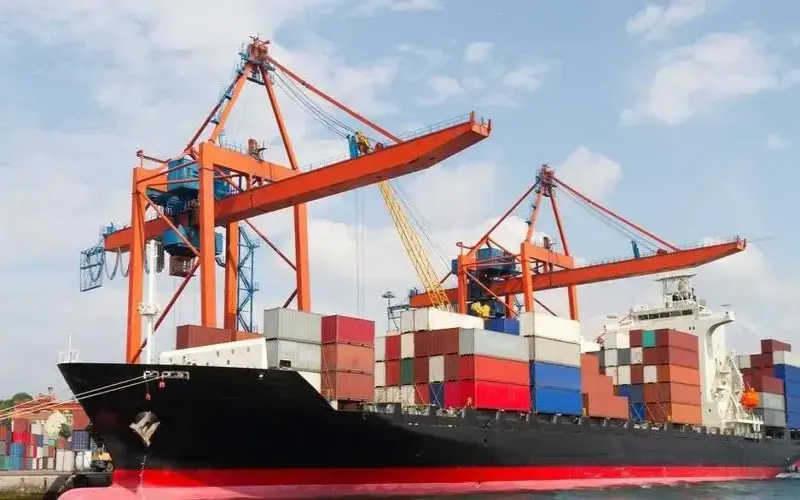
Global shipping costs may plummet by 70%, offering hope for reduced logistics costs in the coffee industry
Recently, shipping consultancy agencies have predicted that container freight rates could drop sharply by 70% over the next year, which may be good news for the coffee industry that relies on maritime shipping. Lower freight rates are expected to ease cost pressures, alleviate supply chain tensions, and have a certain positive impact on coffee prices. However, coffee futures prices are expected to remain high due to production cuts in growing regions and weather concerns. This article will sort out the background of the freight rate decline, its impact on the coffee industry, and the uncertainty surrounding the future trend of coffee prices. [more…]
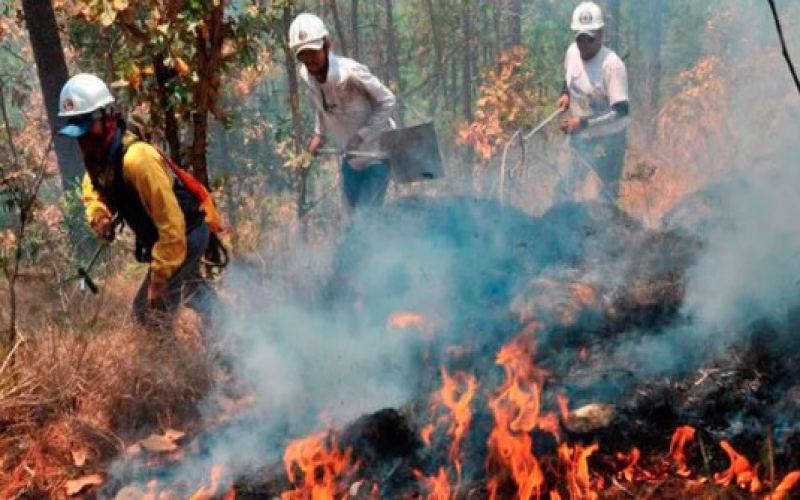
The high temperature in the Americas continues! The coffee industry in Honduras is affected.
Recently, due to the impact of bad weather in the local area of Honduras, the Honduras Coffee Research Institute (IHCAFE) is concerned about the future coffee output. According to the data released recently by the Honduras Forest Conservation Institu [more…]

Indonesian Protest Wave Hits Coffee Industry: Exports Plunge by More Than Half, Casting a Shadow Over Origin Prospects
Large-scale protests erupted in multiple parts of Indonesia against the amendment to the Regional Election Law, and the situation in front of the Indonesian parliament building in Jakarta briefly spiraled out of control, with more than 300 people arrested. This political turmoil comes just as Indonesia's coffee industry faces severe challenges—exports from the Sumatra production region plunged by more than 50% year on year, and compounded by high global robusta prices and the Red Sea crisis, Indonesia's coffee market remains sluggish. The protests have affected union participation and obstructed logistics, and industry insiders are generally pessimistic about the outlook for the coffee industry. This article will sort out the ins and outs of the incident and its deep impact on the coffee industry. [more…]
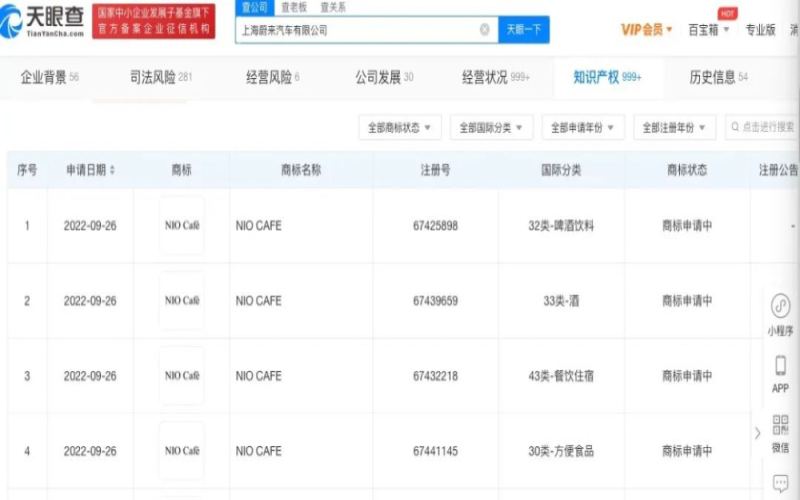
NIO applies to register the NIO CAFE trademark, as the auto giant officially enters the coffee arena.
The appeal of the coffee market continues to climb, and now even the new forces in car manufacturing can no longer sit still. Shanghai NIO Automobile Co., Ltd. recently applied to register four "NIO CAFE" trademarks, covering international classifications such as catering and accommodation, beer and beverages, and convenience foods, sparking widespread industry attention. In fact, NIO's offline stores have long had dedicated coffee areas, and this trademark registration means it will formally enter the coffee sector. Against the backdrop of the coffee market's continued expansion and a surge in orders from lower-tier cities, will car brands' cross-industry entry impact the existing coffee landscape? This article will analyze from the perspectives of trademark applications, market data, brand positioning, and industry impact, and bring Front Street Coffee's professional observations. [more…]
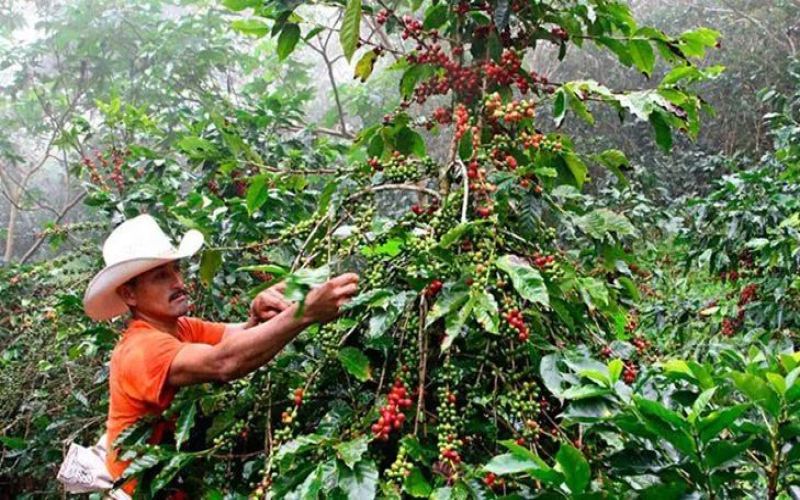
Honduran Migration Wave Hits Coffee Industry: Labor Shortage Crisis During Harvest Season, Exports to China Emerge as New Opportunity
Honduras is currently experiencing a severe socio-economic crisis. Corruption, institutional collapse, the impact of the pandemic, and hurricane disasters have compounded, pushing poverty rates to extreme levels, causing widespread closures in the export processing industry and the loss of over 100,000 jobs, with many of the unemployed choosing to emigrate abroad. This wave of emigration directly affects the coffee growing industry—as the harvest season approaches, there is a severe shortage of skilled pickers, and the prospects for the harvest are worrisome. At the same time, Honduran organic coffee beans have been successfully exported to China, with 12 companies authorized to trade with China, bringing a glimmer of hope for economic recovery. This article will outline the root causes of the crisis, its impact on the industry, and the latest trade developments. [more…]
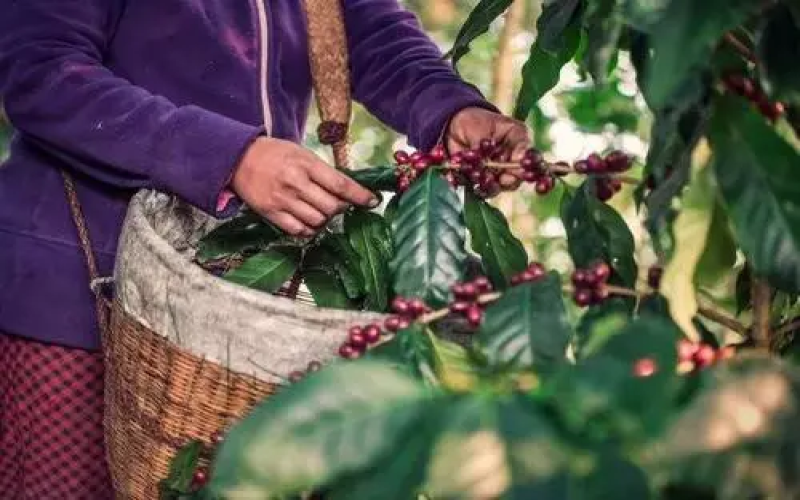
Under the dual impact of climate shocks and market downturn, El Salvador's coffee export volume and value have plummeted, with Chinese demand emerging as a potential bright spot.
Due to a combination of extreme weather, falling coffee futures prices and labor shortages, El Salvador's coffee bean export volume and export value both fell sharply in the first four months of the 2023/24 harvest season. According to a report by the Salvadoran Coffee Institute, export volume fell by nearly 47% year-on-year, export value dropped by more than 50%, and in January alone export value plunged by more than 90%. The United States remains the largest buyer, but Italy, Saudi Arabia and other countries follow closely behind in share. The decline in production is directly related to drought and extreme rainfall caused by the El Niño phenomenon. At the same time, El Salvador's coffee exports to China are on the rise, with 13 trading companies having completed registration in China, and the industry is optimistic about the potential of the Chinese market. Front Street Coffee continues to follow developments in the producing regions and bring frontline news to enthusiasts. [more…]
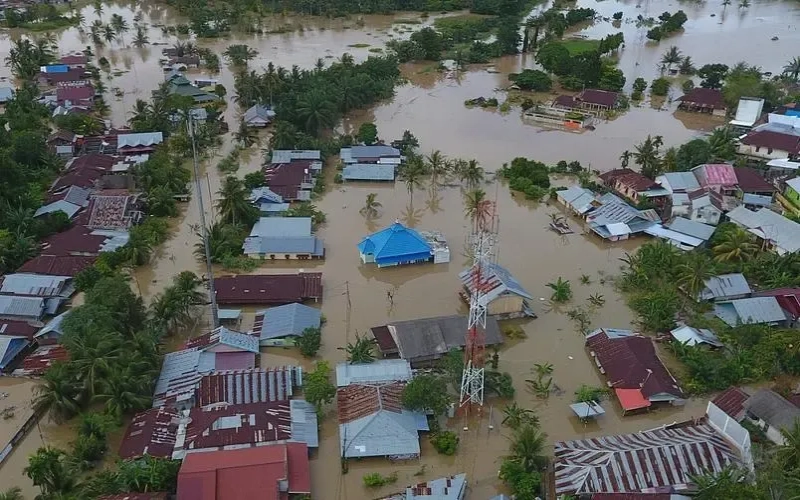
Severe Weather in Indonesia Devastates Coffee-Growing Regions: Java and Sumatra Hit Hard, Output Expected to Fall by as Much as 50%
Indonesia is a major global coffee producer, with coffee cultivation mainly distributed across islands such as Sumatra, Java, Sulawesi, and Bali. However, the country has recently experienced persistent severe weather, and floods and landslides triggered by heavy rain have dealt a serious blow to multiple coffee-producing regions. The Bandung area on Java Island, the island's largest coffee-producing region, has already seen casualties and extensive housing damage; nine regions in western Sumatra have been especially hard hit, and with Robusta coffee at the pre-fruiting and early harvesting stage, losses have been severe. According to estimates by local producers, output on some islands will fall by 20%, and the country's total production may be halved. At the same time, the Indonesian government has designated coffee as a national priority industry and significantly increased fertilizer subsidies in an attempt to ease the impact of the disaster on agriculture. This article will review the specific effects of the disaster on Indonesia's coffee industry and related policy trends. [more…]

Heytea partners with "Empresses in the Palace" to launch a co-branded new product, adding another cultural experience to new tea drinks' crossover with film and TV IPs
HEYTEA has made another move, officially announcing a co-branding collaboration with the nationally beloved TV drama Empresses in the Palace, launching two new products: "Zhen Guo · Da Ju Hua Li" fruit tea and "Zhen Nai · Xue Niang Han Cui" milk tea, both priced at 18 yuan. This is the first time Empresses in the Palace has crossed over into a co-branding partnership with a new-style tea beverage brand, and it is also HEYTEA's latest IP collaboration attempt following A Dream of Splendor and Genshin Impact. From "Meng Hua Cha Xi · Dian Cha" selling nearly 300,000 cups on its launch day, to the Genshin Impact co-branded fruit juice tea's first batch selling out within 59 minutes, HEYTEA's cross-brand collaborations have become increasingly frequent and remarkably effective. This collaboration not only enriches the drama's connotations but also provides a new direction for exploring cultural experiences in new-style tea beverage brands. Follow Coffee Workshop to learn more about specialty coffee and beverage industry trends, and Front Street Coffee (FrontStreet Coffee) also continues to bring you professional coffee knowledge exchange. [more…]

Exploring the Nairobi Coffee Exchange in Kenya: Auction Mechanisms, Historical Evolution, and Industry Impact
Kenyan coffee is world-renowned for its layered, complex flavors and bright, juicy acidity, and enthusiasts who frequently work with Kenyan beans have likely heard of an institution called the NCE. The NCE, or Nairobi Coffee Exchange, is a coffee trading platform established by the Kenyan government and an indispensable link in the country's coffee supply chain. This article will walk you through how the NCE operates, its historical origins, and the role it plays in Kenya's coffee industry, while also tracing the institutional changes from the colonial period to independence, and how coffee farmers and cooperatives export their coffee to the world through auctions or direct sales. [more…]

Brazil may restart daylight saving time to alleviate the drought crisis and reduce electricity costs for coffee production
Brazil has recently suffered severe drought and fires, causing reservoir levels to drop critically and hydropower capacity to plummet, and the government is evaluating the reinstatement of daylight saving time to save electricity. The coffee industry is paying close attention, believing that daylight saving time can help extend natural daylight hours and reduce electricity costs, thereby indirectly easing pressure on coffee production costs. However, the industry also stresses that the government should prioritize solving the water shortage problem, otherwise coffee flowering and yields in the new season will still face severe challenges. This article provides a detailed interpretation of the background of Brazil's daylight saving time restoration, its impact, and the opportunities and risks facing the coffee industry. [more…]

Global warming breaches the 1.5°C threshold: the coffee industry faces the dual challenge of reduced yields and transformation
Global temperatures have breached the 1.5°C threshold above pre-industrial levels for the first time, and this shift is profoundly shaking the foundations of the coffee industry. Arabica beans account for about 60% of global production but are extremely sensitive to climate conditions. The droughts, hail, and diseases brought by continued warming have already caused two consecutive years of supply falling short of demand. Some experts warn that if the warming trend continues and reaches 2.5°C by the end of this century, most coffee-growing regions may disappear. In the face of the crisis, Starbucks, Colombian research institutions, and a growing number of producing countries are seeking a way forward by cultivating new varieties and reassessing the value of Robusta. Front Street Coffee will also continue to monitor the far-reaching impact of climate change on coffee flavor and the supply chain. [more…]

China's Coffee Market Landscape Shifts: Shanghai Loses Momentum Under Pandemic Impact, Chengdu Accelerates Its Rise
For a long time in the past, Shanghai was regarded as the city with the highest coffee density in China. However, the nearly three-month suspension of dine-in services dealt a heavy blow to Shanghai's catering industry, and coffee brands began to turn their attention to Chengdu. Data shows that Chengdu now has more than 7,000 coffee shops, ranking second nationwide, with independent coffee shops accounting for as much as 81.07%, far exceeding Shanghai's 57.01%. Luxury brands have also chosen to open coffee shops in Chengdu one after another, including LV, Cartier, Ralph's Bar, and Maison Margiela Café. Wangping Street, Mengzhuiwan, and Tangpa Street in Chengdu have become popular coffee districts, where teahouse culture and coffee consumption blend together. This article will analyze the data and trends behind this round of changes in the coffee city landscape. [more…]

Ethiopia Deploys 40,000 Troops to Crush Fano Insurgents, Coffee Industry Faces Dual Test of Costs and Exports
The Ethiopian federal government has recently deployed approximately 40,000 additional troops to the Amhara region, launching a new large-scale military operation against Fano armed forces. Intense clashes have erupted in multiple areas, disrupting urban transportation and leaving residents trapped in their homes. The conflict has lasted for over a year, causing heavy casualties and severely impacting local agricultural and livestock production as well as logistics and transportation. As a major coffee-producing country in Africa, Ethiopia is facing multiple challenges, including currency depreciation, rising cultivation costs, and compliance pressure from the EU Deforestation Regulation (EUDR). This article will review the latest developments in the conflict and their potential impact on the coffee supply chain. [more…]
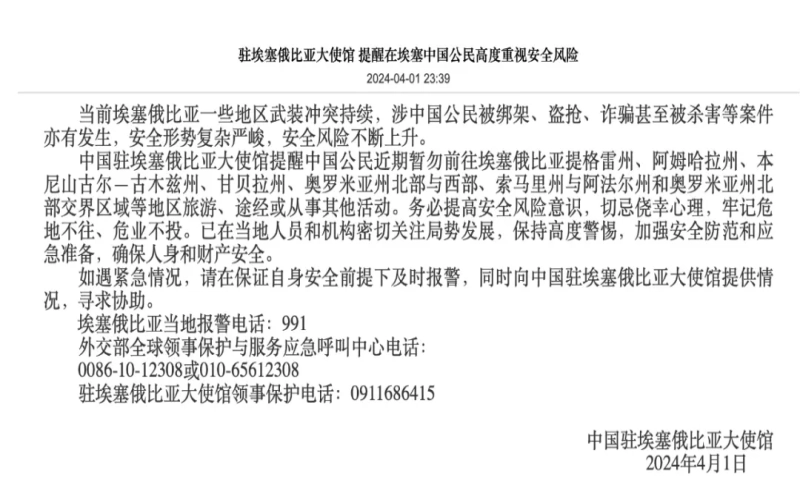
The Chinese Embassy in Ethiopia has issued a safety reminder: temporarily avoid travel to high-risk areas such as Tigray, affecting the coffee trade and tourism.
Recently, the Chinese Embassy in Ethiopia issued a notice advising Chinese citizens to temporarily avoid traveling to several high-risk areas, including Tigray and Amhara regions. The country's protracted civil war and local armed conflicts continue to spread, not only creating security risks but also severely impacting an economy and tourism industry that rely on coffee and agriculture and animal husbandry as pillars. As the recognized birthplace of coffee, Ethiopia's turbulent situation also affects the travel plans of coffee traders and bean hunters. This article outlines the background of the conflict, its impact on the economy and the coffee industry, and reiterates the embassy's safety recommendations, reminding those planning to travel to the country to remain highly vigilant and ensure their personal and property safety. [more…]

São Paulo State, Brazil Hit by Strongest Storm Since 1995, Coffee Industry and Multiple Sectors Suffer Losses of 1.65 Billion Reais
Brazil's São Paulo state recently suffered its strongest storm since 1995, with wind speeds reaching 107.6 kilometers per hour, causing at least 7 deaths, power outages for more than 3.1 million residential and commercial users, and cumulative economic losses of 1.65 billion reais. This extreme weather not only severely damaged local power supply and industrial production, but also directly harmed coffee trees that were in the flowering stage of the new crop season, leading to a decline in coffee production. At the same time, Brazil's largest coffee-producing region, Minas Gerais, continues to face the threat of drought and high temperatures. The official agency Conab has lowered its production forecast, with total output decreasing by about 4 million bags compared with the previous year. This article will provide a detailed review of the impact of this disaster on Brazil's coffee industry and related economic sectors. [more…]

Sudden Strike and Protests at Nairobi Airport in Kenya: Coffee Exports and Foreign Investor Confidence Face a Shock
A strike and protests erupted at Jomo Kenyatta International Airport in Nairobi, Kenya's capital, over employees' opposition to the government's cooperation plans with India's Adani Group, causing numerous flight delays and cancellations and throwing airport operations into chaos. This turmoil not only hits tourism and cargo but may also weaken investor confidence, making Kenya's coffee industry even worse off. This article sorts out the cause of the incident, its development, and its chain effects on the coffee industry, helping readers understand the complex situation currently facing East African coffee origins. [more…]
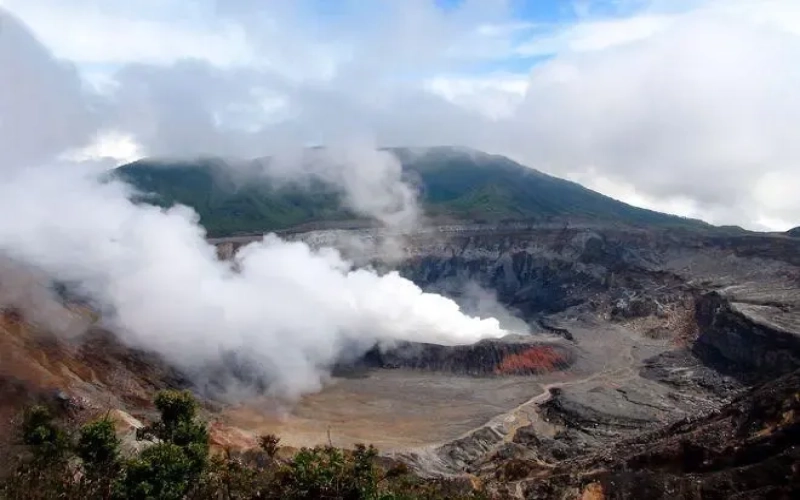
Costa Rica's Poás Volcano Sees Strongest Eruption in Nearly Five Years, Ash Fall Affects Residents' Lives and Coffee-Growing Regions
On April 2, the Poás Volcano in Costa Rica experienced its largest eruption in nearly five years, with an ash column reaching 600 to 800 meters above the crater, posing a threat to local residents' lives, air quality, and crops such as coffee. Poás Volcano National Park has been temporarily closed, and several coffee-producing regions around the volcano, including the well-known Central Valley, also face potential impacts from volcanic ash. At the same time, drought and frequent fires triggered by El Niño have further intensified pressure on local agriculture. This article will review the specifics of this volcanic eruption, its impact on the coffee industry, and the outlook for Costa Rica's coffee exports. [more…]

Two major coffee-producing regions in Indonesia have been hit by disasters in succession; output may decline further, and prices could keep rising.
Recently, several major coffee-producing regions in Indonesia have been hit by natural disasters. A magnitude 5.0 earthquake struck near Bandung in West Java on the island of Java, causing injuries and damage to homes; the Aceh region in northern Sumatra was hit by heavy rain and strong winds, and with the coffee harvest season underway, harvesting work has been disrupted. At the same time, several provinces are also facing ongoing drought, and coffee production may decline further. This article summarizes the disaster situations in various areas and their impact on Indonesia's coffee industry. [more…]