







How Does Extreme Weather Affect Coffee Production in Brazil?
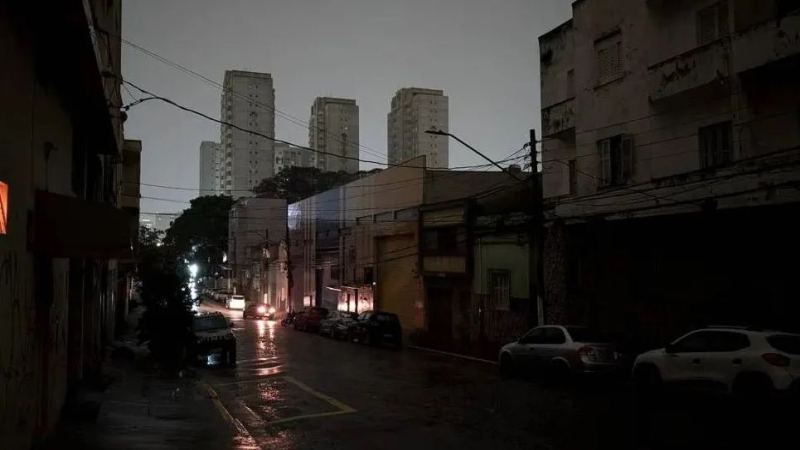
São Paulo state in Brazil was hit by its strongest storm since 1995, with winds reaching 107.6 kilometers per hour. The storm killed at least seven people and cut power to more than 3.1 million homes and businesses, causing economic losses of 1.65 billion reais. Coffee trees in the flowering stage of the new crop season were damaged, which points to lower coffee production ahead.
Minas Gerais, Brazil's largest coffee-producing state, also faces drought and high temperatures. The official agency Conab has lowered its forecast, with total production down by about 4 million bags from the previous year. São Paulo's commerce federation FecomercioSP says the outage losses cover only unrecorded revenue and basic damage, so the real figure is likely higher.
The state of São Paulo, Brazil, recently suffered its strongest storm since 1995, with wind speeds reaching 107.6 kilometers per hour, causing at least 7 deaths, power outages for more than 3.1 million residential and commercial users, and cumulative economic losses of 1.65 billion reais. This extreme weather not only severely damaged local power supply and industrial production, but also directly harmed coffee trees that were in the flowering stage of the new crop season, leading to a decline in coffee production. At the same time, Minas Gerais, Brazil's largest coffee-producing state, continues to face the threat of drought and high temperatures. The official agency Conab has lowered its production forecast, with total production down by about 4 million bags compared with the previous year. This article will provide a detailed review of the impact of this disaster on Brazil's coffee industry and related economic sectors.
According to Brazilian media reports, the state of São Paulo previously experienced a severe storm accompanied by record-breaking strong winds, causing at least 7 deaths, with 2.1 million residential and commercial users left without power. According to the latest report from São Paulo's state power company (Enel SP), power has been restored in most areas affected by the storm, but the outage still brought cumulative economic losses of 1.6 billion reais to the state.
The power company's report shows that the number of affected users has been revised from the previously reported 2.1 million to 3.1 million. However, most residents affected by last week's storm have had their power restored, with only about 36,000 households still without electricity, and repair work is still ongoing.
Although the report noted that power restoration after this outage was faster than last year, the impact was still very severe. According to a survey by the São Paulo State Federation of Commerce, Services and Tourism (FecomercioSP), by the fourth day of the outage, multiple industries had suffered cumulative serious losses of 1.65 billion reais. However, this figure only covers revenue that businesses were unable to record during the outage and some basic losses, and the actual loss amount is expected to be higher.
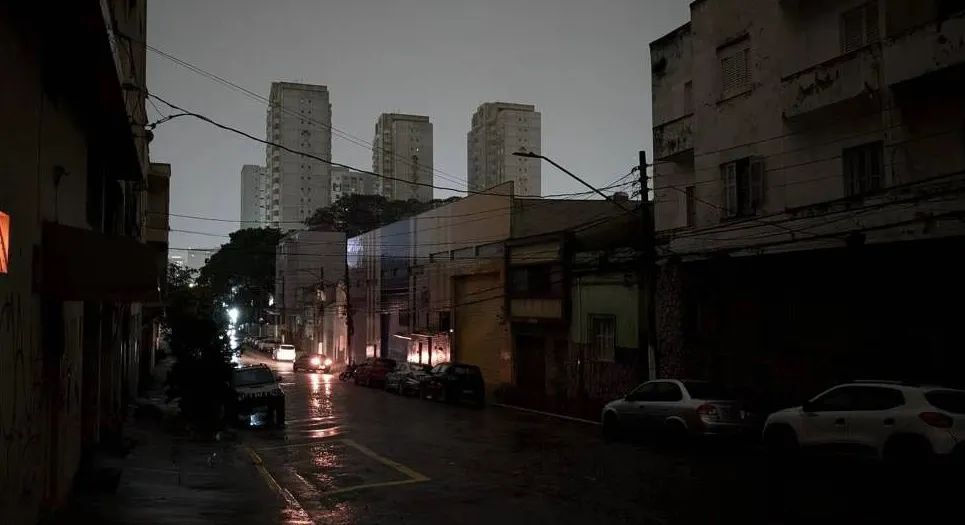
The federation stated that São Paulo, as Brazil's largest metropolis, is the largest economic, trade, commercial, financial, logistics and transportation center in Brazil and even South America, with highly developed industry, and should not frequently experience power interruptions, let alone be without power for long periods during such events. Some areas and users even went more than a week without power, just like the outage at the end of 2023. The power shortage not only severely affected public life, but also brought huge economic losses to the business community.
It is reported that São Paulo is Brazil's most important industrial state, with industries such as steel, automobiles, aircraft and electronics, as well as textiles, food processing and papermaking. The power outage caused companies to face problems such as inventory accumulation and inability to deliver goods. Many companies are recording economic losses, and some important manufacturing enterprises also need to rent generators, hire additional labor or buy fuel to keep equipment running, further increasing operating costs. In addition, the report showed nearly 400 incidents of fallen trees, affecting road facilities and logistics transportation.
In addition, this storm was the strongest weather event in the region since 1995, with wind speeds reaching 107.6 kilometers per hour, causing severe wind damage. In addition to damaging power supply facilities, it also caused damage to agriculture in São Paulo state. Although rainfall effectively alleviated the recent drought and high temperatures, the excessive wind directly damaged some plants, trees and fruits, especially coffee trees. This coincided with the flowering period of Brazil's new coffee crop season, ultimately leading to a decline in coffee production.
Moreover, this storm occurred only in the São Paulo region of Brazil and did not have much impact on other areas. According to reports, only some areas of Minas Gerais, Brazil's largest coffee-producing state, received rainfall, but the amount was very small, so most of the state is still affected by drought and high temperatures.
According to reports from Brazil's meteorological department, the historical average monthly rainfall in Minas Gerais is 1,300-2,000 millimeters, but earlier, due to drought, rainfall since August has been extremely low, with even no rain at all. By October, rainfall was only 27.16 millimeters, unable to alleviate the drought. At the same time, high temperatures continue in the state, with maximum temperatures reaching 38°C and an average temperature of 28.5°C, a situation unfavorable to the growth of coffee crops.
Therefore, according to Brazil's official agency Conab, due to recent climate conditions such as drought, lack of rainfall and high temperatures, the productivity outlook was lowered, ultimately reducing yield by 1.9% to only 28.8 bags per hectare, with total production down by about 4 million bags compared with the 2023/24 season.

To learn more about coffee origin news and information, please scan the QR code to follow: Coffee Review
Long-press the QR code to follow:
The above content is compiled by CoffeeHunters, a coffee news website.


