







Search Results for: Hydropower

Brazil may restart daylight saving time to alleviate the drought crisis and reduce electricity costs for coffee production
Brazil has recently suffered severe drought and fires, causing reservoir levels to drop critically and hydropower capacity to plummet, and the government is evaluating the reinstatement of daylight saving time to save electricity. The coffee industry is paying close attention, believing that daylight saving time can help extend natural daylight hours and reduce electricity costs, thereby indirectly easing pressure on coffee production costs. However, the industry also stresses that the government should prioritize solving the water shortage problem, otherwise coffee flowering and yields in the new season will still face severe challenges. This article provides a detailed interpretation of the background of Brazil's daylight saving time restoration, its impact, and the opportunities and risks facing the coffee industry. [more…]
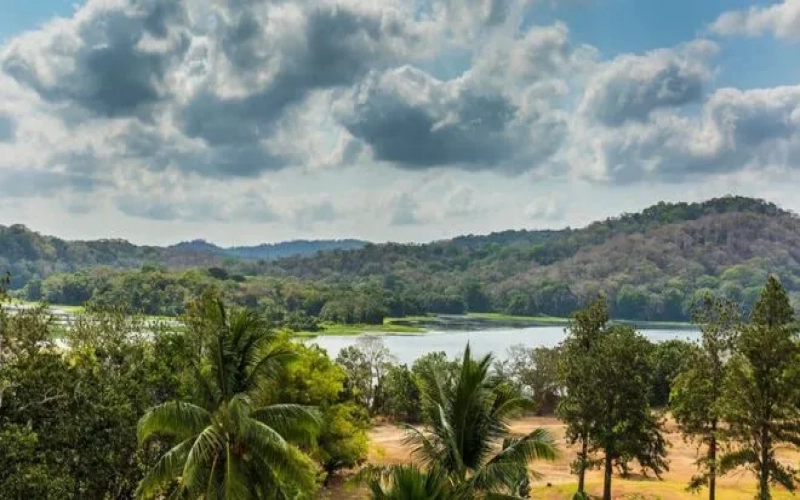
Panama Climate Change Warning: Rainfall to Decrease and Temperatures to Rise by 2050, Coffee and Other Agricultural Exports Face Challenges
Panama's National Adaptation Plan (NAP) project recently released a report that, using global models and nearly 30 years of meteorological data, simulated the country's climate trajectory for 2050 to 2070. The results show that reduced rainfall and rising temperatures will directly impact Panama's agricultural production, especially the cultivation and trade of export crops such as coffee and bananas. At the same time, shipping through the Panama Canal and hydroelectric power generation will also face greater pressure due to drought. This article will walk you through the report's core findings and their potential impact on the coffee industry. [more…]
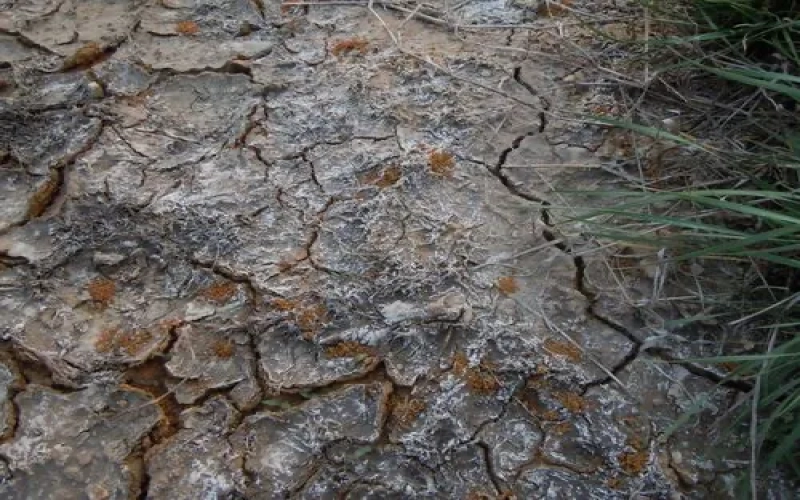
El Niño Triggers Vietnam's Worst Drought in a Century, Coffee Production Decline Pushes Up Robusta Prices
Affected by El Niño, Vietnam is experiencing its worst drought in nearly a century, and agriculture in the Mekong Delta has been hit hard. As a major global coffee-producing region, Vietnam's robusta coffee is in its flowering season but faces a water shortage crisis, and spot prices have soared to more than double those of the same period last year. At the same time, the planting boom in high-return fruits such as durian and dragon fruit is further squeezing coffee-growing areas. This article will review the specific impact of the drought on Vietnam's coffee industry, current price trends, and the latest progress on China's emergency water replenishment from the Lancang River at Vietnam's request. Friends who like Vietnamese coffee may want to follow Front Street Coffee's upcoming product updates. [more…]
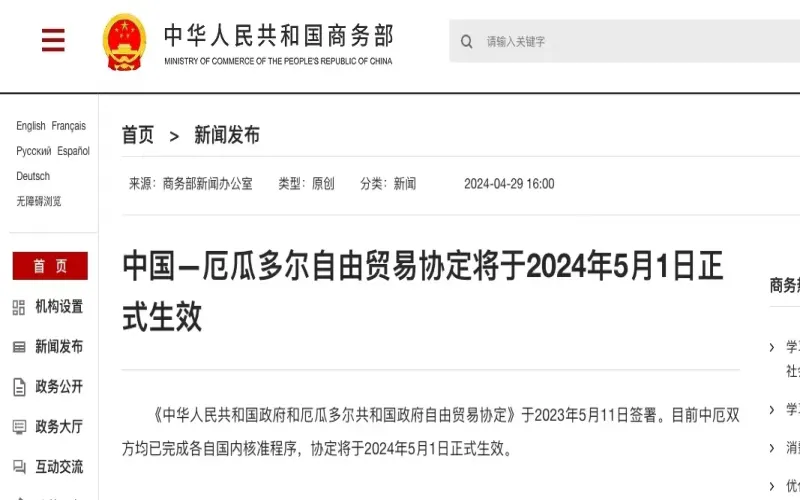
China-Ecuador FTA Takes Effect on May 1: 90% of Tariff Lines to Gradually Reach Zero Tariffs, Coffee and Other Product Exports Set to Benefit
The free trade agreement signed between China and Ecuador will officially take effect on May 1, 2024. Approximately 90% of tariff lines on both sides will gradually have tariffs eliminated, with 60% achieving zero tariffs on the day the agreement takes effect. When Ecuadorian agricultural products such as bananas, coffee, cocoa, and shrimp enter the Chinese market, import tariffs will gradually be reduced from 5%–20% to zero, injecting new momentum into the country's export trade. At the same time, Ecuador is facing drought-related power rationing and a diplomatic crisis domestically, and export industries such as coffee have been affected to a certain extent. This article will review the core contents of the agreement, Ecuador's current economic situation, and the relevant background of China's implementation of zero tariffs on many African countries. [more…]
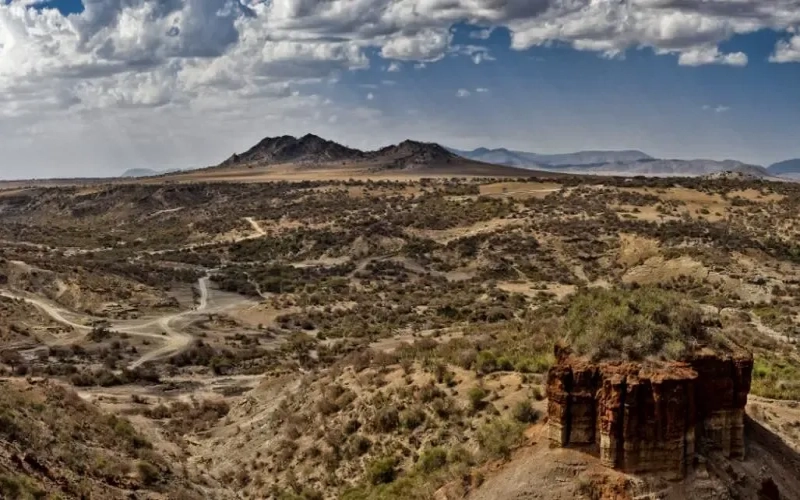
Exploring Tanzania's Mbinga Region: The Geographic and Human Advantages of an Emerging Southern Specialty Coffee Origin
The African continent is not only the birthplace of coffee, but also home to many outstanding coffee-producing countries. As an important origin in East Africa, Tanzania has earned its place in the specialty coffee world with its unique geographical environment and cooperative model. Beyond the well-known Kilimanjaro region, Mbeya in the south is gradually gaining attention. This article will guide you through an overview of Tanzanian coffee and take a deeper look at the geographical advantages, growing conditions, and unique features of the local cooperatives in the Mbeya region, while also sharing the Tanzanian coffee flavor experience recommended by Front Street Coffee. [more…]
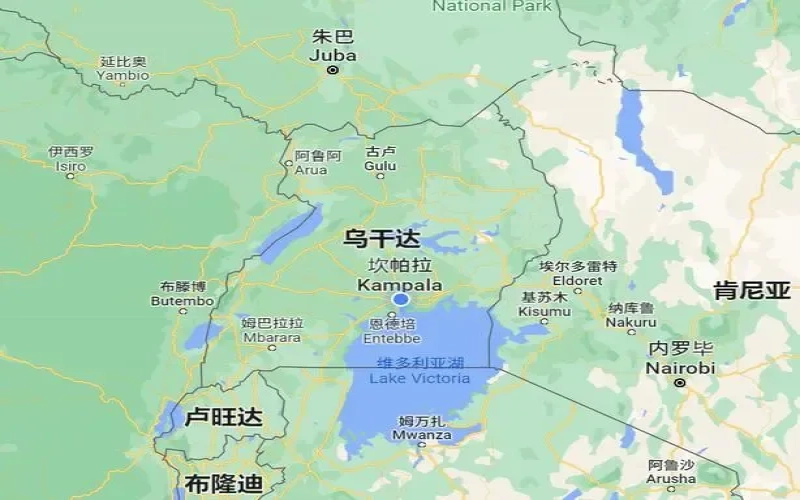
Exploring Uganda's Bugisu Region: The Arabica Coffee Advantage Nurtured by Mount Elgon
The African continent is rich in natural resources and has a climate suitable for coffee cultivation, and Uganda, as one of the few countries with native coffee tree species, has seen its coffee industry go through a tortuous development from its beginnings to modernization. Among Uganda's three major coffee-producing regions, Bugisu stands out for its unique geographical location and growing conditions, becoming an exceptional area mainly cultivating Arabica varieties. This article takes you deep into the terroir conditions, cultivated varieties, and processing methods of the Bugisu producing region, exploring how Mount Elgon imparts unique qualities to coffee, while also understanding the historical changes and modernization process of Uganda's coffee industry. [more…]
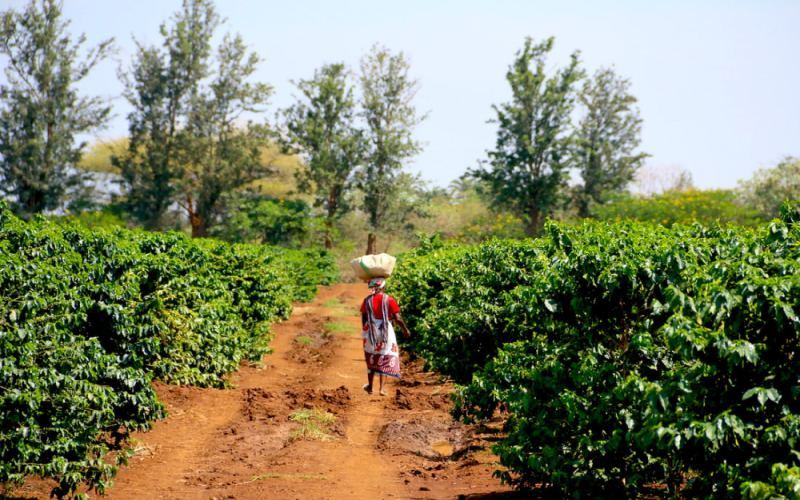
Tanzania Coffee Growing Regions and Flavor Profiles: A Comprehensive Analysis from Kilimanjaro to the Southern Highlands
Although Tanzania is less famous than Ethiopia and Kenya, it ranks among Africa's three major coffee giants thanks to its unique terroir. This article systematically reviews the geographical distribution, historical context, and industry status of Tanzanian coffee, with a focus on the growing environment and coffee flavors of core producing regions such as Kilimanjaro. It also combines Front Street Coffee's Tanzanian Kilimanjaro coffee beans to analyze the soft acidity, citrus, berry, honey, and nut flavors, as well as the balanced tea-like mouthfeel brought by its Typica variety and washed processing, helping coffee lovers gain a comprehensive understanding of the coffee charm of this East African producing country. [more…]
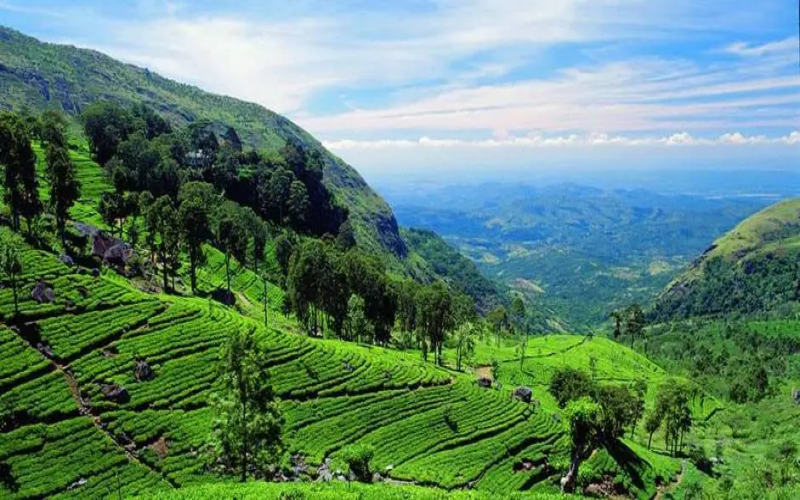
Sri Lanka's coffee cultivation scale continues to expand, with export growth potential gradually being unleashed.
Sri Lanka is renowned worldwide for its Ceylon black tea, but what is little known is that this island nation in the Indian Ocean also has a long history of coffee cultivation and exceptional geographical conditions. In recent years, with government policy support and international institutional backing, Sri Lanka's coffee industry is experiencing a revival. Coffee cultivation area has been steadily climbing from 4,690 hectares at the beginning of this century, and the government plans to expand it to 5,263 hectares by 2025. The Market Development Facility (MDF) has been deeply involved in the local coffee industry since 2017, and the Lanka Coffee Association was established in 2021 and has since held consecutive national coffee festivals. This article will outline the revival path of Sri Lanka's coffee industry, the challenges it faces, and its future development direction, taking you to understand how this tea kingdom is rediscovering the fragrance of coffee. [more…]
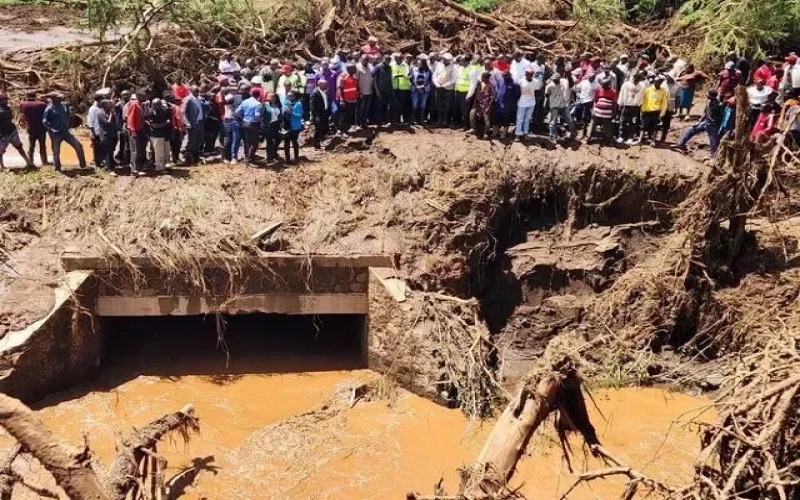
Central Kenya coffee-growing regions hit by persistent heavy rain, with Nyeri, Kiambu and other production areas suffering severe losses, casting a shadow over the next harvest season
Recently, multiple East African countries have been hit by sustained heavy rainfall, with major coffee-producing areas in central Kenya such as Nyeri, Nakuru, and Kiambu suffering severe damage. Floods, mudslides, and other disasters have caused significant casualties and property losses, and as coffee is currently in its flowering and fruiting stage, the next harvest season is expected to be severely affected. Meanwhile, Kenyan coffee auction prices have already hit record highs, and prices may climb further in the future. The Kenyan government has allocated 4 billion shillings for disaster relief. The Chinese Embassy in Kenya has also issued a reminder, calling for attention to weather changes and flood prevention and disease control. Stay tuned to the disaster situation in coffee-producing areas; Front Street Coffee will continue to follow up with reports. [more…]
Exploring Tanzania's Coffee Regions: The Geography and History of East African Coffee Through Kigoma
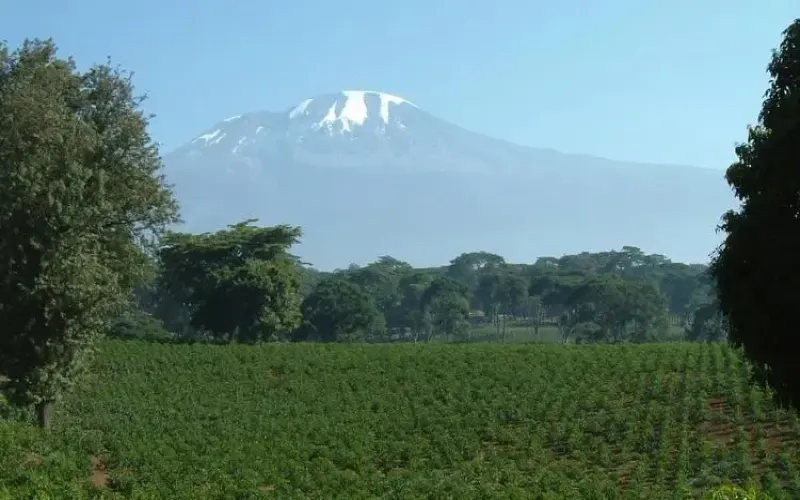
Africa, as the world's second-largest continent, is dominated by highlands and spans the equator, and its climatic conditions have given rise to numerous high-quality coffee-producing regions. Tanzania, with its unique geographical environment and historical heritage, has become an important coffee-producing country in East Africa and is known as the "coffee gentleman." From the introduction of coffee during the German colonial period, to industrial reforms after independence, and then to the shift of producing regions after the invasion of leaf rust, Tanzanian coffee has gone through a tortuous course of development. Today, nine producing regions, including Kilimanjaro, Arusha, and Kigoma, each have their own characteristics. Among them, Kigoma, as an emerging producing region, is gradually revealing its coffee potential by relying on the natural resources of Lake Tanganyika. This article will take you into a deeper understanding of the distribution and characteristics of Tanzania's coffee-producing regions, and focus on the terroir and prospects of the Kigoma producing region. [more…]
Colombia invests 22 billion pesos to support agriculture, coffee production is expected to exceed 13 million bags, but multiple challenges remain.
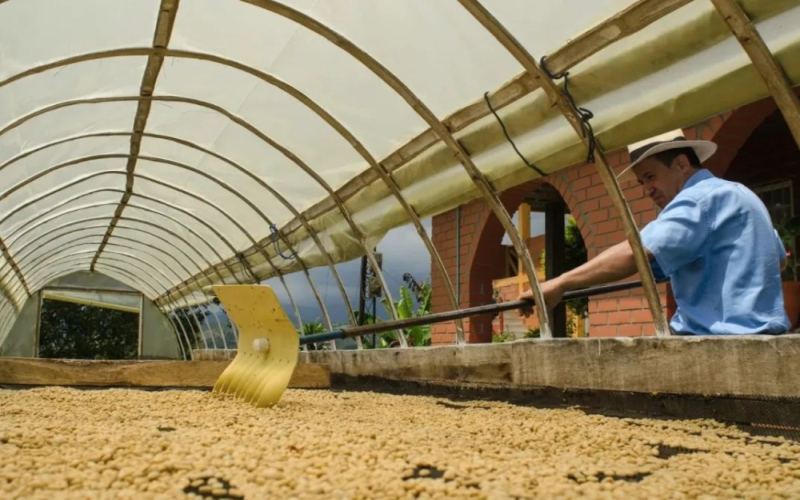
Colombia, as the world's third-largest coffee producer, has recently received a series of favorable news: a bank report shows significant growth in agricultural output and announces an investment of 22 billion Colombian pesos to support agricultural development. Meanwhile, the country's coffee production is expected to reach 12.53 million bags in the 2023/24 season, a year-on-year increase of 18%, and is expected to exceed 13 million bags in the 2024/25 season. However, drought, forest fires, rising cultivation costs, internal conflict, and the possible arrival of La Niña still bring many uncertainties to the coffee industry. This article will review the latest developments and potential risks in Colombia's coffee industry. [more…]
A Complete Analysis of Coffee Beans from Tanzania's Kilimanjaro Region: Terroir, Varieties, and Front Street Brewing Performance
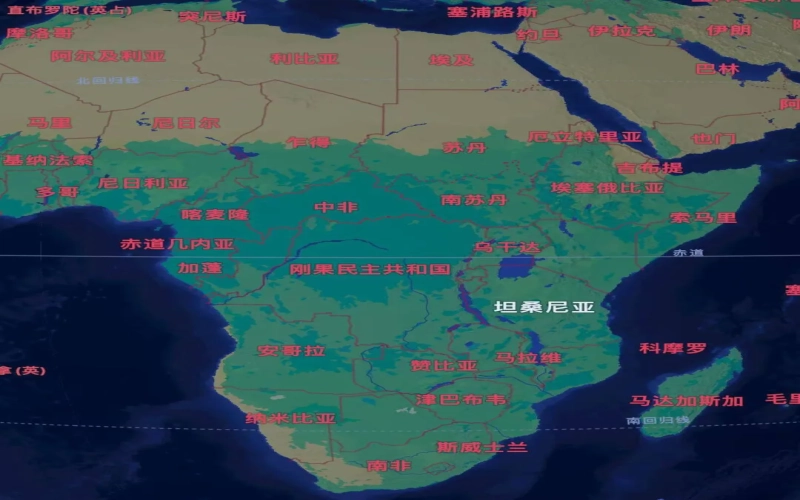
Tanzania is one of Africa's big three coffee producers. Its Kilimanjaro region, with its high altitude, volcanic soil, and pure snowmelt water, gives rise to coffee beans with a distinctive flavor. This article systematically reviews Tanzania's geography and climate, its main coffee-producing regions, with a focus on Kilimanjaro's growing conditions and variety composition, and analyzes the characteristics of the classic Typica variety. Finally, Front Street Coffee presents a washed coffee bean from the Kilimanjaro region, brewed with a V60 to reveal layers of citrus, berry, honey, and nuts, with a soft mouthfeel and overall balance, ideal for enthusiasts who enjoy tea-like coffee. [more…]
A Tour of African Coffee-Producing Countries: The Cultivation History and Flavor Characteristics of Burundi, Cameroon, and the Democratic Republic of the Congo
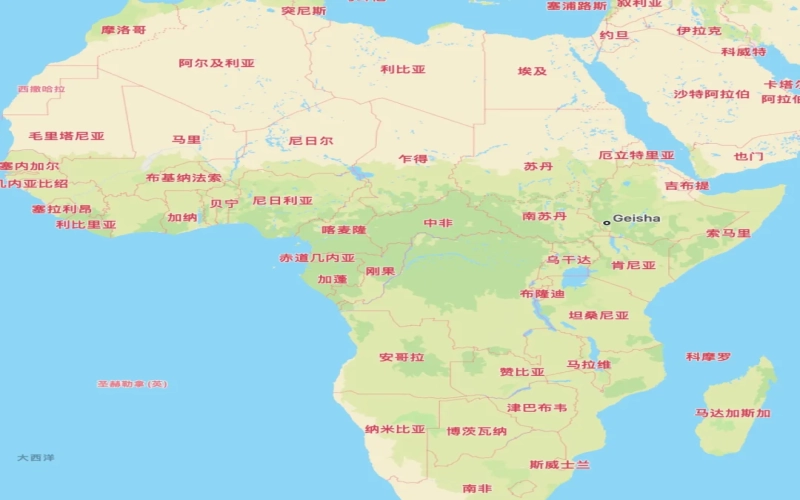
The African continent, with its exceptional natural conditions, has nurtured numerous coffee-producing countries. Beyond the well-known Ethiopia and Kenya, Burundi, Cameroon, and the Democratic Republic of the Congo also deserve attention. Burundi, known as the "Heart of Africa," showcases bright acidity and full-bodied sweetness through varieties such as Bourbon; Cameroon is dominated by Robusta, with Arabica accounting for only a small portion; the DRC, as the birthplace of Robusta, offers coffee with a wild flavor rich in fruity notes. This article will guide you through the coffee cultivation history, producing regions, variety characteristics, and industry status of these three countries, along with relevant recommendations from Front Street Coffee, to provide reference for your coffee exploration journey. [more…]
An Overview of Tanzanian Coffee Brands: How the Washed Process Brings Out Blackcurrant Flavor
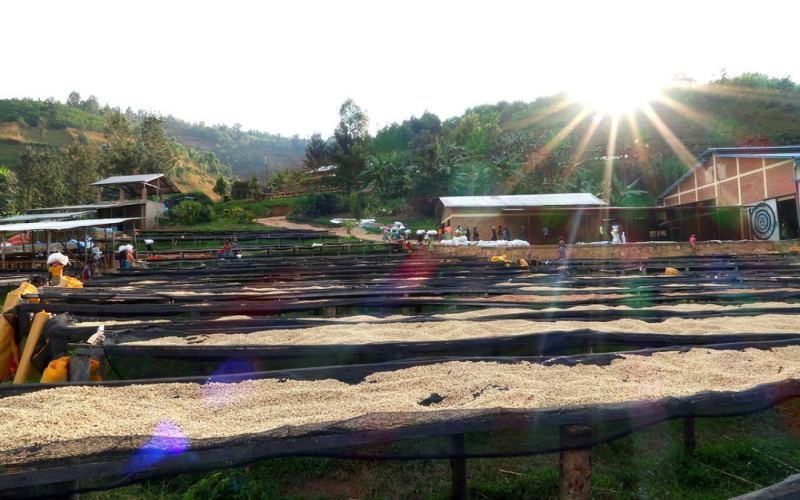
As one of Africa's three coffee giants, Tanzania is known for its washed beans with soft acidity, red wine notes, and blackcurrant-like aromas. This article reviews the cultivation history, main growing regions, and processing methods of Tanzanian coffee, compares its style with Kenyan coffee, and introduces the brewing parameters and flavor performance of Front Street Coffee's Tanzanian coffee, giving you a comprehensive look at the charm of this East African origin. [more…]