







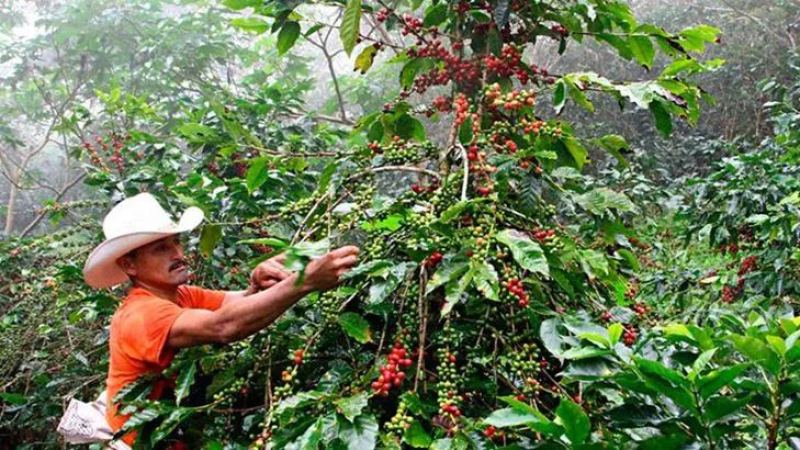
Why the coffee industry is short of pickers this harvest
Honduras is heading into harvest with too few skilled pickers. Corruption, institutional breakdown, the pandemic and hurricane damage pushed poverty to extreme levels, bankrupted many export processing plants and wiped out more than 100,000 jobs, so many unemployed workers have emigrated. The labor shortage now hits coffee and other plantation exports directly, and the harvest outlook is uncertain.
Social Security Institute data show that between June last year and June this year, plants in Choloma, Villanueva, El Progreso and San Manuel alone closed with over 20,000 jobs lost. Labor leader Jose Luis Baquedano has called for government policies to draw investment back. On the trade side, 12 Honduran companies are now authorized to export organic coffee beans to China, offering some hope for recovery.
Honduras is currently experiencing a severe socioeconomic crisis. The combined impact of corruption, institutional collapse, the pandemic, and hurricane disasters has pushed the poverty rate to extreme levels, caused widespread bankruptcy in the export processing industry, wiped out over 100,000 jobs, and driven many of the unemployed to emigrate abroad. This wave of emigration has directly affected the coffee-growing industry—as the harvest season arrives, there is a severe shortage of skilled pickers, and the harvest outlook is worrying. At the same time, Honduran organic coffee beans have successfully been exported to China, with 12 companies authorized for exports to China, bringing a glimmer of hope for economic recovery. This article will sort out the root causes of the crisis, the impact on the industry, and the latest trade developments.
A recent report released by a Honduran civil society organization pointed out that under the combined effects of national corruption, damage to the institutional system, the economic slowdown caused by the COVID-19 pandemic, and successive natural disasters such as hurricanes, the country's poverty rate has climbed to extreme levels. A large number of export processing enterprises went bankrupt and closed because of a sharp drop in foreign trade orders, and more than 100,000 jobs vanished as a result, forcing many unemployed people to seek livelihoods overseas. As the number of migrants continues to rise, serious temporary labor shortages have appeared in export links such as coffee and other plantation industries, and the shortage of human capital has become increasingly prominent.
Data released by the Honduran Social Security Institute (IHSS) show that between June last year and June this year, in the northern cities of Choloma, Villanueva, El Progreso, and San Manuel alone, several export processing plants went bankrupt one after another, with more than 20,000 jobs lost. Thousands of Honduran compatriots go to the United States to look for employment opportunities, but most of them can only engage in informal work and cannot obtain basic social security. Labor leader José Luis Baquedano said in response that this trend cannot be allowed to continue and that the government should introduce relevant policies to encourage domestic and foreign enterprises to expand investment in Honduras and create more job opportunities.
In addition to the unemployment problem, the current judicial, economic, and public security crises are spreading across Honduras, worsening the difficult situation of the people. Therefore, many people choose to emigrate. According to data published by the Migration Observatory of the Honduran Foundation, it is estimated that by the end of this year at least 200,000 Hondurans will have moved abroad. The main reasons many people take the path of emigration are violence, poverty, and a lack of job opportunities.
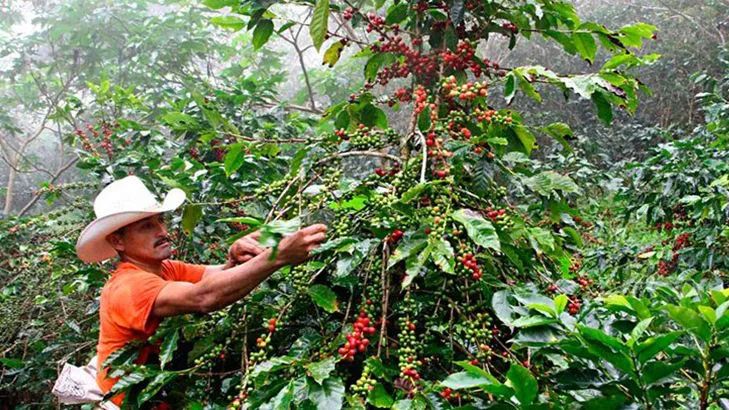
Honduras's coffee harvest season is generally concentrated from November to April of the following year, so coffee growers in many regions have expressed concern about the labor shortage they face during the picking season.
One coffee grower said that the coffee picking season has already arrived, but because many laborers have emigrated overseas, it is currently very difficult to hire skilled pickers, which may have a serious impact on the coffee harvest.
However, there has also been good news recently. The Honduran government announced earlier that the first container shipment of organic coffee beans exported from Honduras to China had arrived in Shanghai, and that 12 Honduran coffee companies have currently obtained authorization to export to China. Coffee beans are the first product Honduras has directly exported to China. With the opening of the Chinese market, there will be more opportunities in the future, which is also very important for Honduras's economic recovery.
Disclaimer: Some images in this article are from the internet. For some content on the website, such as images, we will respect the original author's copyright and indicate the source. However, due to the large volume, there may be个别 images and texts that have not yet been credited. Please forgive us. If the original author has any dispute, they may contact the website for handling. Once verified, we will correct it immediately. Compiled and edited by "Coffee Review vdailycom." Please indicate the source when reposting. This article is intended to spread coffee culture. If there is any infringement, please inform us for deletion. Thank you~!
The above content is compiled by CoffeeHunters, a coffee news website.


