







Why Is Coffee Being Sold Inside Herbal Tea Shops?
In 2023, some coffee sellers in Guangdong began setting up espresso bars inside herbal tea shops. The move answers a local worry that coffee causes internal heat and dampness: customers tell their families they are going out for herbal tea, then order a coffee, and can follow it with a heat-clearing herbal brew half an hour later.
The trend fits a wider shift toward coffee shops styled after Chinese medicine and herbal tea shops, and it raises questions about labeling drinks as medicinal. It also touches a common belief about coffee and internal heat. For more coffee knowledge and specialty bean information, the original coverage points readers to the Coffee Workshop account and Front Street Coffee.
In 2023, a highly impactful marketing approach emerged in the coffee industry—selling coffee inside herbal tea shops. In Guangdong, damp heat and internal heat are everyday anxieties that elders constantly bring up, yet young people's demand for coffee has never diminished because of it. Thus, the combination of setting up a bar and selling coffee inside herbal tea shops came into being, soothing the elders' concerns while satisfying coffee lovers' need for a pick-me-up. This article will analyze why this cross-industry combination precisely addresses the core pain points of Guangdong coffee drinkers, explore the trend of coffee shops integrating with the style of Chinese medicine shops and herbal tea shops, analyze the potential risks of "medicine in coffee," and answer the question of whether drinking coffee really causes internal heat and excessive dampness.
Professional coffee knowledge exchange. For more coffee bean information, please follow Coffee Workshop (WeChat public account: cafe_style).
For more specialty coffee beans, please add our private WeChat Front Street Coffee (FrontStreet Coffee), WeChat ID: qjcoffeex
In other places, March brings blooming flowers and pleasant temperatures. But what about March in Guangdong? The temperature difference between day and night can reach 13°C, and the seasons change as quickly as a revolving lantern.
During this season, Cantonese people's bodies inevitably go through the ordeal of alternating hot and cold, so "damp heat," "heatiness," "internal heat," "mouth ulcers," and "breakouts (pimples)" take turns appearing. Family members can't help but nag:
"Don't drink so much coffee—it causes internal heat and dampness!"
However, how could contemporary workers give up coffee just because of a comment about internal heat and dampness? In Guangdong, doing things is about being practical, and also about psychological comfort. For example:
Since the elders worry that coffee causes internal heat, why not sell coffee inside a herbal tea shop? That way, the conversation can become:
"Mom, I'm going out to buy something to drink."
—Going to the coffee shop again?
"I'm going to the herbal tea shop!"
What a flawless conversation! If you're really worried about internal heat, wait half an hour after drinking coffee, then have the owner make you a cup of "heat-clearing and detoxifying" herbal tea—a perfect finish.
Or simply copy the herbal tea shop's promotional gimmick—buy five cups of coffee, get one cup of herbal tea for free to reduce internal heat. A pick-me-up and heat-clearing detox, all in one shop—firmly capturing the two biggest needs of Guangdong coffee drinkers.
Of course, although coffee is indeed being sold in a herbal tea shop, the owner says this is only a short-term arrangement borrowing the parents' shop space, and an independent coffee shop will be opened soon.
But honestly, this writer thinks they could totally skip the rent of an independent coffee shop and just set up a bar inside the herbal tea shop to sell coffee—it would actually grab consumers' attention even more.
Especially in recent years, many coffee shops have taken to opening in former Chinese medicine shop locations, or simply decorating in the style of a Chinese medicine shop.
Herbal tea shops themselves carry a sense of nostalgia and down-to-earth atmosphere, which precisely attracts a large number of young people's attention.
On one hand, the coffee area gains more interesting selling points, giving consumers from different regions and age groups a chance to learn about coffee. On the other hand, the younger generation can also be exposed to traditional Chinese culture and Chinese medicine. Through the collision of these two cultures, both coffee and herbal tea gain an opportunity to be understood more deeply.

Whether it's coffee or herbal tea, the industry's development needs these kinds of impactful combinations to spark a new generation of consumers' interest in something. This kind of pairing, without "medicine in coffee," can still firmly capture young people's hearts for wellness.
At the same time, it is not recommended that shop owners launch coffee with added Chinese medicinal herbs. What seems like a simple mashup actually greatly tests the maker's mastery of the characteristics of both Chinese medicinal herbs and coffee beans: one must understand the herbs themselves, judge whether the herbs' flavor is too overpowering and covers up the coffee's original flavor, and also consider whether the taste after combining herbs with coffee will be accepted by the public.
Last year, too many people imitated the "medicine in coffee" approach, and the chaotic operations made more and more people fearful of Chinese herbal coffee. Every medicine has its toxicity; once used improperly, the side effects are not something everyone can handle.
If a coffee area is really going to be set up in a herbal tea shop, just focus on making coffee products that mass consumers accept—after all, herbal tea is right next door.
Finally, let's extend a topic mentioned in the article: Does drinking too much coffee really cause internal heat? Does it really lead to excessive dampness?
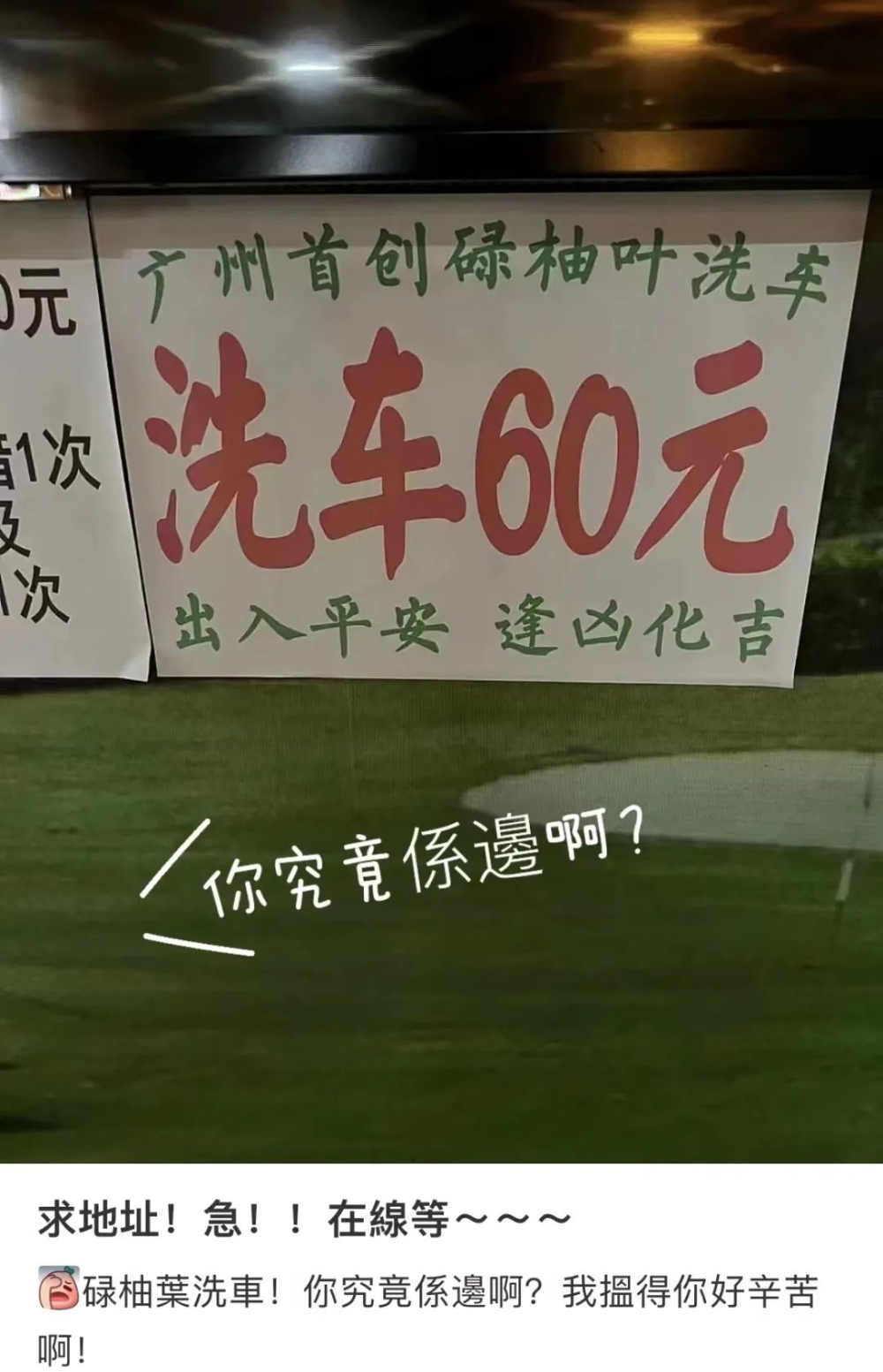
As everyone knows, coffee is a diuretic. Every cup of coffee you drink sends you running to the bathroom before long. Some people feel internal heat or dampness after drinking coffee, possibly because they didn't replenish enough water after drinking it. When the body is short on water, it sends out dehydration signals, and the resulting symptoms end up resembling internal heat or excessive dampness. Therefore, there is a reason why you feel "internal heat" or "dampness" after drinking coffee.
So after drinking coffee, there's no need to rush to drink herbal tea! Drinking a couple more mouthfuls of water can effectively relieve these symptoms!
Image source: Xiaohongshu zmz, internet
The above content is compiled by CoffeeHunters, a coffee news website.


