







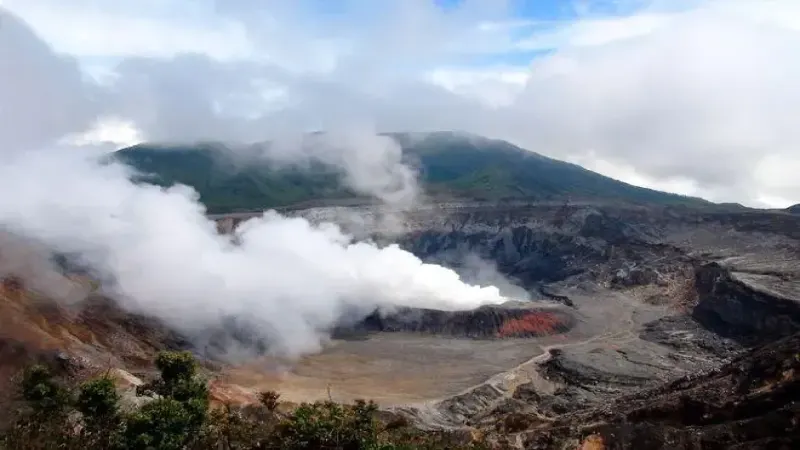
How Does the Poas Eruption Affect the Coffee Industry?
On April 2, Costa Rica's Poas Volcano erupted in its largest event in nearly five years, sending an ash column 600 to 800 meters above the crater. Poas Volcano National Park closed for two days, and ash drifted over nearby coffee areas including the Central Valley, threatening air quality, residents' health and crop growth.
The ash contains acidic components and stays airborne longer because it is dry and fine, so it can coat leaves and interfere with photosynthesis, lowering yields. Drought and frequent fires linked to El Nino add further pressure on growing conditions of coffee. The coffee industry now watches whether Costa Rica's export volumes and quality hold through the harvest.
On April 2, Costa Rica's Poás Volcano erupted in its largest event in nearly five years, sending an ash column 600 to 800 meters above the crater and posing a threat to local residents' daily lives, air quality, and crops such as coffee. Poás Volcano National Park has been temporarily closed, and several coffee-producing areas around the volcano, including the well-known Central Valley, also face potential impacts from the volcanic ash. At the same time, drought and frequent fires triggered by El Niño have further intensified pressure on local agriculture. This article will review the specifics of this volcanic eruption, its impact on the coffee industry, and the outlook for Costa Rica's coffee exports.
On April 2, the Poás Volcano, located about 50 kilometers northwest of Costa Rica's capital San José, suddenly erupted, affecting local residents' daily lives as well as the growth and harvest of crops such as coffee, and Poás Volcano National Park was closed for two days as a result.
Costa Rica has many volcanoes, with more than 200 across the country, six of which are active. The Poás Volcano that erupted this time is one of them, and this activity was the volcano's most violent in nearly five years. The ash column produced by the eruption rose 600 to 800 meters above the crater, and ash drifted in all directions, with local pilots reporting that volcanic ash was also observed at an altitude of 10,000 feet (about 3,048 meters).
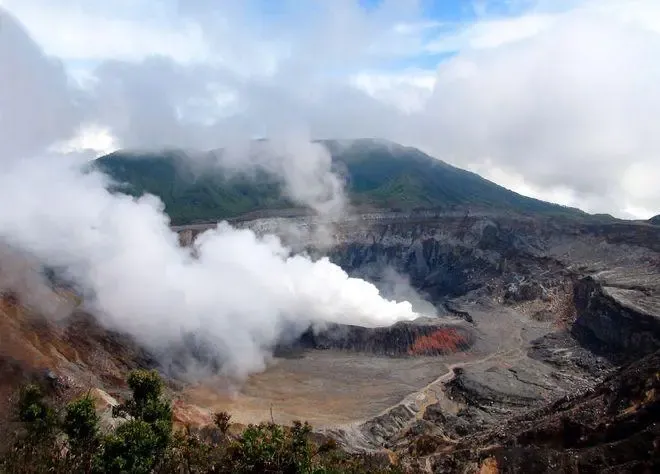
According to volcanologists at the Costa Rican Volcanological and Seismological Observatory, this eruption did not eject rocks or high-temperature molten material, which to some extent reduced the risk of casualties, but the volcanic ash emitted will have a significant negative impact on the surrounding air quality and pose a hazard to residents' health and crop growth. Volcanic ash is irritating, and if inhaled in excess, it may trigger respiratory diseases and cause symptoms such as difficulty breathing, nausea, and headaches. In addition, the volcanic ash from Poás is fine, dry ash containing acidic components, and compared with wet volcanic ash, dry ash remains suspended in the atmosphere for longer.
When large amounts of volcanic ash and smoke enter the atmosphere, air pollution worsens, and these fine particles can also be absorbed by crops and other plants, thereby interfering with photosynthesis and leading to reduced crop yields. Normally, volcanic ash can raise soil pH, neutralize acidic soil, and enhance soil vitality, but the ash from Poás is instead acidic, so not only can it not improve the soil, it also tends to make the soil looser and intensify wind erosion, causing water and soil loss and soil erosion, ultimately dragging down crop yields. The Poás Volcano is located in central Costa Rica, and several of the country's coffee-producing areas are distributed around the volcano; for example, the famous Central Valley lies south of the volcano, and many coffee industry players have expressed concern about the possible chain reactions caused by the volcanic ash.
After the eruption, provinces around Poás experienced a strong smell of sulfuric acid and large amounts of volcanic ash. Costa Rica's National Emergency Commission has issued warnings to nearby institutions and municipalities and temporarily closed Poás Volcano National Park.
On the other hand, affected by the El Niño phenomenon, Costa Rica is currently experiencing a dry period, with scarce rainfall and relatively high temperatures. According to a recent report by Costa Rica's fire department, 66 fires have been recorded this year, 21 more than in the same period last year, with 12,400 hectares of land burned, of which 1,400 hectares were destroyed, causing severe damage to people, animals, and the environment, with Guanacaste Province especially hard hit.
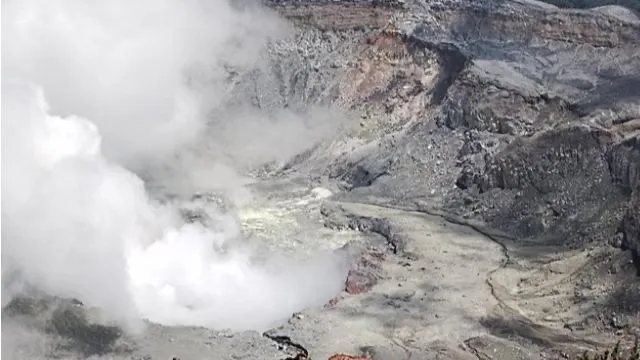
In addition to drought and high temperatures, practices such as burning chili peppers, poaching, and using fire to clear land have also pushed up the fire risk level. In addition, because Costa Rica's tourism industry is booming, campfires by tourists during their travels have likewise increased fire hazards.
Although current production may be damaged by disasters, industries such as coffee remain confident about the future. Costa Rica is located in a volcanic zone, and volcanic soil combined with high-altitude growing conditions has built the country's international reputation for coffee. According to data released by Costa Rica's central bank, in 2023 the bilateral trade in goods between Costa Rica and China exceeded US$4 billion for the first time, of which Costa Rica's exports to China reached US$458 million, up 17.5% year on year. As demand in China's coffee market continues to expand, exports of coffee and other products are expected to maintain growth momentum in the future.
The above content is compiled by CoffeeHunters, a coffee news website.


