







How are disasters affecting Indonesia coffee production?
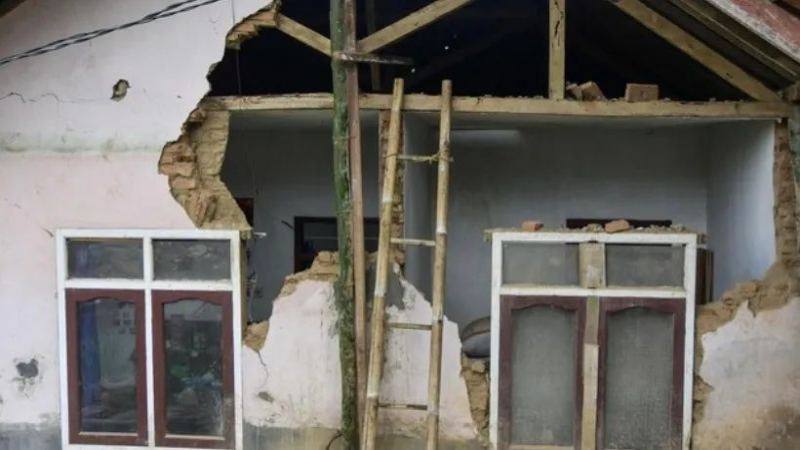
A magnitude 5.0 earthquake near Bandung in West Java on September 18 injured 82 people and damaged more than 700 houses, with 11 trains suspended and 26 aftershocks. Aceh in northern Sumatra was hit by heavy rain and wind during harvest, and several provinces face ongoing drought, so Indonesia coffee production may fall further and prices could keep rising.
Java ranks second in Indonesian coffee output after Sumatra, and the Bandung area is a key growing zone, so shaking can crush trees and damage irrigation. The wider coffee industry is watching whether lost volume and already climbing prices tighten supply in a market that depends heavily on Indonesian beans.
Recently, several major coffee-producing regions in Indonesia have been hit by natural disasters. A magnitude 5.0 earthquake struck near Bandung in West Java, causing injuries and damaged houses; the Aceh region in northern Sumatra was hit by heavy rain and strong winds during the coffee harvest season, disrupting harvesting work. At the same time, several provinces are also facing persistent drought, and coffee production may decline further. This article summarizes the disasters in various regions and their impact on Indonesia's coffee industry.
According to Indonesian media reports, in the early morning of September 18, a magnitude 5.0 earthquake occurred about 24 kilometers southeast of Bandung in West Java Province on Java Island. The earthquake has injured 82 people and damaged more than 700 houses.
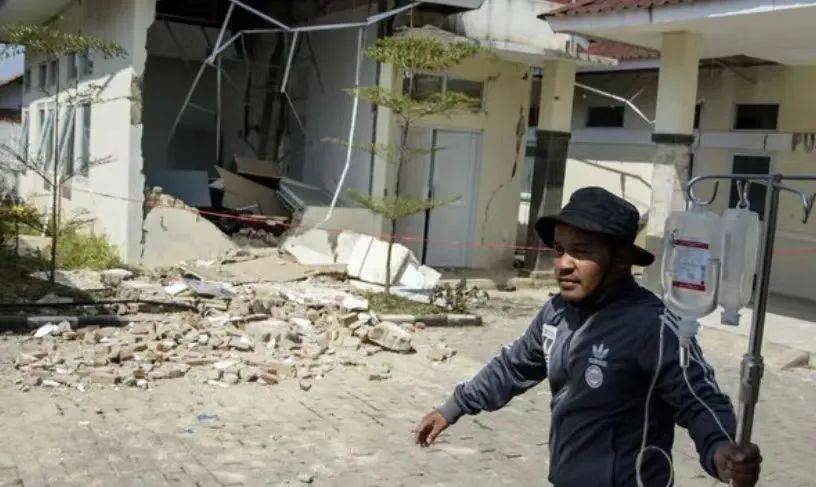
The West Java Provincial Disaster Management Agency reported that the earthquake had a focal depth of 10 kilometers and mainly occurred on land, so it will not trigger a tsunami. However, the earthquake had a significant impact on the Bandung area: a total of 11 trains suspended operations, and more than 700 houses were damaged, including public buildings such as schools and hospitals. The number of injured people was 82, of whom 23 were seriously injured. Fortunately, no deaths have been reported so far.
Afterward, 26 aftershocks occurred in the area. The West Java Provincial Disaster Management Agency is still compiling and assessing the casualties and building damage from the earthquake in detail. At the same time, the Jakarta Regional Disaster Management Agency (BPBD), neighboring Bandung, issued a warning to Jakarta residents that a major earthquake or a mega-thrust earthquake may occur in the future, and preparations should be made in advance.
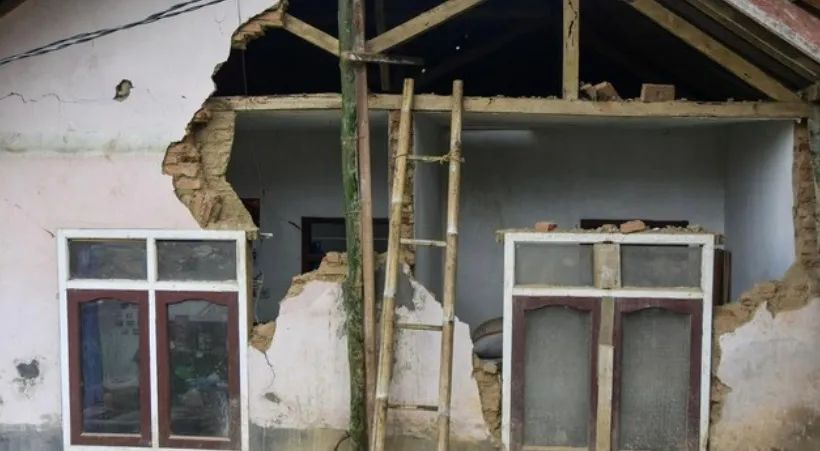
Java is one of Indonesia's main coffee-producing regions, ranking second in coffee production in Indonesia, after Sumatra. The area around Bandung in West Java, where this earthquake occurred, is precisely an important coffee-growing area on Java. The earthquake may damage local coffee plantations, for example by crushing coffee trees and damaging irrigation systems, thereby directly affecting the growth and yield of coffee trees.
In addition to Java, another island in Indonesia has also suffered natural disasters. According to monitoring by Indonesia's Meteorological Agency (BMKG), the Aceh region in northern Sumatra and its surroundings have recently experienced heavy rainfall and strong winds, with maximum wind speeds reaching 55.56 kilometers per hour, close to hurricane level.
Local media reported that due to the rainstorm and strong winds, many buildings, sports facilities and school facilities in the Aceh region were damaged, and a local student died after a classroom ceiling collapsed. According to data from the BMKG Medan Center in Indonesia, extreme weather in Medan, Aceh, North Sumatra, Riau, and West Sumatra may continue until the end of September in the coming days. At present, the rainfall potential in these areas is assessed as high level, reaching more than 70%. Due to the heavy rainfall, secondary disasters such as landslides and floods may also be triggered.
In response, Indonesian coffee industry insiders said that this heavy rainfall will have a serious impact on the country's coffee industry. Sumatra's coffee production accounts for more than 60% of the country's total output, and September to October each year is Indonesia's main coffee harvest season. Heavy rainfall and windy weather restrict people's outdoor activities, and harvesting work will be delayed, hindering the progress of coffee harvesting. In addition, heavy rainfall and strong winds can also knock down some nearly ripe or already ripe cherries, leading to reduced production.
In addition, according to reports, East Nusa Tenggara, East Java, West Nusa Tenggara, South Sulawesi, the Special Region of Yogyakarta, West Java, and Banten provinces in Indonesia are experiencing extreme drought conditions, with no rain for more than two months, and in some areas the drought has lasted as long as 144 days. This situation has brought severe impacts on multiple coffee-producing regions in Indonesia.
According to an earlier coffee industry report released by the International Coffee Organization (ICO), coffee production in the Asia-Pacific region is gradually declining. In July, the Asia-Pacific region exported only 2.77 million bags of coffee, a decrease of 8.1% compared with the same period last year. The main coffee-exporting countries in the Asia-Pacific region are Vietnam and Indonesia.
At the beginning of this year, Vietnam reported experiencing its most severe drought in nearly a decade. Many coffee crops withered due to lack of water, causing a serious reduction in coffee production. Since the 2023/24 crop year, Vietnam's coffee exports have decreased by 12.71% compared with the same period last year. As for Indonesia, it has been affected by natural disasters since the beginning of this year, and coffee production has declined at one point. Earlier, a 50% reduction was expected, but based on the current situation, the reduction may be even more severe, and this will keep coffee prices high.
To learn more about coffee-origin news and information, please scan the QR code to follow: Coffee Review
Long-press the QR code to follow:
TRANSLATE with
x
English
Arabic Hebrew Polish Bulgarian Hindi Portuguese Catalan Hmong Daw Romanian Chinese Simplified Hungarian Russian Chinese Traditional Indonesian Slovak Czech Italian Slovenian Danish Japanese Spanish Dutch Klingon Swedish English Korean Thai Estonian Latvian Turkish Finnish Lithuanian Ukrainian French Malay Urdu German Maltese Vietnamese Greek Norwegian Welsh Haitian Creole Persian
TRANSLATE with
COPY THE URL BELOW
Back
EMBED THE SNIPPET BELOW IN YOUR SITE Bing Webmaster Portal
Back
The above content is compiled by CoffeeHunters, a coffee news website.


